

High Risk Pregnancy – Reasons and Ways to Cope With It




In this Article
- What Is a High-risk Pregnancy?
- Causes of High-risk Pregnancy
- Symptoms of High-risk Pregnancy
- What Are the Possible Risk Factors for High-Risk Pregnancy?
- Can Your Baby Get Affected While You Are Having a High-Risk Pregnancy?
- Medical Conditions That Can Develop During High-Risk Pregnancy
- Treatment for High Risk Pregnancy
- How to Reduce Complications?
- High-risk Pregnancy Care
- How to Deal With Extra Medication, Appointments and Tests?
- FAQs
View More
In a high-risk pregnancy, extra care needs to be taken to ensure a healthy pregnancy for both the mother and the baby. Poor health conditions are one of the main reasons behind a high-risk pregnancy. Other factors may include advanced maternal age, unhealthy lifestyle choices, or being pregnant with multiple babies. If you have been told that you have a high-risk pregnancy, pay close attention to your doctor’s advice and take medications as prescribed. Emotional well-being also plays a major role during pregnancy, so staying calm, happy, and positive can support both mental and physical health throughout the journey.
To learn more about the reasons to be high risk pregnancy, its symptoms, precautions, and ways to cope with it, read the complete article below.
What Is a High-risk Pregnancy?
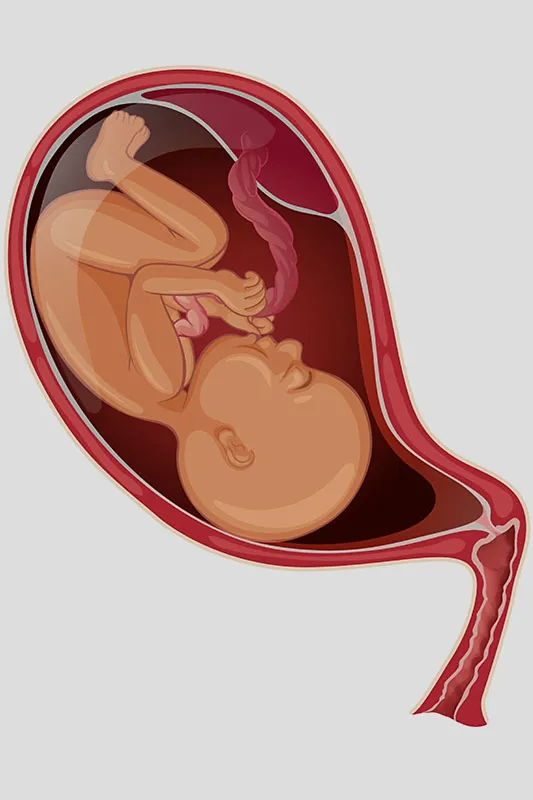
In a high-risk pregnancy, the health or the life of the mother or the foetus is threatened, and hence, a pregnant woman should take extra care to have a healthy pregnancy (1). If you have a high-risk pregnancy, you will need specialised care from specially trained providers. Some pregnancies become high risk as they progress, and in some cases, a woman may face complications even before she conceives.
Causes of High-risk Pregnancy
Several factors cause high-risk pregnancies if they are present before conception. These include (2) (3):
- Maternal age over 35.
- Being overweight or underweight.
- Problems in previous pregnancies.
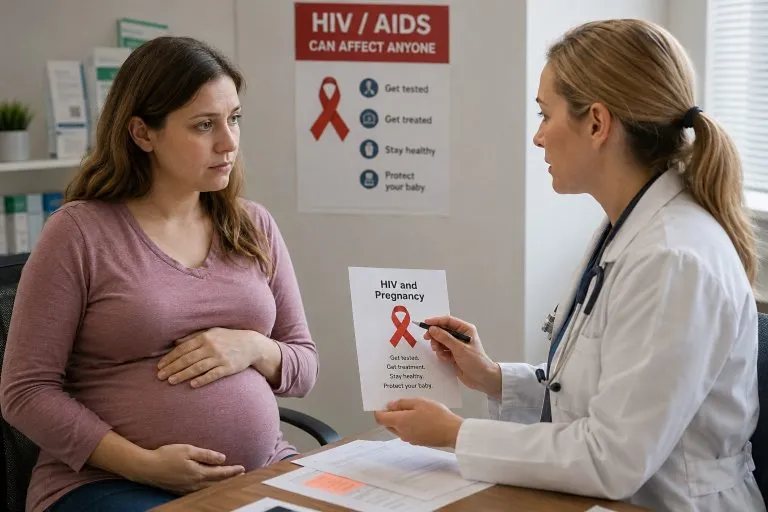
- Pre-existing health conditions, like high blood pressure, diabetes or HIV.
Certain health problems can crop up during pregnancy and put you in a high-risk pregnancy category. Such cases include (4):
- Pre-eclampsia
- Gestational diabetes
- Depression, anxiety and insomnia
Symptoms of High-risk Pregnancy
Symptoms of high-risk pregnancy that an expectant mother should be aware of are (1):
- Loss of consciousness
- Vaginal bleeding
- Extreme pain in the pelvis or belly
- Heavy fluid discharge from the vagina
- Persistent pelvic pressure or back pain
- Reduction of cessation of foetal movement
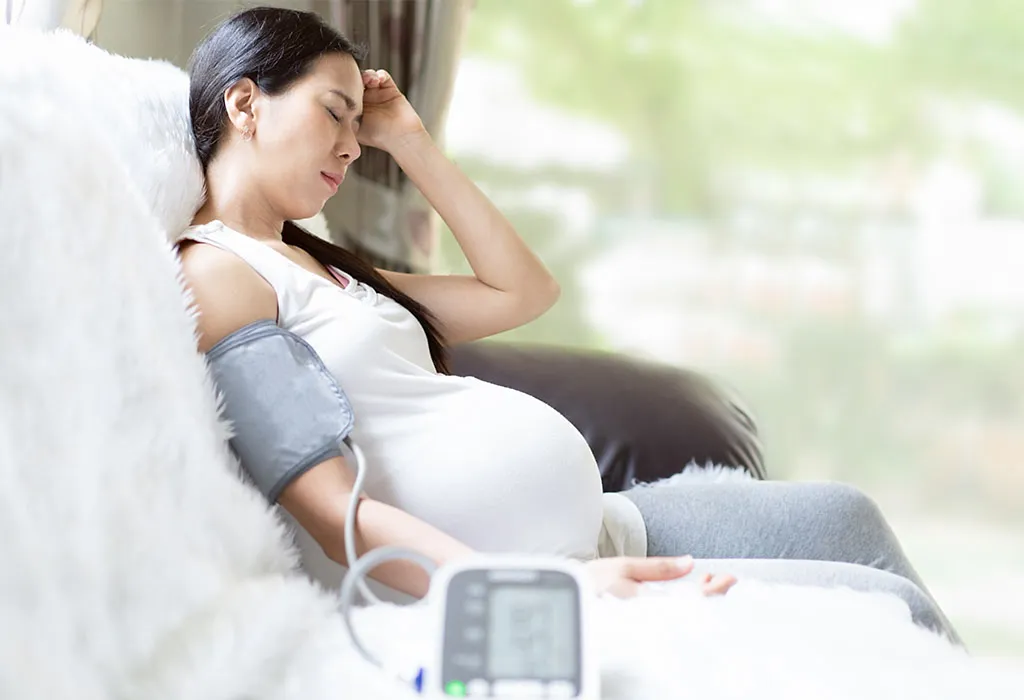
- Signs of pre-eclampsia such as swelling in the face, hands or feet, vision problems such as dimness or blurring and severe headache.
What Are the Possible Risk Factors for High-Risk Pregnancy?
Factors that place pregnancy at high risk can be divided into four categories (2) (3) (4):
1. Existing Health Conditions
- High Blood Pressure
- Polycystic Ovary Syndrome (PCOS)
- Diabetes
- Kidney disease
- Auto-immune diseases like Lupus and Multiple Sclerosis
- Thyroid disease
- Infertility
- Obesity
- HIV/AIDS
2. Age of the Mother
- Teen Pregnancy
- First-time pregnancy after 35 years of age
3. Lifestyle Factor
- Alcohol use by the mother
- Cigarette smoking
4. Conditions of Pregnancy
- Multiple gestations
- Gestational diabetes
- Pre-eclampsia and eclampsia
Can Your Baby Get Affected While You Are Having a High-Risk Pregnancy?
In a high-risk pregnancy, along with the mother, the baby may also have to face several challenges even before he is born. In some cases, like pre-eclampsia, the baby may be born pre-matured, which could be life-threatening (5). For conditions where the mother is suffering from some Auto-immune disease or Cancer, the medication to treat the mother could have side effects on the child. Diseases like HIV are automatically transferred from the mother to the child, which in the long run, is life-threatening for the baby (6).
Lifestyle factors such as smoking, drinking or using drugs before and during pregnancy could be harmful to the baby. As such, the baby could be born with different types of disabilities, like physical or intellectual disability. Such a child may also have vision or hearing problems (7).
Medical Conditions That Can Develop During High-Risk Pregnancy
Anything can happen during pregnancy. Even the healthiest of person can develop a medical condition during this period, which could make the pregnancy a risky one for the mother and the baby. The most common medical conditions of these are (3) (4):
- Gestational Diabetes: A type of Diabetes that develops during pregnancy. Usually, the disease resolves after delivery. Women with this type of Diabetes are at increased risk of developing type 2 diabetes. However, if they follow the treatment plan properly, women with Gestational Diabetes can have a healthy pregnancy and a normal delivery.
- Preeclampsia: It is a condition which includes high blood pressure, protein in the urine and swelling which occurs after the 20th week of pregnancy. With proper management, however, most women who develop it have healthy babies.
- Depression: It can happen at any time in your life, but women are more at risk during pregnancy and the year after their delivery. Depression and Anxiety are the most common types of mental illness that women suffer from in the Perinatal period. These two illnesses further give rise to Insomnia (sleep disorder). The important thing is to know how to recognise the signs and seek medical help immediately.
Treatment for High Risk Pregnancy
Depending on the risk factors that you are diagnosed with, high-risk pregnancy treatment will be prescribed like (4):
1. Gestational Diabetes
- Keeping track of blood sugar levels by testing multiple times a day.
- Eating smaller and frequent meals throughout the day that are low in carbohydrates and sugar and high in fibre.
- Keeping track of weight gain.
2. High Blood Pressure
- Some changes to blood pressure medicine can be recommended.
- Lifestyle changes such as low salt intake and regular exercise can be prescribed along with light walks.
3. Preeclampsia
- If it’s mild, then the doctor may advise just bed rest.
- In severe cases, you will be asked to take Vitamin C and Vitamin E.
4. Placenta Previa
- In case of low bleeding, the doctor will just monitor carefully.
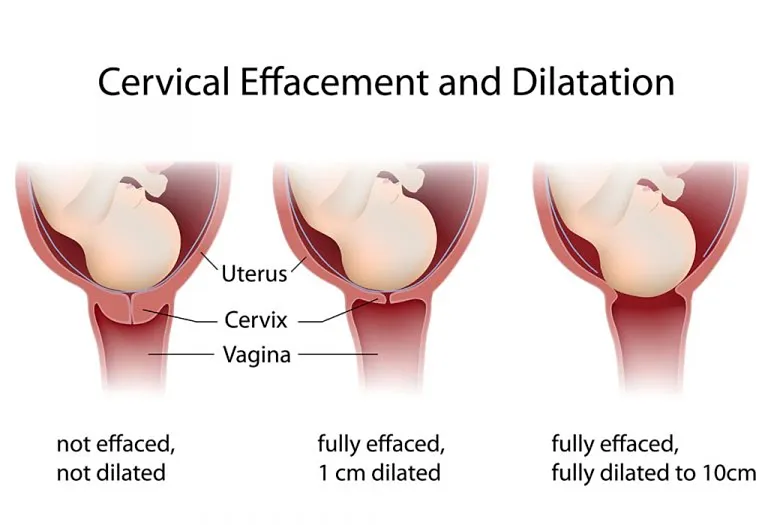
- In rare cases where the placenta blocks the cervix completely, the expectant mother may be asked to take complete bed rest.
- Recurring bouts of bleeding would require hospitalisation.
5. Pre-Term Labour
- Treatment varies from case to case. However, treatment measures like bed rest and lots of fluid intake are recommended.
How to Reduce Complications?
Here is how you can reduce complications in a high-risk pregnancy (8) (9):
- Understand the medical condition we are suffering from
- Address it with the help of a Gynaecologist/Obstetrician and specialised doctors
- Go for regular checkups and tests
- Stay fit not just physically but mentally too
- Take bed rest if you must
- Go for strolls, do pregnancy asanas and, if possible, practice a bit of meditation every day
- Avoid stress

High-risk Pregnancy Care
In a High-Risk pregnancy, there are three crucial factors that are to be looked into:
1. Logistical Care
The expectant mother often requires hospitalisation. The mother may have to leave her other child/children with family or hired help. This may add to expenses. The need to stop working or hospital bills may cause a financial burden too.
2. Health Care
A mother may be responsible for home monitoring of her condition. That might mean monitoring Uterine contractions, maintaining a diet or blood sampling several times a day. Prioritising self-care should be given importance, even if it means having to get extra help.
3. Emotional Care
Anxiety and depression are common in high-risk pregnancies. There is always a fear of losing the baby or even losing one’s life in such a pregnancy. Moreover, being in the hospital for most of the time and away from the comforts of one’s home, family, and friends makes the expectant mother feel isolated, lonely and emotionally drained.
How to Deal With Extra Medication, Appointments and Tests?
In a high-risk pregnancy, you will need extra appointments with the doctor and, in turn, more logistic hurdles. Here are some ways to ease the load:
- Do some research or speak to your HR at work to learn your rights before you ask for leave.
- Ask a friend or someone in the family to babysit when you visit the doctor.
- These measures will help curb expenses and reduce financial stress.
FAQs
1. What age is high risk pregnancy?
Pregnancy is generally considered high-risk when the mother is younger than 17 or older than 35 years of age (1) (9). Women above 35 may have a higher chance of complications such as gestational diabetes, high blood pressure, miscarriage, or chromosomal abnormalities. Teenage pregnancies can also carry risks due to incomplete physical development and nutritional concerns. However, proper prenatal care can help ensure a healthy pregnancy at any age.
2. How many ultrasounds are done during high risk pregnancy?
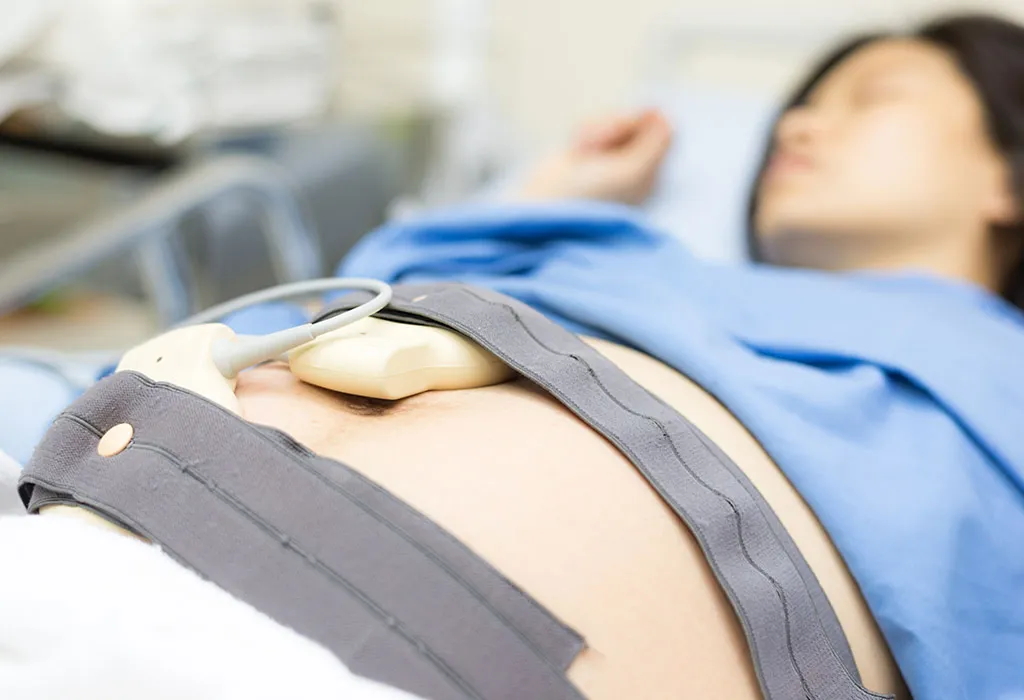
The number of ultrasounds in a high-risk pregnancy depends on the mother’s health condition and the baby’s development. While a normal pregnancy may involve 2–3 ultrasounds, high-risk pregnancies often require more frequent scans for close monitoring.
3. Are high-risk pregnancies always dangerous?
Not necessarily. Being labelled as “high-risk” simply means extra care and monitoring are needed. Advances in medical technology and prenatal care have greatly improved outcomes for mothers and babies. Many women with high-risk pregnancies successfully deliver healthy babies by following medical guidance and attending regular checkups.
4. Can exercise be safe during a high-risk pregnancy?
In some high-risk pregnancies, light and doctor-approved exercise may be beneficial. Activities such as walking, prenatal yoga, or stretching can improve circulation, reduce stress, and support overall health. However, exercise routines should always be discussed with a healthcare provider to avoid complications (10).
Even though high-risk pregnancy sounds “ominous”, there is no reason to panic. It does not mean that you will have problems because of it. More often than not, a majority of women who have high-risk pregnancies go on to have problem-free ones and give birth to healthy babies. All that is required is care, patience and positivity by the expectant mother and the people around her.
Also Read:
Abdominal Pregnancy
Heterotopic Pregnancy
Types of Twin Pregnancy
Different Types of Pregnancy
Was This Article Helpful?
Parenting is a huge responsibility, for you as a caregiver, but also for us as a parenting content platform. We understand that and take our responsibility of creating credible content seriously. FirstCry Parenting articles are written and published only after extensive research using factually sound references to deliver quality content that is accurate, validated by experts, and completely reliable. To understand how we go about creating content that is credible, read our editorial policy here.
1. Cleveland Clinic – High-Risk Pregnancy
2. National Institutes of Health – What are some factors that make a pregnancy high risk?
3. Max Healthcare – High-Risk Pregnancy: Complications & Care
4. Narayana Hrudayalaya – High-Risk Pregnancy: Risk Factors, Complications and Treatment
5. Cleveland Clinic – Preeclampsia
6. PubMed Central – HIV: mother-to-child transmission
7. March of Dimes – Alcohol, Smoking and Other Drugs: Impact on Baby’s Development
8. University of Utah Health – HIGH-RISK PREGNANCY
9. Nemours KidsHealth – What’s a “High-Risk” Pregnancy?
10. PubMed Central – Physical Activity in High-Risk Pregnancies
- Author