
Hernia and Pregnant – Risks, Symptoms, and Treatment





Medically Reviewed By
Dr. Sabiha Anjum
(Gynecologist/Obstetrician)


This content has been reviewed by a qualified expert and follows the FirstCry Parenting editorial policy to ensure accuracy and reliability.
Key Takeaways
- A hernia can occur during pregnancy when pressure inside the abdomen increases, often causing a noticeable bulge around the belly button or groin.
- Most pregnancy hernias are not emergencies and can be monitored by a doctor throughout pregnancy.
- Pain, tenderness, swelling, or a bulge that cannot be pushed back can signal a serious complication and needs prompt medical attention.
Hernia in pregnancy is usually not an emergency, but it should be evaluated by a doctor because pregnancy can increase pressure inside the abdomen and make a hernia more noticeable or uncomfortable. A study of 20,714 pregnant women found primary ventral hernias in 0.08% and groin hernias in 0.12%, with no emergency repairs required during pregnancy in that cohort (1).
This article explains the symptoms and potential risks of being pregnant with hernia, when urgent medical care is needed, and how doctors manage hernia during pregnancy and after delivery.
What Is a Hernia?
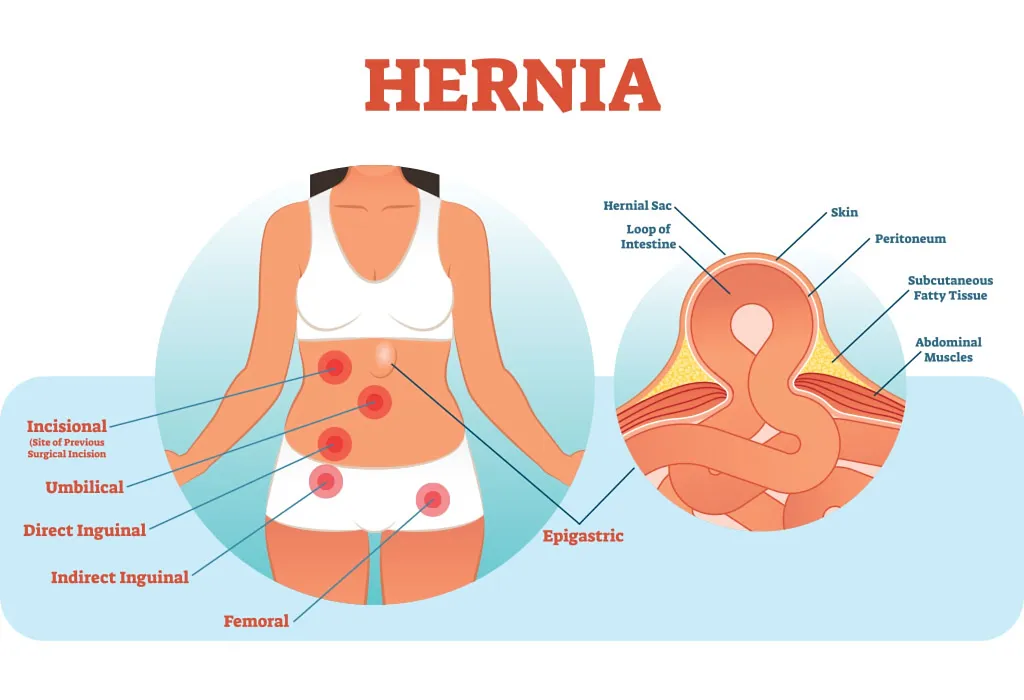
A hernia is basically a medical anomaly wherein an internal organ or a part of it begins to push out through a hole or tear in the musculature of the body. It is quite common to expect hernias in the lower torso, abdominal and groin areas of the body. Hernias do not disappear once they are formed, however many hernias don’t need to be fixed if they are not resulting in any problems. Pregnancy involves the growing uterus exerting pressure on the abdominal walls, which can cause hernias (2).
Does a hernia affect pregnancy? Not really. However, if left untreated for too long, the likelihood of developing dangerous complications increases.
Common Types of Hernia During Pregnancy
Pregnancy hernias are of two main kinds. They include:
1. Umbilical Hernia
Umbilical hernias, also called navel hernias, do not have anything to do with your foetus, the uterus or the amniotic sac. The name comes from the fact that the hernia develops in the region of the navel, which was the location of your own umbilical cord. As this region has a natural opening, the stretching of the uterus can cause it to tear and open further. Umbilical hernia while pregnant cause tender but a lasting pain in the belly button area. This kind is only going to be mildly inconvenient and will not cause excessive discomfort (3).
2. Inguinal Hernia
Unlike belly button hernias, Inguinal hernias occur when the muscular tissue in your groin area is torn or ripped. They are common during pregnancies as the expanding uterus pushes downwards on the pelvic floor, which further weakens the abdominal walls. Inguinal hernia when pregnant appears as a small bulge or expansion in the groin (4).
3. Paraumbilical Hernia
These hernias occur around the naval, above or below the location of the umbilical cord. They are usually caused due to weak muscles in the abdomen and are common in obese women. They have a tendency to induce severe swelling and appear very large. Surgical intervention is necessary, without which there may be a risk of strangulation (5).
4. Diaphragmatic Hernia
A diaphragmatic hernia occurs when abdominal organs, such as the stomach or intestines, push through an opening in the diaphragm into the chest cavity. This condition can be potentially dangerous as it can compress the lungs and interfere with their function. Prompt diagnosis and intervention are crucial to prevent complications for both the mother and the baby (6).
5. Obturator Hernia
An obturator hernia is another type of hernia that may occur during pregnancy. It happens when a part of the intestine protrudes through the obturator foramen, a small bony opening in the pelvic area. This type of hernia can be difficult to diagnose as its symptoms, including inner thigh or groin pain, may mimic normal pregnancy discomforts. Timely recognition and appropriate management are necessary to prevent bowel obstruction or other complications (7).
What Causes Hernia in Pregnant Women?
Hernias can occur in unexpected ways in people of any age. However, they are likelier in people who are born with weak muscles, older people or highly active people. Other conditions are known to worsen muscular weakness, leading to hernias. Here are a few common causes for pregnancy hernias (8):
- A slow increase in the pressure exerted by the uterus on the abdomen.
- Lifting heavy weights.
- Increase in abdominal fluid.
- Putting on excess weight.
- Exerting too much while urinating or passing stools.
- Continuous sneezing or coughing.
Signs and Symptoms of Hernia
Here are some of the signs of hernia in pregnant women (9):
1. Bulges or protrusions
The most common sign of a pregnancy hernia is a sore bulge or protrusion through the abdominal area which does not resolve by itself. The increase in pregnancy weight adds extra stress on the abdominal wall which is already weak, increasing the size of the tear in the muscle.
2. Tenderness
Women who have been under abdominal surgical procedures are especially tender in that region, leading to potential hernias. This hernia is likely in obese pregnant women as well. The cause is due to the scar tissue stretching due to the weight of the pregnancy. These hernias can be painful in the area of the scar even if you cough, lift heavy items or run.
3. Difficulty of movement
A hernia in the thigh area, or femoral hernias, can cause a drop in mobility, especially as the pregnancy continues into its later trimesters. You can see it as a small protrusion in the upper thigh area, near the groin. Femoral hernias can seriously impede movement, with discomfort depending on how big it is. It is considered to be the most dangerous hernia when it comes to pregnant women as it can block the femoral artery. This, in turn, can slow down or stop the blood supplied to the intestinal organs, leading to a dangerous bacterial infection called gangrene.
4. Strangulation
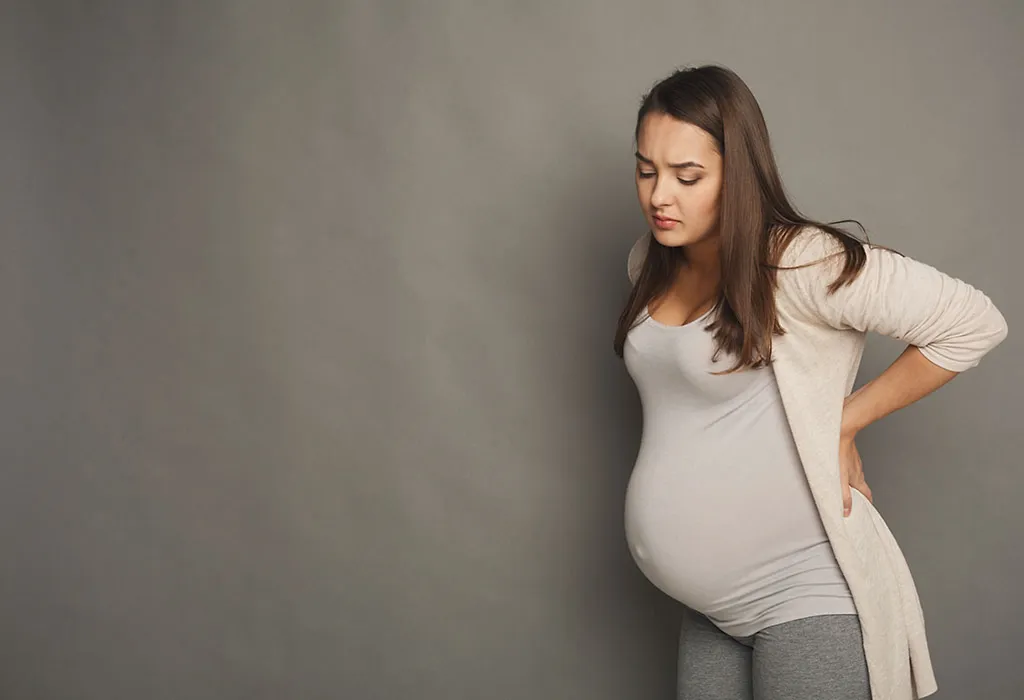
One of the rarest but most severe symptoms of a hernia is strangulation. When a hernia becomes trapped or incarcerated, its blood supply may be compromised, leading to strangulation. This condition can cause severe pain, tenderness, and a visible bulge that cannot be pushed back into place. Strangulated hernias require immediate medical attention as they can lead to tissue damage, infection, and, in severe cases, tissue death.
5. Obstructed Bowel
Another rare symptom of a hernia is an obstructed bowel. When a hernia becomes trapped or obstructed, it can cause abdominal pain, bloating, constipation, and inability to pass gas. Obstructed hernias require urgent medical intervention to relieve the blockage and prevent complications.
Complications of Hernia During Pregnancy
There are several complications associated with hernias. Risks of hernias during pregnancy include:
1. Increase in hernia size
Hernias in their initial stages might be hardly noticeable, but they will slowly grow larger as your pregnancy progresses. Any strain in the area can cause its size to increase further.
2. Pain or soreness
Pain is a common symptom of hernias, and it is usually constant, but can occasionally occur in phases. Please contact a doctor if the pain becomes unbearable.
3. Racing heart
Pregnancy hernias are known to alter the rhythm of the heartbeat, causing racing and palpitations. This is quite dangerous and requires treatment.
4. Blood flow reduction
The hernia area will not receive any circulation, causing your skin tone to change and become paler. This is very critical and requires emergency surgery.
5. Obstruction
A hernia can sometimes lead to bowel obstruction during pregnancy. This occurs when a portion of the intestine becomes trapped or blocked within the hernia sac, preventing the normal flow of food and waste through the digestive system.
6. Preterm Labour or Premature Rupture of Membranes
In certain cases, a hernia during pregnancy can put pressure on the uterus or surrounding areas, potentially leading to preterm labour or premature rupture of membranes (water breaking) before the pregnancy has reached full term.
Who Is at Risk for Hernia During Pregnancy?
Not every pregnant woman will develop a hernia, but certain conditions can put extra pressure on the abdominal wall or make it more vulnerable. If you’re wondering whether you may be at higher risk, these are the key factors to consider (10):
- Previous hernia: A past hernia may recur or become more noticeable as the abdomen expands during pregnancy.
- Previous abdominal surgery: Surgical scars can leave areas of the abdominal wall weaker and more prone to herniation.
- Multiple pregnancies: Repeated pregnancies can stretch the abdominal muscles and connective tissues, potentially increasing the risk.
- Being overweight or obese: Extra abdominal pressure may place additional strain on the abdominal wall.
- Chronic coughing or constipation: Frequent coughing or straining during bowel movements can repeatedly increase pressure inside the abdomen.
Diagnosis of Hernia in Pregnancy
Here’s what you can expect during the evaluation (1) (8):
- Physical examination: The doctor examines the bulge while you are standing or lying down and may ask you to cough or strain to see whether it becomes more prominent.
- Medical history: Your doctor may ask about previous hernias, abdominal surgeries, pregnancies, pain, and when you first noticed the swelling.
- Ultrasound: An abdominal or groin ultrasound is generally considered a safe imaging option during pregnancy and can help identify a hernia.
- MRI: If the diagnosis remains unclear, an MRI without contrast may be considered to provide more detailed images when clinically necessary.
- Assessment for complications: Severe or persistent pain, vomiting, tenderness, or a bulge that cannot be pushed back may require prompt evaluation for an incarcerated or strangulated hernia.
How Is Pregnancy Hernia Treated?
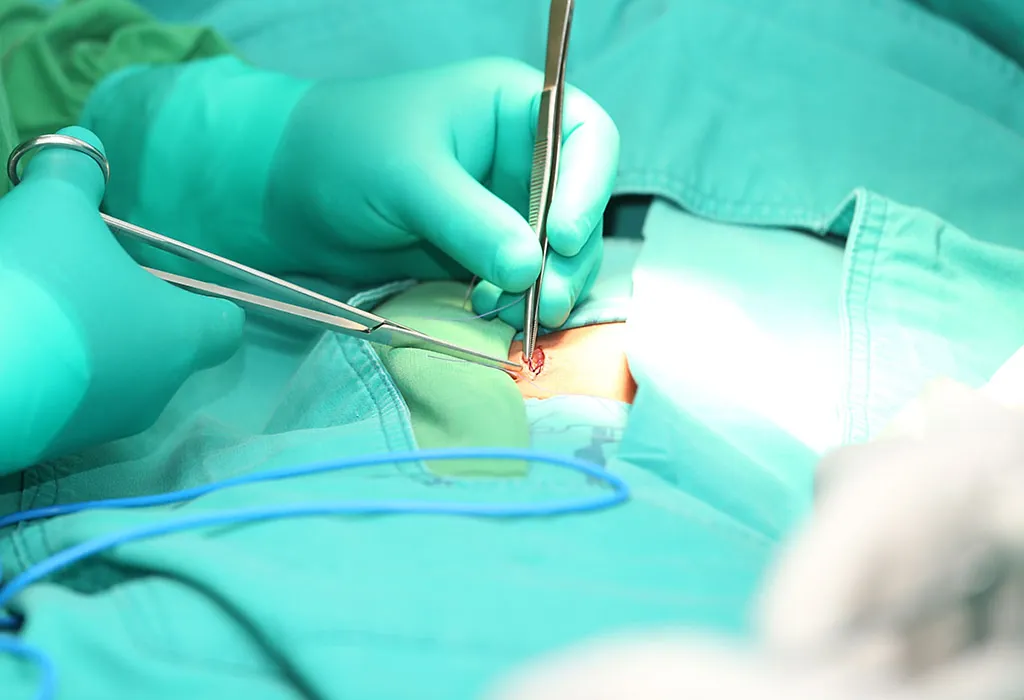
Treatment methods include the use of hernia support bands to stop its growth, avoiding lifting heavy weights and taking copious amounts of rest. However, surgery is truly the only effective way to fix a hernia. Generally, surgeries are recommended for at least three months the baby is born, allowing you to recuperate. Surgical procedures to remove hernias include laparoscopy, which involves the creation of small incisions and the introduction of a camera. This avoids the need for an invasive technique (11). Generally, hernias are fixed using a mesh-like material which is stitched around the area, strengthening the muscles.
Can Hernia Be Prevented?
Hernia prevention is not really easy, as it can occur at any time for a host of reasons. The great thing is the being pregnant does not worsen the hernia itself. Ensuring you are well supported in the hernia region, especially when laughing, coughing or sneezing can reduce any pain or soreness. This can be as simple as supporting your hernia with your hand when performing any of the activities mentioned above.
When Should You Be Concerned?
Hernias are not dangerous during your pregnancy in most cases, but it is important to have them repaired after you give birth, especially if you want to have another baby. Hernia surgery while pregnant is also suggested in rare cases if the pain is too much. However, this procedure is fraught with risks, increasing the likelihood of miscarriages, premature delivery and so on. Your doctor will mostly recommend a second-trimester surgery as the growing baby will make the procedure tricky after this period.
FAQs
1. Can hernia harm my unborn baby?
Typically, hernias themselves do not directly harm the unborn baby. However, certain complications associated with hernias, such as incarceration or strangulation, can pose risks to both the mother and the baby.
2. Can you get hernia while giving birth?
While it is uncommon, developing a hernia while giving birth is possible. The physical strain and exertion during delivery can put pressure on abdominal muscles or surgical scars, potentially leading to hernia development.
3. Can you have a vaginal delivery with a hernia?
The feasibility of having a vaginal delivery with a hernia depends on several factors, including the hernia’s type, size, location, and overall health of the mother and baby. In some cases, vaginal delivery may be possible if the hernia does not pose significant risks or complications.
4. Can a hernia be treated without surgery during pregnancy?
Yes. If the hernia is small and does not cause significant symptoms, doctors may recommend observation, avoiding activities that worsen discomfort, and treating contributing issues such as constipation. Any supportive measures should be discussed with your doctor.
5. Will a hernia go away after pregnancy?
Some pregnancy-related abdominal wall changes may improve after delivery, but a true hernia does not always disappear on its own.
Hernias are common conditions that don’t really have a lasting impact. However, if you develop a hernia during pregnancy, you might experience a few complications, such as difficulties with labour. Please make sure you don’t overexert your body if this is the case. Ignoring a hernia is never a good idea. It is absolutely essential to get the hernia repaired after pregnancy in order to avoid later complications.
Also Read:
Umbilical Hernia after Pregnancy
Cystic Fibrosis (CF) and Pregnancy
Retroverted Tilted Uterus in Pregnancy
Bacterial Vaginosis (BV) during Pregnancy
Was This Article Helpful?
Parenting is a huge responsibility, for you as a caregiver, but also for us as a parenting content platform. We understand that and take our responsibility of creating credible content seriously. FirstCry Parenting articles are written and published only after extensive research using factually sound references to deliver quality content that is accurate, validated by experts, and completely reliable. To understand how we go about creating content that is credible, read our editorial policy here.
1. PubMed – Primary ventral or groin hernia in pregnancy: a cohort study of 20,714 women
3. Cleveland Clinic – Umbilical Hernia
4. Cleveland Clinic – Inguinal Hernia (Groin Hernia)
5. Healthdirect – Paraumbilical and umbilical hernia repair
6. National Library of Medicine – Diaphragmatic Hernia
7. National Library of Medicine – Obturator Hernia
9. UChicago Medicine – Hernias Explained: Symptoms, Causes and When You Need Surgery
- Author
- Expert Reviewer


Related Articles
-
Upper Stomach Pain During Pregnancy - Causes and When to Worry
-
10 Effective Pregnancy Exercises for Normal Delivery
-
What Pain Reliever Are Safe During Pregnancy & What to Avoid
-
Urinary Incontinence (Urine Leakage) in Pregnancy
-

Collagen Powder During Pregnancy - Is It Safe?
-

Second Hand Smoking in Pregnancy - Risks & Tips to Stay Safe