

Headaches During Pregnancy – Symptoms, Causes, & Treatment
Find simple tips to relieve headaches during pregnancy, learn the common causes, and know when to seek medical advice.




In this Article
- Can Headaches Be a Sign of Pregnancy?
- Symptoms of Headaches While Pregnant
- Causes of Headaches When Pregnant
- Types of Headaches During Pregnancy
- Treatment for Headaches During Pregnancy
- How to Prevent Pregnancy Headaches?
- When to Consult the Doctor
- FAQs
View More
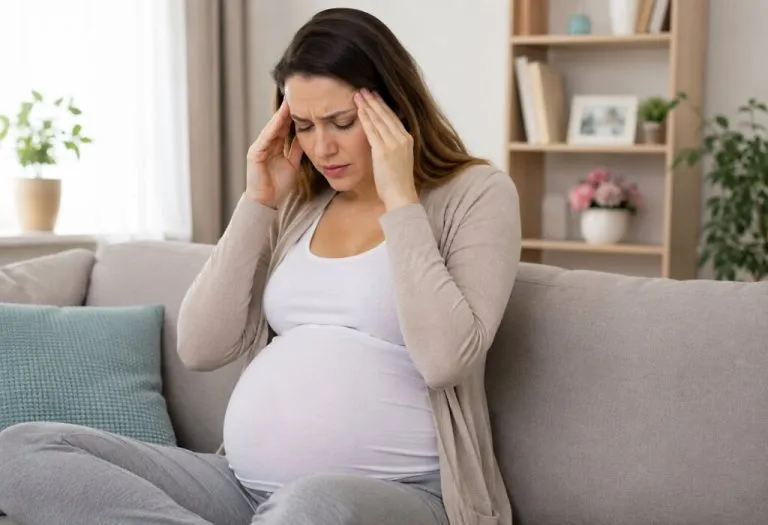
Headaches during pregnancy are common, but that doesn’t make them any less frustrating. In most cases, they happen because of normal pregnancy changes like hormonal shifts, dehydration, hunger, stress, or not getting enough sleep. However, there are times when a headache could be a sign of a more serious health problem that shouldn’t be ignored. So, how can you tell the difference? Keep reading to find out.
In this article, we’ll walk you through the most common causes of head pain during pregnancy, safe and effective remedies to ease the discomfort, and the warning signs that mean it’s time to contact your doctor.
Can Headaches Be a Sign of Pregnancy?
Headaches can be an early sign of pregnancy for some women. During the first trimester, rising hormone levels and increased blood flow can trigger headaches even before other pregnancy symptoms appear (1). However, headaches alone are not a reliable indicator of pregnancy, as they can also result from dehydration, stress, lack of sleep, or other everyday causes.

Symptoms of Headaches While Pregnant
While the intensity and type of pain can vary, there are a few common signs that many pregnant women experience (2) (3).
- A dull, aching pain or a throbbing sensation on one or both sides of the head.
- Tightness or pressure around the forehead, temples, or back of the head.
- Sensitivity to light, loud sounds, or strong smells.
- Pain that becomes worse with physical activity or movement.
- Nausea, dizziness, or blurred vision, especially with severe or persistent headaches.
Causes of Headaches When Pregnant
Not all pregnancy headaches happen for the same reason. The causes can change as your pregnancy progresses. Here are the most common reasons by trimester.
In the First Trimester
During the first trimester, your body goes through several changes that can trigger headaches. Common causes of headaches during pregnancy first trimester include (4):
- Hormonal changes: Pregnancy hormones, especially estrogen, rise rapidly during the first few weeks. These sudden hormonal shifts can make you more prone to headaches (3).
- Dehydration: Morning sickness, vomiting, or simply not drinking enough water can leave you dehydrated, which is a common headache trigger.
- Low blood sugar: If nausea makes it difficult to eat regularly or you skip meals, your blood sugar may drop, leading to headaches, dizziness, and weakness.
- Fatigue: Your body is working hard to support your growing baby, so it’s normal to feel exhausted. Lack of rest can often lead to tension headaches.
- Caffeine withdrawal: If you’ve suddenly cut down on coffee or tea after finding out you’re pregnant, your body may react with temporary withdrawal headaches (3).
- Stress and anxiety: Adjusting to pregnancy, along with physical and emotional changes, can increase stress levels and contribute to tension headaches.
In the Second and Third Trimester
While hormonal changes become less intense, other pregnancy-related factors can cause headache during pregnancy second & third trimester. These include:
- Poor posture: Your changing centre of gravity can strain your neck, shoulders, and upper back, leading to tension headaches.
- Muscle strain: Tight muscles in the neck and shoulders are common in later pregnancy and can trigger head pain.
- Poor sleep: A growing belly, frequent bathroom trips, and discomfort can make it harder to get quality sleep, which may lead to headaches.
- Dietary changes: Skipping meals, eating irregularly, or not getting enough nutrients can sometimes trigger headaches.
- High blood pressure: A severe or persistent headache, especially after 20 weeks of pregnancy, can be a warning sign of high blood pressure or preeclampsia and should be evaluated by a doctor (5).
- Gestational diabetes: Changes in blood sugar levels associated with gestational diabetes may also contribute to headaches in some pregnant women (6).
Types of Headaches During Pregnancy
Not sure what kind of headache you’re dealing with? Here are the two most common types of headache related to pregnancy and what they typically feel like.
1. Tension Headache
A tension headache is the most common type of headache during pregnancy, especially in the first trimester. It is usually caused by stress, fatigue, dehydration, poor posture, or lack of sleep. A tension headache can feel like (7):
- A dull, constant ache on both sides of the head.
- A tight band or pressure around the forehead.
- Pain that starts at the back of the head or neck and spreads forward.
- Mild to moderate pain that doesn’t worsen with physical activity.
2. Migraine Headache
A migraine is a horrible headache that may occur during pregnancy, particularly in women with a history of migraines. It can last for several hours or even days and is often accompanied by other symptoms such as nausea or sensitivity to light and sound (4). A migraine can feel like (8):
- Throbbing or pulsating pain, usually on one side of the head.
- Moderate to severe pain that may worsen with movement.
- Nausea or vomiting.
- Sensitivity to bright lights, loud noises, or strong smells.
- In some cases, visual disturbances (known as an aura) before the headache begins.
Treatment for Headaches During Pregnancy

Dealing with a constant headache is never pleasant, especially when you’re pregnant and unsure what’s safe to do. Thankfully, most pregnancy headaches can be managed with simple, pregnancy-safe measures. Here are some remedies that can help (9):
- Stay hydrated: Drink plenty of water throughout the day, as dehydration is a common headache trigger during pregnancy.
- Get enough rest: Aim for adequate sleep and take short breaks if fatigue is contributing to your headaches.
- Eat regular, balanced meals: Skipping meals can lower blood sugar levels and trigger headaches.
- Apply a cold or warm compress: A cold compress can help with migraines, while a warm compress can ease tension headaches.
- Practice relaxation techniques: Deep breathing, prenatal yoga, meditation, or gentle stretching can help reduce stress-related headaches.
- Limit headache triggers: Identify and avoid triggers such as strong odours, bright lights, or certain foods if they worsen your symptoms.
- Take pregnancy-safe pain relief if advised: Your doctor may recommend acetaminophen (paracetamol) when appropriate. Avoid taking medications without medical advice (10).
How to Prevent Pregnancy Headaches?

While headaches cannot always be avoided during pregnancy, a few healthy habits can lower how often they happen. Here are some simple ways to help prevent head pain while pregnant (11):
- Drink plenty of water throughout the day to stay hydrated.
- Eat small, balanced meals at regular intervals to avoid dips in blood sugar.
- Get enough sleep and stick to a consistent bedtime whenever possible.
- Manage stress with activities like deep breathing, meditation, or prenatal yoga.
- Gentle activities like walking or prenatal yoga can improve blood circulation, reduce stress, and help prevent headaches. Always check with your doctor before starting a new exercise routine.
- Limit your intake of caffeine and avoid stopping it suddenly unless advised by your doctor.
When to Consult the Doctor
Most headaches during pregnancy are harmless, but some can be a sign of an underlying condition. Contact your doctor if you notice any of the following (4) (10):
- A sudden, severe headache that comes on without warning.
- A headache that does not improve with rest, hydration, or doctor-approved medication.
- Frequent or worsening headaches that keep coming back.
- A headache accompanied by blurred vision, flashing lights, or other vision changes.
- Severe headache along with swelling of the face, hands, or feet, especially after 20 weeks of pregnancy.
- A headache with high blood pressure, dizziness, or confusion.
- A headache accompanied by fever, a stiff neck, or persistent vomiting.
- A headache after a fall, injury, or any trauma to the head.
FAQs
1. Can pregnancy cause migraines even if I’ve never had them before?
Yes, although it’s less common. Some women experience migraines for the first time during pregnancy due to hormonal changes, while others may notice their existing migraines become less frequent or more severe.
2. Which trimester are extreme headache most common in?
Headaches are most common during the first trimester because of rapid hormonal changes and increased blood volume. However, they can also occur in the second and third trimesters due to poor sleep, muscle strain, or high blood pressure.
3. Can I drink coffee to relieve a heavy headache during pregnancy?
A small amount of caffeine may help relieve some headaches, but too much caffeine is not recommended during pregnancy. Speak with your doctor about how much caffeine is safe for you based on your individual health and pregnancy.
Headaches may not be the most talked-about pregnancy symptom, but they’re something many expecting mothers experience. While headaches and pregnancy often go hand in hand, every woman’s experience is different. Rather than comparing your symptoms with someone else’s, pay attention to what your body is telling you and seek medical advice whenever something doesn’t feel right.
Also Read:
Pregnancy Brain
Neck Pain in Pregnancy
Body Changes during Pregnancy
Home Remedies for Headache in Pregnancy
Was This Article Helpful?
Parenting is a huge responsibility, for you as a caregiver, but also for us as a parenting content platform. We understand that and take our responsibility of creating credible content seriously. FirstCry Parenting articles are written and published only after extensive research using factually sound references to deliver quality content that is accurate, validated by experts, and completely reliable. To understand how we go about creating content that is credible, read our editorial policy here.
1. Johns Hopkins Medicine – 10 Early Signs of Pregnancy
2. Johns Hopkins Medicine – Headache
3. American College of Obstetricians & Gynecologists – Headaches and Pregnancy
4. Johns Hopkins Medicine – Headaches in Early Pregnancy
5. Cleveland Clinic – Preeclampsia
6. Cleveland Clinic – Gestational Diabetes
7. Cleveland Clinic – Tension Headaches
8. The Migraine Trust – Migraine in pregnancy
9. Mayo Clinic – Headaches during pregnancy: What’s the best treatment?
- Author