
Vitamin D in Pregnancy – Requirement, Food Sources & Supplements
Check the daily requirement, benefits, and food sources of vitamin D during pregnancy to support maternal and baby health.




After getting pregnant, have you noticed that you are reading or hearing more and more about taking vitamin D in pregnancy? Among the many vitamins and minerals that matter during these nine months, vitamin D in pregnancy holds a special place. It plays a powerful role in keeping both you and your baby healthy from the very first trimester all the way through delivery. Despite its importance, vitamin D deficiency remains one of the most common nutritional deficiencies among pregnant women worldwide.
Whether you are planning a baby or are newly pregnant, understanding the relationship between vitamin D and pregnancy, from how much vitamin D you need, when can you take vitamin D while pregnant, to whether a vitamin D supplement in pregnancy can benefit you.
Why Do Pregnant Women Need Vitamin D?
Calcium builds strong bones in your baby. But without enough vitamin D, your body cannot properly absorb or use that calcium. That is just the beginning of what this nutrient does during pregnancy.
Vitamin D and pregnancy are deeply connected because this vitamin supports your baby’s bone and teeth development, helps regulate cell growth and immune function, and plays a role in reducing the risk of complications for the mother. Low vitamin D in pregnancy has been linked to a higher risk of gestational diabetes, preeclampsia, preterm birth, and low birth weight babies (1).
Vitamin D also supports your own immune system during pregnancy, when your body naturally lowers certain immune responses to protect the baby. Maintaining adequate Vitamin D levels in the first trimester is crucial for healthy fetal development and reducing risks of preeclampsia, gestational diabetes, and preterm birth
Getting enough of it helps you stay better protected against infections and illness throughout this sensitive time.

How Much Vitamin D Is Recommended During Pregnancy?
The Recommended Dietary Allowance (RDA) set by the National Institutes of Health (NIH) as the recommended dosage of vitamin D in pregnancy is 600 IU (International Units) per day (2). However, some research and specialist bodies suggest that many pregnant women may need higher amounts between 1,500 and 2,000 IU daily, especially those who are deficient or live in regions with limited sunlight.
The UK’s National Health Service (NHS) recommends that pregnant and breastfeeding women take a daily supplement containing 10 micrograms (400 IU) of vitamin D, particularly during autumn and winter months when sunlight exposure is reduced across the United Kingdom (3). This is in addition to any vitamin D obtained through diet.
According to the ACOG, the safe upper limit for vitamin D during pregnancy or lactation is generally accepted at 4,000 international units (IU) per day (4). Exceeding this without medical guidance is not advised, as too much vitamin D can cause toxicity. Always speak with your healthcare provider to find the right amount for your individual needs, especially since blood levels can vary widely from person to person.
Factors That May Cause Vitamin D Deficiency While Pregnant
Vitamin D deficiency during pregnancy is more common than most people realise. Several factors can put a pregnant woman at higher risk of being deficient, which are:
1. Limited Sun Exposure
Our skin produces vitamin D when exposed to UVB rays from sunlight. If you live in a country with long winters, wear full-coverage clothing, spend most of your time indoors, or consistently use high-SPF sunscreen, your skin may not be making enough vitamin D (5). Hence, limited sun exposure is one of the most common reasons for deficiency in pregnant women globally.
2. Darker Skin Tone
Melanin, the pigment that gives skin its darker colour, naturally reduces the skin’s ability to produce vitamin D from sunlight. Thus, women with darker skin tones need significantly more sun exposure to produce the same amount of vitamin D compared to those with lighter skin. This makes vitamin D deficiency particularly prevalent among South Asian, African, and Middle Eastern women during pregnancy.
3. Obesity
Body fat absorbs and stores vitamin D, which means it becomes less available in the bloodstream. Women with a higher BMI before pregnancy often have lower circulating vitamin D levels, and this can worsen during pregnancy as the body’s demand for the vitamin increases. Studies have consistently shown that obesity is a significant independent risk factor for vitamin D deficiency in expectant mothers.
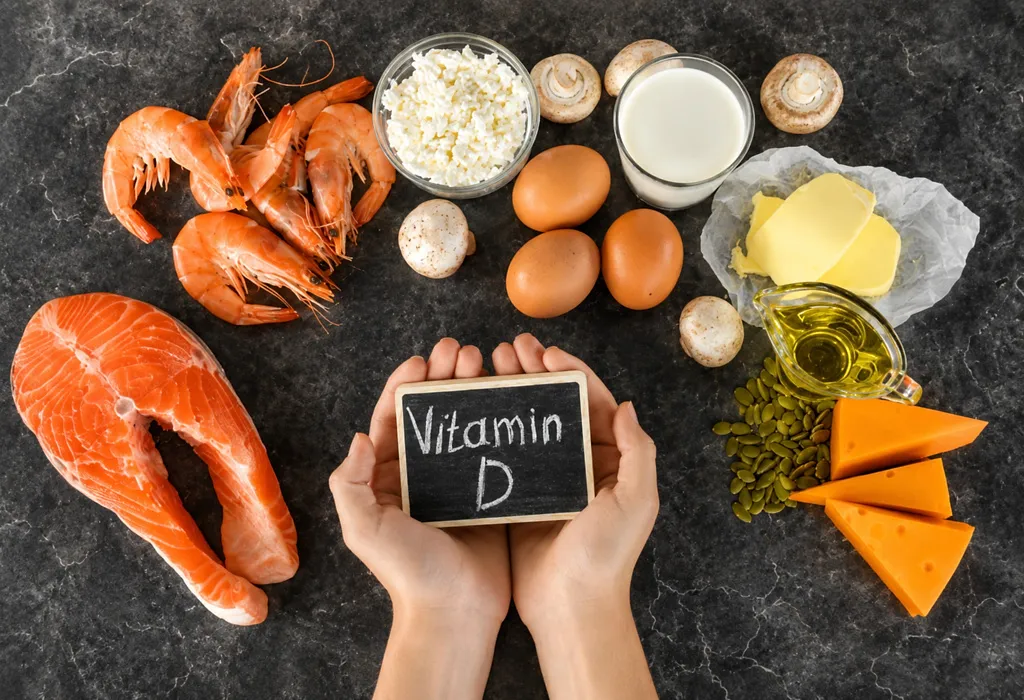
Best Food Source of Vitamin D During Pregnancy
While sunlight is the primary and easiest source of making vitamin D, diet also plays a significant role. The following are vitamin D-rich foods that can help pregnant women maintain the nutrient levels during their delicate phase (6):
- Fatty Fish (Salmon, Mackerel, Sardines, Trout): These are among the richest natural food sources of vitamin D available. A 3-ounce serving of cooked salmon can provide around 570-700 IU of vitamin D. Eating fatty fish 2–3 times per week is a practical and tasty way to boost your intake. Choose low-mercury options like salmon, sardines, and trout during pregnancy.
- Egg Yolks: Eggs are a convenient and versatile source of vitamin D, with most of it found in the yolk. It is also rich in choline, which is important for your baby’s brain development. One large egg yolk provides around 37-44 IU of vitamin D.
- Fortified Cow’s Milk and Plant-Based Milks: Most commercially sold milk, whether dairy or plant-based alternatives like soy, almond, or oat milk, is fortified with vitamin D.
- Fortified Orange Juice: If you don’t consume dairy, fortified orange juice can be an excellent alternative. A cup of fortified OJ provides roughly 100 IU of vitamin D.
- Fortified Cereals: Many breakfast cereals are fortified with vitamin D, typically providing 40-100 IU per serving. Pairing a fortified cereal with fortified milk at breakfast is a simple way to start your day with a meaningful vitamin D contribution.
- Mushrooms (UV-Exposed): Mushrooms are one of the few plant-based sources of vitamin D. When exposed to UV light (either naturally or artificially), they can produce meaningful amounts of vitamin D2.
- Cod Liver Oil: This is one of the most concentrated sources of vitamin D, providing over 1,300 IU per tablespoon. However, it is also very high in vitamin A (retinol), which in excessive amounts can be harmful during pregnancy. If you are considering cod liver oil as a supplement, speak with your doctor first.
Do You Need to Take Vitamin D Supplements When Pregnant?
This is one of the most common questions pregnant women ask their doctors, and the short answer for most women is: yes, a supplement is a good idea, only in certain cases. Getting enough vitamin D through food alone is genuinely difficult. Even women who eat very well often fall short of the recommended levels, particularly during pregnancy when demand for this nutrient rises.
Pregnancy and vitamin D supplements go hand in hand for several practical reasons. Prenatal vitamins and vitamin D supplements are usually recommended because most prenatal multivitamins already contain some vitamin D, but the amount varies by brand, typically between 400 and 1,000 IU. Checking the label of your prenatal vitamin will give you a clearer picture of how much you are already getting.
You are more likely to need an additional vitamin D supplement if you have limited sun exposure, have a darker skin tone, follow a vegan or dairy-free diet, are carrying twins or multiples, have a high BMI, have been previously diagnosed with vitamin D deficiency, or live at a high latitude (7). A simple blood test (25-hydroxyvitamin D test) can tell your doctor exactly where your levels stand, making it easy to personalise your supplementation plan (8).
It is worth noting that while vitamin D3 (cholecalciferol) is generally considered more effective at raising blood levels than vitamin D2 (ergocalciferol), both forms are available in pregnancy supplements. Most healthcare providers recommend vitamin D3 for this reason. Always take the dose your doctor recommends because taking very high doses without supervision carries health risks.
FAQs
1. What happens if I don’t get enough vitamin D during pregnancy?
If vitamin D levels stay too low throughout pregnancy, it can affect both the mother and the baby in several ways. Low vitamin D in the mother has been associated with a higher risk of gestational diabetes, preeclampsia, and an increased likelihood of caesarean delivery. It can also leave her more vulnerable to infections. For babies, this nutrient’s deficiency could lead to softer bones (a condition called neonatal rickets), lower birth weight, and poor immune development.
2. Can I get enough vitamin D from sunlight alone during pregnancy?
In theory, yes – skin can produce all the vitamin D your body needs with adequate sunlight exposure. But for that you need to spend around 10–30 minutes in midday sun several times a week, with arms and legs exposed. However, many pregnant women cannot rely solely on sunlight. Factors such as living in cooler or cloudier climates, working indoors, using sunscreen, or having darker skin can significantly reduce how much vitamin D your skin can make solely through sunlight. So, it is best not to rely on sunlight alone for vitamin D during pregnancy.
3. Is it safe to take vitamin D supplements throughout all three trimesters?
Yes, vitamin D supplementation is considered safe throughout all three trimesters when taken within the recommended dose range. Always confirm your vitamin D dose in pregnancy with your midwife or obstetrician, especially if you are already taking a prenatal vitamin that contains vitamin D.
Also Read:
Vitamin C in Pregnancy
Taking Vitamin E during Pregnancy
Vitamin Intake during Pregnancy
Vitamin A during Pregnancy
Was This Article Helpful?
Parenting is a huge responsibility, for you as a caregiver, but also for us as a parenting content platform. We understand that and take our responsibility of creating credible content seriously. FirstCry Parenting articles are written and published only after extensive research using factually sound references to deliver quality content that is accurate, validated by experts, and completely reliable. To understand how we go about creating content that is credible, read our editorial policy here.
1. American Pregnancy Association – Vitamin D and Pregnancy
2. National Institutes of Health – Vitamin D
3. NHS – Vitamins, supplements and nutrition in pregnancy
4. ACOG – Vitamin D: Screening and Supplementation During Pregnancy
5. Tommy’s – Vitamin D in pregnancy
6. British Heart Foundation – Which foods are high in vitamin D?
7. HealthDirect – Vitamin D deficiency
8. Government of Western Australia – Vitamin D for pregnant women and new mothers
- Author


Related Articles
-

Ketones in the Urine During Pregnancy - Causes, Treatment, and Prevention
-
Baby Positions in the Womb and How to Tell them
-
Anaemia in Pregnancy - Causes, Symptoms, and Treatment
-
Henna in Pregnancy - Is It Safe to Use?
-
10 Colorful Rainbow Baby Announcement Ideas
-
Rh Factor and Antibody Screening Test in Pregnancy