
15+ Drawing Games for Kids to Boost Creativity and Imagination
Fun drawing games for kids that boost creativity and imagination while encouraging playful learning and artistic expression at home.




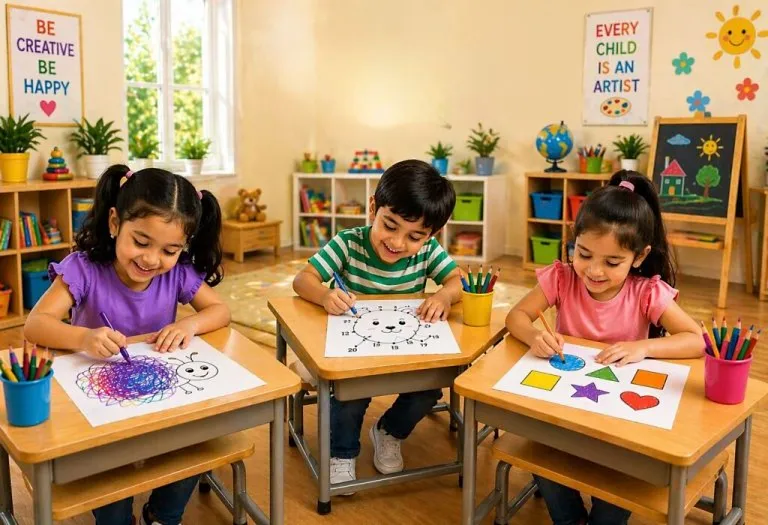
Image Source: AI-Generated Image
Do you know why drawing games for kids are so powerful and encouraged across nations? It’s the magic of creative play. If you’ve ever handed a child a blank sheet of paper and a few crayons, you already know how quickly imagination can take over. A simple scribble becomes a dinosaur, a rainbow, or even an entire story. Drawing games don’t just keep children entertained; they help build confidence, improve focus, and spark original thinking in ways that structured activities often can’t.
As a parent or caregiver, you might notice how kids light up when they’re allowed to create freely. Drawing games take that natural curiosity and give it direction without making it feel like a lesson. Whether your child loves doodling quietly or enjoys playful challenges with friends, these activities can turn everyday moments into meaningful learning experiences.
Why Kids Should Play Drawing Games
Children are naturally curious and creative, and they learn best when they are allowed to explore freely. Drawing gives them a quiet space to think, imagine, and express without pressure. When this simple activity turns into a playful game, it becomes even more engaging and meaningful. It is not about creating perfect art but about giving kids the freedom to enjoy the process and discover their own ideas.
- Builds imagination and creative thinking: Kids learn to turn simple ideas into something unique and meaningful.
- Improves focus and patience: Sitting with a drawing helps children slow down and pay attention to details.
- Supports emotional expression: Drawing often becomes a safe way for kids to share feelings they cannot explain in words.
- Strengthens problem-solving skills: Children figure out how to turn shapes and lines into complete pictures.
- Boosts confidence: Completing even a small drawing gives a sense of pride and achievement.
- Encourages independent thinking: Kids make their own choices without needing constant guidance.
- Helps with fine motor skills: Holding crayons and drawing shapes improves hand control and coordination.
Drawing Games for Preschoolers
Preschoolers see the world with wonder, and their drawings often reflect that simple joy. At this age, they do not worry about getting things right; they just enjoy making marks and watching ideas appear. With a little guidance, these drawing games for toddlers can turn everyday moments into something creative and meaningful.
1. Scribble to Picture
Young children love to scribble freely, and this game turns those random lines into something special. You can ask them what their scribble looks like or gently suggest ideas to spark their thinking. Over time, they begin to see shapes and patterns in their own work, which builds confidence.
Steps to Play
- Let your child scribble freely on paper.
- Ask them what the scribble could become.
- Help them add small details to turn it into a picture.
Why Kids Love It
There is no right or wrong, so kids feel relaxed and proud of whatever they create.
2. Dot to Dot Drawing
This game introduces a simple structure without taking away the fun. By connecting dots, children slowly discover a picture forming, which feels exciting and rewarding. It also helps them understand order and sequence in a playful way.
Steps to Play
- Draw a few dots on paper in a simple shape.
- Ask your child to join the dots.
- Let them colour or decorate the final picture.
Why Kids Love It
They enjoy the surprise of seeing a hidden image appear as they connect each dot.
3. Colour the Shape Game
This is perfect for toddlers who are still learning shapes and colours. You draw basic shapes and let them fill each one with different colours. It is simple but very engaging for young minds.
Steps to Play
- Draw circles, squares, and triangles on paper.
- Ask your child to colour each shape differently.
- Encourage them to name the colours and shapes.
Why Kids Love It
They feel happy recognising shapes and using bright colours freely.
4. Finger Drawing Fun
Sometimes tools are not needed at all. Finger drawing allows kids to explore textures and movement in a very natural way. It can be messy, but it is also one of the most enjoyable sensory experiences.
Steps to Play
- Give your child safe, washable paints.
- Let them use their fingers to draw on paper.
- Encourage them to create patterns or simple pictures.
Why Kids Love It
They enjoy the freedom of using their hands and feeling the paint as they create.
5. Copy My Drawing
In this gentle game, you draw something simple and ask your child to copy it. It could be a smiley face a sun or a small house. The goal is not perfection but trying and learning.
Steps to Play
- Draw a very simple picture.
- Ask your child to draw the same thing.
- Appreciate their effort and unique version.
Why Kids Love It
They feel proud when they can recreate something on their own.
6. What Is This Shape
Draw a simple shape and ask your child what it could be. A circle might become a ball or a face or even the sun. This helps them think beyond what they see.
Steps to Play
- Draw one simple shape on paper.
- Ask your child to turn it into something.
- Let them add details to complete the idea.
Why Kids Love It
They enjoy turning simple shapes into fun and surprising pictures.
7. Sticker and Draw
This game combines stickers with drawing, which makes it extra exciting. Kids can place a sticker and then build a story or picture around it.
Steps to Play
- Give your child a few stickers.
- Ask them to stick them on paper.
- Encourage them to draw around the stickers.
Why Kids Love It
Stickers add fun and make drawing feel like a creative game.
8. Draw the Sound
Play a sound like rain or music and ask your child to draw what they feel. They may use lines, dots, or colours to express it. This builds a connection between sound and imagination.
Steps to Play
- Play a simple sound or music.
- Ask your child to draw what they hear.
-
Talk about their drawing in a gentle way.
Why Kids Love It
They enjoy expressing feelings in a new and playful way.
9. Big Paper Drawing
Give your child a large sheet of paper and let them draw freely. The bigger space allows them to move their hands more and feel less restricted.
Steps to Play
- Tape a big sheet of paper on the floor or wall.
- Let your child draw anything they like.
- Encourage large movements and bold lines.
Why Kids Love It
They feel free and excited working in a big space without limits.
Drawing Games for Kids
As children grow, they start looking for activities that feel a little more exciting and challenging. Drawing becomes more than just scribbles; it turns into ideas, stories, and playful experiments. That is where easy drawing games and drawing games for kids on paper can make a real difference by keeping things fun while gently building skills. These games give kids a chance to think, create, and enjoy their own imagination without feeling pressured.
1. Draw and Pass
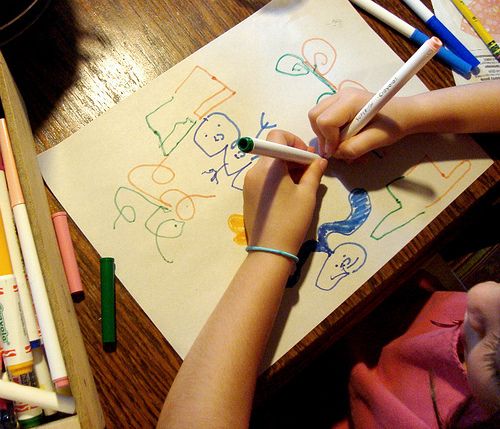
Image Credit: Pinterest
This game turns drawing into a shared experience where each child adds something new. The final picture often becomes funny and unexpected, which keeps everyone engaged. It also teaches kids to accept and build on each other’s ideas.
Steps to Play
- Start with one child drawing a simple shape or object.
- Pass the paper to the next person.
- Let each child add something to the drawing.
- Continue until the drawing feels complete.
Why Kids Love It
They enjoy seeing how a simple idea changes with everyone’s input.
2. One Line Drawing
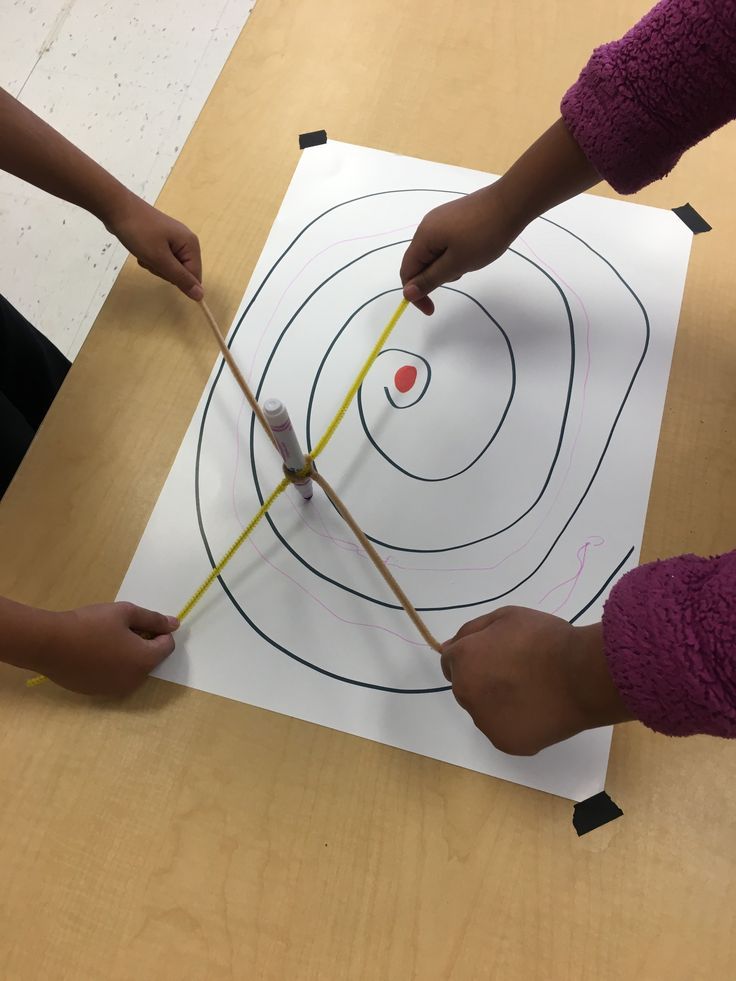
Image Credit: Pinterest
In this game, kids try to draw a full picture without lifting their pencil. It sounds simple, but it quickly becomes a fun challenge. It helps them think ahead and plan their strokes.
Steps to Play
- Ask your child to pick a simple object.
- Tell them to draw it without lifting the pencil.
- Let them try again with different objects.
Why Kids Love It
They like the challenge and often laugh at the funny results.
3. Mirror Drawing
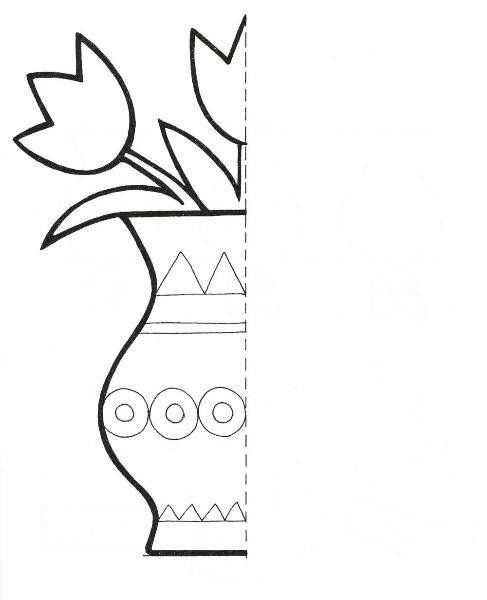
Image Credit: Pinterest
This game is great for focus and coordination. Kids draw one half of a picture and then try to copy it on the other side. It helps them understand balance and symmetry.
Steps to Play
- Draw half of a simple image on paper.
- Ask your child to complete the other half.
- Compare both sides together.
Why Kids Love It
They feel proud when both sides start to look the same.
4. Draw the Opposite
In this game, kids draw the opposite of what you say. If you say day, they draw night; if you say big, they draw small. It pushes them to think in new ways.
Steps to Play
- Say a simple word or idea
- Ask your child to draw its opposite
- Talk about their drawing together
Why Kids Love It
They enjoy thinking differently and coming up with clever ideas.
5. Time Challenge Drawing
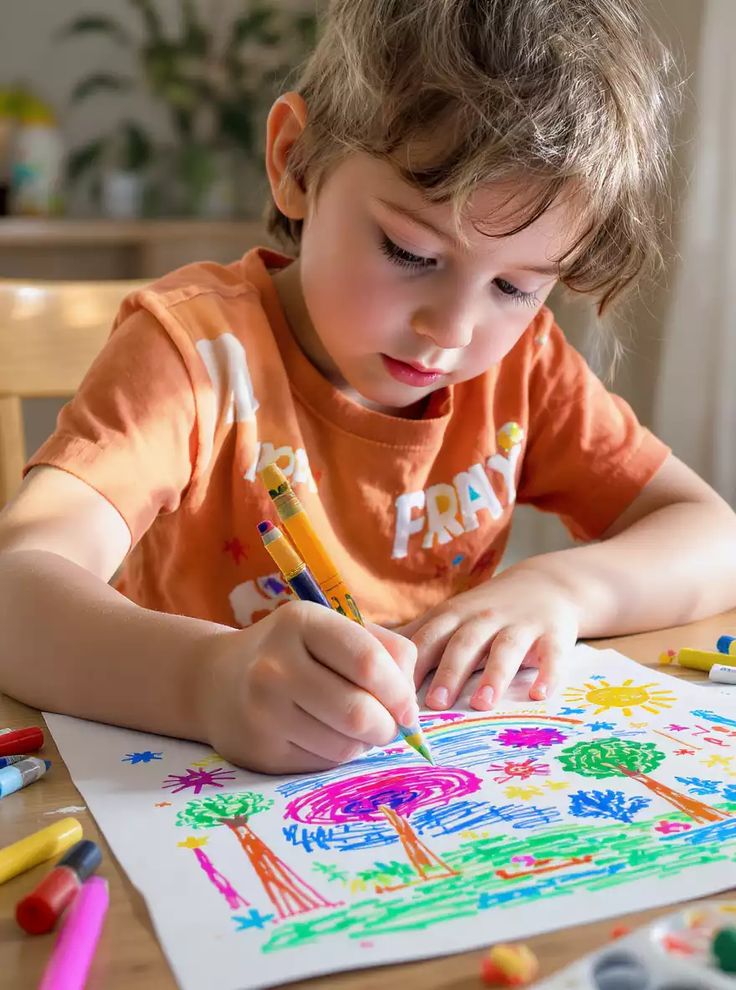
Image Credit: Pinterest
This game adds a little excitement by using a timer. Kids try to complete a drawing within a short time which keeps the energy high. It also helps them make quick decisions.
Steps to Play
- Give your child a simple drawing idea.
- Set a timer for one or two minutes.
- Ask them to finish before time runs out.
Why Kids Love It
The countdown makes it exciting and a little competitive in a fun way.
6. Draw Your Day
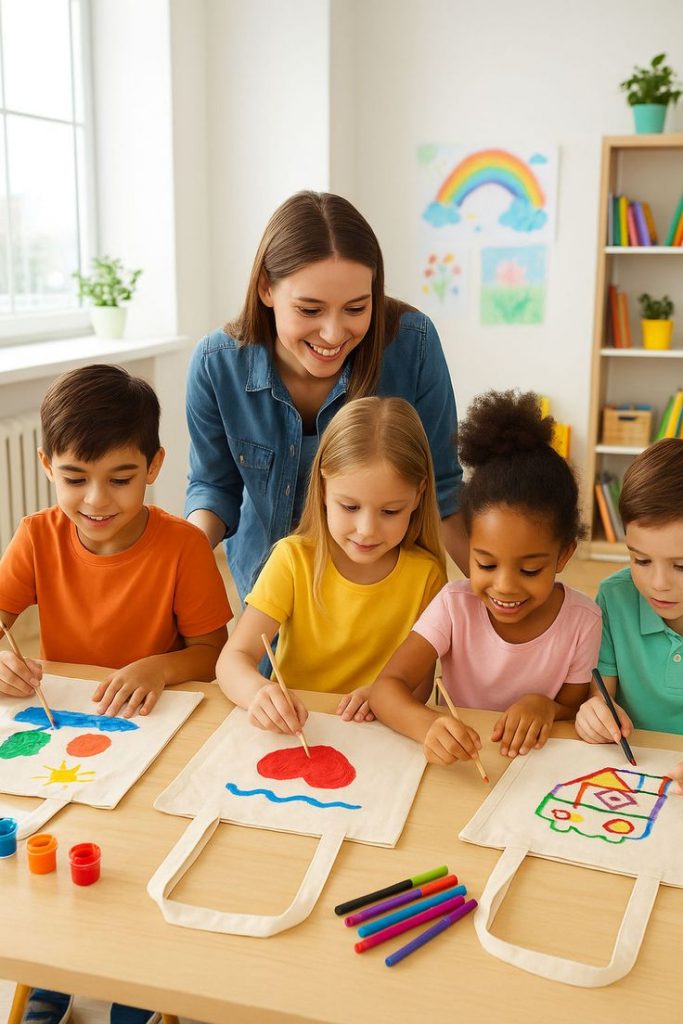
Image Credit: Pinterest
This is a calm and thoughtful activity where kids draw something from their day. It could be a moment they enjoyed or something that made them laugh. It helps them reflect and express.
Steps to Play
- Ask your child to think about their day.
- Let them choose one moment to draw.
- Talk about the drawing gently.
Why Kids Love It
They feel heard and enjoy sharing their experiences through art.
7. Shape Challenge
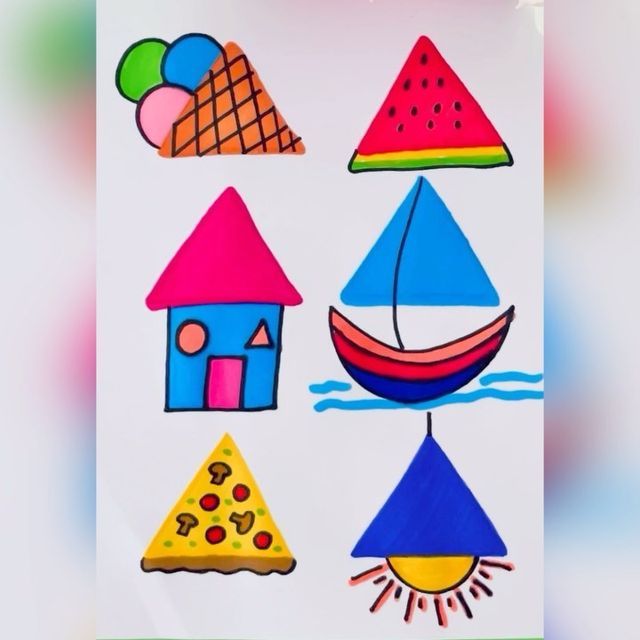
Image Credit: Pinterest
Give kids a few shapes and ask them to turn those shapes into a full picture. It encourages creative thinking and helps them see possibilities in simple forms.
Steps to Play
- Draw a few random shapes on paper.
- Ask your child to turn them into a picture.
- Let them add details and colours.
Why Kids Love It
They enjoy turning something simple into something meaningful.
8. Silly Monster Drawing
Kids love anything a little silly, and this game lets them create funny monsters. There are no rules, which makes it perfect for imagination.
Steps to Play
- Ask your child to draw a monster.
- Encourage them to add funny features.
- Let them give the monster a name.
Why Kids Love It
They can be as creative and silly as they want without limits.
9. Draw with Instructions
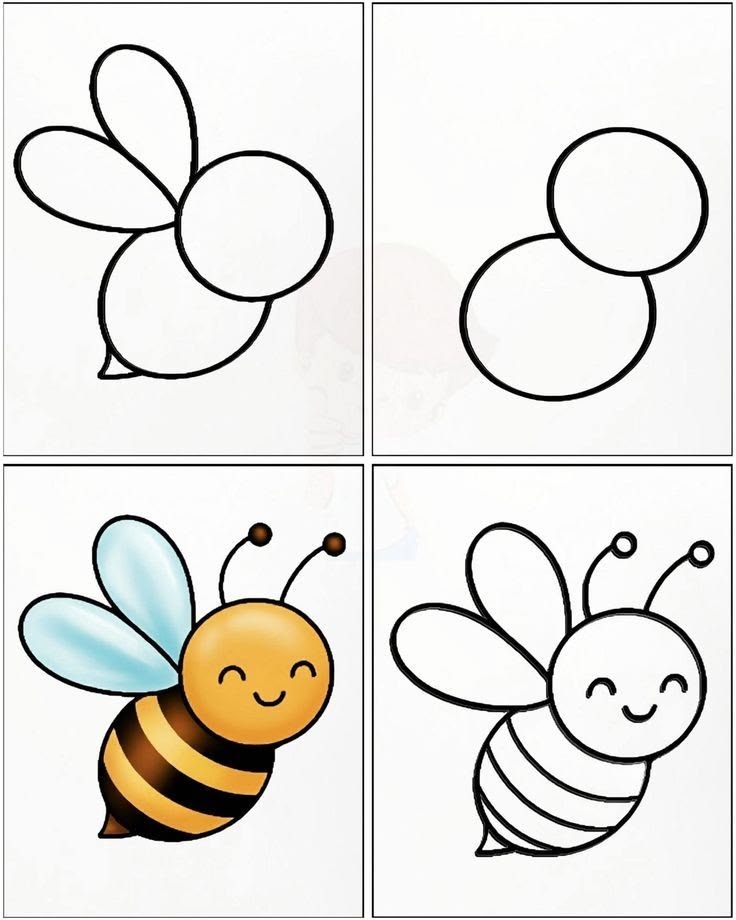
Image Credit: Pinterest
In this game, you guide your child step by step while they draw. It helps them follow directions and build confidence as they complete the picture.
Steps to Play
- Give simple step-by-step instructions.
- Ask your child to follow each step.
- Reveal the final drawing together.
Why Kids Love It
They enjoy the surprise of seeing the picture come together step by step.
10. Guess My Drawing
One child draws while the others try to guess what it is. This game is simple but always fun and full of laughter.
Steps to Play
- Ask one child to draw a simple object.
- Let others guess what it is.
- Take turns drawing and guessing.
Why Kids Love It
They enjoy the guessing and the funny drawings that come with it.
Drawing games give children a simple way to slow down and enjoy their own thoughts. They create a space where kids can explore ideas without fear of being wrong. Over time, these small playful moments help build confidence and creativity in a natural way. What matters most is not the final drawing but the joy children feel while creating it.
As adults, we often look for structured learning, but kids learn best when they feel free and curious. Sitting with them even for a few minutes can turn into a meaningful connection. You may notice that these moments stay with them longer than any formal lesson. With just paper and a little time, you can nurture imagination in a way that truly lasts.
Was This Article Helpful?
Parenting is a huge responsibility, for you as a caregiver, but also for us as a parenting content platform. We understand that and take our responsibility of creating credible content seriously. FirstCry Parenting articles are written and published only after extensive research using factually sound references to deliver quality content that is accurate, validated by experts, and completely reliable. To understand how we go about creating content that is credible, read our editorial policy here.
- Author






.svg)