
Why Do Kids Hate School: Reasons and Ways to Fix It
Understand why kids hate school and learn simple ways to reduce stress, boost interest, and make learning enjoyable.




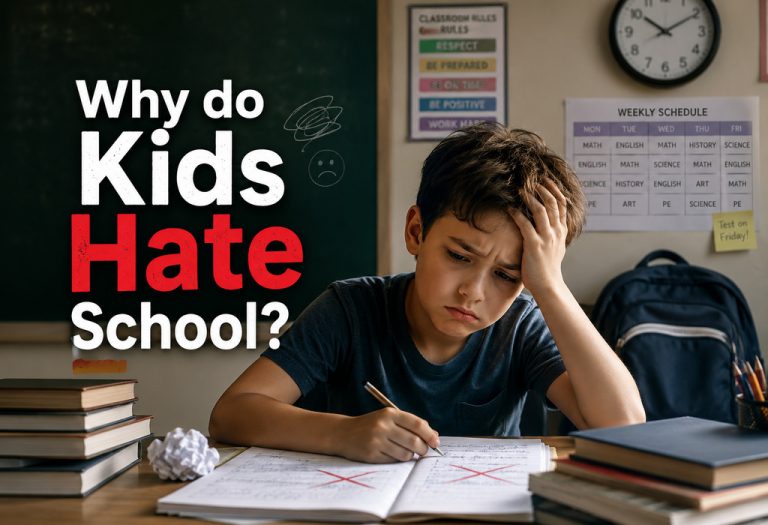
Image Source: AI-Generated Image
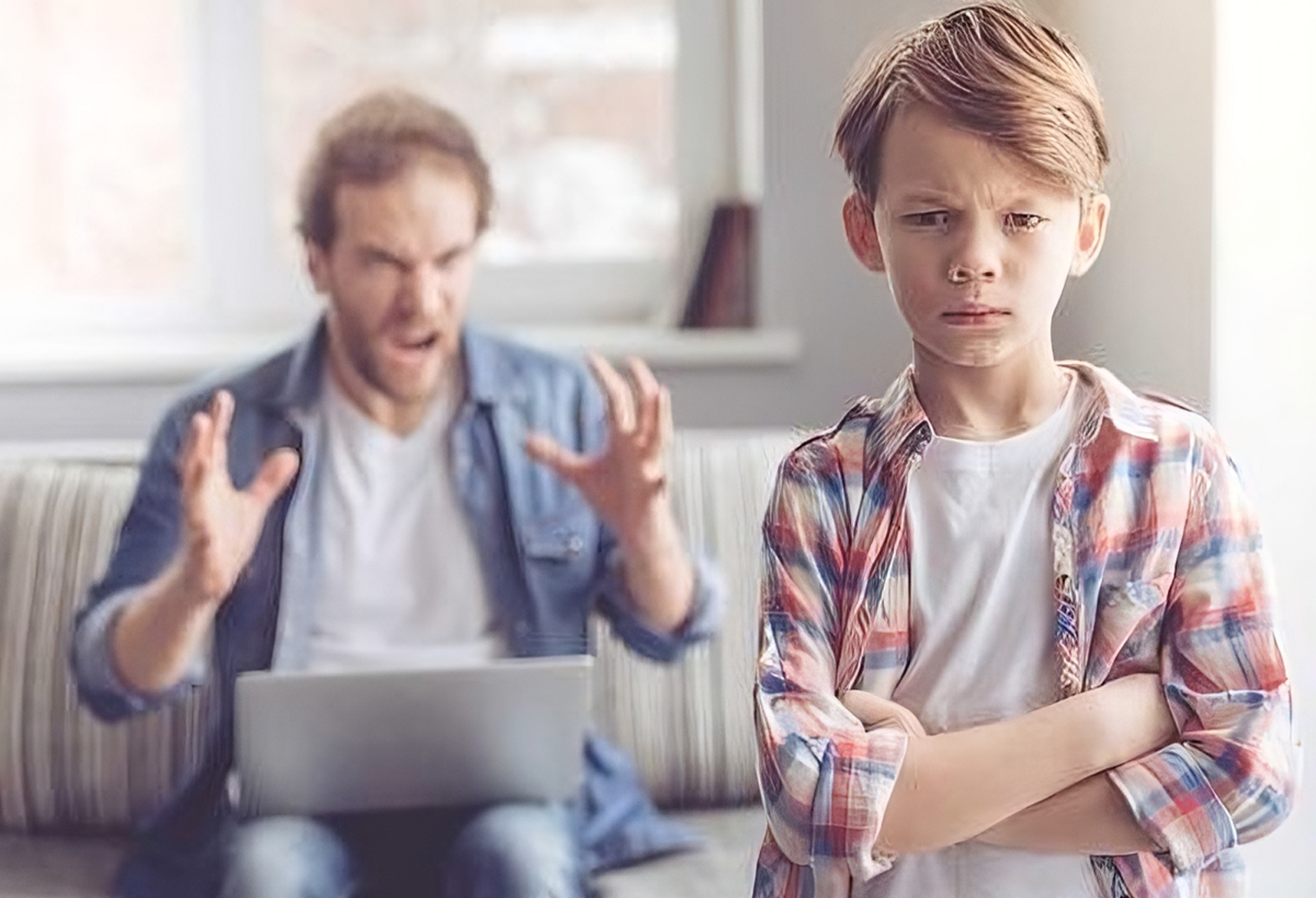
As children, we all have at least once said the famous words “I hate school,” but hearing the same from your child can be disheartening. School is where children are meant to learn, grow, and prepare for the future, yet it doesn’t always feel that way to them. The question is, why do kids hate school? Is it simply a phase, or is there something deeper happening? The learning, homework, waking up regularly, and following a routine often make children resent it. But that’s not it.
Understanding the reasons behind a child’s dislike of school is essential for both parents and educators. Children spend a significant portion of their lives in school, and when they begin to dread it, it can have long-term impacts on their academic performance, mental health, and overall well-being. Fortunately, there are ways to address and even reverse these negative feelings. By understanding the psychology behind school aversion, adults can identify the root causes and create a learning experience that feels safer, more meaningful, and emotionally supportive for children.
Why Kids Hate School?
When kids say they hate school, it’s often more than just a passing comment. It can be a sign of deeper struggles or frustrations they’re facing. Understanding some common reasons why kids hate school is important in addressing these issues, so you can implement solutions at the grassroots level. Let’s take a closer look at some of the common reasons kids hate school.
1. Lack of Engagement
Many kids feel that the lessons are boring or don’t capture their interest. If the subjects aren’t engaging or relevant to their lives, school can start to feel like a chore. This lack of connection to the material is one of the top reasons why kids hate school.
2. Pressure to Perform
From a young age, kids are often told that they need to get good grades. The pressure to perform academically can become overwhelming. This constant expectation of success can lead to stress, anxiety, and a dislike for school altogether.
3. Feeling Left Behind
When children struggle to keep up with their peers, they may feel embarrassed or discouraged. This can make school feel like a place of failure rather than growth. The fear of being left behind can make them resent their time in school.
4. Bullying and Peer Pressure
A big part of school life involves social interactions, and unfortunately, some kids face bullying or peer pressure. These negative experiences can make school feel unsafe or unwelcoming. No child should feel like they have to endure mistreatment just to fit in.
5. Lack of Individual Attention
Classroom sizes and the pace of lessons often mean kids don’t get the one-on-one time they need with their teachers. Not every child grasps concepts in the same way and at the same speed. So, when children feel left behind in learning consistently, they might start with resentment. This lack of individualised attention can leave kids feeling unheard and unsupported, especially if they need extra help.
6. Rigid Structure
School days are often packed with back-to-back lessons, little free time, and a rigid schedule. Kids who prefer more flexibility may find this routine stifling. When they don’t have enough time to relax or explore their interests, school can feel like a series of obligations.
7. Unhealthy Competition
In some schools, the focus on grades and achievements can create unhealthy competition among students. When kids constantly compare themselves to others, it can damage their self-esteem and make school feel more like a battleground than a place of learning.
8. Unclear Expectations
Some children may struggle when the rules or expectations of school aren’t clear. When they don’t understand what’s expected of them, it can lead to confusion, frustration, and a sense of being lost. Clear communication from teachers can help avoid this issue.
9. Overwhelming Homework
Homework is often seen as an extension of the school day, but for many kids, it feels like an extra burden. Too much homework can cause frustration and resentment, especially when it feels like there’s no time for fun or relaxation after school hours.
10. Lack of Support for Learning Differences
Children with learning differences or special needs often find school to be a place of frustration. If they don’t receive the proper support, they may fall behind or struggle with their studies. This can contribute to the reasons why kids hate school, as they may feel misunderstood or excluded.
By recognising these, parents and educators can begin to make changes that improve the learning experience. Understanding their feelings and addressing their challenges can make a significant difference in how they view education.
How Parents Can Help Kids Enjoy School
If your child is struggling with school, it can be hard to know where to begin. Understanding why children hate school is the first step in finding solutions that will help them feel more comfortable and motivated. Parents play a key role in supporting their child’s emotional and academic needs. Here are some simple and practical ways parents can help their kids enjoy school again.
1. Listen to Their Concerns
One of the best things parents can do is listen. If children hate school, they often have specific reasons, whether it’s about friends, teachers, or the work itself. Encourage your child to talk about their feelings and let them know their concerns are valid.
2. Make Learning Fun
Learning doesn’t have to be boring. Find ways to make it more engaging outside of school. You can incorporate games, hands-on projects, or even educational apps that bring subjects to life in a fun way. This can help children see that learning is exciting, not a chore.
3. Encourage a Positive Mindset
Instead of focusing on the negatives, try to help your child see the positives. Praise small accomplishments, whether it’s finishing a homework assignment or making a new friend. Encouraging a positive attitude toward school can help reduce anxiety and frustration.
4. Build a Routine
A consistent routine can help children feel more secure about going to school. Try to establish a regular sleep schedule and prepare everything they need the night before. Knowing what to expect each day can ease some of the stress kids feel about school.
5. Stay Involved
Stay connected with your child’s school life. Attend parent-teacher meetings, communicate with teachers, and get involved in school activities when possible. When kids see that their parents care about school, it can motivate them to do the same.
6. Foster Friendships
Social relationships are often a big part of why kids hate school so much. If your child is struggling with friends or bullying, talk with them about how they can build stronger friendships or seek help if needed. Encouraging positive social interactions can make school feel less lonely.
7. Advocate for Their Needs
If your child has special learning needs or struggles in certain areas, don’t be afraid to advocate for them. Work with teachers and the school to ensure your child gets the support they need to succeed. This can help them feel more confident and capable.
8. Focus on Effort, Not Just Results
Instead of only rewarding good grades, praise your child’s effort and hard work. This helps shift the focus from grades to personal growth. When children understand that effort matters, they may start to feel more confident and positive about their school experience.
9. Offer Breaks and Downtime
After school, make sure your child has time to relax and unwind. A healthy balance between school and play is essential for their well-being. Too much pressure can make children resent school, but allowing them time to recharge helps them approach it with a fresh mindset.
10. Be Patient and Supportive
Lastly, be patient. Changes in attitude toward school won’t happen overnight. Provide a loving and supportive environment where your child feels comfortable sharing their struggles. Over time, your child will begin to feel more confident and positive about school.
Helping children hate school less is all about understanding their feelings and supporting them in a way that meets their individual needs. By listening, staying involved, and offering encouragement, you can make a big difference in how your child views their school experience.
FAQs
1. Why do kids hate school so much?
Kids can hate school for many reasons, such as stress from academics, social challenges, or feeling disconnected from the lessons. Identifying these issues can help parents improve their school experience.
2. How can I help my child who hates school?
Supporting your child starts with listening to their concerns and providing emotional support. Encouraging a positive mindset, staying involved, and fostering a healthy balance between school and play can make a significant difference.
3. Is it normal for kids to hate school?
It’s normal for kids to have negative feelings about school from time to time, especially when they’re facing challenges. However, if the feelings persist, it’s important to address the underlying causes and find solutions that make school more enjoyable.
When kids express their dislike for school, it’s often a sign of underlying challenges they may be facing. From academic pressure to social struggles, there are many factors that contribute to these feelings. Understanding the reasons behind their aversion is the first step in helping them overcome these obstacles. With the right approach, parents and educators can make school a more positive experience for children. Listening to their concerns, fostering positive relationships, and providing emotional support can go a long way in making school feel less stressful. Patience and consistency are key, as it may take time for kids to feel comfortable and motivated again. By offering a supportive and understanding environment, we can help children rediscover the joy of learning and make school a place they look forward to attending.
Also Read:
Manipulative Child Behavior: Signs, Symptoms, & Solutions
Controlling Parents – Types, Signs and How to Deal With Them
Best Tips to Deal With a Sulking Child
Was This Article Helpful?
Parenting is a huge responsibility, for you as a caregiver, but also for us as a parenting content platform. We understand that and take our responsibility of creating credible content seriously. FirstCry Parenting articles are written and published only after extensive research using factually sound references to deliver quality content that is accurate, validated by experts, and completely reliable. To understand how we go about creating content that is credible, read our editorial policy here.
- Author


Related Articles
-

Leadership for Kids: Activities, Qualities & Skills
-
5 Important Reasons and Methods to Nurture Flexible Thinking in Your Child
-
Best Tips to Deal With a Sulking Child
-
Middle Child Syndrome - Signs and Tips to Prevent It
-
Controlling Parents - Types, Signs and How to Deal With Them
-
35+ Good Habits That Parents Must Teach Their Children








.svg)