
Eating Goji Berries in Pregnancy: Is It Safe, Benefits & Side Effects
Everything you need to know about enjoying goji berries safely and wisely during pregnancy.





Image Credit : AI Generated Image
There’s quite a roar on the internet about the uses and benefits of consuming goji berries in pregnancy. These juicy, oblong berries have been a part of traditional Chinese medicine and several other fertility solutions. Yes, goji berries are known to be effective for weight loss, for people with diabetes, and for improving quality of life. While the benefits are numerous, we should not forget the speculation and limited scientific evidence regarding the relationship between goji berries and pregnancy. This takes us to the next question: Are goji berries good for pregnancy? Join us as we discuss everything important about the safety of goji berries during pregnancy, any potential side effects, the allergy profile, and so much more.
What Are Goji Berries?
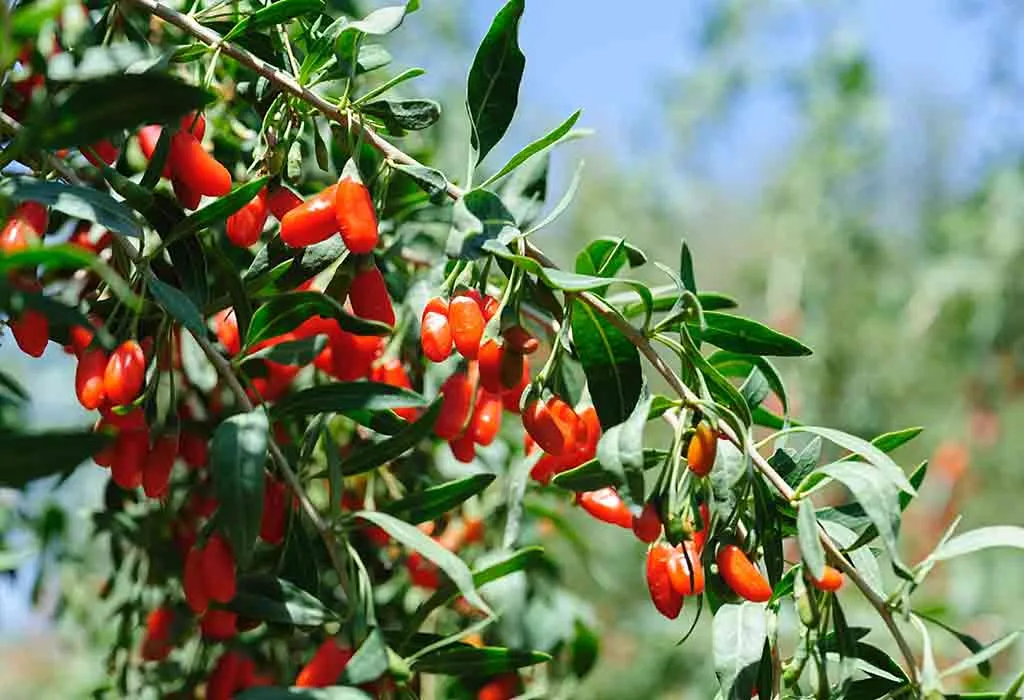
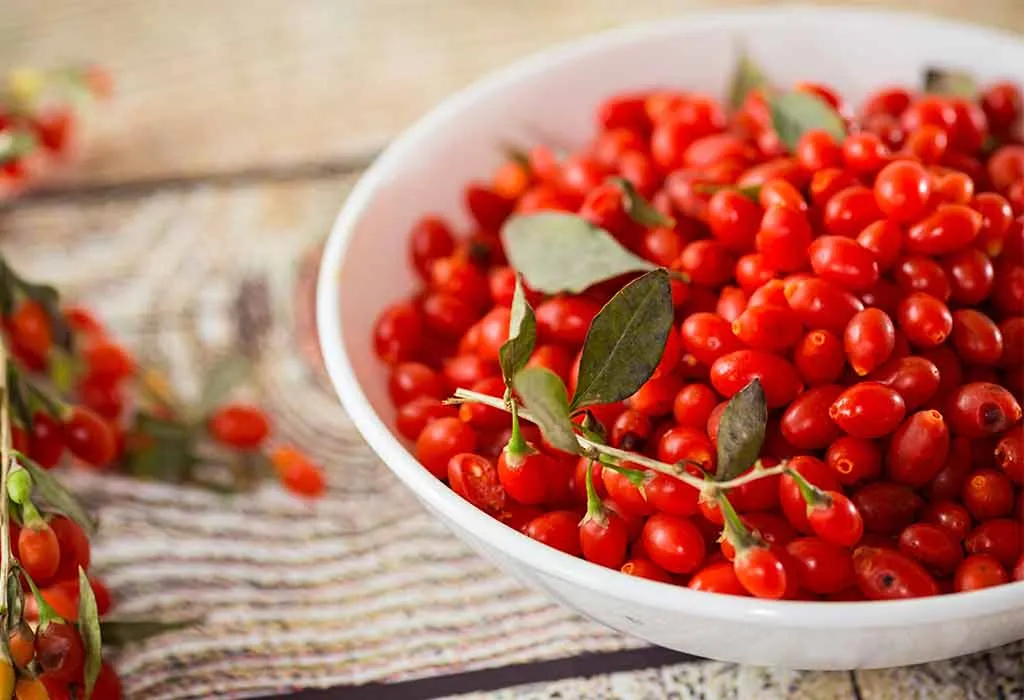
Goji berry is the fruit of the Lycium chinense or Lycium barbarum shrub. Also known as wolfberries, goji berries are native to China, and are dark orange to red in colour, with a sweet to bitter taste. They can also be found in several parts of Asia and the Mediterranean region. Apart from the berries, several parts of the Goji tree, such as the bark, leaves, and roots, are used for medicinal and health benefits. Available fresh, dried, as well as frozen, goji berries are popularly used as ingredients in different food products and dietary supplements. Moreover, these have been used in Chinese medicine in different raw, dried, and processed forms, such as juice, powder, tea, wine, or liqueur (1).
Goji berries are believed to possess potential antidiabetic, antioxidant, and hypoglycemic effects. The berries are also used for weight-loss therapies, by people with diabetes, and to improve general health (2). However, there are very limited studies of goji berries on humans. Although there are not many human studies, early research suggests they may support heart, eye, and liver health through their antioxidant effects. Goji berries are also known to lower blood pressure as well as blood sugar levels and stimulate the immune system, but there is no extensive scientific evidence to support any of these benefits.
Thus, when consuming goji berries, it is best recommended to consult your doctor for guidance and learn whether goji berries can help target your issue.
Nutritional Content of Goji Berries
Here’s the nutrition profile of 100 grams of dried goji berries:
| Nutrition | Amount |
| Water | 7.5 g |
| Energy | 349 Kcal |
| Protein | 14.3 g |
| Carbohydrate | 77.1 g |
| Fibre | 13 g |
| Total Sugar | 45.6 g |
| Calcium | 190 mg |
| Iron | 6.8 mg |
| Sodium | 298 mg |
| Vitamin C | 48.4 mg |
| Vitamin A | 26800 IU |
| Lysine | 0.233 g |
| Leucine | 0.456 g |
| Methionine | 0.087 g |
| Arginine | 0.722 g |
| Leucine | 0.456 g |
Source: USDA (3)
Is It Safe to Consume Goji Berries During Pregnancy?
Although goji berries are safe to eat in general, the claims for their consumption during pregnancy are somewhat diabolical. While several sources claim it is safe to eat during pregnancy, some do not due to a lack of scientific evidence related to goji berries and pregnancy.
So, are goji berries safe for pregnancy?
You can enjoy goji berries during pregnancy, but only in moderation. Given the nutrient profile (vitamins, carotenoids, amino acids, riboflavin, thiamin, ascorbic acid, and flavonoids), goji berries can help pregnant women. Goji berries have a high antioxidant potential and alleviate oxidative stress, conferring many health protective benefits, such as preventing free radicals from damaging DNA, lipids, and proteins.
A study conducted on rabbits using Goji supplements indicated enhancements in fertility, stabilised hormonal levels, and increased milk production (4).
As far as scientific evidence is concerned, there is insufficient safety data on breastfeeding and pregnant women consuming goji berries. Moreover, its excess consumption is linked with uterine contractions, making it unsuitable for consumption during pregnancy. It is advisable to consult your doctor if you have high blood pressure, diabetes, pre-eclampsia, or if you are on anticoagulants. Avoid excess consumption of goji berries during pregnancy, and you’ll be fine.
Goji berries are also known to lower blood sugar. Thus, if you are taking diabetes medication or are diagnosed with gestational diabetes, consulting your doctor before consuming these berries is important. A doctor’s guidance will help you plan your diet better.
Health Benefits of Eating Goji Berries In Pregnancy
When eaten in moderation, goji berries can be a great nutritional asset during pregnancy. Would you like to know about the goji berry benefits in pregnancy? Here’s some:
1. Powerhouse of Nutrients
Goji berries contain several natural compounds known for their strong antioxidant properties. They are rich in carbohydrates, dietary fiber and protein, while being very low in fat. In addition, goji berries contain B vitamins, including riboflavin, thiamine, and niacin, as well as minerals such as copper, magnesium, manganese, and selenium. Much of their health value comes from active compounds such as polysaccharides, carotenoids, and phenolic substances, which are closely linked to the berry’s overall health benefits (5).
2. Helps Get Relief From Morning Sickness
Nausea and morning sickness are common during pregnancy, especially during the first trimester. Eating small amounts of goji berries may help reduce feelings of sickness and general discomfort. Including them occasionally in your diet can make mornings feel a little easier.
3. Supports Healthy Fetal Growth
Pregnancy brings many changes to the body, increasing the need for vitamins and minerals. According to a 2019 research paper, goji berries contain almost twice the vitamin A that a person needs in a day and about a third of the daily recommended vitamin C (6). Vitamins A and C help support the baby’s growth and development and protect both mother and baby from cell damage.
4. Improves Haemoglobin Levels
Goji berries are a good source of iron, which is essential during pregnancy. Eating iron-rich foods helps increase haemoglobin levels, reducing the risk of anaemia. This can prevent common issues such as weakness, tiredness, and dizziness.
5. Helps Sleep Better
Since ancient times, goji berries have been used to ensure relaxation and improve sleep quality. Consuming them may help you sleep better and feel less mentally strained.
6. Relieves Constipation
Constipation is a common pregnancy complaint. High in dietary fibre, goji berries can help support digestion and bowel movement. Regular but moderate intake may help improve gut health and ease constipation naturally.
7. Supports Emotional Well-Being
Hormonal changes during pregnancy can affect mood and energy levels. Studies suggest that regular consumption of goji berries may help improve mood, boost energy, and reduce stress, helping expectant mothers feel more balanced.
8. Strengthens the Immune System and Prevents Cancer Cells
Packed with antioxidants and phenolic compounds, goji berries greatly reduce the formation and dissemination of cancer cells, improve vision, and boost energy levels. Consuming goji berries has been shown to enhance cognitive abilities and improve learning and memory. They have beneficial impacts on cancer prevention, antioxidant functions, preservation of retinal function, diabetes management, immune system support, and fatigue reduction (7).
9. Helps Regulate Blood Sugar
The risk of gestational diabetes is high in pregnancy. Goji berries are believed to support healthy blood sugar levels by lowering blood sugar and improving insulin balance, making them beneficial for women managing blood sugar concerns.
In addition to these benefits, goji berries may also support skin health, protect vision, support liver function, aid weight management, and contribute to overall wellness when consumed responsibly.

Side Effects of Consuming Goji Berries While Pregnant
Although the benefits of wolf berries are widely known, the excess consumption of goji berries while pregnant can endanger your pregnancy. Here are some possible side effects of goji berries during pregnancy (5):
1. Miscarriage
The concentration of betaine, an organic nitrogenous substance, in goji berries can cause uterine contractions. Thus, moderate consumption is recommended.
2. Allergic and Anaphylactic Reactions
Although rare, some people may experience an allergic reaction to goji berries if they are allergic to other fruits.
3. Reaction to Medications
The berries may also interact with certain medications, such as medications for diabetes or high blood pressure and blood thinners, likely causing a reaction.
4. Birth Defects
Goji berries contain a good amount of selenium. According to a study, high selenium exposure during pregnancy could increase the risk of congenital heart defects in the fetus (8). Thus, moderate consumption of the fruit is advised.
5. Toxic Compounds
Atropine, a poisonous alkaloid, occurs naturally in goji berries. Its concentration has been documented to reach toxic levels.
6. Safety Concerns
Research suggests that goji berries may affect certain liver enzymes involved in drug metabolism and may also influence immune responses. In addition, contamination during processing or after sale cannot be ruled out, raising further concerns about potential side effects associated with goji products available on the market.
FAQs
1. Can I eat goji berries during the first trimester of pregnancy?
Consuming goji berry in pregnancy’s first trimester is fine as long as it is consumed in moderation and after a doctor’s consultation.
2. How many goji berries should one eat in a day?
There is no specific serving size set for goji berries. Nevertheless, a 2019 article indicates that a daily intake of 15 grams (g) might be sufficient to provide the body with an adequate amount of zeaxanthin.
3. Is it safe to eat goji berries on a daily basis during pregnancy?
Consuming goji berries daily is generally considered safe, and they typically do not cause side effects. However, goji berries might interact with certain medications, including blood thinners, blood pressure medications, and diabetes treatments. Also, there lacks scientific evidence related to its safety on pregnant women. Thus, it is recommended to consult your doctor before consuming goji berries during pregnancy.
Rich in antioxidants, B vitamins, minerals, and phytochemicals, goji berries are a powerhouse of nutrition. The antioxidants can help protect DNA, fats, and proteins from damage caused by harmful free radicals. These berries are also linked to several health benefits, including supporting blood formation, boosting immunity, slowing age-related changes, protecting against radiation damage, and contributing to cancer prevention. Although goji berries have been in use since ancient times, there are no human studies on the safety of goji berries in human pregnancy. Thus, it is best to take a doctor’s advice before incorporating these wonder berries in your diet. It is best to stay wise and safe during pregnancy for the sake of the mother’s and the child’s health.
Also Read:
Raspberries in Pregnancy
Eating Bananas in Pregnancy
Eating Blueberries During Pregnancy
Consuming Mangoes while Pregnant
Was This Article Helpful?
- Author
 About the Author
Rama Aiyer
Related Articles
-

Almonds in Pregnancy - Benefits, Side-effects, & How to Eat
-
Drinking Jeera (Cumin) Water During Pregnancy
-
Is It Safe To Drink Hibiscus Tea During Pregnancy?
-
Eating Flounder During Pregnancy - Is It Safe?
-
Taking Vitamin B6 (Pyridoxine) in Pregnancy: Is It Safe & Benefits
-
Can You Eat Poppy Seeds During Pregnancy?