


10 Must-have Dry Fruits and Nuts During Pregnancy
Enjoy dry fruits and nuts safely during pregnancy with their health benefits, ideal portions, and tips to choose the best options for you and your baby





Medically Reviewed By
Megha Mukhija
(Paediatric Nutritionist)


Image Credit : AI Generated Image
In this Article
- Is It Safe to Eat Dry Fruits and Nuts During Pregnancy?
- Benefits of Eating Dry Fruits and Nuts While Pregnant
- Are There Any Side Effects and Risks of Consuming Dry Fruits and Nuts?
- Precautions While Eating Dry Fruits & Nuts During Pregnancy
- How Much Dry Fruits and Nuts Should You Eat in a Day?
- Recommended Dry Fruits and Nuts During Pregnancy
- Ways to Include Dry Fruits and Nuts in Your Pregnancy Diet
- Dry Fruit Milkshake Recipes for Pregnant Women
- FAQs
View More
When a woman comes to know that she is pregnant, her eating habits change for the better. And naturally, it should be because maintaining a healthy diet during pregnancy is of extreme importance. If you are pregnant, your body will need additional vitamins, minerals, and other essential nutrients to support the healthy growth of the baby. And following a balanced diet is the best way to ensure that you get all the nutrients your body needs to nurture your child. You must include healthy snacks like nuts and dry fruits in your pregnancy diet, as they provide various benefits to both the mother and the baby. But is it completely safe to eat dry fruits in pregnancy, and what is the best time to eat nuts during pregnancy? Read on as we guide you through everything you need to know about nuts in pregnancy!
Also Read: Eating Almonds during Pregnancy
Is It Safe to Eat Dry Fruits and Nuts During Pregnancy?
Dry fruits and nuts are a storehouse of vitamins, minerals, fibre, and amino acids, making them a must-include in an expectant woman’s diet. Dry fruits contain crucial vitamins like B1-B9, C, K, E, and H. They can also satiate hunger easily which can prove helpful while pregnant. This makes them safe for consumption during pregnancy but like with everything else, caution needs to be exercised while consuming dry fruits and nuts during pregnancy as too much of them can lead to various complications. So you can have them, but in moderate quantities (1).
Also Read: Eating Pista while Pregnant
Benefits of Eating Dry Fruits and Nuts While Pregnant
Dried fruit and pregnancy make a healthy combination, as they provide essential nutrients, fibre, and natural energy that support both the mother’s health and the baby’s development. They are also a good source of antioxidants and they are good at appeasing hunger making them a perfect snack for pregnant women.
- Being rich in dietary fibre, dry fruits help prevent constipation during pregnancy. Hormonal changes can lead to constipation and various other problems during pregnancy. But this problem can be solved by consuming nuts. A high-fibre diet that includes a portion of dry fruits is good for pregnant women (2).
- Iron is integral to a healthy pregnancy and dry fruits like dried figs and dates and nuts can help you meet your daily requirements of iron (3) (4).
- Dry fruits can provide you with a substantial amount of Vitamin A which is necessary for the development of the baby’s teeth and bones.
- The potassium found in dry fruits and nuts can help control blood pressure and enhance muscle control (5).
- The magnesium content in dry fruits and nuts can help in the proper development of nerves and bones in your baby.
- The natural sugar in dry fruits can be digested easily and provide a good dose of energy to your body.
- Dry fruits like prunes or dates are known to strengthen the muscles of the uterus which aids in a smooth delivery. It also reduces the chances of bleeding post delivery (6).
- Eating dry fruits and nuts during pregnancy is believed to lower the risks of asthma and wheezing in a baby.
- Vitamin E in dry fruits and nuts can help in the development of cells and lungs in the baby. This vitamin can also regulate your blood sugar and help prevent your baby from developing asthma (5).
- Folic acid present in many dry fruits and nuts plays a vital role in preventing neural tube defects in the baby and supports healthy brain and spinal cord development.
- Calcium-rich dry fruits and nuts contribute to the healthy development of your baby’s bones and teeth while also maintaining the mother’s bone strength.
Are There Any Side Effects and Risks of Consuming Dry Fruits and Nuts?
When consumed in moderation, dry fruits and nuts are perfectly safe during pregnancy. However, if you eat them in excess, you may face various health complications like:
- Gastrointestinal problems such as gas, bloating, and diarrhoea.
- Weight gain as dry fruits and nuts are rich in calories. And excess consumption can certainly cause health issues.
- Since dry fruits contain natural sugars like fructose, they can cause tooth decay if you don’t follow proper dental hygiene.

Precautions While Eating Dry Fruits & Nuts During Pregnancy
Healthy as they are, it is important to keep in mind a few precautions when consuming dry fruits during pregnancy.
- Choose sundried fruits instead of those processed in a plant. This way you can avoid toxin known as acrylamide that is found in food that is heated for an extended period. It is a carcinogen and can have adverse effects on the nervous system and fertility.
- Check to see whether the dried fruits you buy have added sugar or not. Dry fruits contain a certain amount of natural sugars but some brands also contain added sugar. Avoid them in all cases.
- Sometimes, packaged dry fruits and nuts have added preservatives. They may contain sulphur dioxide that can lead to allergic reactions or respiratory issues.
- The drying process which these fruits are subjected to can lead to an increase in calories. So you need to be careful about how much you eat to regulate your calorie intake.
- Try to buy organic and preservative-free dry fruits from reputed sellers and buy only what you can eat in a month’s time.
- If buying from local vendors, look out for bugs, mould, or dirt. You can also taste a piece before you buy in bulk.
- Store dry fruits in a clean and dry container and place them in the refrigerator to prevent them from spoiling.
How Much Dry Fruits and Nuts Should You Eat in a Day?
Dry fruits contain a lot more calories than fresh fruits. Some nuts are also high in calories. So, you need to watch what you eat especially during pregnancy. It is recommended that you do not eat more than 100 grams of dry fruits & nuts in a day during this time. For instance, you could eat four to seven pieces of almonds, about four halves of walnuts, two dates, and about eight pistachios at a time.

Recommended Dry Fruits and Nuts During Pregnancy
Almost all dry fruits and nuts are recommended for pregnant women. If you are pregnant, make sure that you include the following in your diet on a regular basis during this special time in your life. Here is the list of best dried fruit for pregnancy.
1. Almonds
Almonds are rich in protein, fibre, calcium, and healthy fats. They support brain development in the baby, strengthen bones, and help maintain healthy blood sugar levels. Their antioxidant content also helps boost immunity during pregnancy (7).
Best Time to Eat: Morning or as a mid-day snack.
Best Way to Consume: Soaked overnight or added to milkshakes, smoothies, or desserts.
2. Dried Apricots
Dried apricots and pregnancy go well together because they provide iron, fibre, potassium, and essential nutrients that help prevent anaemia, support digestion, and contribute to the overall health of both mother and baby. Their natural sweetness also makes them a satisfying snack when cravings hit (8).
Best Time to Eat: Morning or afternoon.
Best Way to Consume: Eat as a snack, add to cereals, yogurt, or milkshakes.
3. Raisins
Raisins are rich in iron, fibre, calcium, and natural sugars that provide instant energy. They help prevent anaemia, improve digestion, and support teeth and bone strength. Raisins also help reduce acidity and promote better digestion (9).
Best Time to Eat: Morning after soaking or with breakfast.
Best Way to Consume: Soaked overnight, added to milk, cereal, or desserts.
4. Walnuts
Walnuts are packed with omega-3 fatty acids, protein, and antioxidants, which support brain and nervous system development in the baby. They also help improve mood, reduce inflammation, and support heart health during pregnancy (10).
Best Time to Eat: Morning or evening.
Best Way to Consume: Eat raw, add to salads, smoothies, or milkshakes.
5. Cashew Nuts
Cashews provide healthy fats, protein, magnesium, and iron, helping maintain energy levels and support strong bones and muscles. They also help improve appetite and contribute to healthy weight gain during pregnancy when eaten in moderation (11).
Best Time to Eat: Mid-morning or evening snack.
Best Way to Consume: Lightly roasted, added to dishes, sweets, or milkshakes.
6. Dried Apples
Dried apples are rich in fibre, antioxidants, and vitamins that support digestion and boost immunity. They help maintain bowel health, reduce constipation, and provide a light, healthy snack option without unhealthy fats.
Best Time to Eat: Anytime during the day.
Best Way to Consume: Eat as a snack or mix into cereals, oatmeal, or yogurt.
7. Pistachios
Pistachios are packed with protein, fibre, potassium, and healthy fats that help regulate blood sugar levels and blood pressure. They support heart health and provide sustained energy during pregnancy (12).
Best Time to Eat: Midday or evening.
Best Way to Consume: Lightly roasted or added to desserts, milkshakes, or salads.
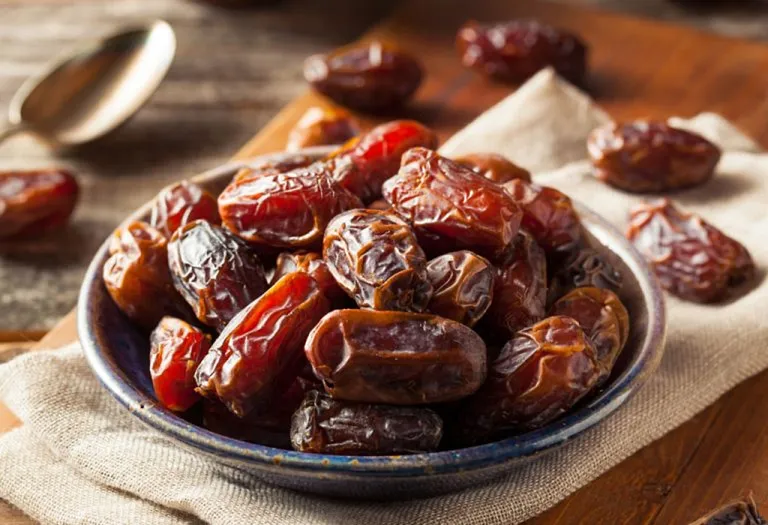
8. Dates
Dates are rich in iron, fibre, potassium, and natural sugars, making them excellent for boosting energy and improving haemoglobin levels. They also help with digestion and may support easier labour when consumed in the later stages of pregnancy (3).
Best Time to Eat: Morning or evening.
Best Way to Consume: Eat plain, stuffed with nuts, or added to smoothies and milk.
9. Dried Figs
Dry fig for pregnancy is a great choice as it provides essential fibre, calcium, iron, and antioxidants that support digestion and bone health. They also contribute to healthy blood production and overall wellness during pregnancy (4).
Best Time to Eat: Morning or afternoon.
Best Way to Consume: Soaked before eating or added to milkshakes and desserts.
10. Peanuts
Peanuts are a great source of protein, healthy fats, folate, and vitamin E, which support fetal growth, especially brain and neural development. They help maintain energy and keep you full for longer.
Best Time to Eat: Midday or evening snack.
Best Way to Consume: Roasted, peanut butter, or added to snacks and meals.
Ways to Include Dry Fruits and Nuts in Your Pregnancy Diet
There are a lot of misconceptions and myths associated with the consumption of dry fruits and nuts during pregnancy. Cashew nuts, almonds, apricots, prunes, raisins, dates, walnuts, and pistachios are some dry fruits and nuts that are good for pregnant women. Since dry fruits are nutritious, you should aim to include the recommended quantity in your diet each day. Here are some ways you can do this:
- Most dry fruits are good for pregnant women and can be consumed raw. They also make for a healthy snack when hungry during pregnancy.
- You can also add nuts and dry fruits to your salads, sandwiches, and desserts like puddings or custards.

- Make your own dry fruit candy by mincing dates and walnuts and rolling them in some grated coconut. Store it in the refrigerator for consumption. You can consume them for up to ten days.
- Some types of dry fruits can be hard to bite into or chew. So, you can first soak them in water before consuming them.
- You can make dry fruit powder using dry fruits in pregnancy first trimester, second trimester and third trimester and add it to your milk, shakes, or smoothies.
Dry Fruit Milkshake Recipes for Pregnant Women
Dry fruit milkshakes are a yummy, power-packed way to keep your energy levels up and nourish your body during pregnancy. Curious to try some? Here are a few healthy and tasty dry fruit milkshake recipes you’ll love during pregnancy!
1. Almond & Date Milkshake
This creamy and naturally sweet milkshake is rich in fibre, iron, and healthy fats, making it an excellent energy booster for pregnant women.
Ingredients
- 6-7 almonds (soaked overnight and peeled)
- 4-5 seedless dates
- 1½ cups milk (warm or chilled as preferred)
- 1 teaspoon honey (optional)
- A pinch of cardamom powder
Preparation Time : 5 minutes
Total Cooking Time : 7 minutes
Servings : 2
Method
1. Add soaked almonds and dates to a blender.
2. Pour in milk and blend until smooth and creamy.
3. Add cardamom powder and honey if needed.
4. Blend again briefly and serve fresh.
2. Mixed Dry Fruits Milkshake
Packed with a blend of nutritious nuts and dry fruits, this milkshake offers a powerhouse of vitamins, minerals, and protein to support pregnancy health.
Ingredients
- 4 almonds (soaked)
- 3 pistachios
- 4 cashews
- 3-4 dates
- 1 tablespoon raisins
- 1½ cups milk
- 1 teaspoon honey (optional)
- A pinch of saffron (optional)
Preparation Time : 6 minutes
Total Cooking Time : 8 minutes
Servings : 2
Method
1. Add all dry fruits to a blender.
2. Pour milk over them and blend until smooth.
3. Add honey and saffron, then blend again.
4. Serve chilled or slightly warm.
3. Fig & Walnut Milkshake
Loaded with fibre and omega-3 fatty acids, this wholesome milkshake helps support digestion, brain development, and overall maternal well-being during pregnancy.
Ingredients
- 3-4 dried figs (soaked for 1-2 hours)
- 3 walnuts
- 1 cup milk
- 1 teaspoon honey or jaggery powder (optional)
- A pinch of cinnamon (optional)
Preparation Time : 4 minutes + soaking time
Total Cooking Time : 6 minutes
Servings : 2
Method
1. Add soaked figs and walnuts to a blender.
2. Pour in milk and blend until smooth.
3. Add honey and cinnamon if desired.
4. Blend again and serve immediately.
FAQs
1. When should you start including dry fruits in your pregnancy diet?
You should start eating dry fruits in pregnancy from the first trimester as these are good sources of nutrients and dietary fibre.
2. Which dry fruits need to be avoided during pregnancy?
Dry fruits not to eat during pregnancy are the ones that contain natural sugar.
3. Can breastfeeding moms eat dry fruits?
Yes, you can eat nuts during pregnancy and breastfeeding.
4. Are dried prunes good for pregnancy?
Dried prunes are good for pregnancy as they are rich in fibre, iron, potassium, and antioxidants that support overall maternal health. They are especially helpful in relieving constipation, which is a common concern during pregnancy, and they help maintain smooth digestion (6).
Pregnancy is a time when you must eat healthy food and focus on your well-being as well as your child’s. It is important not to get overwhelmed when making food choices. You will get a lot of advice from your relatives and family members, and this flood of information on what to eat and what not to can sometimes confuse you. But don’t worry. Consult your doctor to find out what is best for you and your child.
Also Read:
Dates during Pregnancy
Raisins during Pregnancy
Cashew Nuts while Pregnant
Was This Article Helpful?
Parenting is a huge responsibility, for you as a caregiver, but also for us as a parenting content platform. We understand that and take our responsibility of creating credible content seriously. FirstCry Parenting articles are written and published only after extensive research using factually sound references to deliver quality content that is accurate, validated by experts, and completely reliable. To understand how we go about creating content that is credible, read our editorial policy here.
1. Cleveland Clinic – Nutrition During Pregnancy: Foods To Include and Foods To Avoid
2. International Nut & Dried Fruit Council – Reasons to Eat Nuts and Dried Fruits on a Daily Basis!
3. Cleveland Clinic – The Sweet Health Benefits of Dates
4. Cleveland Clinic – 4 Health Benefits of Figs
5. PubMed Central – Nuts and Dried Fruits: An Update of Their Beneficial Effects on Type 2 Diabetes
6. California Prunes – Everything You Need to Know About Dried Prunes
7. Cleveland Clinic – 4 Reasons Why Almonds Are Good for You
8. Cleveland Clinic – 8 Health Benefits of Apricots
9. PubMed – Is Eating Raisins Healthy?
10. Cleveland Clinic – The Health Benefits of Walnuts
- Author
- Expert Reviewer
 About the Author
Romita P
Related Articles
-
Eating Ghee During Pregnancy - Benefits, Risks & Myths
-

Aloe Vera During Pregnancy - Benefits, Risks, and Tips
-

Is It Safe to Eat Blackberries in Pregnancy?
-

Eating Cashew Nuts During Pregnancy - Benefits & Side Effects
-

Prunes While Pregnant - Benefits and Side Effects
-
Eating Dates During Pregnancy - Benefits, Side-Effects & More