
Contact Naps: Benefits, Downsides & How to Stop Them
Learn why babies love contact naps, their benefits, and tips for safer, cosier sleep.





Our editorial process ensures that the information we provide is well-researched and reliable. Learn more about our approach in the FirstCry Parenting editorial policy.
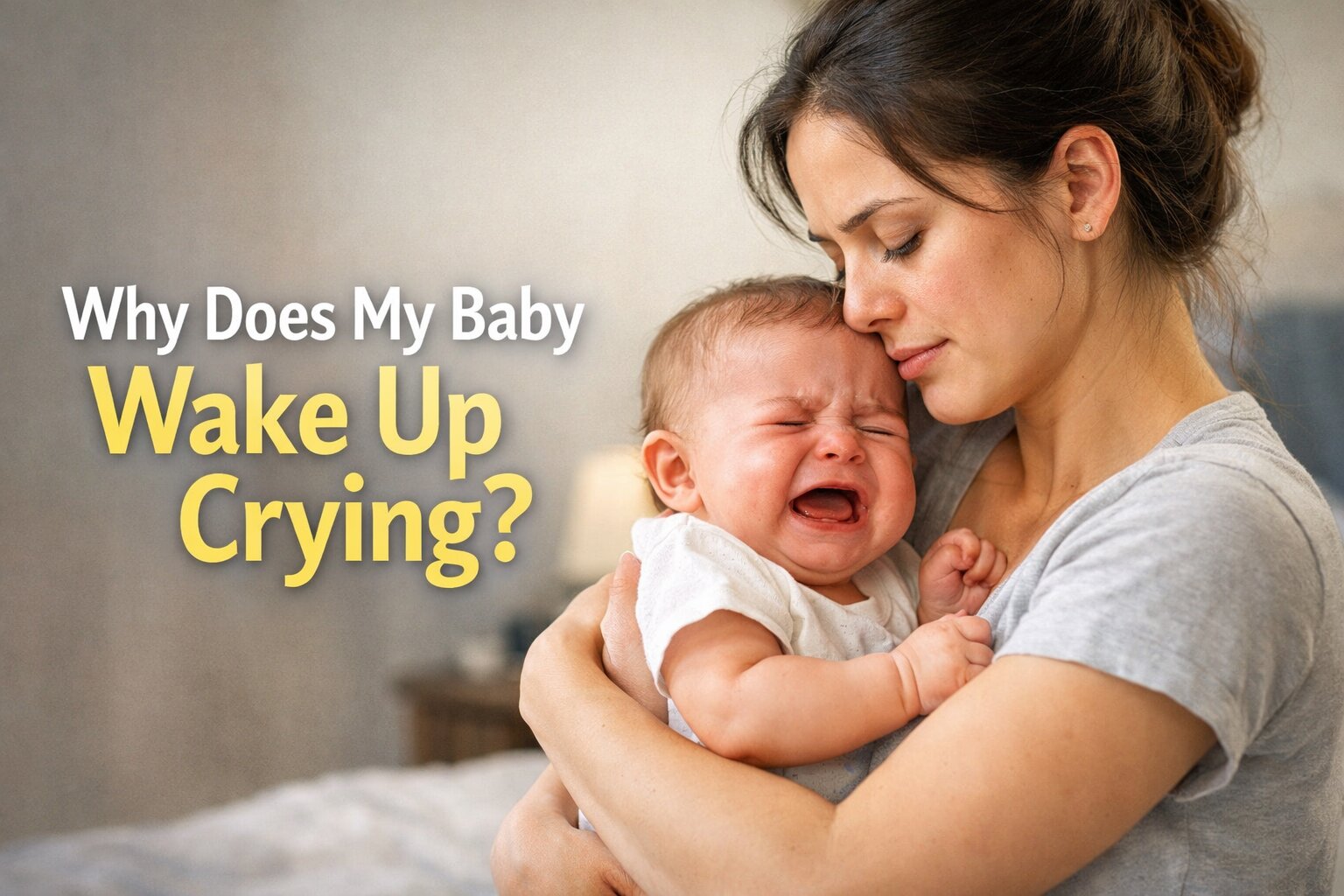
There’s something lovely about having your baby fall asleep in your arms. The warmth, the little cuddles, and knowing they feel safe and comforted can make contact napping special. But when your baby seems to wake up the moment you try to put them down, those sweet moments can start to feel a little less relaxing.
Contact naps for newborns are common, and you can continue enjoying these moments while gradually exploring other ways for your baby to nap. Let’s look at why babies love contact naps, their benefits and challenges, and how to break contact naps and gently transition your baby to crib naps when you’re ready.
What Is Contact Napping?
Contact napping is when your baby falls asleep while being held in your arms, resting against your chest, or cuddled close to your body. It is especially common in newborns, who often find the warmth, familiar smell, and sound of a caregiver’s heartbeat soothing.
Is Contact Napping Safe for Babies?
Contact napping can be safe for babies when you are fully awake, alert, and holding your baby in a position that keeps their face visible and their nose and mouth unobstructed. However, it becomes dangerous if you fall asleep while holding your baby, especially on a sofa, armchair, or adult bed (1).
What Are the Benefits of Contact Naps?
Although the experience can be different for every family, there are several potential benefits for both babies and parents. Let’s look at how contact naps can benefit both.
For Babies
Here are some key benefits of contact napping for babies (2) (3):
- Promotes bonding: Close physical contact helps babies become familiar with their parents and build a sense of connection.
- Provides comfort and security: Being held close can reassure babies, especially when they feel unsettled in their new surroundings.
- Helps soothe fussiness: Gentle cuddling and rocking can calm a baby who is crying or having trouble settling.
- May help babies fall asleep: Some babies settle more easily in a parent’s arms because they feel relaxed and comforted.
- Provides familiar sensory comfort: A parent’s voice, scent, and touch can offer reassurance during the transition from wakefulness to sleep.
- Supports early emotional development: Consistent, responsive care helps babies develop a sense of trust and security over time.
For Parents
The benefits of contact naps can extend to parents, too (4).
- Strengthens the parent-baby bond: Holding your baby close gives you opportunities to connect through touch and gentle interaction.
- Helps you recognise your baby’s cues: Spending time together can make it easier to notice signs that your baby is tired, hungry, or needs comfort.
- Makes soothing feel easier: When your baby responds well to being held, contact naps can offer a familiar way to help them settle.
- Builds confidence as a parent: Learning how your baby responds to cuddling, rocking, and other soothing methods can help you feel more confident in caring for them.
- Creates moments of connection: Contact naps give you time to enjoy your baby’s closeness without the usual distractions of daily routines.
- Helps you understand sleep patterns: Observing when your baby gets sleepy and how they settle can help you recognise patterns in their daytime sleep.
What Are the Downsides of Contact Naps?
While holding your baby for a nap may seem like an easy way to help them settle, doing it for every nap can come with a few challenges. Here are some common downsides of contact naps.
- Limits your daily activities: When your baby naps in your arms, it can be difficult to cook, work, rest, or take care of other tasks without waking them.
- Can make independent naps more challenging: If your baby usually falls asleep while being held, they may need extra time and support to get comfortable napping in a crib or bassinet.
- Can be physically tiring: Holding your baby for long periods may cause back, neck, and shoulder discomfort, particularly as your baby grows.
- May affect your rest: You might find it difficult to relax, eat, or take a break when your baby needs to be held throughout every nap.
- Can pose safety risks if you fall asleep: Contact naps become dangerous if a caregiver dozes off while holding a baby, especially on a sofa or armchair. The safest place for a baby to sleep is on their back in a separate crib or bassinet with a firm, flat surface and no loose bedding (1).
What Are the Best Positions for Contact Naps?
There are different ways to hold your baby during contact naps, depending on their age and what feels comfortable while you are awake. Before trying any contact napping positions, keep in mind that your baby’s face should always remain visible and their airway unobstructed.
- Chest-to-chest position: Hold your baby upright against your chest, with their head turned to one side and their face visible. Keep their neck straight and chin away from their chest to maintain an open airway. This position requires you to remain fully awake and attentive.
- Cradle hold: Rest your baby’s head in the crook of your arm and support their back and bottom with your forearm. Make sure their head does not slump forward and their face is not pressed against your body.
- Upright shoulder position: Hold your baby against your upper chest or shoulder while supporting their head and neck. Keep their face visible and their nose and mouth unobstructed. This position may be useful for settling your baby after feeding, but it is not a safe position for an unattended nap.
- Across-the-lap position: While seated and fully awake, you can cradle your baby across your lap, supporting their head, neck, and back. Keep their face uncovered and their chin away from their chest. Avoid this position if you feel sleepy or cannot maintain a secure hold.
- Reclined chest hold: Sit comfortably with your back supported and hold your baby against your chest. Avoid lying back so far that your baby slides down or their chin falls towards their chest. Never use a sofa or armchair for sleeping with your baby.
When to Stop Contact Naps?
If you are wondering when do contact naps end, there’s no one-size-fits-all answer. It depends on your baby’s sleep habits, development, and your family’s routine. Many babies gradually become more comfortable sleeping independently between 3 and 6 months, while others may continue to enjoy being held for naps for longer. You can start introducing crib naps whenever you feel ready, giving your baby plenty of comfort and reassurance as they adjust.
How to Stop Contact Naps?
If you’re ready to help your baby move from contact naps to crib naps, try these simple steps to make the transition easier:
- Start with one crib nap a day: Begin with the first nap when your baby is well-rested and more likely to settle easily.
- Create a consistent nap routine: Follow simple steps such as changing your baby’s diaper, dimming the lights, and singing a lullaby before nap time (5).
- Put your baby down when drowsy: Try placing your baby in the crib when they are sleepy but still awake so they can gradually get familiar with falling asleep independently.
- Make the sleep environment comfortable: Keep the room calm and at a comfortable temperature. Use a firm, flat mattress with a fitted sheet and avoid pillows, loose blankets, and toys (6).
- Try gentle soothing techniques: Patting, soft singing, or speaking calmly can reassure your baby as they get used to sleeping in their own space (7).
- Gradually reduce contact naps: Once your baby gets comfortable with one independent nap, slowly introduce more crib naps throughout the day.
- Be patient and consistent: Some days may go smoothly, while others may involve more fussiness. Give your baby time to adjust and offer comfort when needed.
FAQs
1. Are contact naps good for babies?
Yes, contact naps can be beneficial for babies, especially newborns. Being held close to a parent can provide comfort, warmth, and a sense of security. Infant contact naps also promote bonding with parents and can make it easier for babies to settle down and fall asleep.
2. What age to stop contact naps?
There is no specific age when you need to stop contact naps. Every baby develops different sleep habits, and some may become comfortable napping independently within a few months, while others may take longer.
3. Do babies grow out of contact naps?
Yes, as their sleep patterns mature and they become more familiar with their surroundings, they may start accepting naps in their crib. However, every baby is different, and some may continue preferring contact naps for longer.
4. Why does my 4-month-old only contact nap?
It’s common for a 4-month-old to prefer contact naps. Around this age, babies experience changes in their sleep patterns, which can make it harder for them to settle or stay asleep on their own.
Parenting comes with plenty of little adjustments, and your baby’s sleep habits are no exception. Some days, you may enjoy having your little one curled up in your arms, while on others, you may wish for a little more freedom during nap time. Every baby has their own way of settling, and finding a routine that suits your little one may take some trial and error. Be patient with yourself, too. You are learning alongside your baby, and that is part of parenting.
References/Resources:
2. American Academy of Pediatrics – Skin-to-Skin Contact: How Kangaroo Care Benefits Your Baby
3. Children’s Hospital Los Angeles – Skin-to-Skin Contact Offers Key Benefits for Parent and Child
4. Cleveland Clinic – Kangaroo Care
5. Mayo Clinic – Helping baby sleep through the night
Also Read:
Baby Sleep Problems
How to Get your Baby to Nap
Baby Waking Up Every Hour
Ways to make Baby Sleep at Night
Was This Article Helpful?
Parenting is a huge responsibility, for you as a caregiver, but also for us as a parenting content platform. We understand that and take our responsibility of creating credible content seriously. FirstCry Parenting articles are written and published only after extensive research using factually sound references to deliver quality content that is accurate, validated by experts, and completely reliable. To understand how we go about creating content that is credible, read our editorial policy here.
- Author


Related Articles
-

Babies Face a Sleeping Risk in Winters. Here's How to Keep Them Warm and Safe
-

12 Month Sleep Regression - Causes, Signs And How To Deal With It
-

How to Swaddle a Baby?
-

You Are My Sunshine Lyrics: Baby Lullaby
-

Basics of Newborn Baby Sleep (0 to 3 Months)
-

Baby Keeping You Up? Here’s a Tried and Tested Method Most Moms Swear By for Inducing Better Sleep Patterns in Babies