
Chandipura Virus Infection – Symptoms, Causes, and Prevention
Learn about Chandipura virus infection, its symptoms, causes, treatment, prevention, and when to seek medical care.





Medically Reviewed By
Dr. Vandan H Kumar
(Pediatrician)

This health content has been medically reviewed by qualified experts and follows the FirstCry Parenting editorial policy to ensure accuracy and reliability.
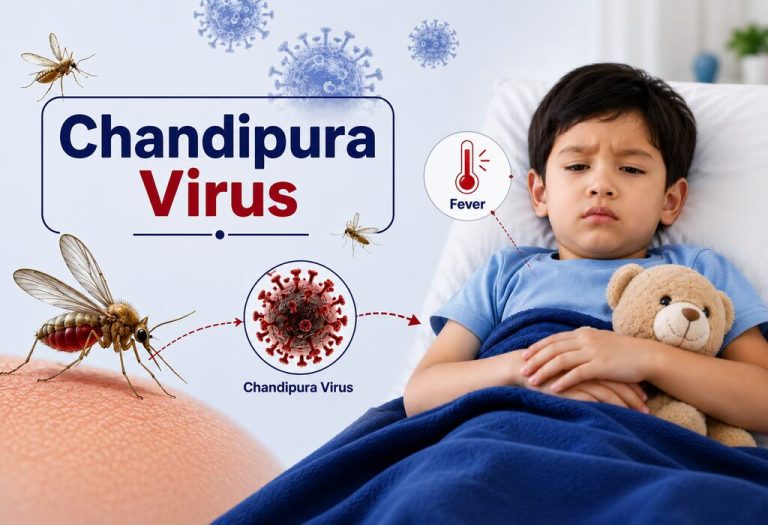
A relatively rare but potentially life-threatening infection, Chandipura virus (CHPV) primarily affects young children and can rapidly progress from a flu-like illness to severe encephalitis (brain inflammation). Chandipura virus is spread by infected sandflies, and has been linked to multiple outbreaks across the country. First identified in India, the virus has caused multiple outbreaks over the years. In July 2026, the virus resurfaced in Gujarat, where 7 children tested positive and 3 child deaths were reported, raising fresh public health concerns.
Since the infection can worsen within hours, parents should be aware of its symptoms, causes, transmission, and preventive measures. Keep reading to learn everything you need to know about Chandipura virus infection and how to protect your child from this potentially fatal disease.
Expert Says
“Clean environment and avoiding mosquito bites are the two most important factors to prevent this illness”
– Dr. Vandan H Kumar
What Is the Chandipura Virus?
Chandipura virus (CHPV) belongs to the genus Vesiculovirus of Rhabdoviridae family, similar to the rabies virus. It was first identified in the Chandipura village in nagpur India in 1965. It is a virus that causes severe encephalitis, an inflammation or swelling of the brain. While sandflies (the ones which are also the vectors for Kala Azar and Japanese encephalitis) mainly transmit the virus, there have been occasional reports suggesting that mosquitoes, specifically Aedes aegypti, might also play a role in transmission.
It is a significant health concern, particularly in India’s western, central, and southern regions, especially during the monsoon season. While the virus has been known since 1965, it gained significant attention due to several outbreaks in various areas of India (1).
Chandipura Virus Outbreak 2026
As of mid-July 2026, Gujarat has reported 7 laboratory-confirmed Chandipura virus cases out of 19 tested samples, with 3 child deaths. Health authorities are also investigating 27-32 suspected cases, primarily from Sabarkantha and Panchmahal districts.
Whom Does the Chandipura Virus Affect?
Chandipura virus primarily affects children, particularly those under the age of 15. While adults can also be infected, children are more susceptible to the severe neurological symptoms associated with the virus. Pregnant women are also at potential risk, as infections during pregnancy can pose additional health challenges, affecting the mother and the developing fetus (3).
Why Does It Mostly Affect Children?
Chandipura virus primarily affects children for several reasons:
1. Immune System Development
The immune systems of children are still developing, which makes them less capable of mounting a strong defence against new and emerging pathogens like the Chandipura virus.
2. Behaviour and Exposure
Children are more likely to play outside and engage in activities that increase their exposure to sandflies, the primary vectors of the virus. Their behaviour and close contact with the environment where sandflies breed heighten their risk of infection.
3. Lack of Immunity
Adults might have some level of immunity either due to past mild infections or repeated low-level exposure to the virus or related pathogens, whereas children, especially in areas where the virus is newly emerging, may lack such immunity.
How Is CHPV Transmitted?
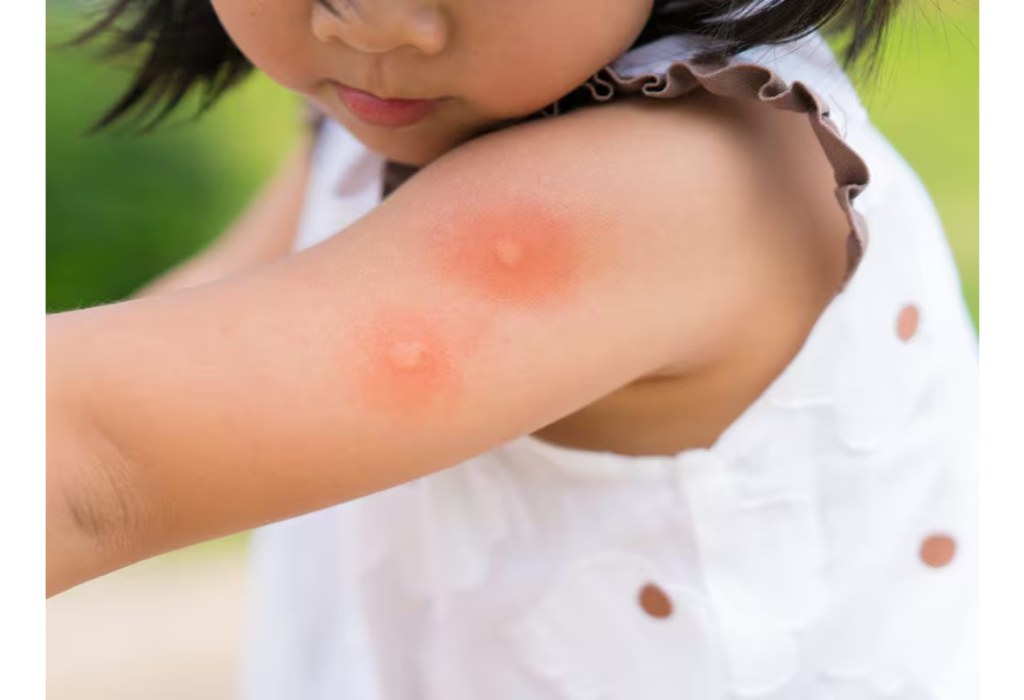
Chandipura virus (CHPV) is primarily transmitted through the bite of infected sandflies, particularly the species Phlebotomus papatasi. These sandflies become carriers of the virus after feeding on an infected host’s blood, allowing the virus to replicate within them. When an infected sandfly bites a human, the virus is transmitted through the sandfly’s saliva into the human bloodstream.
Sand flies were considered to be responsible because they inhabit cracks in walls or home parts made up of sand or mud. Transmission is more common in rural and semi-urban areas, especially during the monsoon season when sandfly populations surge due to favourable breeding conditions (4).
Animal reservoirs: various mammals, including cattle, rodents, and bats, may act as reservoirs
Notably, there is no evidence to suggest that CHPV spreads directly from person to person, with the primary mode of transmission remaining through the bite of infected sandflies.
Is CHPV Contagious?
No, Chandipura virus (CHPV) is not contagious and does not spread from person to person through casual contact, coughing, or touching. The virus is primarily transmitted through the bite of infected sandflies, although mosquitoes and ticks may also play a role in its transmission.
Symptoms of Chandipura Virus
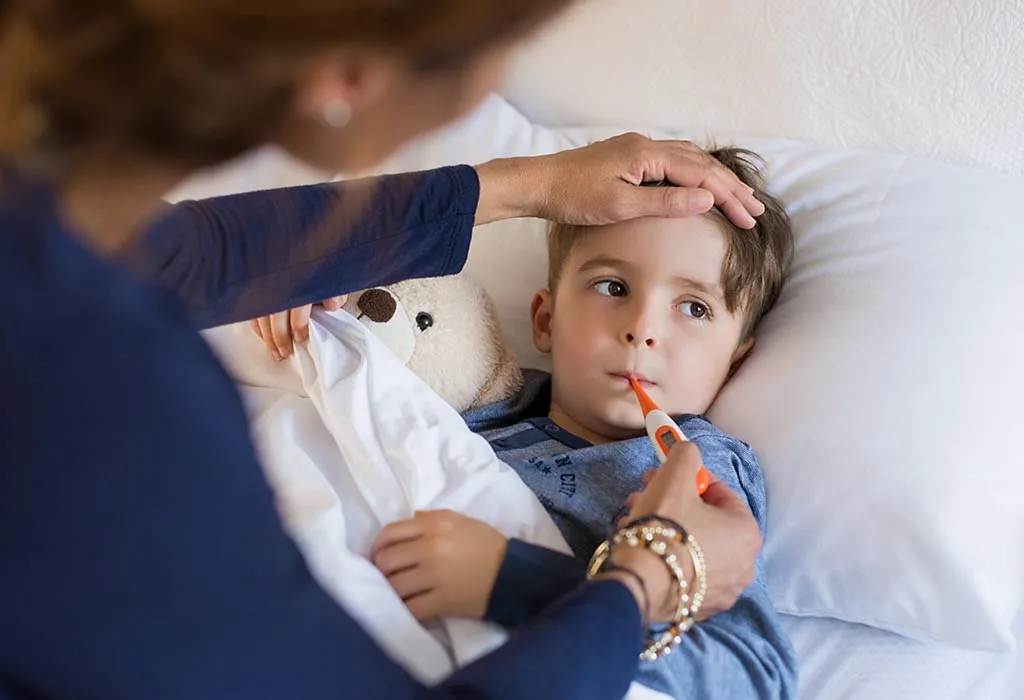
Chandipura virus (CHPV) infection can lead to severe and rapid-onset symptoms, particularly in children. Here are some of the key symptoms to watch for (2):
- High Fever (102-106F)
- Severe Headache
- Vomiting
- Persistent Weakness
- Diarrhea
- Seizures
- Altered Mental Status
- Coma (in severe cases)
The symptoms typically surface within 2-4 days after being bitten by an infected sandfly. Usually the disease has rapid Progression from mild symptoms to severe neurological manifestation within a short period. The fatality rate of Chandipura virus infection can be high, especially in children, with death within 48 -72 hours of onset of symptoms with some outbreaks reporting mortality rates of up to 50-75% (5) (7).
Diagnosis:
Since CHPV does not present with any specific clinical picture, it may not be possible to diagnose the disease simply on the basis of physical examination.
To diagnose Chandipura viral encephalitis cases, some serological, molecular, and tissue culture-based methods are available.
What Is the Treatment of the Chandipura Virus?
There is no specific antiviral treatment for Chandipura virus (CHPV). Management primarily focuses on supportive care to alleviate symptoms and prevent complications. In severe cases, hospitalisation may be required for close monitoring and care.
Treatment typically involves using medications to manage symptoms, such as fever and pain while maintaining adequate hydration and nutrition. Early diagnosis and prompt medical attention are essential for improving outcomes and effectively managing the disease (6).
How to Prevent Your Child From Getting the Chandipura Virus?
Chandipura virus prevention in children involves taking proactive measures to minimise exposure to the virus’s primary vector, sandflies. By implementing these measures, you can help reduce the risk of infection and safeguard your child’s health.
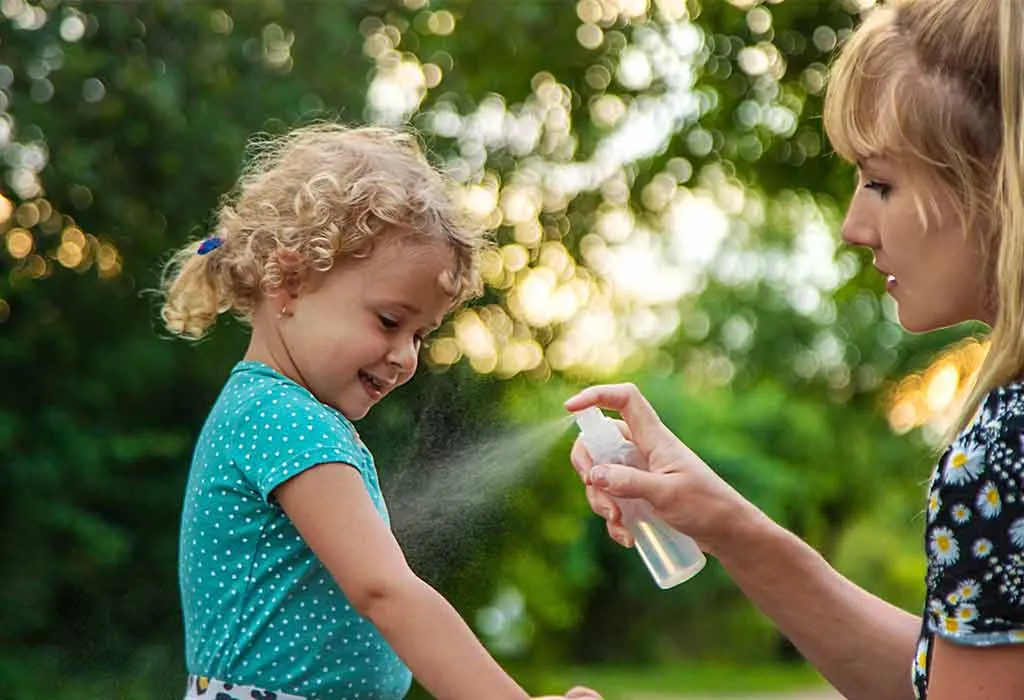
1. Use Insect Repellent
Apply insect repellent on your child’s exposed skin and clothing to protect them from sandfly bites. Choose an insect repellent with DEET, picaridin, or other effective ingredients (8).
2. Wear Protective Clothing
Dress your child in long pants, long-sleeved shirts, and socks, especially when sandflies are most active at dusk and dawn. Light-coloured clothing is preferable, as it is less attractive to sandflies.

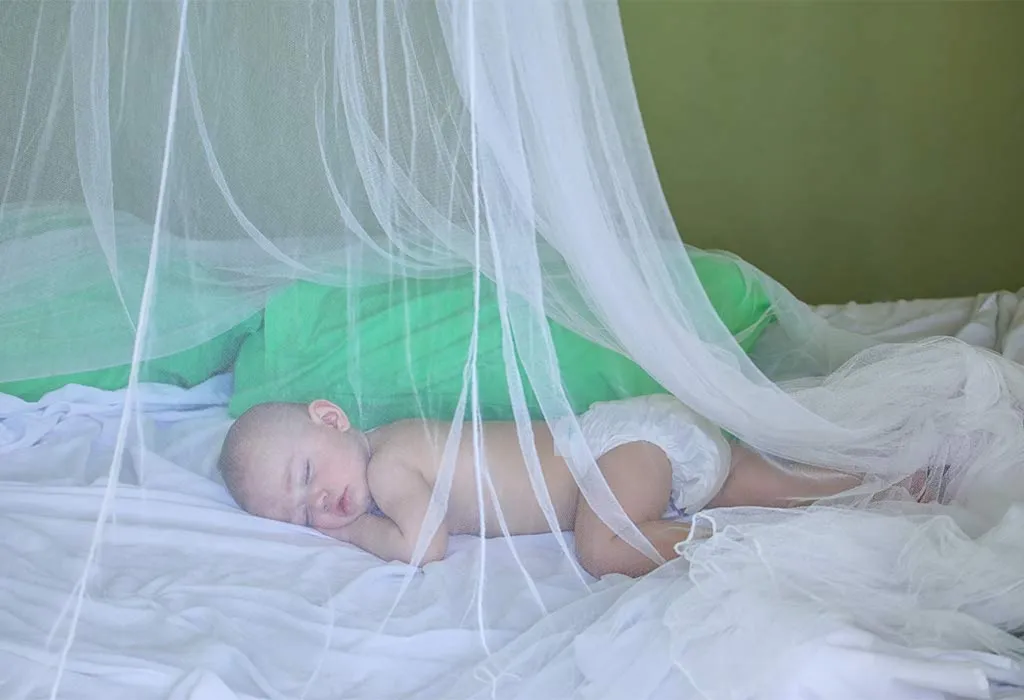
3. Install Bed Nets
Bed nets treated with insecticide can provide additional protection while your child sleeps. Ensure that the net is tucked in properly and free of holes.
4. Keep Indoor Spaces Secure
Sand flies inhabit cracks in walls or home parts made up of sand or mud.
Identify sandfly breeding places: Breeding sites includes holes & crevices in wall,holes in trees, dark rooms , stable & store rooms.
Keep air and ventilation in houses. Cleaning of the collected water places and garbage control. To prevent sandflies from entering the home, make sure the doors and windows have screens.

5. Maintain Clean Surroundings
Remove standing water, keep the environment clean, and dispose of garbage properly to eliminate sandfly breeding sites around your home. Also, regularly clear vegetation and debris where sandflies might thrive (9).

6. Community Awareness and Action
Participate in community efforts to control sandfly populations, such as insecticide spraying and public health campaigns. Educating neighbours and local communities about preventive measures can help reduce the overall risk of Chandipura virus transmission.
What Are Doctors Saying About This Virus?
Experts emphasise the importance of vector control, hygiene, and awareness in combating the spread of the Chandipura virus (CHPV). Dr. Atul Goel from the Directorate General of Health Services and other health specialists highlight that comprehensive studies are essential to understanding the epidemiology and environmental factors contributing to CHPV outbreaks. They stress that reducing exposure to sandflies, the primary vector, and improving public health measures and community education efforts are essential (10).
When to Consult a Doctor?
Consult a doctor immediately if you or your child experiences:
- Sudden high fever
- Severe headache
- Persistent vomiting
- Drowsiness or unusual sleepiness
- Confusion or altered mental state
- Seizures (fits)
- Loss of consciousness
FAQs
1. What actions has the government taken to address the Chandipura virus outbreak?
The government has implemented vector control programs to reduce mosquito populations and has conducted awareness campaigns to educate the public about prevention methods. Additionally, efforts are being made through health departments to monitor and manage outbreaks.
2. Are there any vaccination options available for the Chandipura virus disease?
Currently, no specific vaccine is available for the Chandipura virus. Prevention primarily relies on reducing mosquito exposure and following protective measures.
3. What should I do if my child shows symptoms of the Chandipura virus?
If your child exhibits a high fever, rash, or seizures, seek medical attention immediately. Early diagnosis is important to manage the disease effectively.
4. Does every sandfly bite cause Chandipura virus infection?
No. Only sandflies carrying the Chandipura virus can transmit the infection. Most sandfly bites do not result in CHPV infection.
5. Is Chandipura virus the same as Japanese Encephalitis?
No. Although both can cause encephalitis, they are caused by different viruses and are transmitted by different insect vectors. Chandipura virus is mainly spread by sandflies, while Japanese Encephalitis is transmitted by infected mosquitoes.
By implementing effective preventive measures and staying informed about the latest recommendations, you can significantly mitigate the risk of Chandipura vesiculovirus. Your efforts to stay informed and act make a big difference in keeping your child healthy and safe.
Also Read:
Cold vs Flu in Children
Dengue Fever in Kids
Malaria in Children
West Nile Virus in Kids
Chikungunya in Children
Zika Virus Infection in Kids
Rubella (German Measles) in Babies and Kids
Was This Article Helpful?
Parenting is a huge responsibility, for you as a caregiver, but also for us as a parenting content platform. We understand that and take our responsibility of creating credible content seriously. FirstCry Parenting articles are written and published only after extensive research using factually sound references to deliver quality content that is accurate, validated by experts, and completely reliable. To understand how we go about creating content that is credible, read our editorial policy here.
1. PubMed – Chandipura Virus: an emerging tropical pathogen
2. PubMed Central – Changing clinical scenario in Chandipura virus infection
4. IndiaBioscience – Unravelling the mechanism of infection of the deadly Chandipura virus
6. Acta Tropica – Chandipura Virus: An emerging tropical pathogen
9. European Centre for Disease Prevention and Control – Phlebotomine sand flies – Factsheet for experts
- Author
- Expert Reviewer


Related Articles
-

5 Warning Signs In Your Baby's Health When You Must Call The Doctor At Once!
-
Apnea of Prematurity - Causes, Symptoms & Treatment
-
Omphalitis - Causes, Symptoms and Treatment
-
Underweight Child - Causes, Symptoms and Meal Plan
-
Viral Infection in Kids
-
Harmful Ingredients You Need to Look Out For in Baby Care Products






.svg)