
Did You Know Your Baby’s Skin Is Still Developing for 2 Years?





This health content has been medically reviewed by qualified experts and follows the FirstCry Parenting editorial policy to ensure accuracy and reliability.
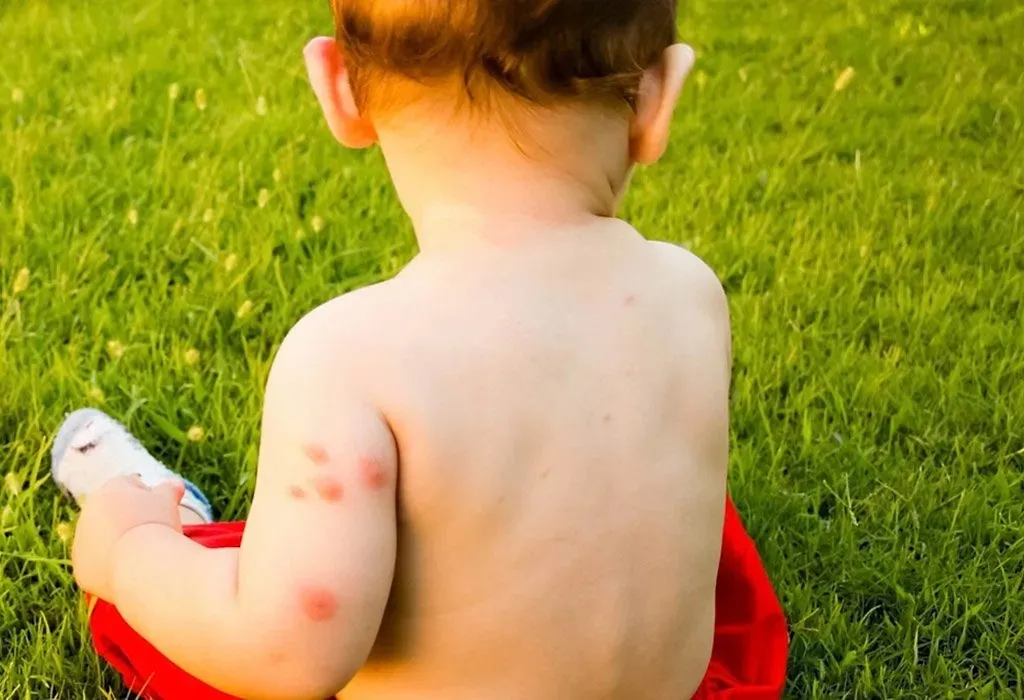
A baby’s skin often feels irresistibly soft, something people notice right away. But what many do not realise is that this softness comes with a certain fragility. At birth, a baby’s skin is still developing and continues to do so for the next two years. During this time, the skin is learning how to protect itself. It is building its barrier, adjusting to the outside world, and finding its natural balance.
Read on to learn how to care for your baby’s skin during this important stage.
Understanding the Skin Barrier Better
The skin barrier is the outermost layer of the skin. It acts as a protective shield, keeping moisture in while blocking out irritants, germs, and pollutants (1).
For this barrier to function properly, the skin relies on a specific balance of essential lipids. These include ceramides, free fatty acids, and cholesterol, which work together in a ratio of 3:1:1 (2). Along with a slightly acidic environment (around pH 5.5), this balance helps maintain the skin’s structure and supports its role as an effective protective layer.
In adults, this barrier is typically strong and stable. In babies, however, it is still developing. As a result, moisture escapes more easily, the skin becomes dry or irritated more quickly, and harmful microbes can enter more easily (3).
How Long Does the Skin Barrier Take to Fully Develop?
A baby’s skin continues adapting after birth. Inside the womb, it is protected by a controlled and stable environment (4). After birth, it is suddenly exposed to air, clothing, weather, and cleansing products.
Over time, the skin gradually becomes stronger. It builds a more stable structure, improves its ability to retain moisture, and develops a balanced ecosystem of beneficial bacteria on the surface. This process does not happen overnight. It takes time, which is why the first two years are so important for long-term skin health (5).
The Role of pH in Skin Development
As the skin barrier develops, maintaining the right environment becomes essential. This is where pH comes in.
So, let’s talk pH! It’s short for “potential of hydrogen” and refers to how acidic or alkaline a surface is. Healthy skin naturally stays slightly acidic, around pH 5.5 (6). This balance, often called the acid mantle, supports the skin’s ability to function properly.
For baby skin, maintaining this balance is especially important because the barrier is still forming.
Why pH 5.5 Is Important for Babies
Maintaining pH 5.5 supports three essential functions (7):
1. Strengthening the Skin Barrier
A slightly acidic environment helps the skin barrier form properly. It improves the skin’s ability to hold moisture and resist damage.
2. Supporting the Microbiome
The skin is home to beneficial bacteria. Together, they form the microbiome, which protects against harmful microbes. A pH of 5.5 encourages good bacteria to thrive while keeping unwanted ones in check (8).
3. Reducing Irritation
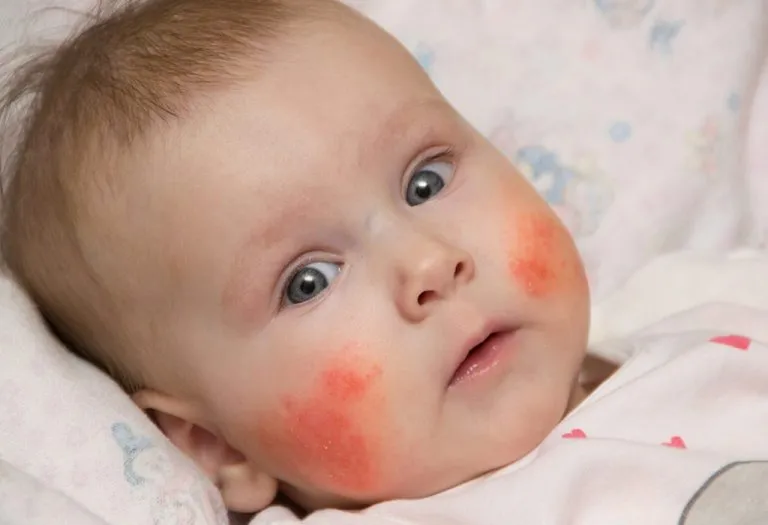
When the skin’s pH shifts too high, it becomes more prone to dryness, redness, and rashes. Maintaining the right pH helps keep the skin calm and balanced.
That is why choosing the right skincare products matters from the very beginning.
How to Maintain a Newborn’s Skin pH at 5.5?
Since baby skin is delicate and still maturing, everyday skincare should focus on supporting the natural barrier rather than disrupting it. Here are a few simple principles that help protect a baby’s skin:
1. Choose Products With Ideal pH
Products formulated at pH 5.5 support the skin’s natural protective layer and help maintain microbiome balance.
2. Avoid Harsh Soaps
Traditional soaps often have a higher, more alkaline pH. This can strip away natural oils and disturb the skin barrier (6). Instead, look for a gentle kind like Sebamed Baby Gentle Wash, a great no soap & no-tear formula, perfect for your little angel.
3. Moisturise, Moisturise, Moisturise!
Moisturising helps reinforce the developing barrier and reduces dryness or irritation. Sebamed’s Baby Body Lotion is a paraben-free emollient that contains chamomile to soothe sensitive baby skin and allantoin for that extra soft kissable skin.
4. Choose a Gentle Shampoo
A baby’s scalp is just as delicate as the rest of their skin. Use a mild, tear-free shampoo with a pH of 5.5 to cleanse without drying. Sebamed Baby Shampoo with ‘no tears’ formula is one such product that has botanical extracts from chamomile that help with extra mild cleansing of hair and scalp.
5. Prevent Diaper Rash
The diaper area is prone to irritation due to constant moisture and friction. Choosing a rash cream with a pH of 5.5 is especially important here, as it helps prevent infections that can worsen rashes.
The Sebamed Baby Rash Cream is one of the best in the game, a simple, fuss-free formula with pH 5.5 and titanium dioxide (TiO₂) that delivers a stable, long-lasting protective barrier, so your baby’s skin stays protected, always.
Baby’s skin does not need complicated routines. It needs the right care to help it thrive. Maintaining a pH of 5.5 may seem like a small detail, but it plays an important role in how the skin barrier forms, how moisture is retained, and how well the skin protects itself. These early choices help build a strong foundation for healthier skin in the years ahead.
Was This Article Helpful?
1. Cleveland Clinic – HowTo Tell if Your Skin Barrier Is Damaged and What To Do About It
3. PubMed Central – Skin Barrier Function in Neonates and Infants
4. Johns Hopkins Medicine – Anatomy:Fetus in Utero
5. PubMed Central – Skin Barrier Function in Infants: Update and Outlook
6. Cleveland Clinic – What Is Your Skin’s pH and Why Does It Matter?
7. Journal of Investigative Dermatology – The Skin Acid Mantle: An Update on Skin pH
8. PubMed Central – The skin microbiome
- Author





.svg)