
Bloating During Ovulation – Causes, Signs, and How to Manage
Understand why bloating happens around ovulation, what symptoms to expect, and simple ways to ease the discomfort.




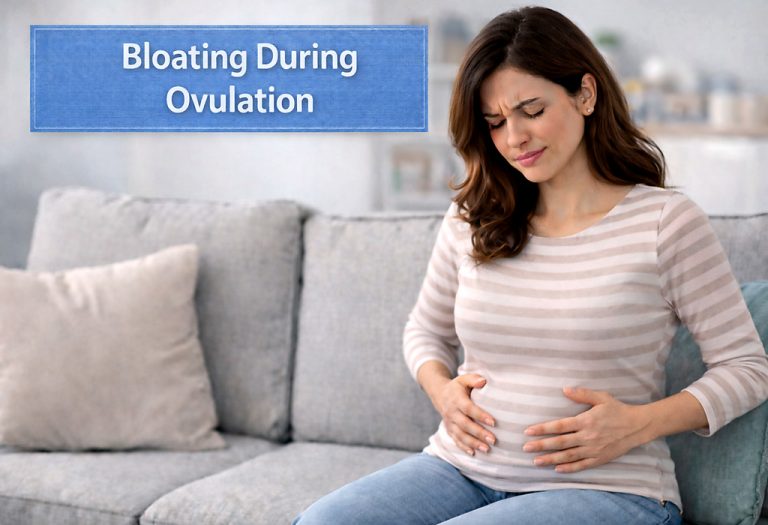
Image Credit : AI Generated Image
Ever feel a little swollen or uncomfortable right around the middle of your cycle and wonder why? Bloating during ovulation is more common than people realise, and it can show up even when you are eating well and feeling healthy. Hormone changes during this time can affect how your body holds water and how your stomach feels, leading to that familiar tight or full sensation. It is normal, but it can still be frustrating. Read the article to understand what causes ovulation bloating and how you can manage it.
What Is Bloating?
Bloating is that uncomfortable feeling when your stomach feels full, tight, or swollen, sometimes even looking larger than usual. It can happen because of gas, fluid buildup, slow digestion, or hormone changes, and it often comes with pressure or mild pain (1) (2). Bloating is common and usually temporary, but it can still affect how you feel and move through your day.
Does Ovulation Cause Bloating?
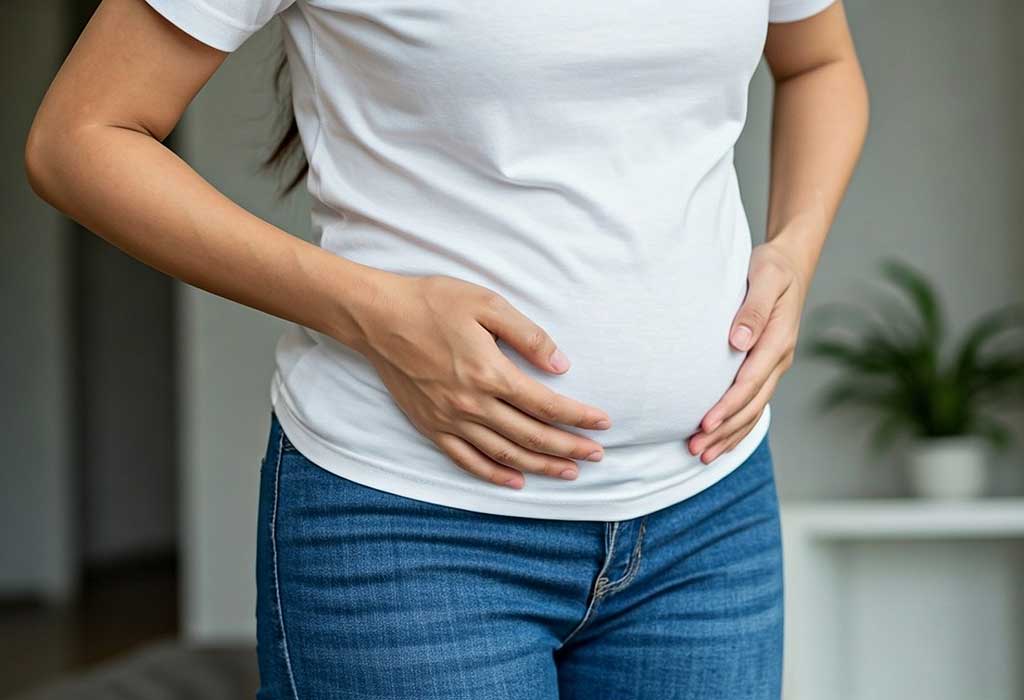
Ovulation can cause bloating (3). During this time in your cycle, hormone levels change quickly. Levels of progesterone decreases, while estrogen begins to increase, and these changes can lead to temporary fluid retention (1). As a result, your stomach may feel full, tight, or slightly swollen for a day or two.
Is It Normal to Bloat During Ovulation?
Bloating during ovulation is a common body response and not a sign that something is wrong. As your hormones rise and fall, your body may hold on to more fluid, or your digestion may slow down slightly (4). This can make your stomach feel heavier or more stretched than usual for a short time. For most people, the discomfort fades on its own once ovulation passes.
Causes of Bloating While Ovulating
Bloating during ovulation usually comes down to a few simple body changes. Hormone levels rise at this time (5), which can cause your body to hold on to extra fluid and make your stomach feel swollen. Digestion may also slow slightly, leading to gas or a heavy feeling after meals. Some people are more sensitive to these shifts, so the bloating feels more noticeable.
Signs of Bloated While Ovulating
Here are some common signs of bloating that can happen while you are ovulating (2).
- A tight, stretched, or swollen feeling in the lower belly.
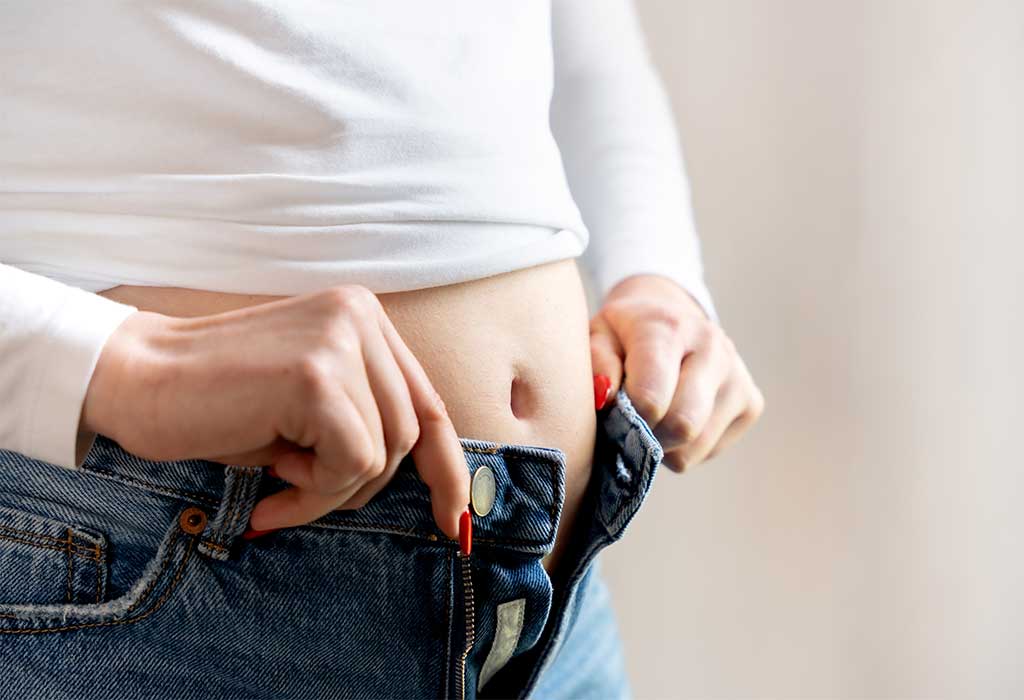
- Clothes or waistbands feel snug even without weight gain.
- A sense of fullness, even after eating small meals.
- Mild stomach pressure or discomfort.
- Increased gas or slower digestion.
Difference Between Ovulation Bloating and Premenustral Bloating
Ovulation bloating and premenstrual bloating can feel similar, but they usually show up at different times and for different reasons. Ovulation bloating happens around the middle of the cycle and is often mild and short-lived, while premenstrual bloating appears closer to your period and tends to feel heavier or last longer (6).
How to Cope Up With Bloating During Ovulation?
Bloating during ovulation can feel uncomfortable, but the good news is that it’s usually mild and short-lived. Simple lifestyle and diet changes can help ease the discomfort and make you feel more at ease during this phase of your cycle. Here are some easy ways to cope with extreme bloat during ovulation (1).
1. Stay Hydrated
Drinking enough water helps reduce fluid retention and supports smoother digestion, which can ease that heavy, bloated feeling (7).

2. Choose Light, Balanced Meals
Eating smaller, well-balanced meals can prevent digestive discomfort. Focus on fruits, vegetables, whole grains, and lean proteins while avoiding overly salty or processed foods (2).
3. Exercise
Light physical activity, such as walking, yoga, or stretching, can improve digestion and reduce the feeling of fullness. Even a short daily movement routine can make a difference (6).

4. Limit Gas-Causing Foods
Foods like beans, carbonated drinks, fried foods, and dairy (for those sensitive to it) can worsen bloating. Reducing these around ovulation may help keep your stomach feeling lighter.
5. Get Enough Rest
Proper sleep helps regulate hormones and supports digestion, which can reduce bloating during this phase of your cycle (4).
When to Call the Doctor?
While bloating during ovulation is usually harmless, you should consider seeing a doctor if you notice any unusual or severe symptoms (1) (2):
- Sudden, severe, or persistent abdominal pain.
- Bloating that lasts longer than your usual cycle pattern.
- Unexplained weight gain or swelling in other parts of the body.
- Nausea, vomiting, or changes in bowel movements alongside bloating.
- Fever or signs of infection.
- Bloating accompanied by irregular periods or other unusual reproductive symptoms.
FAQs
1. Can ovulation bloating be painful?
Ovulation bloating is usually mild, but in some cases, it may feel uncomfortable or cause slight abdominal pressure. If you experience extreme bloating and cramping during ovulation, it’s best to consult a doctor.
2. Does ovulation bloating happen every cycle?
Some people experience bloating every cycle, while others notice it only occasionally. Hormone levels, diet, stress, and lifestyle habits can all affect whether bloating occurs.
3. Is ovulation bloating linked to ovulation pain (mittelschmerz)?
Sometimes, yes. Bloating and ovulation pain can occur together because both are influenced by hormonal shifts and temporary changes in the ovaries and surrounding tissues (8).
Bloating and ovulation often go hand in hand for many people during their cycle, and that’s completely okay. By paying attention to your body, you can turn these temporary annoyances into opportunities to care for yourself.
Also Read:
Can You Ovulate More Than Once a Month?
Bleeding During Ovulation – Are You Pregnant?
Is it Possible to Get Pregnant Without Ovulation?
How to Check Your Cervical Mucus and Detect Ovulation?
Was This Article Helpful?
Parenting is a huge responsibility, for you as a caregiver, but also for us as a parenting content platform. We understand that and take our responsibility of creating credible content seriously. FirstCry Parenting articles are written and published only after extensive research using factually sound references to deliver quality content that is accurate, validated by experts, and completely reliable. To understand how we go about creating content that is credible, read our editorial policy here.
1. Cleveland Clinic – Bloated Stomach
3. Cleveland Clinic – Ovulation
4. PubMed Central – Abdominal Bloating: Pathophysiology and Treatment
5. National Library of Medicine – Physiology, Ovulation
6. Temple Health – 5 Common Causes of Bloating and How to Relieve the Discomfort at Home
- Author
 About the Author