

Teeth Whitening in Pregnancy – Is It Safe?
Is teeth whitening safe during pregnancy? Learn when and how to keep your smile bright without risks





Medically Reviewed By
Dr. Deepinder Kaur
(Gynaecologist)

In this Article
- What Is Teeth Bleaching?
- Can You Whiten Teeth While Pregnant?
- Pregnancy Gingivitis and Teeth Whitening
- Risks of Teeth Whitening or Bleaching While Pregnant
- Tips for Teeth Whitening During Pregnancy
- Natural Teeth Whiteners That Are Safe to Use During Pregnancy
- FAQs
View More
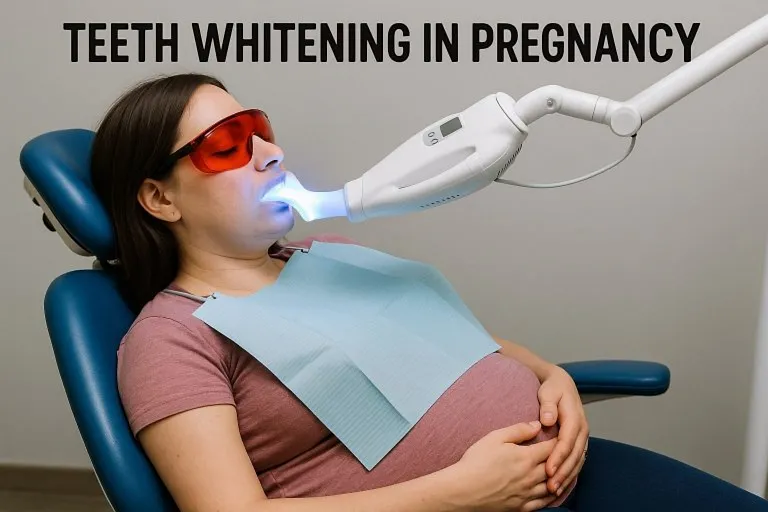
We all want our pearly whites to stay white and shiny, but if you’re pregnant and are thinking of undergoing teeth whitening procedures, then you will have to check whether or not it’s safe. The primary concern for many expectant mothers is the safety of elective cosmetic treatments, including teeth whitening in pregnancy. Some women experience dental problems during pregnancy, such as gum issues or stained and discoloured teeth. In either case, a pregnant woman must check with her doctor regarding the need for any dental treatment. This article will inform you about bleaching teeth, and it will detail the safety considerations and potential risks of the same during pregnancy.
What Is Teeth Bleaching?
Teeth bleaching is a technique used for whitening teeth enamel, which makes the teeth shine and look bright. There are two ways to brighten the teeth. The first option is using a whitening toothpaste, and the other is consulting a professional for the same (1). Whether you use a toothpaste or consult a professional, peroxides will be used in various concentrations to bleach the teeth.
Can You Whiten Teeth While Pregnant?
Is teeth bleaching safe during pregnancy? There’s not enough evidence to confirm that bleaching or whitening teeth during pregnancy poses any risks for the mom-to-be or the baby, but to avoid taking any chances while pregnant, it’s best to avoid it. There is not enough evidence that confirms the dangerous effects of bleaching teeth during pregnancy. But peroxides above a certain concentration in the body have been shown to cause tissue injuries. It’s important to keep this in mind when using peroxide toothpaste, where the chances of swallowing it are higher. The best thing to do is to delay the bleaching treatment until after delivery (2).
Pregnancy Gingivitis and Teeth Whitening
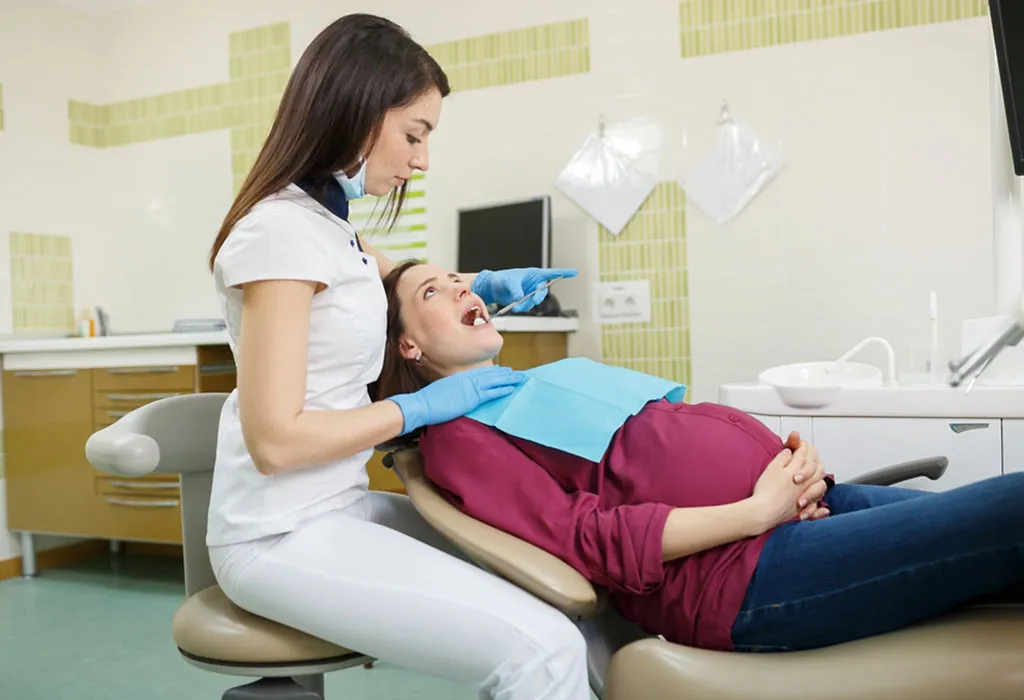
You may want to whiten your teeth post-pregnancy if you have pregnancy gingivitis. This condition causes inflamed gums due to the hormonal flux during pregnancy (3). These hormones increase blood circulation in the gums, making them prone to inflammation and bleeding. You can avoid this by maintaining teeth hygiene. In case you want to whiten your teeth, check with your doctor because the peroxide in the teeth whitening bleach can worsen your already sensitive gums.


Risks of Teeth Whitening or Bleaching While Pregnant
Understanding the potential risks of bleaching teeth while pregnant is crucial for making an informed decision. The following points outline the primary concerns associated with this elective procedure for expectant mothers.
1. Increased Tooth Sensitivity
Pregnancy hormones can make your gums and teeth more sensitive and vulnerable to irritation. The bleaching agents used in whitening treatments can significantly exacerbate this sensitivity, causing considerable discomfort and pain.
2. Potential Harm to the Developing Baby
While direct studies are limited, the chemical components in whitening gels, such as hydrogen peroxide, could potentially be swallowed. There is no conclusive evidence proving these chemicals are safe for a developing fetus, so avoidance is the recommended precautionary approach (4).
3. Heightened Gum Irritation and Inflammation
Many pregnant women already experience pregnancy gingivitis, which causes swollen, tender gums that bleed easily. Applying a strong whitening gel can further irritate these sensitive gum tissues, leading to increased inflammation and discomfort.
4. Unpredictable and Uneven Results
Hormonal changes can affect the porosity of your teeth and the health of your gums, which may interfere with the whitening process. This can lead to uneven results, streaking, or a less effective outcome overall, making the procedure a poor investment during this time.
5. Exacerbation of Underlying Dental Issues
Pregnancy can sometimes uncover or worsen pre-existing dental problems. Whitening treatments can aggravate these unknown or underlying conditions, such as minor cavities or cracks, turning a simple cosmetic procedure into a more serious dental emergency.
6. Lack of Safety Data and Medical Approval
Major dental associations universally advise against elective procedures like teeth whitening during pregnancy due to the lack of comprehensive research. Since the safety cannot be definitively confirmed, most healthcare providers will recommend postponing treatment until after delivery and breastfeeding.
Tips for Teeth Whitening During Pregnancy
When considering a brighter smile, prioritising safety is paramount. For those seeking pregnancy-safe teeth whitening, the best approach focuses on gentle, non-chemical methods and professional consultation.
1. Prioritise a Thorough Oral Hygiene Routine
The most effective way to maintain a bright smile is through excellent daily care. Brush at least twice a day with a fluoride toothpaste and floss daily to remove surface stains and plaque, which can make teeth appear yellower.
2. Choose Your Diet to Minimise Staining
Be mindful of foods and drinks that stain teeth, such as coffee, tea, and berries. When you do consume them, rinse your mouth with water immediately afterwards to help reduce their staining potential.
3. Consult Your Dentist for Safe Advice
Always speak with your dentist and obstetrician before trying any whitening method. They can provide personalised guidance and confirm whether a specific product or procedure is safe for your individual situation (5).
4. Use Whitening Toothpaste Approved by Your Dentist
Some mild, non-bleaching whitening toothpastes that rely on gentle abrasives may be considered safe. However, it is essential to get your dentist’s approval on a specific brand before use to ensure it does not contain harsh chemicals.
Natural Teeth Whiteners That Are Safe to Use During Pregnancy
If you have discoloured or stained teeth and you’re looking for at-home teeth whitening during pregnancy, you can use natural teeth whiteners. Below is a list of pregnancy-safe teeth whiteners you can use after checking with your doctor (6).
1. Strawberries
Take a fresh strawberry and mash it in a bowl along with some toothpaste. Using your finger or your toothbrush, apply this mixture to your teeth. After five to ten minutes, wash out the mixture, then brush and floss properly to remove any strawberry pieces that might have gotten lodged between your teeth. Strawberries contain malic acid, which can help dissolve dental stains. But you should not leave it for long, as the malic acid can damage teeth enamel.
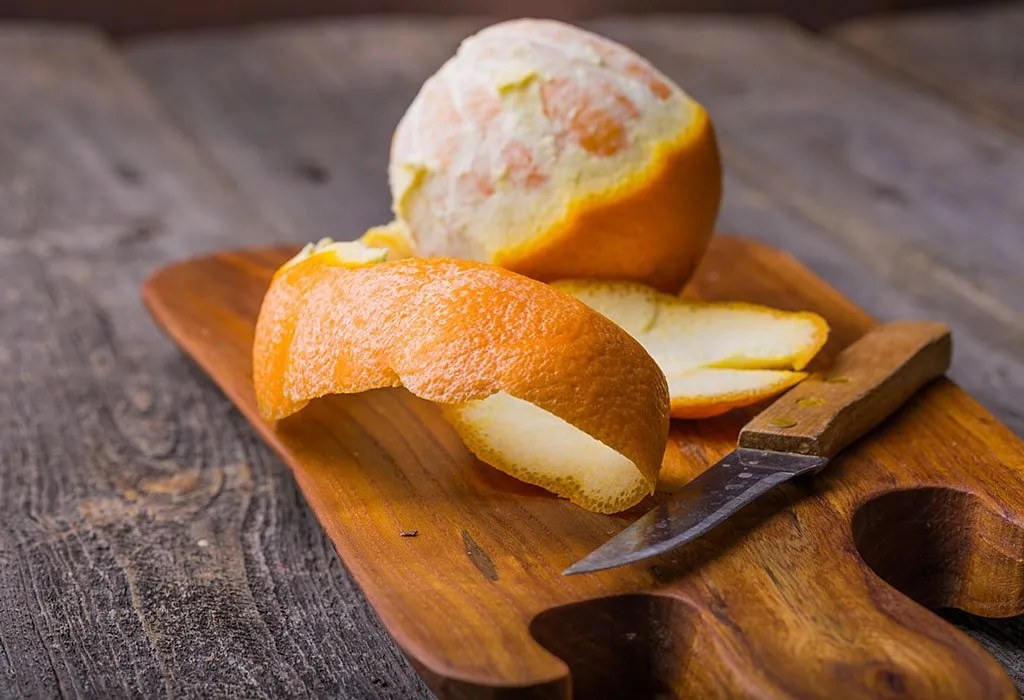
2. Orange Peel
You can take an orange peel and brush your teeth with it. Make sure you cover both the front and back surfaces of your teeth. After repeating this a few times, rinse your mouth. The mild fruit acids and vitamin C present in oranges are great for teeth and can help with teeth discolouration considerably.
3. Lemon Juice and Salt
Take some lemon juice in a bowl; add half a teaspoon of salt to the juice and some water, and mix well. Rub this mixture across your teeth. Don’t use this technique if your gums are sensitive or if you are on a reduced salt diet.
4. Turmeric
Put some turmeric powder on your wet toothbrush and then brush your teeth gently in circular motions. Then rinse.
5. Apple Cider Vinegar
Apple cider vinegar (ACV) has malic acid too, just like strawberries and can be used to remove teeth stains in diluted form. To use apple cider vinegar, add half a teaspoon of apple cider vinegar to a cup of water. Mix well and gargle with this solution before brushing your teeth. You can try this remedy twice or thrice a week.
FAQs
1. Can you bleach your teeth when breastfeeding?
While the risks are lower than during pregnancy, the consensus on breastfeeding and teeth whitening remains cautious. It is generally recommended to postpone elective bleaching until after you have finished nursing, as there is insufficient data on whether whitening chemicals can pass into breast milk.
2. Can you use whitening strips while pregnant?
No, it is not advised. Whitening strips contain bleaching gels that can be absorbed by your gums or swallowed in small amounts. Due to the unknown effects on fetal development, dentists recommend avoiding them entirely during pregnancy.
3. Are teeth whitening pens safe during pregnancy?
No, they are not considered safe. These pens contain the same concentrated bleaching gels as other products. The risk of swallowing the gel and the potential for gum irritation make them unsuitable for use during this time.
4. Can pregnancy hormones themselves cause teeth to yellow?
Yes, indirectly. Hormonal changes can lead to gum inflammation, which may cause more plaque buildup. This plaque can make teeth appear more yellow, even without changes in diet or hygiene.
This was all about teeth whitening and pregnancy. Before you try to whiten your teeth with using any of the above natural remedies, do check with your doctor first. Further, you can discuss with your dentist about your options regarding teeth bleaching during pregnancy. Either way, remember to make your dental appointments regular, so your teeth can be cleaned of tartar or the yellowish hardened plaque which stains your teeth. Make sure that your dentist keeps an eye out for periodontal disease, which can lead to premature labour and low birth weight in newborns.
Also Read:
Is it Safe to Get Braces in Pregnancy
Ways to Prevent Root Canal in Pregnancy
Home Remedies for Tooth Pain while Pregnant
Dental Problems and Treatment during Pregnancy
Was This Article Helpful?
Parenting is a huge responsibility, for you as a caregiver, but also for us as a parenting content platform. We understand that and take our responsibility of creating credible content seriously. FirstCry Parenting articles are written and published only after extensive research using factually sound references to deliver quality content that is accurate, validated by experts, and completely reliable. To understand how we go about creating content that is credible, read our editorial policy here.
- Author
- Expert Reviewer
 About the Author
Aarohi Achwal
Related Articles
-
Taking Insulin During Pregnancy - Recommended Dosage, Risks and Tips
-
11 Simple Pregnancy Beauty Tips
-

Tiredness and Fatigue During Pregnancy - Causes and How to Cope With It
-
Baby Shower Thank You Notes - What You Should Write
-
Back Pain During Pregnancy – Types, Reasons & Remedies
-

Running during Pregnancy - Is It Harmful?


.svg)