
Baby Rubbing Eyes – Reasons, Risks and Prevention
Is your baby rubbing their eyes often? Learn the reasons behind this common behavior and how to help it.





Medically Reviewed By
Dr. Arti Sharma
(Paediatrician)


Once you bring your little one home from the hospital, you will start to notice cute little things about them. What they do, the sound they make and the way they look around with their big beady eyes. Babies rubbing their eyes is possibly the cutest thing you will see. When an infant rubs eyes, their tiny fists rubbing those round, curious eyes are sure to tug at your heartstrings. Usually, babies rub their eyes when they feel tired or sleepy, but in some cases, your baby might also be feeling pain due to dust or an eyelash in the eyes, an eye infection, or even an allergy. In this article, we will discuss the reasons and prevention of a baby rubbing its eyes.
Your infant rubbing his eyes can be a warning sign for all the above. You need to be alert so that you can do everything to help prevent your little one from accidentally hurting his eyes by rubbing too hard. Let’s look at some of the reasons why babies rub their eyes.
Why Do Babies Rub Their Eyes?
Babies can rub their eyes for a lot of different reasons, just like they cry for many different reasons. Baby rubbing eyes while sleeping is a common occurrence. However, there is a solution to everything! Here are some reasons why babies rub their eyes –
1. They Are Feeling Sleepy
Sometimes, along with rubbing the eyes, your baby may also yawn. This means that he is sleepy and tired (1). When you are tired, your eyes are fatigued. That’s why babies rub their eyes, so that they can try and relieve some of the tension and soreness around the eye muscles and in the eyelids, just like during a massage. This indicates that it’s time for a good, long nap!
2. Their Eyes Are Dry
Your baby can also rub his eyes when they become too dry. A tear film covers the inside of the eye and evaporates if it gets exposed to air for a long time. This creates discomfort due to dryness of the eyes, and your baby may instinctively rub his eyes to relieve that discomfort, especially since rubbing creates tears, which bring back moisture to the eyes (2).




3. They Are Curious
You may notice that when you close your eyes and rub them, you see lights and patterns on the insides of your eyelids. Your little one may have recently developed the motor skills to rub his eyes and is experimenting with this new skill. Your baby may be amazed by the patterns seen while rubbing the eyes and could be trying it over and over again to experience it.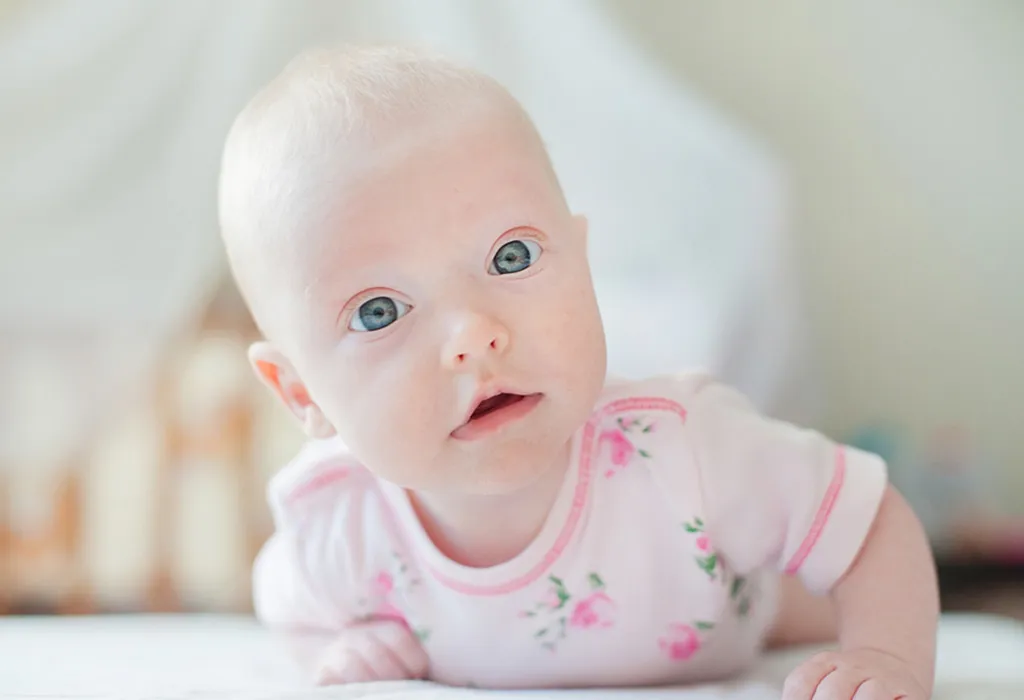
4. There Is Something in Their Eyes
Your baby may be rubbing his eyes continuously if there is something in there causing irritation. It may be specks of dust, an eyelash, or dried mucus. It is important to note that even blinking or tears may be signs of this. If there is an irritant in your baby’s eyes, use a soft, wet cloth to wipe the eye and face so that nothing else gets in. After that, use cold water to clean your baby’s eyes (never use warm water inside the eyes) (3). Make sure someone is holding the baby’s head, or there is adequate support when you do this.
If you see something stuck in the corner of your baby’s eye, try using a warm, wet cloth or cotton swab to brush it out. If the tears and blinking persist even after that, it might mean the foreign object is still stuck inside the eye. In that case, it is best to visit a doctor.
5. Painful or Itchy Eyes
Another reason for a baby rubbing his eyes might be due to allergies or an infection that may present itself through pain or itching. Symptoms that your baby has an eye infection may include swollen or reddish eyes, discharge, fever, or continued crying. In such cases, it is better to consult a doctor so that they can correctly diagnose and treat your baby’s eye infection or allergy (4).
6. They Are Overstimulated
Sometimes babies rub their eyes when they feel overwhelmed or overstimulated. Too many sounds, lights, or people around them can make them tired and fussy. Rubbing the eyes becomes a self-soothing action that helps them calm down and block out some stimulation. This answers the question – Why do babies rub their eyes when tired? If you notice this, moving your baby to a quieter, dimly lit space may help them relax.
7. They Are Developing Motor Skills
As babies grow, they constantly explore their bodies and movements. Eye rubbing may simply be part of learning how their hands work. They may touch their face, ears, and eyes repeatedly while practicing coordination. This is a normal part of development as babies learn to control their hand movements (5).

At What Age Do Newborns Start Rubbing Their Eyes?
Babies usually start rubbing their eyes when they are just months old! They could be rubbing their eyes for a variety of reasons, such as tiredness, itchiness, etc.
How Can You Prevent Babies From Rubbing Their Eyes?
You need to take some measures to prevent your baby from rubbing his eyes often, as it might cause injury or scratches to your little one’s eyes. Here are some ways to prevent this from happening.
- Try covering your baby’s hands with mittens if he has a vigorous eye-rubbing habit. This will protect his skin from getting scratched or irritated.
- Put your baby to sleep immediately if you notice eye-rubbing accompanied by yawning. Establish a sleep routine for your baby and stick to it. Once your baby gets used to it, there will be no more tiredness, and hence, no more eye rubbing (6).
- To prevent foreign objects from getting inside your baby’s eyes, try not to take him/ her to places where there is a lot of dust flying around. If you have to, then properly protect the baby’s eyes and nose before exposing him/her to dust.
- Distract them with toys or other objects. This will help divert their attention.
- Hand them a toy or some other object that will keep their hands busy.
- Cover your child’s hands with cotton mittens to stop them from touching their eyes.
Risks of Vigorous Eye Rubbing
While mild eye rubbing when sleepy, etc., is unlikely to pose any threat, vigorous eye-rubbing may have certain risks. Your baby may have scratched their eye. Here are some of the risks of rubbing eyes frequently or with force.
1. Increases the Risk of an Infection
Babies are naturally curious and keep touching everything around them. Not to mention the people around who transfer the germs they carry when cuddling the little ones. Rubbing the eyes increases the risk of these germs being transferred into your baby’s eye and causing an infection.
2. Worsens Eyesight in the Long Term
Constantly rubbing the eyes leads to thinning of the corneal tissue, worsening eyesight in the long run. While the effects may not be as immediate as infection, your baby is more likely to grow up with progressive myopia later on in life.
3. Can Cause an Injury
The baby may vigorously rub his eye if there is something stuck in there, causing irritation. This increases the risk of a corneal abrasion, which can be painful and take longer to heal.
When to See a Doctor
You should visit your doctor if you notice that your baby is rubbing their eyes for reasons other than teething pain or tiredness. If you notice other symptoms, such as swelling or redness in the eyes, you should consult your paediatrician.
FAQs
1. Can rubbing eyes cause retinal tears in babies?
Eye-rubbing can cause redness and irritation in a baby’s eyes. However, it is unlikely that it will cause retinal tears.
2. Can rubbing eyes lead to permanent damage in babies?
Rubbing your eyes is a very natural phenomenon and, in most cases, is not something to worry about.
3. Why does my newborn rub their eyes while feeding?
A newborn rubbing eyes during feeding can happen when the baby starts to feel relaxed or drowsy. Feeding is comforting, and babies may begin rubbing their eyes as they transition toward sleep. In some cases, milk dribbling near the face or slight skin irritation around the eyes can also make them rub the area. Gently wiping the face and ensuring the baby is comfortable during feeding can help.
4. Can eye rubbing in babies affect their eyesight?
Occasional eye rubbing is normal and usually does not harm vision. However, if a baby keeps rubbing eyes very frequently or aggressively, it may lead to temporary irritation around the eyelids or skin. In rare cases, constant rubbing may indicate underlying issues like allergies, dryness, or fatigue. If you notice redness, swelling, or persistent discomfort along with the rubbing, it’s best to have your baby’s eyes checked by a pediatrician.
5. Can eye rubbing make my baby’s eyes red?
Yes, frequent rubbing can sometimes make the delicate skin around the eyes appear slightly red. In the case of an infant rubbing eyes a lot, the friction may irritate the eyelids or the surrounding skin. This is usually temporary and improves once the baby rests or stops rubbing. However, if redness persists along with swelling, discharge, or sensitivity to light, it is best to consult a pediatrician.
Do not worry or panic if you notice your baby developing an eye-rubbing habit. If you think something is bothering him and notice any redness or swelling, try washing the eyes and cleaning the area around them, using the methods explained above. If that does not help with redness, and the swelling persists, consult a doctor. If the eye- rubbing continues to a greater extent, even without redness or swelling, it is still better to visit the doctor once to be 100% sure that everything is alright. After all, no compromises should be taken when it is your baby in question!
Also Read:
Watery Eyes in Babies
Eye Infection in Babies
Eye Problems in Babies
Baby Eyes Rolling Back
Was This Article Helpful?
Parenting is a huge responsibility, for you as a caregiver, but also for us as a parenting content platform. We understand that and take our responsibility of creating credible content seriously. FirstCry Parenting articles are written and published only after extensive research using factually sound references to deliver quality content that is accurate, validated by experts, and completely reliable. To understand how we go about creating content that is credible, read our editorial policy here.
- Author
- Expert Reviewer
 About the Author
Deboshree Bhattacharjee
Related Articles
-

How Much to Pay a Babysitter - Ways to Determine
-
Newborn Lip Blister: Causes, Signs, and Tips to Deal With It
-
Classical Music for Babies - Benefits and Recommendations
-
Side Effects of Pacifier and How to Get Rid of Baby's Pacifier Habit
-
Not All Cloth Diaper End in Soggy Leaky Messes
-
20 Foods That Cause and Relieve Constipation in Babies



.svg)