

Arthritis in Pregnancy: Symptoms, Causes, and Treatment




In this Article
- What Is Arthritis?
- Causes of Arthritis in Pregnancy
- Symptoms of Arthritis When Pregnant
- How Does Pregnancy Affect Your Arthritis?
- Risks of Arthritis When Pregnant
- Treatment for Pregnancy Arthritis
- Remedies You Can Try to Cure Arthritis
- Natural Ways to Manage Arthritis While Pregnant
- What Precaution Should You Take?
- FAQs
View More
Arthritis in pregnancy can feel different from one woman to another. While some women notice their joint symptoms improve during pregnancy, others may experience more pain, stiffness, swelling, or fatigue. The type of arthritis, how well it is controlled, and changes in medication can all influence what you experience.
Managing arthritis during pregnancy can be challenging because some commonly used medicines may not be suitable for the developing baby. With appropriate medical guidance, however, symptoms can often be managed safely. This article covers the causes, symptoms, pregnancy-related changes, and treatment options you should know about.
What Is Arthritis?
Popular opinion about arthritis is that it is a condition which occurs only after one turns old. However, it isn’t the case, it could happen during pregnancy as well. It usually begins with the onset of pregnancy and tends to get worse over time. It isn’t a specific medical condition as such but just a method of describing the joint pain most pregnant women tend to experience (1).
Causes of Arthritis in Pregnancy
Pregnancy as such does not lead to arthritis. It is the number of physical changes and events that could lead to certain forms of arthritis taking over the woman’s body.
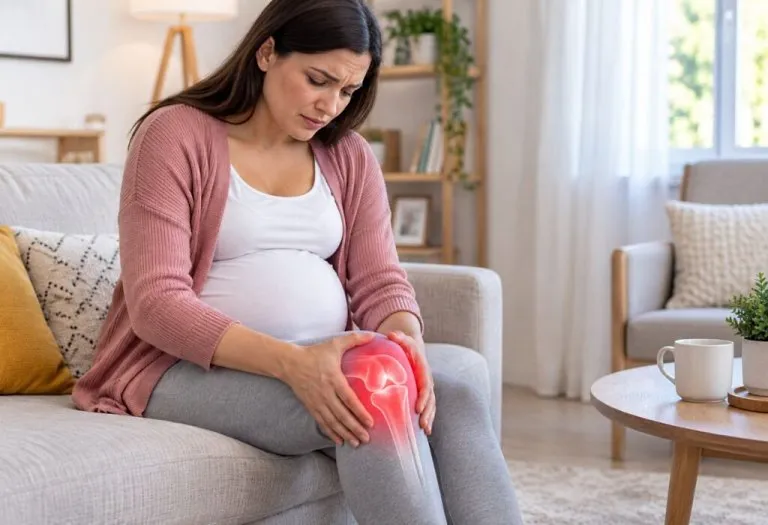
One of those is osteoarthritis which is majorly observed in elderly people. This usually is a result of degeneration that takes place in the joint cartilage and is mostly a consequence of extended wear and tear of the body (2). During pregnancy, the weight gain that occurs tends to create a load on the joints, especially the larger ones such as hips, knees, and ankles. These undergo the most changes and tend to bear the largest load during pregnancy. This strain could result in pain and symptoms similar to osteoarthritis.
Another strange form of arthritis is rheumatoid arthritis. This is strange because it is actually a result of the response of the body’s immune system as it attacks the linings of the joints, resulting in inflammation (3). Fortunately, pregnancy tends to bring a reduction in this condition since the immunity system of the woman undergoes a metamorphosis due to it. However, the pain may resume after childbirth or sometimes, the change in the immunity system could make it worse. At times, discontinuing certain medicines could also cause this pain to continue.
Severe joint pain could also occur due to one of the most common conditions of all times, injury. The sudden change in the physicality of the body could cause pregnant women to injure themselves by falling or ramming into things. If it affects the joints, they can start hurting which is further aggravated by restricted mobility during pregnancy. If not handled properly, this could later manifest into a form of osteoarthritis.
Symptoms of Arthritis When Pregnant
Following are the symptoms of arthritis during pregnancy. Watch out (4)!
- Numbness and spasms in the muscles of the legs. Intense pain in the knees and loss of strength to support the body while walking.
- An increase in water weight could cause the limbs to be stiff, which can also manifest in a form of carpal tunnel syndrome. This can cause pain and tingling sensation in the joints and, especially, in fingers (5).
- Being exhausted and easily tired could indicate the presence of rheumatoid arthritis. There’s usually a previous history of rheumatoid arthritis. These symptoms are concurrent with having your own immunity system fight against your body.
How Does Pregnancy Affect Your Arthritis?
Pregnancy causes a number of physical changes that affect the muscular and bone structure of the body.
Due to the changed structure and increased weight, your joints experience more strain than usual in keeping your body stable. This strain can make them loose and cause you to stumble while walking.
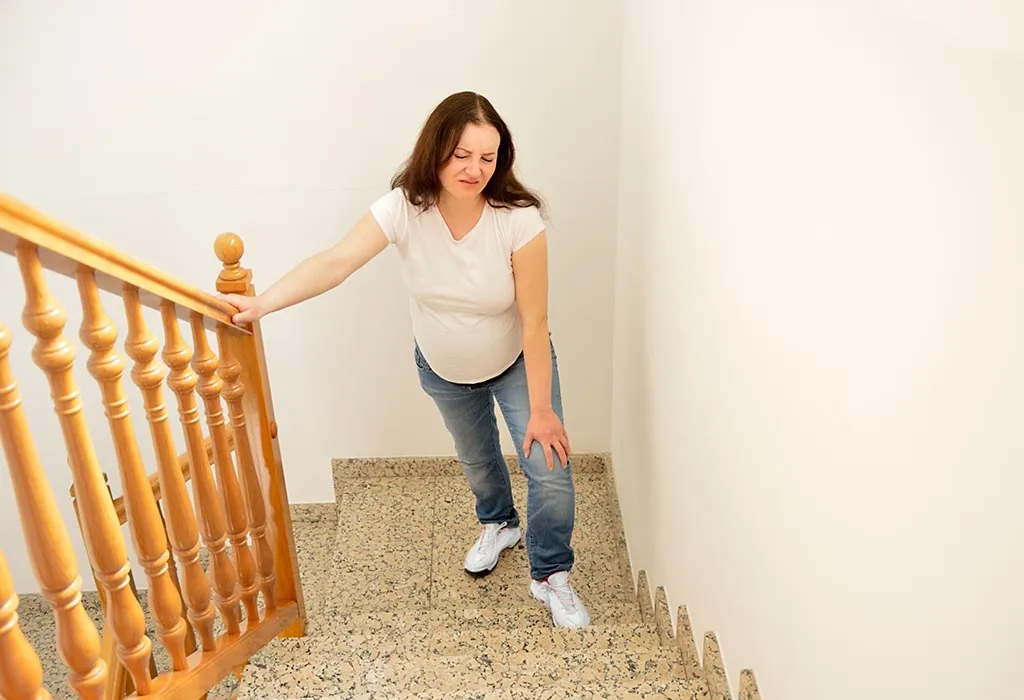
As with joints, your knees will bear the worst brunt of the condition, especially while taking the stairs up or down. Since all the weight rests on them, knee pain can increase tremendously and cause joints to become stiff, too. These changes are not restricted to limbs but also to the spine. The growth of the uterus shifts the centre of gravity of the body. This causes the vertebral column to bend a little so that it can continue to support the increased weight. This bending leads to an added strain on the back, which can manifest in the form of muscular spasms.
Risks of Arthritis When Pregnant
Arthritis can pose a problem during pregnancy. Know what are the risks of having arthritis in pregnancy:
- Arthritis usually results in joint pain in women. However, having rheumatoid arthritis poses a different set of challenges as compared to women not having the same.
- Presence of rheumatoid arthritis in pregnant women can cause an increase in the risk of pre-eclampsia, which is a serious condition.
- It can also result in delivering babies that are not as large as babies usually are, or are quite underweight as compared to a general newborn child.
- Chances of women contracting gum disease are higher if they are suffering from rheumatoid arthritis. This requires regular dental cleaning procedures to be undertaken.
- Prednisone might be consumed by women during pregnancy. However, having the same while suffering from arthritis can further accelerate the loss of bone density. This needs to be countered by increased supplements rich in calcium and Vitamin D to maintain bone strength.
- Women with rheumatoid arthritis, particularly when the disease is active, may have a higher chance of delivering before 37 weeks of pregnancy.
Treatment for Pregnancy Arthritis
Arthritis in pregnancy treatment depends on the type of arthritis, how severe the symptoms are, and the stage of pregnancy. Although additional medication is usually forbidden during pregnancy, certain conditions may deem it necessary to administer them. The medicines used are alternatives that pose no threat to the development of the foetus and manage to treat the ailment well.
If suffering from osteoarthritis, rarely is any treatment procedure undertaken since the condition does worse later in age. Treatment of rheumatoid arthritis during pregnancy might be undertaken since this condition is starkly different from osteoarthritis. If you have been undertaking treatment for it prior to pregnancy, then stopping the medicines will only worsen the pain. In such cases, doctors usually tend to recommend corticosteroids to provide relief from the pain. These are administered in between the second and third trimesters of the pregnancy, only if needed (6).
Remedies You Can Try to Cure Arthritis
Some of the remedies that can be used to relieve arthritis pain during pregnancy are (7):
1. Acupuncture
Acupuncture can provide relief from arthritis to an extent. Although it is an unorthodox method, it is used by many women.
2. Limb Splints
You can try limb splints too. These are known to give good support to the joints.
3. Homemade Herbal Remedies
Herbal remedies can cure almost everything. But when you are pregnant, don’t take any form of risk. Herbs as a remedy should be used only after confirmation from the doctor.
4. Foods Rich in Omega-3
Consume foods that are rich in Omega 3. You can even use Omega 3 supplements, as they help in reducing the joint pain.
5. Switch to Comfortable Footwear
Wear comfortable footwear if you have arthritis. Good footwear can provide additional support while walking around. However, these should be done under medical supervision only.
Natural Ways to Manage Arthritis While Pregnant
Simple lifestyle changes can help ease developing arthritis during pregnancy; here are a few ways to try (8).
- Stay gently active: Walking, swimming, prenatal yoga, and other low-impact activities can help maintain joint flexibility and strength.
- Use warm or cold therapy: A warm shower or compress may ease stiffness, while a cold pack can help reduce swelling and discomfort.
- Maintain a healthy pregnancy weight: Following your healthcare provider’s recommended weight gain can reduce extra pressure on weight-bearing joints.
- Prioritise rest: Take regular breaks and get enough sleep to help your body recover from joint pain and fatigue.
- Eat a balanced diet: Include plenty of vegetables, fruits, whole grains, lean proteins, calcium-rich foods, and healthy fats to support overall health.
- Protect your joints: Avoid staying in one position for too long and use supportive footwear to reduce unnecessary strain.
- Practice relaxation techniques: Deep breathing, gentle stretching, and meditation may help manage stress, which can make pain feel more difficult to cope with.
What Precaution Should You Take?
Try and stick to a good exercise schedule which keeps the joints and muscles strong and healthy. Use correct postures to distribute the weight evenly across the body and reduces any untoward pressure on the joints. Keep mental stress levels low and have a healthy diet that enriches any vitamins and nutrients needed to boost bone development.
FAQs
1. Can a child inherit arthritis from the mother?
Arthritis doesn’t necessarily pass on to the child. Certain genetic markers of the child could cause arthritis later in life due to hereditary reasons, but that too isn’t a surety.
2. Can arthritis cause difficulty in giving birth?
No, delivery difficulties are aggravated due to arthritis. A good posture and enough support while delivery makes delivery easier and comfortable. If a certain position causes more pain in the back, you could either lie down or on the side to reduce the pain.
3. Does arthritis go away after pregnancy?
Pregnancy does not cure arthritis. Symptoms may improve temporarily in some women but can return or worsen after childbirth. Continued follow-up is important, particularly during the postpartum period.
Presence of arthritis and especially rheumatoid arthritis in pregnancy can take quite a toll on the mother due to the incessant pains. By taking the necessary precautions well in advance and maintaining a healthy lifestyle, chances of these from occurring can be reduced in the first place and lead to a comparatively pain-free pregnancy and childbirth.
Also Read:
Cramping in Pregnancy
Joint Pain during Pregnancy
Stomach Pain while Pregnant
Uterus Pain during Early Pregnancy
Was This Article Helpful?
Parenting is a huge responsibility, for you as a caregiver, but also for us as a parenting content platform. We understand that and take our responsibility of creating credible content seriously. FirstCry Parenting articles are written and published only after extensive research using factually sound references to deliver quality content that is accurate, validated by experts, and completely reliable. To understand how we go about creating content that is credible, read our editorial policy here.
- Author

Related Articles
-

Green Discharge During Pregnancy - Causes, Symptoms and Treatment
-

Pneumonia During Pregnancy – Causes, Signs, Risks and Treatment
-

Butterfly Exercise in Pregnancy: Benefits and How to Do It
-
Doxinate During Pregnancy - Uses, Dosage and Side Effects
-

Facial Bleach During Pregnancy - Risks and Precautions
-

Blood Tests During Pregnancy