
Allergies During Pregnancy : Causes, Signs & Prevention





Medically Reviewed By
Dr. Deepinder Kaur
(Gynaecologist)

This content has been reviewed by a qualified expert and follows the FirstCry Parenting editorial policy to ensure accuracy and reliability.
Allergies are very common during pregnancy, and many women experience them. A previous history of allergy may or may not influence the occurrence of various types of allergies during pregnancy. On the other hand, pregnancy can alleviate an expecting mother’s susceptibility to existing allergic conditions. The common types of allergies that expecting mothers experience include skin allergies, allergic rhinitis, and eye allergies.
Understanding the various causes, symptoms, and treatment options for pregnancy allergies can help in their timely identification and effective management. Read on to learn more about the different types of allergies during pregnancy and the available treatment approaches.
Are Allergies Common in Pregnancy?
Allergies are very common during pregnancy, and about 25% of pregnant women experience seasonal or food allergies during the time (1). They usually resort to natural home remedies to treat moderate levels of allergy. However, with severe forms, over-the-counter anti-histamines are used to regulate the body’s allergic responses.
Cause of Allergies During Pregnancy
There is no single attributable cause of an allergy during pregnancy. General hypersensitivity towards non-allergic substances like pollen or mould, which usually do not trigger an allergic reaction, is attributed to the mother’s genetic predisposition. Studies have also shown that repeated exposure to allergens early on in their life regulates the sensitivity to particles around them (2). Surrounding weather conditions also have a major influence in triggering allergies like hay fever and rhinitis during pregnancy.
Why Your Allergies May Worsen During Pregnancy?
While pregnancy can bring relief from certain allergies for some women, others may find that their symptoms become more frequent or severe. Here are some of the most common reasons behind worsening allergy symptoms:
1. Hormonal Changes
The increased production of hormones such as estrogen and progesterone during pregnancy can affect the nasal passages and respiratory system. This may lead to nasal congestion, increased mucus production, and worsening symptoms of allergic rhinitis (3).
2. Changes in the Immune System
During pregnancy, the immune system undergoes adjustments to support the developing baby (4). These changes can alter the body’s response to allergens, making some women more sensitive to triggers such as pollen, dust, or pet dander.
3. Increased Blood Flow
Pregnancy increases blood volume and circulation throughout the body (5). As a result, the mucous membranes in the nose may swell, causing congestion and intensifying allergy-like symptoms, even in women with mild allergies.
4. Greater Exposure to Environmental Triggers
Seasonal changes, air pollution, dust mites, mold, and other environmental allergens can continue to trigger reactions during pregnancy (6). In some cases, pregnancy-related sensitivity may make these allergens seem more bothersome than before.
Forms of Allergy During Pregnancy
Allergies during pregnancy do not always look the same. While some women experience respiratory symptoms such as sneezing and nasal congestion, others may develop skin irritation, itchy eyes, or reactions to certain foods. Some of the most common forms of allergy during pregnancy include:
1. Allergic Rhinitis
Often referred to as hay fever, allergic rhinitis is characterised by symptoms such as sneezing, a runny or blocked nose, nasal itching, and watery eyes. It is commonly triggered by allergens like pollen, dust mites, mold, and pet dander (7).
2. Skin Allergies
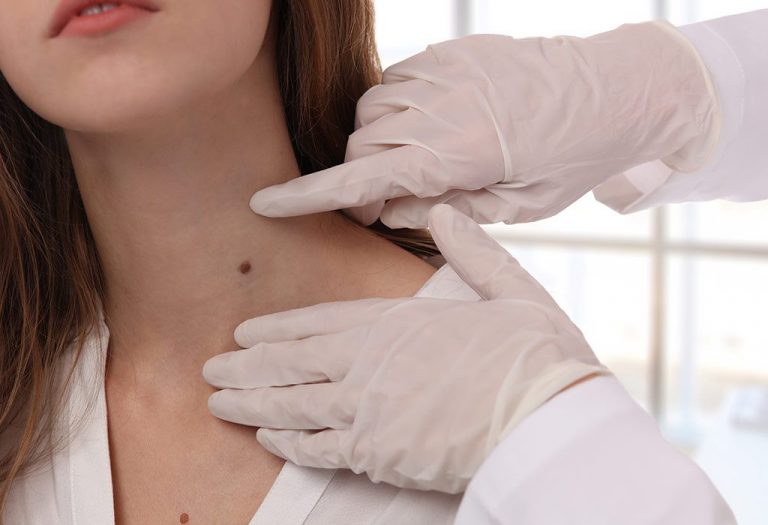
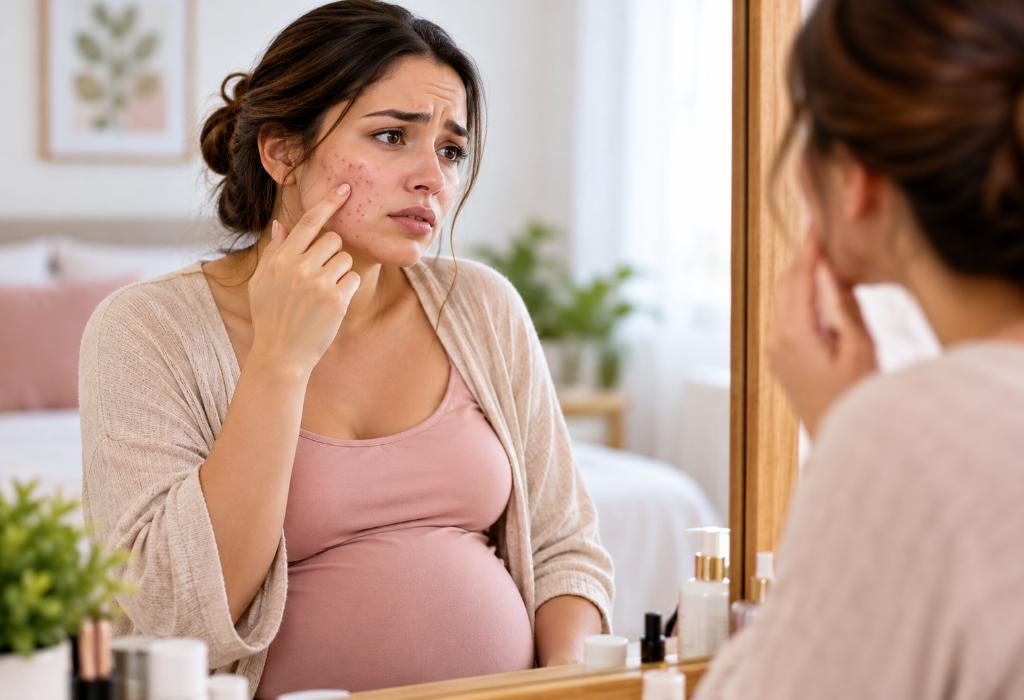
Skin allergies during pregnancy may appear as itching, redness, rashes, hives, or eczema flare-ups. These reactions can be triggered by allergens, irritants, environmental factors, or increased skin sensitivity during pregnancy (8).
3. Eye Allergies
Eye allergies can cause itchy, red, watery, or swollen eyes. They often occur alongside allergic rhinitis and are typically triggered by airborne allergens such as pollen, dust, and pet dander (9).
4. Food Allergies
Although pregnancy does not usually cause food allergies, women with existing food allergies may continue to experience reactions. Symptoms can range from mild itching and digestive discomfort to more severe allergic responses after consuming trigger foods.
Signs and Symptoms of Pregnancy Allergies

Runny nose, congestion, sneezing, heaviness or a headache, and itchy eyes are some signs of allergic hay fever occurring during pregnancy. Some women also suffer from allergic reactions to certain food products, and experience red and itchy hives on the skin. This may sometimes lead to a swollen face. General itching of skin around the belly is common during pregnancy, and should be well-differentiated from the characteristic skin allergy during pregnancy, before concluding on the diagnosis (10).
Tests for Allergies When Pregnant
Allergy testing is usually done to ascertain the cause of the allergy in the body. Potential allergens are selected and pricked on a small patch of skin. A redness or reaction indicates an allergic response to the substance. This helps in identifying the cause of the allergy, and subsequent preventive measures to be taken.

Blood tests to test the level of immune response are also done to identify if the symptoms presented are due to allergic reactions in the body.
Difference Between Allergies and Nasal Congestion as a Pregnancy Symptom
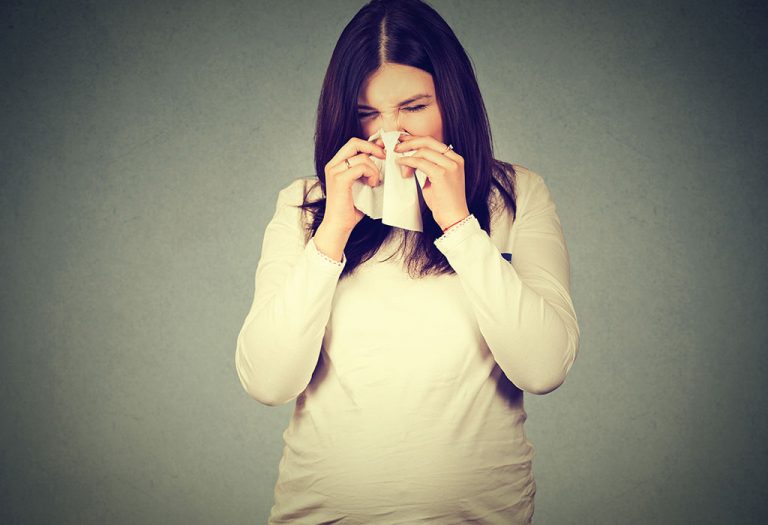
Having a blocked nose is quite common during pregnancy, as there is an increase in mucous secretion due to hormonal changes. However, if it is an allergic reaction, a clogged nose is usually accompanied by having itchy eyes, redness, and continuous sneezing.
Safe Allergy Medicines During Pregnancy
When natural home remedies do not provide relief, safe allergy medications can be taken in consultation with the doctor. Here are some of the effective and pregnancy safe allergy medicines.
1. Saline Nose Drops
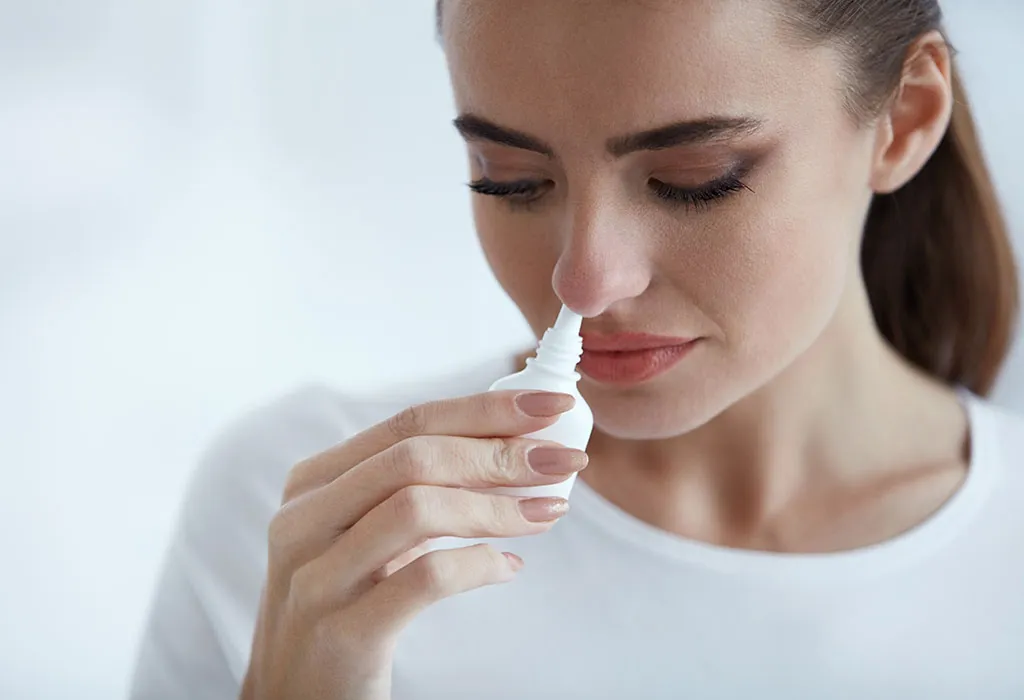
Saline solutions available as nasal drops give a good relief from blocked noses. It is the safest method to treat the symptoms of respiratory allergies during pregnancy (11).
2. Anti-Histamines

Oral antihistamines like cetirizine, diphenhydramine, fexofenadine, and loratadine are safe anti-allergy medications, which work by regulating the immune response of the body to substances that trigger the allergy (10).
3. Nasal Decongestants

Decongestants containing phenylephrine or pseudoephedrine help in unclogging a blocked nose. Although it helps the mother to breath freely, it has some reported side effects like restricting the blood flow to the foetus. It has to be taken in consultation with the doctor (12).
Natural Ways to Treat Allergies
Expecting mothers who go through allergic episodes resort to natural remedies for allergies while pregnant, due to the side effects of allopathic medications. Here are some tried and tested remedies:
1. Pranayama
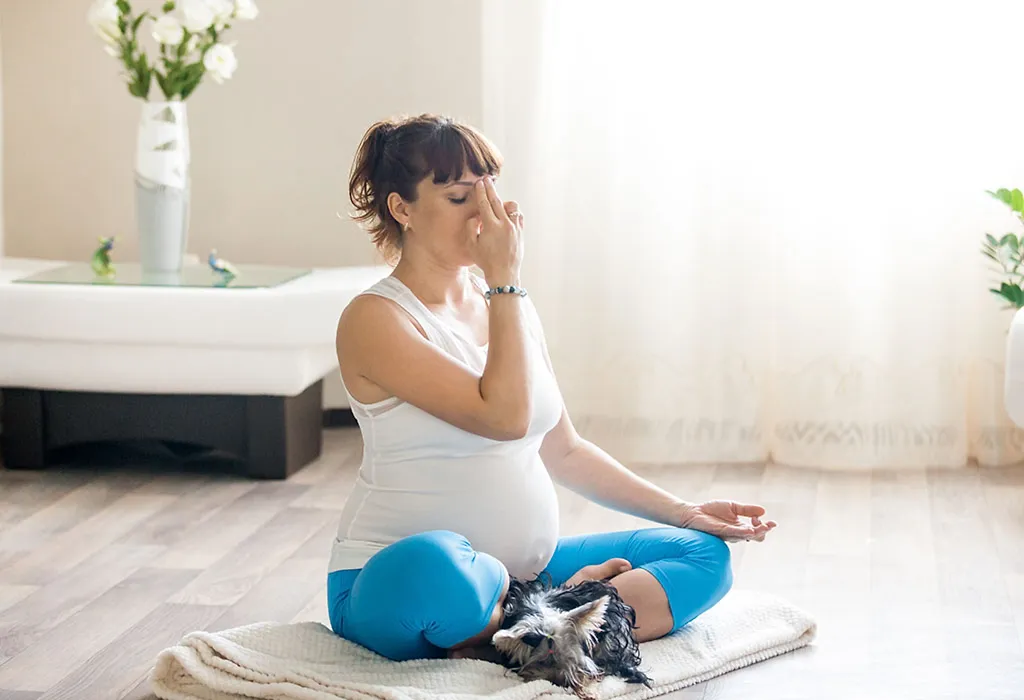
The sneezing and runny nose can be greatly reduced by practicing pranayam on a daily basis. It optimises the body’s allergic response when practiced for a continuous period of time.
2. Neti Pot

An ancient Ayurvedic technique of cleansing is called the neti pot, usually learned from a certified yoga practitioner, and is proven to reduce allergic sinusitis. It is done with saline water in a special pot available for this purpose. It acts similar to a saline solution, and instantly revives a clogged nose.
3. Eucalyptus Oil
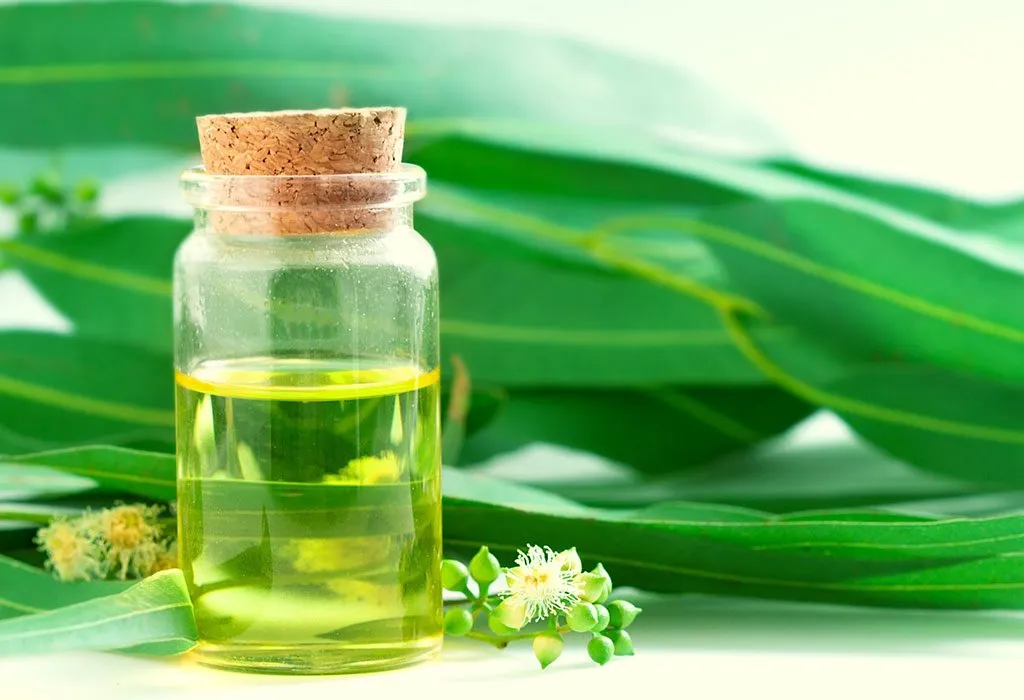
Eucalyptus oil has special medicinal characteristics to prevent or clear chest and nasal congestion. It can be inhaled as vapours while steaming, or simply applied in the sinus areas. It can be sprinkled on the bed sheets and pillow covers to aid better breathing at night.
4. Turmeric

Turmeric is a natural antiseptic, and inhaling vapours of turmeric helps in reducing nasal layer inflammation. When taken regularly in diet, it boosts the immunity of the body.
5. Apple Cider Vinegar

Apple cider vinegar has numerous benefits on the body, and is very safe to consume during pregnancy. A spoon a day maintains the pH balance in the body, and controls the over secretion of mucous.
6. Water

Drinking a lot of water during pregnancy not only flushes out toxins, but keeps the body hydrated and nourished. Regular intake of water during the day ensures a steady cleansing of the body from all kinds of allergens and toxins.
Prevention
As the popular saying goes, prevention is better than cure. Here are some ways to prevent allergies in expectant mothers (13).
- Identifying the substances that trigger allergy and avoiding them consciously can greatly help in reducing the incidences of allergies. Pollen, dust particles, and fur from pet animals are all plausible triggers that can be avoided.
- Seasonal changes in weather can be countered by limiting outside exposure and staying indoors. Use of air-conditioners and humidifiers also can be helpful in regulating the air temperature.
- Food allergies can be avoided by conducting a detailed analysis and identifying the exact food substance causing the allergy. These food substances can be avoided during the entire period of pregnancy, and even otherwise.
FAQs
1. Can allergies affect my pregnancy or can allergies get worse during pregnancy?
Allergies do not affect pregnancy noticeably in a majority of the cases. Many women deliver healthy babies despite having allergic episodes during their pregnancy. Pregnancy can increase or decrease the symptoms of a pre-existing allergic condition. It is entirely based on specific cases, and there are no general patterns observed.
2. Can I continue my allergy shots during pregnancy?
If your case of allergy is severe and only treatable through shots, it is appropriate to continue them during the pregnancy. However, it can be discontinued if there is any adverse allergic reaction to it. There are no pieces of evidence of any allergy or effect of these shots on the newborn so far (10).
3. Is Allegra safe for pregnancy?
The use of Allegra in pregnancy should be discussed with a healthcare provider before starting or continuing treatment. Depending on your symptoms and medical history, your doctor may recommend the most suitable allergy medication.
4. Do allergies go away after pregnancy?
For many women, allergy symptoms that worsen due to pregnancy-related changes improve after childbirth as hormone levels gradually return to normal. However, underlying allergies may still persist and require ongoing management.
While allergies are common across all age groups, it is advisable to be extra cautious about any allergies when pregnant, to avoid any adverse effect on the foetus.
Also Read:
Hives during Pregnancy
Skin Care while Pregnant
Allergy Medications in Pregnancy
Was This Article Helpful?
Parenting is a huge responsibility, for you as a caregiver, but also for us as a parenting content platform. We understand that and take our responsibility of creating credible content seriously. FirstCry Parenting articles are written and published only after extensive research using factually sound references to deliver quality content that is accurate, validated by experts, and completely reliable. To understand how we go about creating content that is credible, read our editorial policy here.
1. PubMed Central – Allergic diseases and asthma in pregnancy, a secondary publication
3. PubMed Central – Respiratory physiology of pregnancy
4. PubMed Central – Maternal Immunological Adaptation During Normal Pregnancy
5. PubMed Central – Physiological changes in pregnancy
6. PubMed Central – AIR POLLUTION AND PREGNANCY
7. Cleveland Clinic – Allergic Rhinitis (Hay Fever)
8. PubMed Central – Management of Allergic Skin Disorders in Pregnancy
9. PubMed Central – Pregnancy and Dry Eye Syndrome: A Review for Clinical Practice
10. Allergy & Asthma Network – Pregnancy and Allergies
11. PubMed Central – Saline irrigation for allergic rhinitis
12. PubMed Central – Use of Decongestants During Pregnancy and the Risk of Birth Defects
13. South Florida ENT Associates – Are Allergies Worse When Pregnant?
- Author
- Expert Reviewer


Related Articles
-

Skin Tags During Pregnancy: Causes, Risk and Treatment
-
Home/Natural Remedies for Swollen Feet During Pregnancy
-
Climbing Stairs During Pregnancy - Safe or Unsafe?
-
Skin Care During Pregnancy: What Products to use & Beauty Tips
-
Retinol During Pregnancy: Is It Safe? Risks & Alternatives
-
Guess Who Mommy or Daddy Baby Shower Game With Questions