
How to Fight Pregnancy Fatigue: 23 Ways to Deal With Tiredness





Key Takeaways
- Pregnancy fatigue is a common symptom during pregnancy, which peaks in the first and third trimesters.
- Rapid hormonal activity and several changes in the woman’s body to accommodate the fetus make a woman fatigued.
- While coffee is a go-to option for pregnancy fatigue, it is important to keep caffeine consumption under 200 mg per day.
- Instead of fighting sleep and tiredness, pregnancy is a time to relax and get sleep whenever you feel tired.
- Having light meals that are rich in protein and complex carbs is easier on your digestive tract and helps fight fatigue.
As a new life begins to form inside the tummy, the body actively and rapidly prepares to create a safe environment, which is why you may experience extreme fatigue and tiredness during pregnancy. While there are tons of tips on how to fight pregnancy fatigue, knowing what works and what’s best to skip is essential. Many woman may feel tired at the onset of their pregnancy, which often disappears in the second trimester, but kicks back in the third trimester, making them search for ways on how to overcome fatigue during pregnancy. Read on to find out some effective remedies for pregnancy fatigue.
Causes of Pregnancy Fatigue
Tiredness in pregnancy is quite common, and the levels of fatigue experienced during pregnancy can differ across the three trimesters.
1. First Trimester
A dramatic increase in progesterone levels in your body can be a cause of tiredness in early pregnancy; you may feel increasingly sleepy, too. Apart from this, a decrease in blood sugar and blood pressure levels and the much-dreaded morning sickness can also leave you craving rest!
- She mentions that it is absolutely normal to feel weak and tired in the initial months, as the body is going through several physiological changes.
- Increased heartbeat and blood volume, the kidneys working overtime, and insufficient sleep can get pregnant women tired in the first trimester (1).
2. Second Trimester
The extreme levels of fatigue that you faced in your first trimester are expected to go down by the beginning of the second trimester. But if you still feel as tired as you were during the first three months of your pregnancy, you would do best to consult your doctor.
3. Third Trimester
Just when you thought you were done and dusted with fatigue, it makes a return in your final trimester! The extra weight of the baby can cause you discomfort and lead to disturbed sleep, too. Regular trips to the washroom won’t make it any easier to reduce tiredness during pregnancy.

Apart from hormonal changes and the consistent growth of your baby bump, you may be suffering from an iron deficiency, which can reduce your energy levels. Depression can also make you feel sluggish and disinterested, and it is imperative to get help for it at once! Your diet and sleep patterns play an important role in increasing your energy levels – and once you’re pregnant, this becomes all the more important!
Ways to Deal with Fatigue During Pregnancy
Reducing fatigue in pregnancy is not that difficult; all you need is the right solution. Here are some tips and remedies for fatigue during pregnancy.
1. Go Easy on Spicy Food
While getting pregnant is one of the best feelings in the world, it brings along a couple of restrictions. One such constraint is to cut down on foods that may cause burning sensations in the stomach. Instead, try whole-wheat bread with peanut butter, dried fruit and nuts, salads or slices of low-fat cheese combined with vegetables. These complex carbohydrates go a long way in improving your vitality and providing the essential nutrients in abundance to the body.
2. Say No to Sweets and Caffeine
Sweets are irresistible for most of us, but pregnancy is the time to say no to them. Caffeine is yet another product that you need to chuck out of your food chart. Avoid coffee and go for juices rich in protein and vitamin C, which are essential during pregnancy. Sugar and caffeine only cause your metabolism to slow down and make you sluggish.
3. Go for Small Meals
UPMC HealthBeat suggests eating smaller meals, like five or six small meals in a day instead of three big meals (2). This helps stabilise your blood sugar and energy levels. Having light meals is easier on your digestive tract and helps fight fatigue. Consume a diet high in protein and complex carbs. Low-fat cheese, hard-boiled eggs, trail mix, frozen grapes, raw veggies and cereals are some of the foods that should be a part of your daily meals. Sometimes raw salads like cabbage and capsicum can cause gas and add to the discomfort. Identify and be wary of such foods.
4. Stay Hydrated
Dehydration can also cause exhaustion. You need to remember that whatever you consume reaches your baby. Staying hydrated is a good way to keep fatigue away. The American College of Obstetricians & Gynecologists suggests drinking at least 8 to 10 glasses of water daily (3). Opt for freshly prepared juices and fruits that have high water content in them.

5. Avoid Alcohol
It is necessary to put that tranquillising glass of wine away, as it may increase fatigue. In addition, doctors recommend not having alcohol during pregnancy as it may cause birth defects or mental retardation in the child, and even miscarriage.
6. Consume a Protein-Rich Diet
A protein-rich diet helps in boosting energy levels. Also, proteins aid in the development of the baby. So include eggs, milk, cheese, tofu, lentils, fish, lean meat, and beans in your diet.
7. Pump Up Iron Intake
A lot of exhaustion in pregnancy is because of the deficiency of iron. Healthdirect Australia advises to amp up the iron intake during pregnancy (4). Add iron-rich foods to your meals, such as lean meat, soy products, dried fruits, cereals, and spinach.
8. Don’t Forget Your Prenatal Vitamins
Pregnant women require extra nutrition, and prenatal vitamins are specially formulated to provide this much-needed extra boost. Be sure that your vitamins contain a sufficient level of iron and vitamin B12.
9. Catch Up on Your Sleep
One of the most effective ways to deal with fatigue during pregnancy. One of the causes of fatigue during pregnancy is that your growing baby is consuming all your energy, so sleep more to catch up on your daily requirement. Even short naps can charge you up for the rest of the day (5).

10. The Right Kind of Sleep
It’s not just the quantity of your sleep that matters, but also the quality. Sleep should be restorative, which means that it should make you feel relaxed and reset your body. Maintain a healthy sleeping position; the best is to sleep on your left side. Also keep a pillow between your legs, while keeping your knees and legs bent.
11. Relax More
You can experience extreme fatigue during the third trimester with the baby constantly moving inside your womb. It can be very difficult to be comfortable and leave you short of sleep. Soak yourself in a bath, read a book, listen to some soothing music or meditate. This will make you feel calm and rested.
12. Exercise Regularly
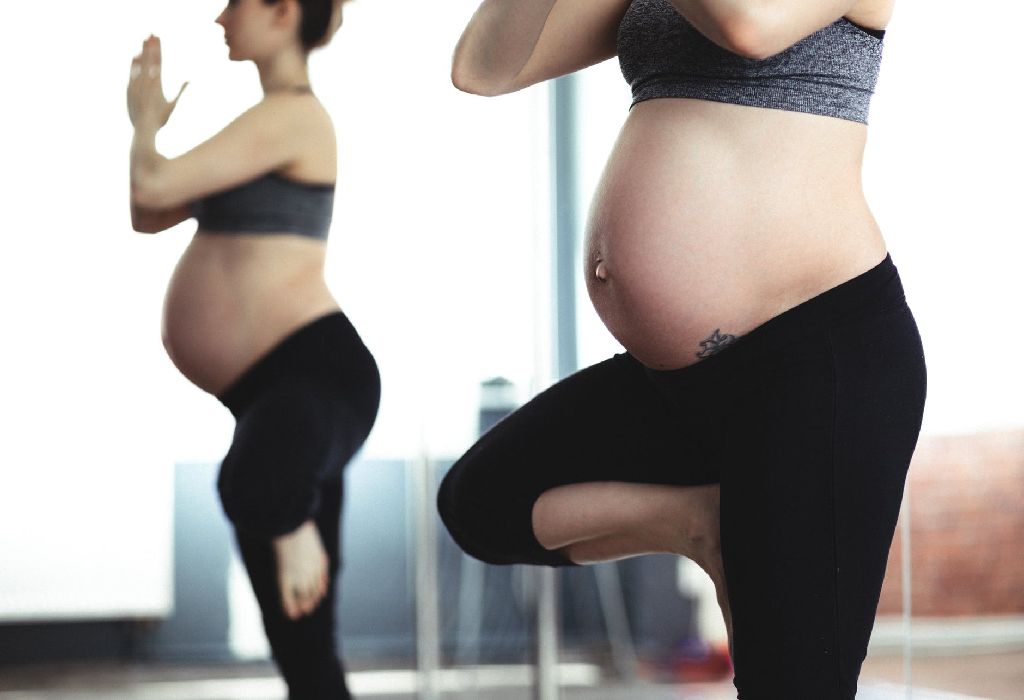
Exercise is actually a great way to invigorate your sleepy cells. Yoga, walking, and Pilates are popular choices during pregnancy, though care must be taken to exercise only when energy levels are high (6). Consult with your doctor to find out what exercise is appropriate for you.
13. Listen to Upbeat Music
One of the best and most interesting ways to manage fatigue during pregnancy. Yes, exercising is probably the last thing you want to do when you’re already fatigued. Amp up your workout session with a fun playlist filled with upbeat songs. It also helps to elevate your mood. So go ahead and download some foot-tapping numbers for your next exercise sessions!
14. Work-Life Balance
Working mothers-to-be might find it harder to manage their office work, along with their growing bump. It’s advisable to talk to your boss and explain to him about the fatigue and opt for flexible timings.
15. Accept Help
Share the workload, like cooking and cleaning, with your spouse, family or well-meaning friends. This way, you can save much-needed energy for your baby. This is one of the easiest tips to overcome pregnancy fatigue.
16. Opt for a Healthy Lifestyle
Switch from late nights with friends to lunch meets, and catch up on sleep. It’s fine to turn down extra work assignments and not take up any new commitments. You should feel less fatigued this way.
17. A Wonderful Bed
Your bed should be a paradise radiating calm and peace. Distractions to your sleep – phones and laptops – should be completely avoided at night.
18. The Right Shot of Caffeine
While consumption of caffeine should always be in moderation during pregnancy, a glass of ginger tea in the morning can ward off exhaustion and fatigue, and also keep nausea and morning sickness at bay. The American College of Obstetricians & Gynecologists suggests keeping the caffeine limit under 200 mg per day (7). Excess caffeine can have harmful effects on the fetus.

19. Consider Aromatherapy
Studies like the one published in Complementary Therapies in Medicine state that aromatherapy helps provide relief from nausea, vomiting, and sleep issues (8). Mayo Clinic suggests using pregnancy-safe essential oils like lavender oil, rose oil, and peppermint oil with an oil diffuser at home (9). Lavender oil can also help you rest more deeply.
20. Try Acupuncture
Acupuncture can help reduce stress and fatigue by stimulating certain body parts and the brain. This releases the body’s feel-good hormone – endorphins. Look for a licensed acupuncturist with experience in treating pregnant patients.
21. Make a Manageable to-do List
Some pregnant women stay up late at night worrying about all the things that haven’t been done. It’s okay if the nursery is yet to be set up. Focus on the present and organise your planner to be in control and have a good night’s sleep.
22. Listen to Your Body
Be sure to listen to any signs your body gives you. Being pregnant saps a lot of energy out of you, so you will need to take extra care of it than you did pre-pregnancy.
23. Professional Help
Fatigue can sometimes be a symptom of anaemia. If you are suffering from extreme fatigue, then you should contact your healthcare provider to check for iron deficiency or any other medical condition. The same goes for your mental health as well.
When to Consult the Doctor?
While feeling tired during pregnancy is normal, a sudden increase in fatigue is unusual and may signal an issue with your pregnancy. This could be due to factors such as depression-related fatigue, anaemia (a deficiency of iron in the blood), or gestational diabetes. If you are experiencing fatigue along with any of the following symptoms, you should contact your obstetrician:
- Dizziness
- Less frequent urination
- Heart palpitations
- Pain in your upper abdomen
- Shortness of breath
- Severe headaches
- Vision changes
- Swelling of ankles, feet, or hands
FAQs
1. How can I differentiate between normal pregnancy fatigue and fatigue due to a medical condition?
Normal pregnancy fatigue generally comes and goes, often correlating with physical activity or lack of sleep. Fatigue due to a medical condition, such as anaemia or gestational diabetes, may be persistent and severe, and is often accompanied by other symptoms like dizziness, shortness of breath, or palpitations. If you notice such symptoms, consult your obstetrician.
2. Is it normal to feel more fatigued in certain trimesters of pregnancy?
Yes, it is normal to experience varying levels of fatigue throughout pregnancy. Many women feel extremely tired during the first trimester due to hormonal changes. Fatigue often improves during the second trimester but may return in the third trimester as the body works harder to support the growing baby and prepare for childbirth.
3. Are there any foods that I should avoid to prevent fatigue?
Excessive sugary foods, processed foods, and excess caffeine should be avoided, as they lead to energy crashes and disrupt sleep patterns.
4. How does pregnancy fatigue affect daily activities and work performance?
Pregnancy fatigue can significantly impact daily activities and work performance by reducing concentration, productivity, and overall energy levels. It’s essential to listen to your body and take breaks when needed. Prioritizing tasks, delegating responsibilities, and practicing good time management can help in dealing with pregnancy fatigue.
5. What are the medical conditions that cause fatigue in pregnancy?
Depression, underlying infection, anaemia, fibromyalgia, gestational diabetes, and hypothyroidism, and chronic fatigue syndrome are some known medical conditons to cause gestational fatigue.
While the above-mentioned points should be considered to reduce fatigue during pregnancy, it is best to consult a doctor and get a proper food chart that contains foods from all the major food groups. The healthier the diet you consume, the better you can fight fatigue.
References/Resources:
1. Johns Hopkins Medicine – First Trimester Fatigue
2. UPMC Health Beat – What to Know About Fatigue in the First Trimester
4. Pregnancy Birth and Baby – Fatigue and tiredness during pregnancy
5. American College of Obstetricians and Gynecologists – A Partner’s Guide to Pregnancy
6. CDC – Pregnant & Postpartum Activity: An Overview
7. American College of Obstetricians and Gynecologists – Moderate Caffeine Consumption During Pregnancy
Also Read:
High Uric Acid in Pregnancy
Health Tips for Pregnant Women
Common Pregnancy Problems and Their Solutions
Effective Home Remedies for Cold While Pregnant
Was This Article Helpful?
Parenting is a huge responsibility, for you as a caregiver, but also for us as a parenting content platform. We understand that and take our responsibility of creating credible content seriously. FirstCry Parenting articles are written and published only after extensive research using factually sound references to deliver quality content that is accurate, validated by experts, and completely reliable. To understand how we go about creating content that is credible, read our editorial policy here.
- Author


Related Articles
-

Elegant Safari-themed Baby Shower Ideas
-

Chest Pain During Pregnancy – Causes & Remedies
-

Prolonged Standing During Pregnancy - Impact on the Mother and Foetus
-

12 Best Baby Shower Cookies Recipes Ideas
-

Vaginal Changes During Pregnancy - What to Expect
-

Vaginal Smell During Pregnancy: Causes and Treatments