
20 Best Foods for Pregnancy: A Guide to Eating Healthy for You and Your Baby
Healthy pregnancy foods nourish your body and support your baby’s development for a strong and happy start.





Image Source : AI Generated Image
A pregnant woman requires approximately 300-500 extra calories daily, along with specific nutrients like 1200mg calcium, 600-800mcg folate, and 27mg iron (1). Meeting these needs is vital, making the question of what foods to eat during pregnancy especially important. The good news is that obtaining these nutrients is manageable through informed dietary choices. This guide focuses on the best foods for pregnancy, which are designed to fulfil these heightened requirements and support both maternal and fetal well-being. Read on to discover 20 essential food choices during pregnancy that make achieving this balanced nutrition simpler and more effective.
List of 20 Healthy Foods for Pregnant Women
Wondering what to eat when pregnant? Given below is a list of healthy pregnancy foods that are necessary for a healthy baby.
1. Eggs

Image Source : AI Generated Image
Eggs, considered as superfoods, provide protein, vitamins and minerals. The amino acids that make up the proteins in eggs are crucial for the regeneration and repair of cells and are particularly essential for a healthy baby.
A single large egg contains up to 80 calories besides the essential proteins, fats, vitamins and minerals that are necessary for the growth and development of babies. Additionally, a single egg also contains a hundred and twelve milligrams of choline, which is a quarter of the recommended amount of choline required for pregnant women. Choline is essential for the development of the brain and nervous system (2).
Eggs are one of the easiest available nutritious foods during pregnancy to help with the increased nutrient intake. Hence, eggs are a great health food for a pregnant woman.
Tip: It is relatively easy to whip up a tasty omelette every alternate day or three times a week using only two eggs at a time. The addition of vegetables and cheese will not only add more flavour but will also increase the nutritional value. If you wish to avoid fried food, then hard-boiling several eggs and storing them in the fridge is a handy way to incorporate them into your diet. Grab a hard-boiled egg every time you feel hungry, and have it whole; you may even consider making a boiled egg salad. Some women are known to avoid meat during pregnancy, and eggs are the best foods to substitute for meat proteins.
2. Fortified Breakfast Cereals

Image Source : AI Generated Image
The health benefits of cereals have been known and established for quite some time, especially multi-grain cereals. Fortified cereals are those cereals that are fortified with additional vitamins and minerals, including iodine.
Cereals, particularly whole-grain cereals, are rich in dietary fibre and hence very filling. They are important during pregnancy as hormonal changes can induce unexpected hunger pangs. Besides the added benefits of minerals and vitamins, fortified cereals can assist pregnant women to add milk to their diet and the benefits that come with it.
Tip: To add fortified cereals to your diet, it is first essential to choose the right kind of fortified cereals. Pregnant women should opt for cereals that have a high content of fibre and folic acid and low sugar content. The cereals you choose should also contain an optimum balance of carbohydrates, which provide the necessary fuel and energy for the body. While it is not expected of one to have cereals for breakfast every day, a bowl of cereals twice or thrice a week should suffice. Cereals can be had plain or with milk. You can also add nuts, berries, or fruits of your choice.
3. Bananas

Image Source : AI Generated Image
Bananas are one of nature’s greatest gifts and the best food for a pregnant lady. A single banana contains over one hundred calories and is a great source of folic acid, vitamin B6, calcium and potassium. Additionally, bananas are rich in antioxidants and are a fantastic energy booster (3).
Tip: A pregnant woman can consume 1 to 2 bananas per day and effectively deal with the hunger pangs that pregnancy will inevitably induce. A glass of milk accompanied by a single banana is considered a complete meal; you can also whip bananas and milk for a tasty, wholesome smoothie.
4. Sweet Potatoes

Image Source : AI Generated Image
Sweet potatoes contain fibre, folic acid, vitamin C and beta-carotene. The compound beta-carotene present in sweet potatoes is particularly important for the unborn baby. Beta-carotene is converted to vitamin A in the body, which is very important for the growth, repair and differentiation of cells and tissues. It also helps in the restoration of cells and tissues damaged during the process of giving birth.
Tip: Sweet potatoes can be eaten in various ways; one of the simplest ways to eat them is by baking them. Simply peel and slice the sweet potatoes as you would while making regular French fries, place them on a baking tray and bake for forty-five minutes or until tender. Baked sweet potatoes can be consumed after drizzling some olive oil on them or with a variety of dips and sauces.
5. Lean Meat

Image Source : AI Generated Image
Iron deficiency during pregnancy can lead to tiredness and exhaustion. Pregnant women are required to ensure ample iron intake as their bodies require twice the amount of iron to cope with increased blood volume. Lean meats are a rich source of iron and protein; chicken (without skin) is an exceptional source of protein (4). Beef and pork also provide B vitamins, choline and iron.
Tip: Processed meats and cold cuts should be avoided as they can cause infections. Grilled chicken is an excellent choice for a filling and tasty bite. Steak made from prime cuts like flank steak renders itself as a tender and flavorful meal.
6. Whole Grain Bread

Image Source : AI Generated Image
Whole grain bread has more fibre, zinc and iron compared to its white bread counterpart. The additional fibre, iron and zinc are all essential nutrients for a pregnant woman.
Tip: The recommended daily intake of fibre for pregnant women is thirty-five grams or more per day. Changing to whole-grain bread can easily assist in acquiring the required intake of fibre. A simple vegetable sandwich can easily be prepared at tea time, three to four days a week.
7. Nut Butter
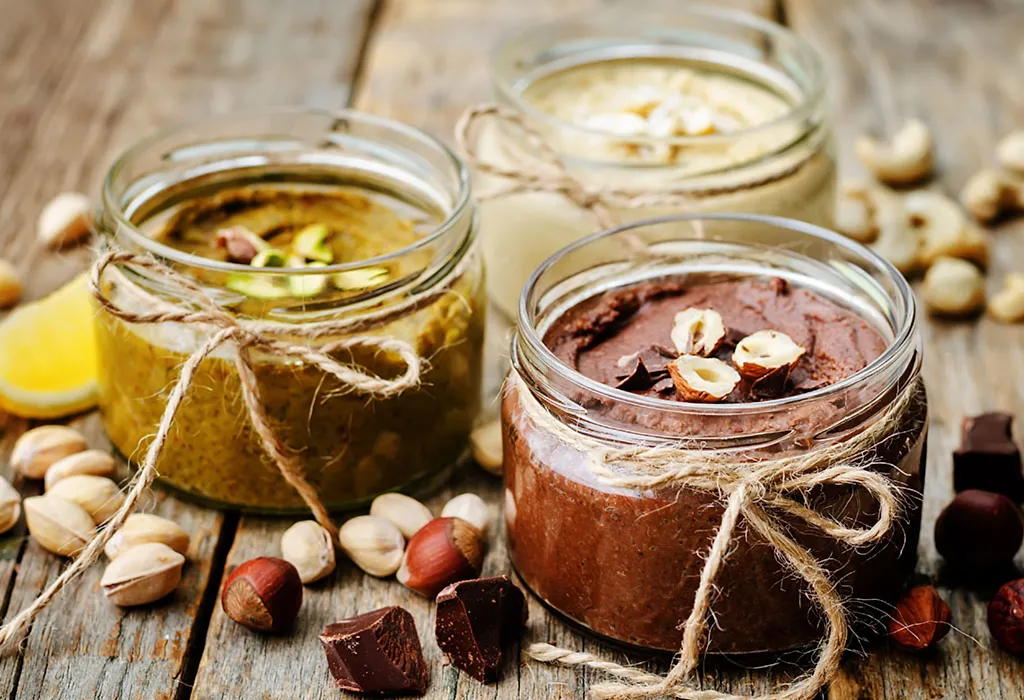
Many of us would have fond memories of a peanut butter sandwich that we savoured during our school-going days. A lot of people are not aware that other nuts can be made into healthy butter, too. Almonds, coconut and Brazil nut all can be made into a healthy butter that provides the necessary unsaturated fats. The intake of fats is essential for pregnant women as they help them to feel full. Furthermore, fat intake is necessary for proper brain development of the unborn baby (5).
Tip: The daily intake of nut butter should be restricted to no more than two tablespoons on account of their high caloric value and fat content. A sandwich made quickly and easily from peanut butter, or another nut butter of your choice is an effective and healthy way to tackle unexpected hunger pangs.
8. Oatmeal

Image Source : AI Generated Image
The intake of complex carbohydrates is essential for our bodies, even more so for pregnant women. Carbohydrates provide almost instant energy to fuel our day-to-day activities. Oatmeal is not only a good source of energy but also helps lower cholesterol levels. Additionally, oatmeal is also rich in selenium, calcium, Vitamin B1, and phosphorus.
Tip: The easiest way to incorporate oatmeal into your diet is to boil it with some milk and eat it when hungry.
9. Salmon

Image Source : AI Generated Image
Salmon, rich in omega-3 fatty acids, calcium and proteins, can also be included in measured proportions in your pregnancy diet, but only after consulting your nutritionist. It consists of fatty acids such as omega-3, which are essential for the development of the nervous system and the brain of the unborn baby (6).
Tip: The easiest way to incorporate salmon into your diet is to pan sear a salmon filet in olive oil, sprinkle with salt and pepper and have it once a week if your dietitian/nutritionist deems it safe for you to have it.
10. Greek Yoghurt

Image Source : AI Generated Image
Pregnant women who do not have an adequate intake of calcium may face further depletion to provide calcium for the baby. Greek yoghurt is the best source of calcium among dairy products; as such, it will not only support the mother’s body through the pregnancy but will also help the baby develop strong bones and teeth. Furthermore, the bacteria in Greek yoghurt is known to improve digestion.
Tip: Add finely cut tomatoes and cucumber to yoghurt, mix well and have it as a quick snack daily if possible.
11. Broccoli

Image Source : AI Generated Image
Broccoli is rich in potassium, iron, folate, vitamin A, C, and K. Broccoli is also known to contain antioxidants and to strengthen the immune system (7). Pregnant women who consume broccoli frequently will reduce the chance of their babies being born of low birth weight.
Tip: Cooked broccoli can be added to pasta along with other vegetables and meats to make a tasty and healthy meal.
12. Non-Fat Milk

Image Source : AI Generated Image
While children are told to have their daily glass of milk for adequate calcium, most adults are deprived of the same. As mentioned above, calcium is essential for the growth and development of unborn babies. Non-fat milk will provide the necessary nutrient intake, and the low-fat content will prevent unnecessary weight gain.
Tip: A single glass of milk can fulfil twenty-five to thirty per cent of the daily calcium requirement. Pregnant women should try and have a glass of non-fat milk daily.
13. Beans

Image Source : AI Generated Image
Beans are a rich source of protein and fibre, and their high potassium and magnesium content can also be useful for pregnant women. Beans are known to prevent constipation, which is one of the common complaints in pregnancy (8).
Tip: Baked beans and bread are good foods for pregnancy to indulge in every once in a while. Cooked beans with rice (Rajma Chawal) are also a tasty option for pregnant women.
14. Cottage Cheese

Image Source : AI Generated Image
Cheese is again a great source of calcium and also contains milk proteins. While some types of cheese are not recommended for pregnant women, paneer or cottage cheese is a great way to add calcium to the diet.
Tip: To incorporate cheese into your diet, go for homemade paneer dishes, such as paneer tikka, palak paneer, etc.
15. Lentils and Legumes

Image Source : AI Generated Image
Lentils and legumes, including chickpeas and kidney beans, are nutritional powerhouses for pregnancy. They are an excellent source of plant-based protein, essential for fetal tissue development. Furthermore, they are rich in dietary fibre, which helps regulate digestion and prevent pregnancy-related constipation. Most importantly, they provide significant amounts of iron and folate, two nutrients crucial for preventing anaemia and supporting the baby’s neural tube development in the first trimester (9).
Tip: Incorporate lentils into your diet by preparing a hearty lentil soup or a chickpea salad. For a comforting and complete protein meal, pair cooked beans with whole-grain rice, such as in a classic rajma chawal. Adding a squeeze of lemon juice can enhance iron absorption.
16. Avocados

Image Source : AI Generated Image
Avocados are a unique fruit packed with healthy monounsaturated fats, which are vital for the development of the baby’s brain, nervous system, and tissues. They are also an excellent source of folate and potassium, even containing more potassium than bananas. This mineral helps regulate fluid balance and can help relieve leg cramps, a common pregnancy complaint. Additionally, they provide vitamins C, E, and K.
Tip: Enjoy avocado sliced on whole-grain toast for a satisfying breakfast or snack. You can also blend it into a smoothie for a creamy texture or add chunks to salads. For a quick guacamole, mash avocado with lime, cilantro, and diced tomatoes.
17. Spinach and Dark Leafy Greens

Image Source : AI Generated Image
Dark leafy greens like spinach, kale, and Swiss chard are dense with essential nutrients. They are loaded with iron and folate, supporting healthy blood volume and preventing birth defects. Their high antioxidant content, including vitamins A, C, and K, strengthens the maternal immune system and supports cellular repair. The significant fibre content also aids in maintaining healthy digestion throughout pregnancy (10).
Tip: Add a handful of fresh spinach to your morning smoothie, it blends easily with fruits like bananas and berries. Sauté greens with garlic and olive oil as a simple side dish, or incorporate them into soups, omelettes, and pasta sauces for a nutrient boost.
18. Berries

Image Source : AI Generated Image
Berries such as blueberries, strawberries, and raspberries are delicious sources of vital nutrients. They are packed with vitamin C, which helps the body absorb iron and supports tissue growth. Their high antioxidant content protects cells, while the fibre and water content promote hydration and healthy digestion, helping to manage blood sugar levels and prevent constipation.
Tip: Keep a mix of fresh or frozen berries on hand. Add them to your fortified breakfast cereal or Greek yoghurt. Blend into smoothies, or enjoy a small bowl as a sweet, antioxidant-rich snack. Frozen berries can be a refreshing treat on their own.
19. Walnuts

Image Source : AI Generated Image
Walnuts are one of the best plant-based sources of omega-3 fatty acids, specifically alpha-linolenic acid (ALA), which is important for the baby’s brain development (11). They also provide protein, fibre, and minerals like magnesium. Their healthy fat and protein content make them a satisfying snack that can help manage hunger and provide sustained energy.
Tip: Limit intake to a small handful (about 1/4 cup) per day due to their high calorie content. Add chopped walnuts to oatmeal, yoghurt, or salads for a crunchy texture. They can also be blended into smoothies or eaten as a quick, portable snack.
20. Oranges and Citrus Fruits

Image Source : AI Generated Image
Oranges, grapefruits, and other citrus fruits are renowned for their high vitamin C content, which is essential for boosting immunity and helping the body absorb iron from plant-based foods and lean meats. They are also a good source of folate, potassium, and water, contributing to overall hydration and helping to meet increased fluid needs during pregnancy.
Tip: Enjoy a whole orange as a refreshing snack or start your day with a glass of fresh orange juice (with pulp for fibre). Add citrus segments to salads, or use lemon juice as a flavourful dressing on vegetables and lean meats to enhance iron absorption.
FAQs
1. Is it safe to eat seaweed during pregnancy for its iodine content?
While seaweed is a natural source of iodine, which is crucial for fetal brain development, it can contain excessively high and unpredictable levels of iodine, posing a risk of thyroid dysfunction. Some varieties may also contain heavy metals. It is generally safer to obtain iodine from other sources, such as iodised salt, dairy products, and cooked seafood, unless your healthcare provider approves a specific, controlled portion of a low-iodine variety like nori.
2. Can consuming cinnamon in foods trigger early labour?
No, consuming culinary amounts of cinnamon in foods like oatmeal or baked goods is considered safe and will not induce labour. The concern arises only with very high, medicinal doses of cinnamon supplements or essential oils, which are not recommended during pregnancy. Using cinnamon as a regular spice in cooking poses no risk for premature labour.
3. Are fermented foods like kimchi or sauerkraut safe, given the risk of listeria?
Commercially produced, pasteurised fermented foods like sauerkraut are generally safe as the pasteurisation process eliminates harmful bacteria like Listeria. However, unpasteurised, homemade, or artisanal fermented vegetables carry a potential risk. To minimise this risk, pregnant women should opt for pasteurised versions from reputable brands or ensure any homemade ferments are prepared with strict hygiene and proper acidity levels.
The required nutrient intake considerably increases during pregnancy. The added nutrients are required both for the mother’s body to cope with the stresses and strains of pregnancy and to provide the necessary nourishment for the developing baby in the womb. The good news is that the increased nutritional requirements can be easily met by incorporating certain pregnancy foods to eat. Even more exciting is the large variety of foods that can be added for this purpose.
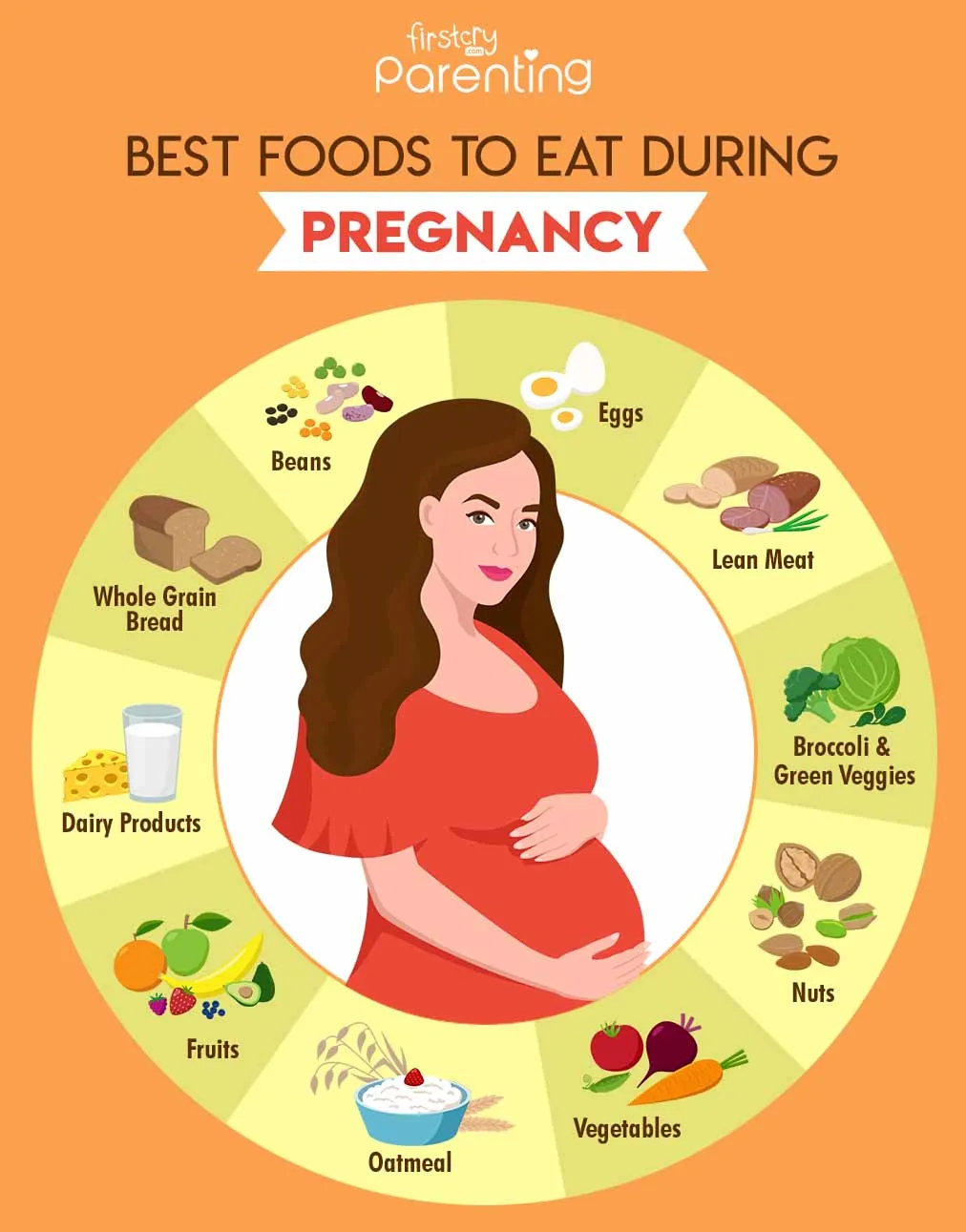
Infographics: Best Foods to Eat During Pregnancy
Also Read:
Foods to Avoid During Pregnancy
What Medicines to Avoid When Pregnant
Indian Foods To Avoid During Pregnancy
Foods to Eat During Pregnancy for an Intelligent Baby
Was This Article Helpful?
Parenting is a huge responsibility, for you as a caregiver, but also for us as a parenting content platform. We understand that and take our responsibility of creating credible content seriously. FirstCry Parenting articles are written and published only after extensive research using factually sound references to deliver quality content that is accurate, validated by experts, and completely reliable. To understand how we go about creating content that is credible, read our editorial policy here.
1. National Library of Medicine – Nutrition Recommendations in Pregnancy and Lactation
2. Science Daily – Eating more foods with choline during pregnancy could boost baby’s brain
3. Harvard T.H. Chan – Bananas
4. Science Direct – Total and haem iron content lean meat cuts and the contribution to the diet
5. Cedars Sinai – Nut Butters: Which One Is Healthiest?
8. UCLA Health – Why beans are nature’s perfect food
9. Harvard T.H. Chan – Legumes and Pulses
10. USDA – Dark Green Leafy Vegetables
11. National Library of Medicine – Beneficial Effects of Walnuts on Cognition and Brain Health
- Author
 About the Author
Mahak Arora
Related Articles
-

Third Month of Pregnancy Diet (9-12 Weeks)
-
Dating Scan in Pregnancy: Purpose, Procedure, & What to Expect
-
Using Calamine Lotion While Pregnant - Safety & Precautions to Take
-
How the Pandemic and Lockdown Helped My Pregnancy and Work-Life Balance
-
Urinary Incontinence During Pregnancy
-
Eating Carrots in Pregnancy: Heath Benefits and Risks