
Why Does My Baby Wake Up Crying? Reasons & Solutions
Is your baby waking up crying at night? Learn the possible causes and practical soothing techniques to help them sleep better.





Image Credit : AI Generated Image
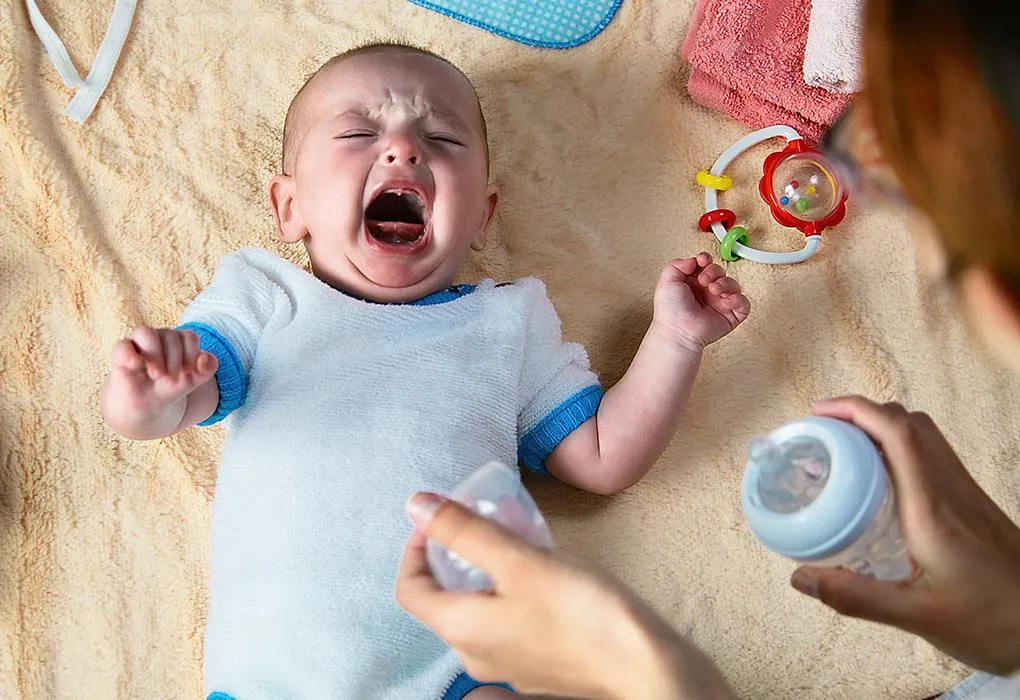
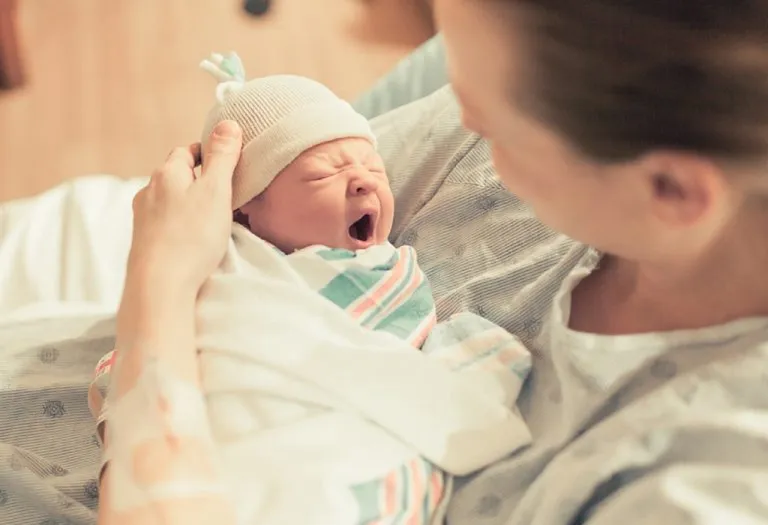
Why does my baby wake up crying? This is a common question many parents ask. A baby usually wakes up crying in the middle of the night because of two obvious reasons. One, he needs a diaper change and the second that he is hungry. But at times a baby may wake up crying for no apparent reason. There is no conclusive reason for babies to cry on waking up. It is quite typical of them to cry amidst sleep cycles as they may find it hard going into the subsequent one. Even some of the best sleepers may have sleep issues sometimes. Feeding or rocking can work to make them sleep. However, they may start relying on these actions too much. That is why you need to figure out the cause of his cries at night and remedy them.
Reasons Why a Baby Wakes Up Crying
If your baby has a problem settling down at nighttime and remaining asleep through the night, you will obviously be concerned. Hence, you need to understand the reasons why your baby cries at night. Some of the common reasons are below, which answer the question ‘why do babies cry when they wake up’?
1. Physical Discomfort (Temperature, Position, Wet Diaper)
Babies are very sensitive to their surroundings. Regarding the temperature of the room, if the room is too hot or too cold, they may wake up crying. A wet or uncomfortable nappy can also disturb sleep. Even lying in the same position for too long may cause stiffness or pain—changing their position can help.
2. Hunger or Feeding Issues
Even with an established feeding routine, babies can wake up hungry. This is especially common during growth spurts or after weaning from night feeds (1). After introducing solid food, reducing milk too quickly may also lead to nighttime hunger.
3. Overfeeding or Underfeeding
Eating too much or too little before sleep can cause discomfort. Overfeeding may lead to bloating, while underfeeding can leave the baby unsettled and unable to sleep peacefully (2).








4. Lack of Proper Sleep Routine
If a baby is overtired or not tired enough, sleep can become disrupted. A consistent daily routine with enough playtime and activity helps regulate better sleep patterns (3).
5. Loneliness or Need for Comfort
Babies may wake up feeling alone or insecure, especially if they fall asleep with someone nearby and wake up alone. Gentle reassurance, touch, or soothing words can help them settle again.
6. Nightmares or Sleep Terrors
Nightmares can scare babies and cause the infant to wake up screaming. Sleep terrors are different—they may cry hysterically, thrash around, and not be fully awake (4). Sleep deprivation can increase the chances of such episodes.
7. Teething Pain
Teething can cause gum discomfort, making babies irritable and more likely to wake up crying, especially during the night when distractions are minimal (5).
8. Illness or Infections
Conditions like fever, earache, throat pain, or infections can worsen at night and disturb sleep. Babies often express this discomfort through crying since they cannot communicate otherwise.
9. Digestive Issues (Indigestion, Gas, Stomach Ache)
Indigestion may cause a mild, irritable cry along with restlessness or sweating. A stomach ache may lead to sudden, sharp cries, and babies might curl up due to abdominal pain.
10. Cold, Congestion, or Breathing Issues
Blocked nose, sinus congestion, or mucus buildup from a cold can make it hard for babies to breathe comfortably, leading to disrupted sleep and crying (6). So if your baby wakes up screaming, check for these issues.
11. Separation Anxiety
This is an important reason if your newborn wakes up crying. As babies grow, they begin to understand when a caregiver is absent. Waking up and not seeing a parent nearby can trigger fear and anxiety known as separation anxiety, causing them to cry (7).
12. Developmental Milestones & Overstimulation
Learning new skills like rolling, crawling, or standing can overstimulate a baby’s brain. Exciting daytime activities or developmental leaps may lead to restless sleep and nighttime crying (8).
How to Stop Your Baby From Crying When They Wake Up?
There are some tips and tricks you can try to stop your baby from crying when they wake up. Let’s check some you can follow:
- Breastfeeding or bottle-feeding well during the day and keeping your baby satiated before putting them to sleep keeps hunger pangs at bay at night and ensures a disturbance-free night.
- Always maintain a calm and silent environment in the house when your baby is sleeping. If your little one gets disturbed during their sleep, they may wake up agitated and end up crying.
- Start early with a short duration of separation with your baby to reduce their clinginess and dependency on you all the time. You can put your baby in a crib and let them play by themselves or play a peek-a-boo game.
- Develop a self-soothing routine with your baby. This will reduce their dependency on you to sleep well.
- Put a night light, add starry stickers on the ceiling wall, or draw curtains for the baby to stare at and get back to sleep when they wake up.
- If your little wonder has a cold or cough, then giving them baby-safe medications or performing nasal suction before putting them to sleep will help in a sound sleep.
- Similarly, if your little one is going through the teething phase, get medications prescribed by your baby’s paediatrician.
When Do Babies Stop Crying When They Wake Up?
There is no such particular age at which babies stop crying after waking up. When babies get older, their sleep duration increases, and they wake up less during their sleep sessions. However, it is possible for older babies to wake up crying if they get disturbed by anything during their sleep.
Each child is different and thus may have a unique sleeping pattern. Babies, till the age of 4-6 months, do not have long sleep durations, and most of them wake because of hunger. By the time they are nine months old, they will have a comparatively longer sleep duration than 4-6 months old babies.
When to Consult a Doctor
If you see a pattern or a continuous trend in your baby’s excessive crying for several hours after waking up or having trouble sleeping again after waking up, then you should immediately consult the paediatrician. It is also important to be sure of any physical ailment that could make the baby cry after waking up, like gas or indigestion.
FAQs
1. Do babies have nightmares?
It is possible for babies to have nightmares.
2. Why does my baby wake up crying and appear afraid?
Babies may wake up crying, feel agitated, and appear afraid if they experience any night terror or nightmare.
3. What happens if you let a baby cry for a long time?
Excessive crying or letting a baby cry for a long time can double the risk of hyperactivity, problematic behaviour, mood problems, sensitivity, and conduct problems by the age of five or six years.
There is no one clear-cut solution that will work for all babies. Each and every baby is different. Therefore, finding out reasons and solutions becomes a challenging experiment wherein theories may be tested to see if a method works. In most cases, it can turn into a waiting game wherein letting the stage pass may work best. If you try everything and nothing works for your baby, you must seek a paediatrician’s advice.
Also Read:
Baby Frequently Waking Up
Baby Waking Up Every Hour
Wake Up Infant for Feeding
Tips to Make Baby Sleep at Night
Was This Article Helpful?
Parenting is a huge responsibility, for you as a caregiver, but also for us as a parenting content platform. We understand that and take our responsibility of creating credible content seriously. FirstCry Parenting articles are written and published only after extensive research using factually sound references to deliver quality content that is accurate, validated by experts, and completely reliable. To understand how we go about creating content that is credible, read our editorial policy here.
1. La Leche League International – How do I wean my baby?
2. HealthyChildren.org – How Often and How Much Should Your Baby Eat?
3. Nemours Kids Health – Sleep and Your Newborn
4. Pregnancy, Birth & Baby – Nightmares and night terrors in children
5. HealthyChildren.org – Teething Pain Relief: How to Soothe Your Baby’s Discomfort
6. HealthyChildren.org – My baby has a stuffy nose. How can I help them sleep safely?
- Author






.svg)