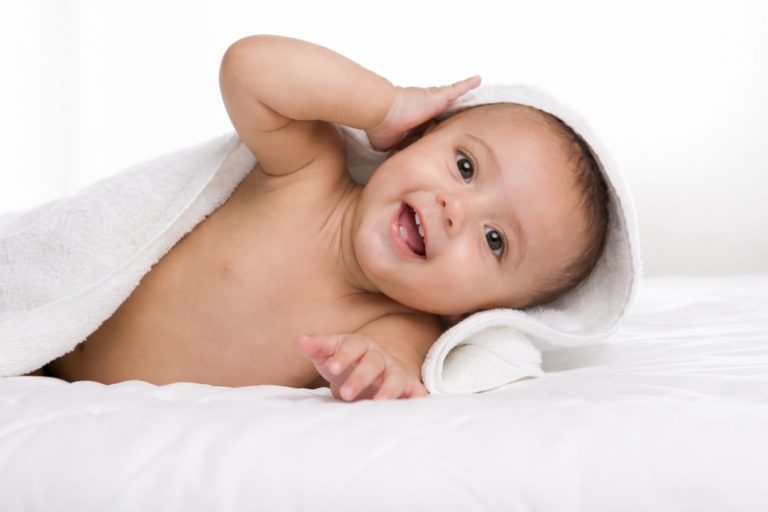


Baby Spitting Up Curdled Milk – Reasons and Treatment
Understand why newborns spit up curdled milk, what causes it, and when it may require medical attention.




In this Article
- What Is Baby Spit-Up?
- What Does Curdled Spit-up Look Like?
- How Is It Different From Normal Spitting?
- What Are the Causes of Spitting Up Curdled Milk?
- What Different Colors of Curdled Milk Spit-Up Indicate?
- Curdled Spitting-up Vs Curdled Vomiting
- How to Stop Baby From Spitting Curdled Milk?
- When Should You Not Get Worried?
- When to Call a Doctor
- FAQs
View More
Is your baby spitting up curdled milk after feeding? If you are a newbie parent, seeing your baby spitting up after every feed can make you wonder if your little one is okay. Being a new mommy can be an intimidating experience for most women, as every day may bring new parenting challenges for them. There are many issues that may become a cause of concern in daily life, and one of them could be your baby spitting curdled milk! Well, it is very common for babies to spit up; however, if you wish to know why it happens, what you can do to reduce it and many other associated aspects of the topic, well, all this and more are discussed in the following blog!
What Is Baby Spit-Up?
Babies have an underdeveloped digestive system, because of which they may regurgitate some of their stomach contents. Since they primarily feed breast milk or formula milk, when they spit up, it likely looks like a white substance, the nature of which depends on how long after the feed your baby spits (1). Spitting, unlike vomiting, is not painful and does not require much. Many times, your chubby bubby won’t even notice when they’re doing it.
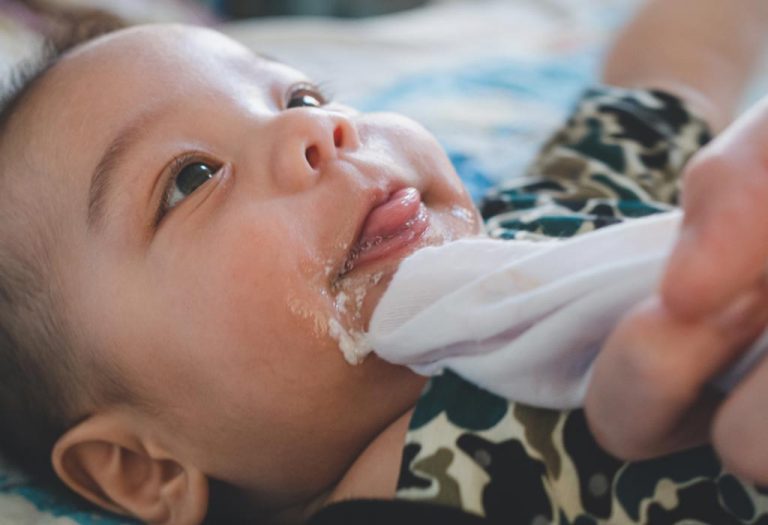
Now the curdled part. If your baby spits up milk during or sometimes after the feed, the milk they regurgitate will likely be smooth in texture. If your baby spits up curdled milk hours after eating, the milk will come out as curdled. The explanation for this is that when the milk gets into the stomach, it mixes with the stomach acid and curdles up. When your baby spits up, the curdled milk comes out.
What Does Curdled Spit-up Look Like?
Your baby’s spit-up milk looks just like the breastmilk or formula that your baby feeds. However, the spit-up milk may appear less or more curdled based on the time it stays inside your baby’s tummy. This means that if milk comes out or the baby spits up soon after his feed, the spit-up milk may appear just like milk, only; however, the milk that stays longer inside the tummy may appear more curdled because it gets mixed up with the stomach acids and appears chunky or curdled. Also, if the baby is only on breastmilk or formula, the curdled spit is likely to be of a whitish hue. However, red spit up could indicate the presence of blood, and green or yellow spit up could indicate the presence of bile or phlegm, and if any such abnormal coloured spitting up is noticed, it should be reported to the doctor!
How Is It Different From Normal Spitting?
If your breastfed baby is spitting up curdled milk, it does not mean that you should hit the panic button at once! You need to know that most babies may spit up curdled milk at least once before they turn three months old. However, you may want to know what is considered a normal scenario in this case and also when you should become concerned! Well, if your baby appears content, does not experience any breathing difficulty, is comfortable, is not losing weight and basically, if your baby feels and looks fine, then you can term your baby a ‘happy spitter’. However, if your baby is spitting up the entire contents of his stomach on a regular basis and as a result is cranky, not gaining weight, and exhibiting other such symptoms, then it could be a cause for concern and usually not considered normal. It will be a good idea to visit your doctor to know about the underlying causes of the same.



What Are the Causes of Spitting Up Curdled Milk?
There are a bunch of reasons babies may spit up curdled milk. From digestion issues to acid reflux, just like in adults, it could be anything; hence, it is essential to map the underlying reasons so you can ensure it doesn’t happen again. Here are some reasons for babies or infants spitting up curdled milk:
1. Acid Reflux
Acid reflux is known to be a painful condition in which acid from the stomach travels up the throat. This condition is very common and can lead a baby to throw up curdled milk (2). This condition can be prevented by feeding the baby in an upright position, keeping a tab on how much to feed in one go, and by avoiding certain foods while breastfeeding (citrus foods, carbonated drinks, spicy foods, etc.).
2. Immature Digestive Systems
One of the most common reasons for curdled milk in a baby’s mouth is an immature digestive system. However, as babies grow up, their digestion gets better, and they stop spitting up (3). In some cases, babies may spit up because of digestion issues such as lactose intolerance, allergic reaction to formula or cow’s milk, or milk protein allergies. You can establish such allergies or intolerance by keeping a tab on symptoms such as diarrhoea. If any such symptoms are registered, you must visit a doctor.
3. Pyloric Stenosis
This is one of the rare conditions that can affect young babies, in which the stomach is narrow, and it becomes difficult for the food to travel to the intestines. This condition can be one of the reasons for your baby’s unexplained weight loss, spitting up curdled or non-curdled milk, constipation, etc. The treatment of this condition usually requires surgical intervention (4).
4. Overfeeding
Feeding your baby more milk than their small stomach can handle may cause them to spit up curdled milk. A baby’s stomach fills quickly, and excess milk can come back up, especially if they are laid down too soon after feeding. The milk may appear curdled because it has mixed with stomach acids before being regurgitated. To prevent this, try feeding smaller amounts more frequently and ensure proper burping after each feeding session.
5. Gas or Improper Burping
If a baby swallows air while feeding, it can lead to gas buildup in the stomach (5). This trapped air creates pressure and may push milk back up, often in a curdled form since it has already begun digesting. Poor latch during breastfeeding or bottle-feeding at the wrong angle can increase air intake. Making sure the baby latches properly and burping them thoroughly after feeds can help reduce spitting up.
What Different Colors of Curdled Milk Spit-Up Indicate?
Spit-up can vary in appearance, and the color of curdled milk may offer clues about what’s happening in your baby’s digestive system. While infants vomiting curdled milk is often normal, certain colors can sometimes indicate underlying concerns that may require medical attention.
1. White or Milky
White or cream-colored curdled milk is the most common and usually not a cause for concern. It simply means the milk has mixed with stomach acids and partially digested before being spit up.
2. Yellow
Yellow spit-up may occur when milk mixes with small amounts of stomach acid. In most cases, this is normal. However, if the yellow color appears bright or persistent, it’s best to consult a pediatrician.
3. Green
Green spit-up can indicate the presence of bile, which may suggest a digestive blockage or other intestinal issue. This color is not considered normal and requires immediate medical attention.
4. Brown or Blood-Tinged
Brown, rust-colored, or blood-streaked spit-up may signal irritation in the baby’s throat or digestive tract. Sometimes, it can also result from swallowed maternal blood during breastfeeding (for example, from cracked nipples). A doctor should evaluate this promptly.
5. Clear or Mucus-Like
Clear or slightly mucus-like spit-up may occur if the baby drools excessively or has mild congestion. While often harmless, frequent episodes accompanied by coughing or discomfort should be discussed with a healthcare provider.
Curdled Spitting-up Vs Curdled Vomiting
You can easily distinguish between curdled spitting up and a baby vomiting curdled milk. Spitting up is more subtle and is usually followed by a burp. You can usually see it as liquid coming out from the side of your baby’s mouth. However, in comparison to spitting up, vomiting is not only forceful, but your baby will throw up several inches away from him.
How to Stop Baby From Spitting Curdled Milk?
Though spitting up curdled milk is a common phenomenon in babies, here are some tips that can prevent or stop your baby from spitting curdled milk:
- Make sure you feed your baby in an upright position, as feeding in a curled or slouched position can make your baby throw up.
- If your breasts are too full, make sure you express some milk to manage the milk flow. If the baby is bottle-fed, you should check the nipple hole to make sure the milk flow is proper and not too much for the baby to handle.
- Refrain from overfeeding your baby. If your baby refuses to feed, then do not insist on feeding him. Focus on feeding frequently rather than feeding in one go.
- Check for any extra pressure on your baby’s stomach, which can happen due to tight clothing, tight diapers, babies lying on their tummies for long, etc., to avoid any spitting-up accidents.
- Try to burp your baby to let go of any trapped air that the baby may have ingested during feeds. If possible, burp your baby in between the feeding sessions, too.
- Make sure that you keep the feeding sessions calmer and quieter for your baby, as when babies get distracted, they may ingest more air, which can make them spit up more.
- If your little one is formula-fed, try changing it to see if it makes any significant change.
- You may try experimenting with your own diet. Many mothers have got significant results when they excluded gas-inducing foods or dairy from their own diet.
When Should You Not Get Worried?
Baby spit up a lot, and their spitting up milk is not always a worrying situation. Here are some instances you can note when not to worry when your little one spits up:
- The spitting is less in volume and frequency. Like they spit up only a little feed.
- The spit-up does not come out a couple of feet.
- Your baby does not have stomach pain
- Your baby is growing well and gaining weight, absolutely fine.
- Your baby is acting all normal.
When to Call a Doctor
As your baby’s digestive system matures, the spitting up stops gradually, and this may happen anywhere from six to 12 months of age. However, if you notice any of the following things, you should get in touch with your doctor:
- If your baby isn’t feeding properly.
- If your baby experiences difficulty in breathing.
- If your baby isn’t gaining weight.
- If there are traces of blood in your baby’s poop.
- If your baby’s spit contains green or yellow fluid.
- If spit-ups are more like vomiting than regular spit-ups.
- If your baby has fewer wet diapers in a day than expected.
- If your baby’s or newborn’s curdled spit-up has traces of blood.
- If you notice your baby crying or being in an irritable state more than usual.
- If your baby is spitting up curdled formula or breastmilk at a later stage, which is 6 months or older.
FAQs
1. Does the time between feeds affect curdled spit-up?
Yes, longer gaps between feeds can make babies very hungry, causing them to feed too quickly. Feeding too fast may lead to air swallowing and curdled milk spit-up.
2. Is an infant throwing up curdled milk worse at night?
An infant throwing up curdled milk can seem more common at night because babies are usually laid flat after feeding. This position can make it easier for milk mixed with stomach acid to come back up.
3. Can certain medications increase curdled spit-up in newborns?
Some medications may irritate a baby’s stomach or affect digestion. If spit-up increases after starting a medicine, consult your pediatrician for advice.
There are umpteen reasons that can make your baby spit up curdled milk. Though it is a very normal occurrence in newborns and younger babies, if you are concerned about this issue, you should meet with your doctor and get your concerns addressed. Your doctor is the best person to help you explain the reason for the same and also offer you the best solution.
Also Read:
Is Drooling Common in Infants?
Infant Spitting up through the Nose
Is it Normal for a Baby to Vomit Mucus?
Was This Article Helpful?
Parenting is a huge responsibility, for you as a caregiver, but also for us as a parenting content platform. We understand that and take our responsibility of creating credible content seriously. FirstCry Parenting articles are written and published only after extensive research using factually sound references to deliver quality content that is accurate, validated by experts, and completely reliable. To understand how we go about creating content that is credible, read our editorial policy here.
- Author
 About the Author
Ruchelle Fernandes
Related Articles
-
Hernia in Babies - Types, Causes, Signs and Treatment
-
Coronavirus Vs the Common Flu - This Is What Doctors Want You to Know
-

How to Make Doctor Visits Easier for your Baby?
-
When To Take Your Child to the Doctor? 13 Signs Parents Should Not Ignore
-

10 Home Remedies for Mosquito Bites in Babies
-

Types of Autism Therapies That Will Work Best for Your Child


.svg)