
Antidepressants in Pregnancy: What’s Safe and What to Avoid




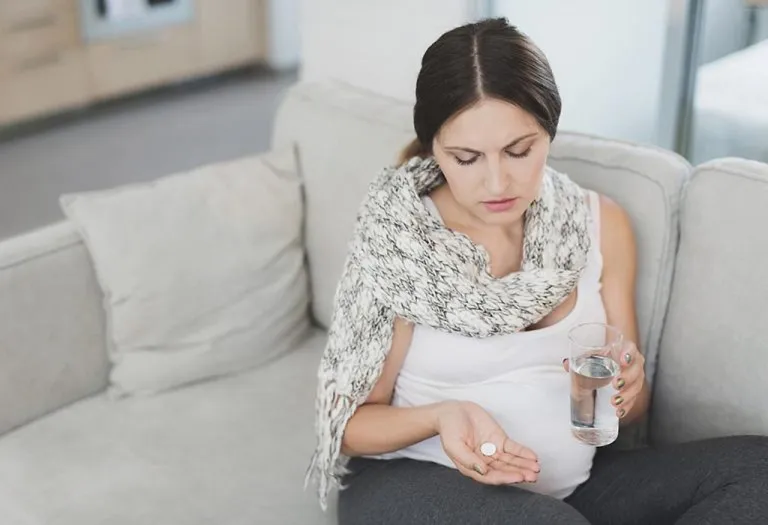
Whether to continue or stop antidepressants in pregnancy is a very controversial decision among pregnant women. Most doctors tell pregnant women to stop their medication for depression that keeps them healthy. According to the American College of Obstetricians and Gynecologists (ACOG), about 1 in 10 women are diagnosed with depression during pregnancy (1). While it is a common notion that pregnancy and medication for depression don’t go hand in hand, there’s a balance that needs to be maintained to keep the mother healthy. What if stopping medication leads to the recurrence of depression during pregnancy? In all these scenarios, it is okay to wonder if it is safe to take antidepressants during pregnancy, and what alternatives exist to them. Taking caution during pregnancy to safeguard the health of the baby and the mother is of the utmost importance. Along with eating right and exercising regularly, you must not delay in consulting your doctor if you are dealing with a mood disorder, especially during pregnancy.
Can You Take Antidepressants While Pregnant?
Choosing to take an antidepressant while you are pregnant is a call that needs to be made by weighing the risks and the benefits. In terms of risks, antidepressants pose a very low-level risk of harm to the baby. At the same time, there are very specific medicines that have been deemed safe for consumption during pregnancy. The lowest possible amount of a consistent medication might be necessary at this stage (2).
How Can Pregnancy Affect Depression?
Pregnancy causes the body of the mother to undergo a lot of hormonal changes, which also results in affecting the emotions. Initially, this was believed to be a positive effect that raises the mood and vitality of the mother. However, this is not always the case. The fluctuating emotions can cause a form of depression to set in, as well as make it difficult to handle an existing case of depression. This, combined with the challenges of pregnancy, can result in a taxing time for everyone involved.
Is Treatment for Depression Essential in Pregnancy?
The answer to this would be yes. Depression manifests itself in various behavioural tendencies. Poor eating habits could result in not having good prenatal care or an imbalanced diet, missing the nutrients both the mother and the baby need. Major depression cases have usually resulted in the premature birth of the child, the baby has less than ideal weight, improper or reduced growth in the foetus, and so on (3). If the depression continues unabated, it could further escalate after delivery. This can then cause reduced production of breastmilk, an absence of a baby-mother bonding, and affect the child intensely.
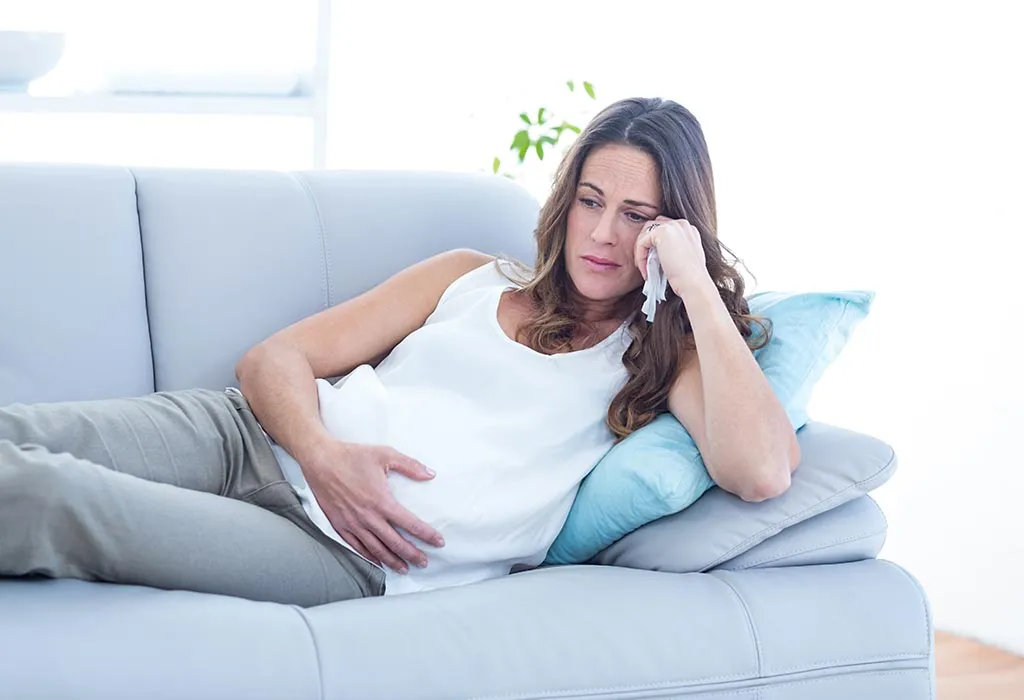
Which Antidepressants Are Considered Safe During Pregnancy?
Here is a list of pregnancy-safe antidepressants which are considered safe to take during the term (2).
1. Specific SSRI Medications
SSRIs are termed selective serotonin reuptake inhibitors. These are usually considered to be safe during pregnancy, although they have their own share of complications. These include postpartum haemorrhage, where there is heavy bleeding after birth, premature delivery or even reduced weight of the baby. Taking SSRIs early in pregnancy also increases the risk of babies developing spina bifida, cleft lip, or heart diseases (4). Most SSRIs do not cause any birth defects in the child, except for paroxetine, which has a small risk of heart defects. Other medications that are considered safe are the ones that have citalopram, fluoxetine or sertraline.
Nonetheless, the Cleveland Clinic says that SSRIs are the safest antidepressants to take in pregnancy (5).
2. Specific SNRI Medications
SNRIs are termed as serotonin and norepinephrine reuptake inhibitors. Most of these medicines are safe to be consumed during pregnancy. Towards the later stages of the pregnancy, there is a higher risk of experiencing heavy bleeding after delivery. Medications containing duloxetine and venlafaxine are considered safe for pregnant women.
3. Bupropion Based Medication
Certain women might be aware of this medicine in the form of Wellbutrin, which is also used to stop smoking. When it comes to depression, this isn’t the medicine usually recommended, but is opted for when other medications fail to work properly. Certain research has pointed out that bupropion could be linked to foetal heart defects.
4. Tricyclic Medication
These antidepressants usually contain nortriptyline. These, too, are used only when none of the usual medications has had any effect on depression. Such medicines might be safe during pregnancy; however, they do result in heavy bleeding during delivery if consumed in the 2nd or 3rd trimester of the pregnancy. Clomipramine also falls under this type of medication, although it has been linked with heart-related defects.
Antidepressants to Avoid When Pregnant
Most antidepressants and pregnancy do not always go together very well. There are some of these which should definitely be avoided.
Paroxetine, a selective serotonin reuptake inhibitor, is strongly advised against consumption during pregnancy. There have been links that associate this medication with an increased risk for the foetus to have heart-related defects (5).
Another class of medication is MAOIs or monoamine oxidase inhibitors. These also include phenelzine and tranylcypromine, both of which should be strongly avoided in pregnancy. These medicines are known to restrict the growth of the foetus.
Alternatives to Medications
Medication may not always be recommended to you if your depression is not severe. In many cases of mild depression, if there exists no history of relapsing into depression again, doctors usually suggest experience psychology based therapy techniques. These include cognitive behavioural therapy and interpersonal therapy, along with exercises. These usually are pretty consistent at keeping depression in control and work on a longer term as well.
Another alternative to medications is electroconvulsive therapy (ECT), which is observed to be safe and effective during pregnancy. It involves electrical brain stimulation (5).
Do not opt for any random herbal or exotic remedies as a way to treat your depression. These can cause more harm than the aforementioned medications, many of which could be irreversible.
Risk of Taking Antidepressants for a Baby
There are certain effects of antidepressants during pregnancy, especially in the last trimester or so. Consumption of antidepressants in that stage can result in the baby experiencing some respiratory distress, irritation, refraining from feeding and certain jitters, for up to 4 weeks after pregnancy. This, however, should not cause you to stop taking medication or reduce the dosage since that can increase the risk of depression setting in after delivery. Consulting your doctor is highly recommended to get more personal guidance on how to use antidepressants during pregnancy.
What Happens When You Stop Taking Antidepressants in Pregnancy?
Antidepressants for pregnant women are absolutely essential to keep the depression under control. If you skip any doses, it can risk the depression setting in heavily. This may result in a bad emotional state, improper care during pregnancy, and psychosis after delivery.
Can You Switch Medication?
Medication for depression during pregnancy is usually suggested to be consistent and in the minimally required doses. Switching is mostly avoided since there are risks with the substituted drug failing to treat depression appropriately. In case switching is required, getting a doctor’s recommendation is absolutely necessary.
FAQs
1. Can antidepressants cause gestational diabetes during pregnancy?
According to a 2019 research, the use of some antidepressants may increase the risk ofngestational diabetes in pregnant women (6). SSRIs do not pose any increased risk. However, one thing important to note here is that unamanaged depression is more likely to present a higher risk of developing diabetes during pregnancy compared to taking antidepressants during pregnancy.
2. Can antidepressants cause a miscarriage?
There is not major increase in the risk of miscarriage with the use of antidepressants during pregnancy. In one study, researcher found a marginally higher likelihood of spontaneous abortion linked to the use of antidepressants: 12.0% among women who used antidepressants compared to 11.1% among those who did not. In another study, researchers linked diagnosis of depression with a higher chance of miscarriage than exposure to an antidepressant (7).
3. Are there any FDA-approved antidepressants?
Interestingly, no antidepressant has been given a specific FDA stamp of approval for use during pregnancy. The main reason behind this is that pharmaceutical companies have historically left pregnant women out of their clinical trials (8). That said, there’s still a decent body of research looking at how safe certain antidepressants are for expecting mothers. Doctors and medical professionals rely on this data to guide their recommendations, pointing patients toward options that carry a lower risk profile during pregnancy. When it comes to treating depression while pregnant, SSRIs tend to be the go-to choice that most healthcare providers lean toward (9).
4. Are mood stabilisers safe for pregnant women?
Mood stabilizers come with their own set of concerns when it comes to pregnancy. Lithium, a known mood stabiliser can potentially increase the chances of certain cardiac issues developing in the unborn baby, particularly when used in the first trimester of pregnancy (10). Medications originally designed to prevent seizures, like carbamazepine, carry a known association with spina bifida, a condition affecting the development of the spinal nerves. On a relatively more reassuring note, atypical antipsychotics — olanzapine being one example — appear to pose a lower risk overall. In fact, large-scale studies suggest that the majority of atypical antipsychotics don’t show a direct link to fetal harm.
Pregnancy is where a mother needs to take care of two lives, the baby and herself. Depression can strongly affect the emotional health which can affect the baby’s growth directly or indirectly. Medications, although avoided during pregnancy, might be necessary for certain situations in the long run. It is important to note that any risks that the mother faces, the baby may face too. Even when it comes to avoiding medication altogether, having a strong emotional support and staying confident can fight that depression.
Also Read:
Pain Killer in Pregnancy
Loratadine while Pregnant
Doxinate during Pregnancy
Taking Omeprazole while Pregnant
Was This Article Helpful?
Parenting is a huge responsibility, for you as a caregiver, but also for us as a parenting content platform. We understand that and take our responsibility of creating credible content seriously. FirstCry Parenting articles are written and published only after extensive research using factually sound references to deliver quality content that is accurate, validated by experts, and completely reliable. To understand how we go about creating content that is credible, read our editorial policy here.
1. ACOG – Depression During Pregnancy
2. Mayo Clinic – Antidepressants: Safe during pregnancy?
3. Johns Hopkins Medicine – Antidepressants and Pregnancy: What to Know
5. Cleveland Clnic – Are Antidepressants Safe During Pregnancy?
8. FDA – Division of Pediatrics and Maternal Health – Clinical Trials in Pregnant Women
9. ACOG – Treatment and Management of Mental Health Conditions During Pregnancy and Postpartum
- Author