

Stroke During and After Pregnancy – Causes, Symptoms, and Risks





Stroke during pregnancy is a rare but potentially life-threatening medical emergency that requires immediate diagnosis and treatment to protect both the mother and baby. According to the American Heart Association, pregnancy-associated stroke affects approximately 30 out of every 100,000 pregnancies, with the highest risk occurring during late pregnancy and the first few weeks after childbirth (1). Although uncommon, the condition can lead to serious complications if warning signs are missed or treatment is delayed. This article explains everything you need to know about pregnancy and stroke, including its causes, symptoms, risks, diagnosis, treatment, and prevention.
What Is Stroke?
A stroke is a medical emergency that occurs when the blood supply to part of the brain is interrupted or when a blood vessel in the brain bursts. Without a steady supply of oxygen and nutrients, brain cells begin to die within minutes, which can lead to permanent brain damage, disability, or even death if not treated promptly (2).
Is Stroke During or After Pregnancy Common?
While stroke in pregnancy isn’t common, the bodily change that goes on slightly increases the chances. Young women in their childbearing age have a lower risk of stroke. However, the hormonal changes brought about by pregnancy can make some women susceptible to blood clots. The risk also continues into the postpartum period, several weeks after delivery. The risk of stroke is higher in women with blood clotting problems, high blood pressure, heart disease, and autoimmune conditions.
Causes of Stroke During or After Pregnancy
Stroke during or after pregnancy can occur due to a combination of pregnancy-related physiological changes and pre-existing health conditions. Some of the most common contributing factors are explained below.
1. Increased Blood Clotting (Hypercoagulable State)
Pregnancy naturally increases the blood’s ability to clot to reduce excessive bleeding during childbirth. However, this protective mechanism can sometimes lead to the formation of blood clots that block blood flow to the brain, resulting in an ischemic stroke (3). The risk remains elevated for several weeks after delivery.
2. High Blood Pressure and Preeclampsia
Hypertensive disorders such as gestational hypertension and preeclampsia are among the leading causes of stroke during pregnancy. Severely elevated blood pressure can damage blood vessels in the brain, increasing the risk of bleeding (hemorrhagic stroke) or reducing blood flow to brain tissue (4).
3. Heart and Blood Vessel Disorders
Certain underlying cardiovascular conditions, including congenital heart disease, heart valve disorders, atrial fibrillation, and blood vessel abnormalities, can increase the likelihood of blood clots reaching the brain (5). Women with these conditions require close monitoring throughout pregnancy and the postpartum period.
4. Other Medical Conditions and Lifestyle Factors
Several additional factors can increase the risk of stroke during or after pregnancy, including diabetes, obesity, smoking, inherited clotting disorders (thrombophilia), autoimmune diseases such as lupus, severe infections, and excessive bleeding after childbirth. Advanced maternal age and a previous history of stroke or transient ischemic attack (TIA) can also significantly raise the risk (4).
What Are the Symptoms of Stroke During and After Pregnancy?
The symptoms are similar to any other stroke, whether it is a mini-stroke during pregnancy or a major one. Here are ten signs of a stroke during pregnancy:
1. Neurological Deficits
These are the most common signs of a stroke, such as loss of sensation, trouble speaking, trouble comprehending, loss of coordination and weakness on one side of the body. They may occur simultaneously and mean that either a stroke is imminent or is happening (6).

2. Headaches
Intense headaches that feel different from the others and last longer are common when caused by cerebral venous thrombosis (CVT). It could also be accompanied by weakness, numbness or double vision. The thunderclap headache is another form of intense headache which needs immediate emergency care. If you have cerebral venous thrombosis (CVT), any signs like headache or blurry vision should not be ignored, and you must get emergency medical attention (7).
3. Blurred Vision
High blood pressure in women can affect the occipital lobe, which is located in the back of the brain. It is responsible for processing vision and can indicate a stroke before it happens (8).
4. Seizures
Seizures are one of the first signs of a stroke. A brain injury caused by a stroke can trigger a seizure. It can be a symptom of haemorrhagic strokes or RPLS. They are both triggered by very high blood pressure that can occur in a high-risk pregnancy.

5. Dizziness
Dizziness is also an important symptom to look out for. When it is accompanied by blurry vision, vomiting, slurred speech or loss of balance, they are symptoms of a stroke and require immediate medical attention.
6. Feeling Lethargic
Bleeding or swelling inside the brain can also lead to the sudden onset of sleepiness or lethargy. These happen commonly in cases of high blood pressure, cerebral venous thrombosis (CVT), reversible posterior leukoencephalopathy syndrome (RPLS), and other forms of stroke during pregnancy.
7. Breathing Difficulty
Sometimes breathing difficulty is also accompanied by other symptoms of a stroke. However, it is also a common symptom of stress and anxiety. Frequent episodes of shortness of breath are a sign of a serious health problem and must not be ignored.

8. Numbness
Different parts of the body might feel numb or have an unusual burning sensation during a stroke due to the compression of nerves. When numbness is associated with weakness in the limbs, drooping of the face, difficulty in speaking or confusion, it could be a stroke, and medical attention should be sought immediately.
9. General Weakness
While some might experience weakness in certain limbs or parts of the body, others might experience weakness in the full body. It could be accompanied by dizziness, breathing problem, and irregular heartbeat.
10. Hallucinations
Hallucinations are when you begin to see or hear things that don’t exist or even feel sensations without an external stimulus. Hallucinations can sometimes be side effects of medications, but they can also be felt during a stroke.
What Are the Risk Factors for Stroke During or After Pregnancy?
The risk of stroke during and after pregnancy depends on a number of factors which we will discuss below. Here are some known stroke and pregnancy risks:
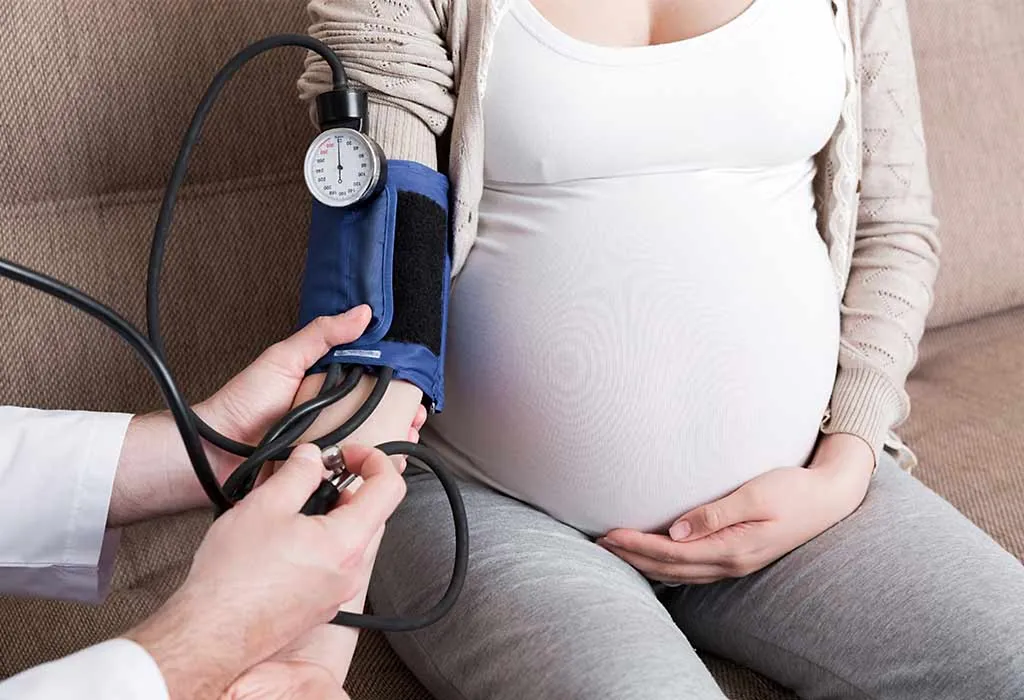
1. High Blood Pressure
Women who have had normal blood pressure before pregnancy can develop high blood pressure during pregnancy, so it’s not always the case that if you have had high blood pressure before pregnancy, then only you will have high blood pressure during pregnancy. Anyone can be susceptible to it. High blood pressure remains the leading cause of stroke in pregnant women and those who have given birth recently (9).
2. Preeclampsia
Preeclampsia is a condition characterised by dangerously high levels of blood pressure during pregnancy. It can cause headaches, vision problems, swelling in the face and hands, low birth weight, and even premature delivery. In its most severe form, it can cause seizures (eclampsia) and stroke (10).
3. Gestational Diabetes
Some women develop high blood sugar and gestational diabetes during pregnancy. It leads to high blood pressure and chances of heart disease or stroke further down the line (11).

4. Blood Clots
Pregnancy naturally increases the likelihood of blood clots which raises the chances of a stroke. Swelling in parts of the body, such as the legs, slows down the blood flow, and clotting is more likely to happen when blood doesn’t circulate well. During the third trimester, the body also produces a compound which helps with blood clotting to protect women from excessive bleeding during childbirth. This could also be one of the reasons for blood clotting.
Key Points to Remember About Stroke in and After Pregnancy
Here are some important points every expectant and new mother should know to better understand the condition and its impact.
- Stroke is a life-threatening condition that can lead to permanent brain damage, long-term disability, or even death if not treated promptly.
- Pregnancy itself does not cause a stroke, but the physical and hormonal changes during pregnancy and the postpartum period can increase the likelihood of developing one in women with certain risk factors.
- Preeclampsia and other pregnancy-related high blood pressure disorders are among the strongest risk factors and should be diagnosed and managed without delay.
- Watch for warning signs such as a sudden severe headache, weakness or numbness on one side of the body, trouble speaking, vision changes, dizziness, or confusion, and seek emergency medical care immediately.
- Brain imaging, such as a CT scan or MRI, is essential to determine the type of stroke, as ischemic and hemorrhagic strokes require different treatment approaches.
- Managing stroke during pregnancy requires a multidisciplinary team, including neurologists, obstetricians, emergency physicians, and other specialists, to ensure the best possible care for both the mother and the baby.
- A stroke during pregnancy does not always affect future pregnancies or delivery options. With appropriate treatment, rehabilitation, and medical guidance, many women go on to have healthy pregnancies and may still be able to deliver vaginally, depending on their individual condition.
How to Reduce the Risk of Stroke and Have a Healthy Pregnancy?
The effects of stroke during pregnancy can be just as dangerous for the baby as it is to you. Therefore, it’s important to reduce the risk as much as possible. Here are some tips to help (12):
1. Quit Smoking
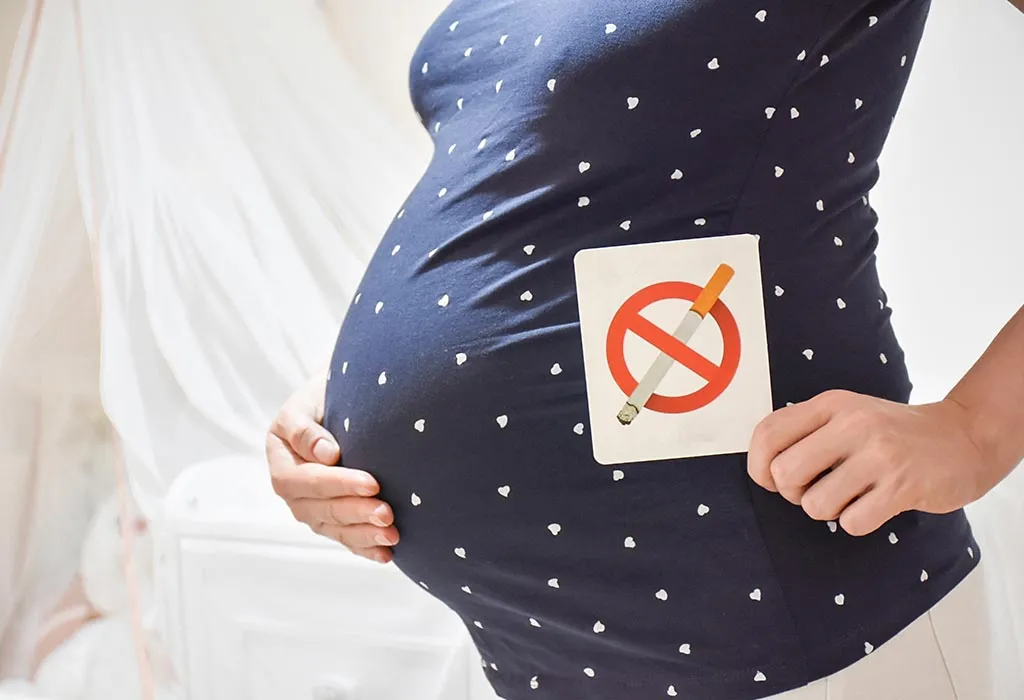
Smoking constricts the veins and increases blood pressure hence significantly increasing the chances of a stroke. If you’re pregnant, do not smoke. If you are already in the habit, learn how to quit.
2. Keep Your Weight Within Healthy Limits
Although it’s normal to gain weight during pregnancy, maintaining a healthy weight helps better regulate blood sugar levels and blood pressure. Eat nutritious food and cut down on junk.
3. Eat Healthily

Include whole grains, healthy fats, nuts, fruits, and vegetables in your diet and cut down on processed foods and high salt intake. Keep your sugar intake small as well to maintain healthy blood pressure.
4. Exercise or Stay Physically Active
It is recommended that pregnant women get 30 minutes of moderate physical activity every day. If you cannot maintain an exercise schedule, compensate for it with some physical activity.
5. Work With Your Doctor

If you have concerns about high blood pressure or sugar, talk to your doctor about how to better manage your risk of a stroke. Schedule regular visits to have yourself monitored.
When to Consult a Doctor?
Consult a doctor or call emergency medical services right away if you notice (2):
- Sudden weakness or numbness in the face, arm, or leg, especially on one side of the body.
- Difficulty speaking, understanding speech, or sudden confusion.
- A severe, unexplained headache that comes on suddenly.
- Sudden vision loss, blurred vision, or double vision.
- Trouble walking, dizziness, loss of balance, or poor coordination.
- Seizures or loss of consciousness.
- Sudden difficulty swallowing or unexplained facial drooping.
FAQs
1. How is stroke diagnosed during pregnancy?
Doctors may use imaging tests such as a CT scan or MRI to determine the type of stroke. These tests are performed when medically necessary, as early diagnosis is critical for timely treatment.
2. Can stroke during pregnancy affect the baby?
It can, particularly if the mother’s condition is severe or treatment is delayed. Prompt medical care helps improve outcomes for both the mother and the baby.
3. Can stroke during pregnancy be treated?
Yes. Treatment depends on whether the stroke is ischemic or hemorrhagic and may include medications, blood pressure management, surgery in some cases, and rehabilitation. Care is tailored to protect both mother and baby.
Post pregnancy stroke is a serious medical emergency, and immediate help should be sought to minimise the damage. Call the emergency number if you notice any of the symptoms of a stroke.
Also Read:
Health Benefits of Laughing during Pregnancy
Reasons for Sleeping on Left Side during Pregnancy
Why Mental Health Care Is Important in Pregnancy
Was This Article Helpful?
1. American Heart Association – Maternal Stroke: A Call for Action
3. Cleveland Clinic – Ischemic Stroke
5. PubMed Central – Stroke: causes and clinical features
6. American Heart Association – Stroke Symptoms
7. The New England Journal of Medicine – Cerebral Venous Thrombosis
8. Centers for Disease Control and Prevention – Signs and Symptoms of Stroke
9. Cleveland Clinic – High Blood Pressure (Hypertension)
10. Cleveland Clinic – Preeclampsia
11. Cleveland Clinic – Gestational Diabetes
12. Harvard Health Publishing – 7 things you can do to prevent a stroke
- Author


Related Articles
-
HCG Injections in Pregnancy - Uses and Side Effects
-
Losing the Mucus Plug During Pregnancy
-

26 Best Pregnancy Movies Every Mom-to-Be Should Watch
-

First Period After C Section – What to Expect
-

10 Pregnancy Dos and Don’ts for a Healthy Journey
-

The Silent But Dangerous Risk Many Unborn Babies are Facing