How to Sleep After a C-Section – Best Positions for Recovery
A complete guide to sleeping comfortably after a C-section with recovery tips, positions, and pain relief advice.




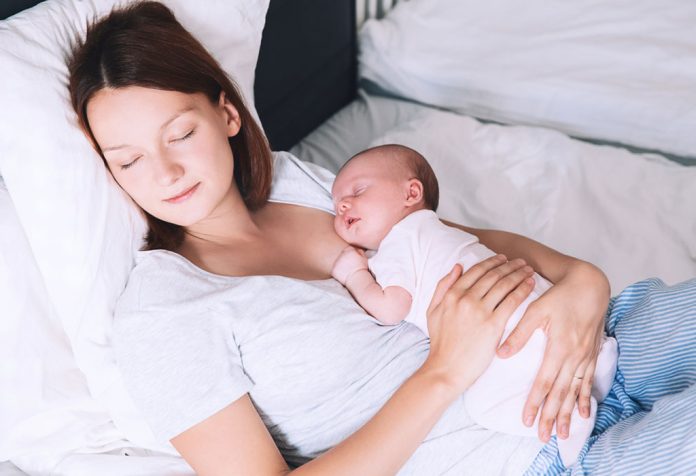
Pregnancy and childbirth are beautiful experiences. Although it is beautiful, the mother’s body goes through a lot during the process, it is all worth it when you get to hold your little one in your arms. As medical sciences have evolved to make the delivery process less risky for the mother and baby, one evolutionary procedure was C-Section deliveries.
No mom can ever forget the sleepless days and nights that follow a C-Section delivery. While parenting is no doubt a wonderful experience, the initial few weeks after childbirth can be tough. The recovery period after a C-Section delivery will be painful and require the better part of your patience and courage. But remember, this is a temporary phase, and you will sail through it eventually. In this article, we will discuss sleeping positions after a C-section.
Why Good Sleep Is Important After C-Section?
A C-section is a very invasive procedure that a mother goes through. The body will take time to heal, and the baby needs to be looked after as well. Getting adequate sleep is important so that you can take care of your newborn and yourself (1). It will help you be more alert and focus on the tasks at hand in a better way. Your body will utilise energy to heal itself while you sleep. It is thus very important to sleep after a C-section.
How Much Sleep Do You Need After Your Cesarean Delivery?
You may have some doubts about how much sleep you should be getting. You can’t afford to sleep too much as your baby needs your time, and you surely can’t sleep too little as your body needs to heal. Here is some clarity on how much you need to sleep:
1) Hours of Sleep
You should ideally be getting 7-9 hours of sleep each night in an ideal situation. However, you have a newborn to take care of as well. However, you must ensure that you get no less than 6 hours of sleep each night. Being sleep deprived can cause other health issues, such as depression and poor cognitive function (2).
2) Naps
Being a new parent can be hard. If your baby keeps you up at night and you are unable to get 7-9 hours of sleep, you can take a few naps of 15-20 minutes each throughout the day. This will also help with the healing process and keep your mind fresh.
Why Is It Difficult to Sleep After a C-Section?
Sometimes, during pregnancy and after pregnancy, a woman’s airway is unable to function smoothly due to increased hormone levels and increased abdominal volume. This condition is known as Obstructive Sleep Apnea (OSA) and is observed in a lot of women (3). Improper breathing and collapsing of the airway make it difficult to stay asleep when you manage to find the time to. Another significant reason why moms suffer from insomnia, fatigue and depression after a C-Section delivery is the pain. But with proper care and precautions, you’ll be able to recover faster.
Also Read: Bath After C- Section Delivery – Precautions and Benefits
How Does Sleeping Position Affect the Quality of Sleep after a Cesarean?
While pain medications almost always help you fall asleep, an appropriate sleeping position will ensure better breathing and a sound nap. Choosing the most comfortable sleeping position after a caesarean will reduce the strain on your abdominal muscles, in turn, reducing the pressure on your incision (4).
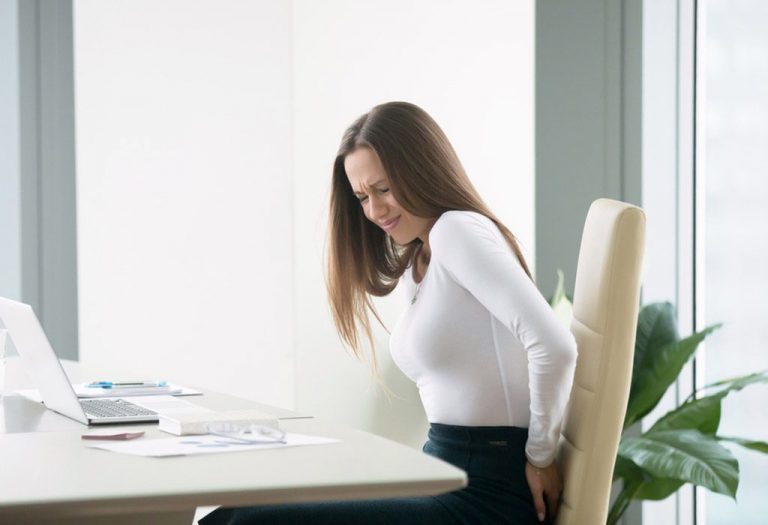
Also Read: Back Pain After C-Section – Causes and Remedies
Best Positions for Sleeping After C-section
There is no single sleeping position that works for everybody. What works for one mom may not work for another. It’s a process of trial and error till you find a sleeping posture that suits you best. You can choose from these best ways to sleep after a C-section delivery. We will also discuss the best position to sleep after a C-section, sleeping positions to avoid after a C-section, and recovery sleeping positions after a C-section.
1. On the Back
A lot of women vote sleeping on the back as the most comfortable position after a surgery. In this position, your incision won’t be under any pressure anymore. You can also put a pillow under your knees. The only downside is that you can strain your belly while sitting up or getting out of bed. After a few weeks, try rolling onto your side if it doesn’t hurt much. Women with high blood pressure may be advised against this.
2. To the Side
You might find it comfortable to sleep on your side soon after delivery. Sleeping to the left side aids optimum blood flow and digestion (which you very much need). You can use pillows to support your belly and hips. An advantage of sleeping to the side after a C-Section delivery is that you can prop yourself up on your elbow and push with your arms to sit up and get out of bed. Tip – breathe out while pushing yourself up.
Also Read: Massage After Caesarean Delivery – All You Need to Know
3. Elevated Upper Body
Friends who have had a cesarean delivery will tell you that pillows are your lifesavers. They’re indeed right. Prop yourself on a pile of cosy pillows so that your entire upper body is elevated, not just the head. This position facilitates better breathing and easy sleeping for many suffering from OSA.
4. In a Recliner
For many women, finding comfort in any position becomes really difficult. But many moms have claimed to have slept in a recliner or rocking chair. Of course, it doesn’t feel like sleeping on a bed, but it makes getting up easier. You can also breastfeed with ease.
These were our recommended sleeping positions after C-section.
Also Read: Hernia after C-Section Delivery – Causes, Symptoms, and Treatment
Tips to Improve Quality of Sleep While You Recover
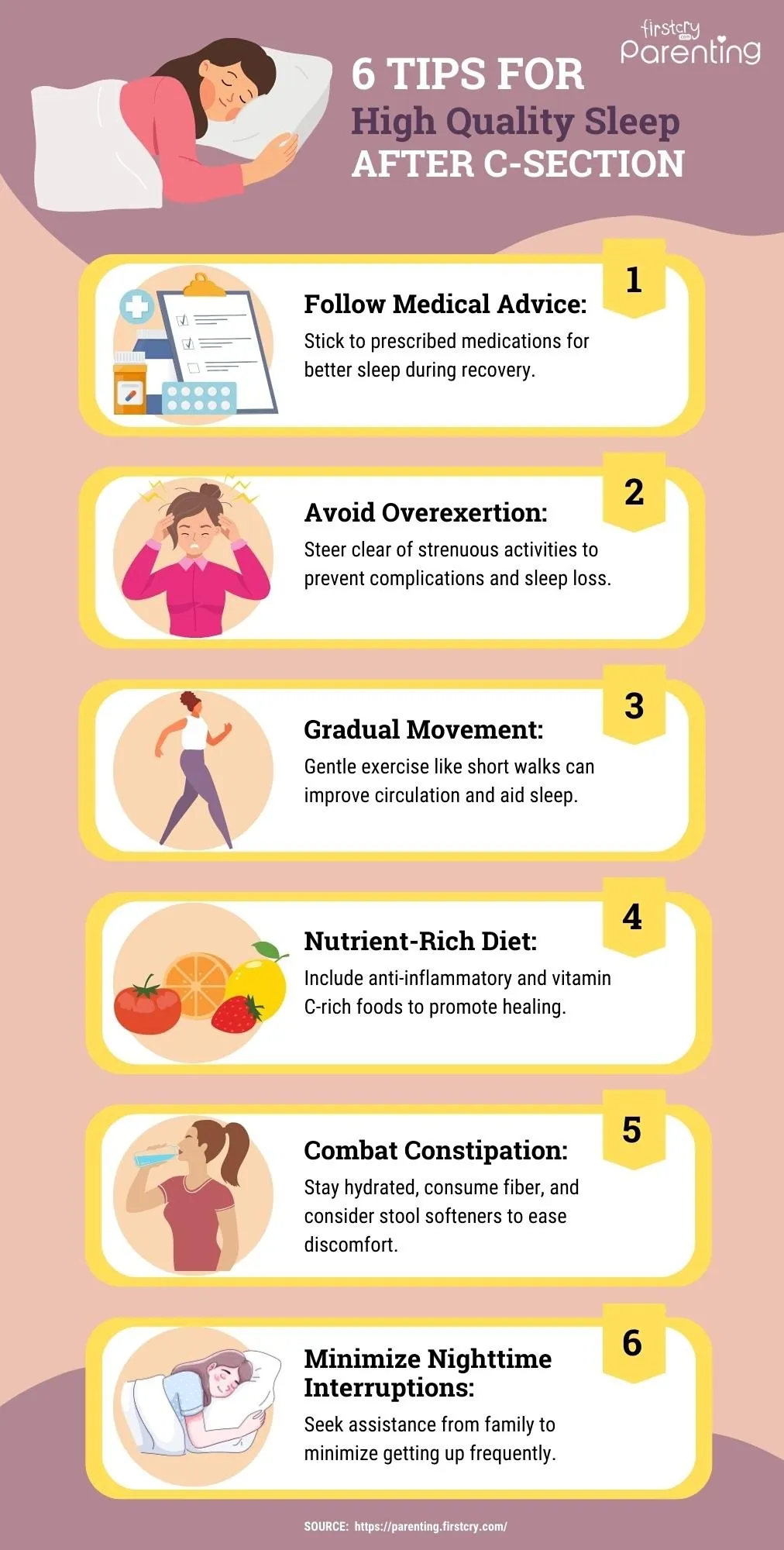
For new moms, it is important to have sound sleep, even if it is for a short duration of time. Since good quality sleep helps you recover faster, here are some tips to keep in mind (5):
- Follow your doctor’s advice and don’t discontinue your medication to get better sleep.
- Avoid exerting yourself, climbing stairs, or lifting weights heavier than your baby. You might run a risk of inviting complications and losing sleep. If you give your body time to heal, the pain will subside eventually and also help you sleep better.
- That said, an optimum amount of movement and exercise can boost blood circulation and quicken the healing process. Once you feel better, you can start with short walks in and around your house. It will help you get better sleep at night.
- Eating right is very important. Anti-inflammatory foods and foods that are high in Vitamin C, like berries and broccoli, should be included. You can also eat nuts and seeds.
- Constipation is not uncommon for new moms. We advise you to drink lots of water and include fibre-rich foods in your diet. You can also ask your doctor about using a stool softener for better bowel movements. An irritable tummy can cause discomfort and make sleeping difficult.
- Avoid getting up from bed too often during the first few weeks. You can request your husband and family to bring your baby to you when needed.
How Long Does It Take to Sleep Normally Again?
After a C-section, most women begin to sleep more comfortably within 2 to 6 weeks, but returning to “normal” sleep can take longer due to healing, hormonal shifts, and newborn care demands. In the first couple of weeks, discomfort around the incision, difficulty finding a pain-free position, and frequent nighttime feedings can significantly disrupt rest. As the incision heals and pain decreases—usually after the first month—sleep quality gradually improves.
When to Call a Doctor
Contact your doctor straight away if you notice any of the following (6):
- Pain or difficulty when passing urine
- Leaking urine without meaning to
- Pain relief not working, or the pain getting worse
- A sore or tender abdomen
- A wound that is red, swollen, painful, leaking fluid, or not healing properly
- A high temperature (fever)
- Heavy vaginal bleeding that continues after a week or becomes heavier
- Feeling faint, dizzy, or having a fast or pounding heartbeat
- Vaginal blood or discharge with an unpleasant smell
- Cough, chest pain, or shortness of breath
- A severe or ongoing headache
- Pain, redness, or swelling in the lower leg (calf)
- Breast redness and swelling lasting more than 24 hours and getting worse
FAQs
We get a lot of questions on how to sleep after undergoing a C-section. Here we’ve answered a few of them.
1. Is it okay if I roll onto my belly while sleeping?
Although rolling onto your belly is something you don’t have control over, deliberately sleeping on your stomach is advised against. That’s because the incision site will be sore and is undergoing recovery. As the pain gradually subsides with time, you can sleep on your tummy if you find it comfortable.
Also Read: Exercises & Tips To Reduce Tummy Post Cesarean Delivery
2. Getting out of bed is very difficult for me after a C-section. Any tips?
While getting up from your sleeping position, turn to either side and prop yourself up with the help of your elbows. You can also ask a family member to assist you with this. First, assume a comfortable seated position and then let your legs dangle over the side of the bed. Put your feet on the floor and rest for a minute before you stand up. This method will make getting out of bed in the morning easier.
3. Can I use a pillow after a C-section?
Yes, you can use a pillow after a C-section as it can help support your body and ease the pain. You can elevate your head from your body for better air circulation. You can also use pillows to support your arms while breastfeeding.
4. Is it normal to experience night sweats after a C-section?
Yes, night sweats are fairly common after delivery due to hormonal changes as your body adjusts to pregnancy. These shifts can cause sudden sweating that disrupts sleep. Staying hydrated, wearing breathable clothing, and keeping your room cool can help manage this temporary symptom.
These are some of the most comfortable ways for good sleep after a C-section. Your emotional health is your first priority. A healthy and positive mind accelerates physical recovery. A happy you is what your baby needs right now.
Infographic: 6 Tips for Quality Sleep After C-Section
Also Read:
Recovering After a C-section Delivery
Breastfeeding After Caesarean Section Delivery
Diet After C-section Delivery – Foods to Eat and Avoid
Was This Article Helpful?
Parenting is a huge responsibility, for you as a caregiver, but also for us as a parenting content platform. We understand that and take our responsibility of creating credible content seriously. FirstCry Parenting articles are written and published only after extensive research using factually sound references to deliver quality content that is accurate, validated by experts, and completely reliable. To understand how we go about creating content that is credible, read our editorial policy here.
1. American Journal of Obstetrics and Gynecology – Postpartum care: we can and should do better
2. Mayo Clinic – C-section recovery: What to expect
3. Mayo Clinic – Obstructive sleep apnea
4. Cleveland Clinic – Postpartum
5. NHS – After your Caesarean Section
6. Tommy’s.org – How to recover from a c-section (caesarean) at home
- Author
 About the Author
Aarohi Achwal
Related Articles
-

Hemorrhoids Post Pregnancy: Causes, Symptoms, and Treatments
-
How to Reduce Tummy Fat After Pregnancy?
-
Varicose Veins After Pregnancy
-
12 Indian Breakfasts You MUST Try to Lose Weight After Pregnancy!
-
HCG Levels After Miscarriage
-
The New Mom’s Guide to Cervical Cancer Prevention: Why Postpartum Is the Right Time to Talk HPV