Eating Water Chestnut (Singhara Fruit) During Pregnancy – Benefits and Side-effects





Medically Reviewed By
Gayatri Dawda
(Nutritionist)

This content has been reviewed by a qualified expert and follows the FirstCry Parenting editorial policy to ensure accuracy and reliability.
Water chestnut (Singhara) is generally safe to eat during pregnancy and can be a nutritious addition to a balanced diet when consumed in moderation. According to the World Health Organization (WHO), eating a variety of fruits and vegetables during pregnancy helps support maternal health and fetal development (1). Singhara provides important nutrients such as potassium, fibre, vitamin B6, and antioxidants, which support digestion, hydration, and overall well-being during pregnancy.
In this article, we’ll explore the benefits of eating water chestnut during pregnancy, possible side effects, safety precautions, and the best ways to include it in your pregnancy diet, so you can make an informed choice for yourself and your baby.
Can You Eat Water Chestnuts During Pregnancy?
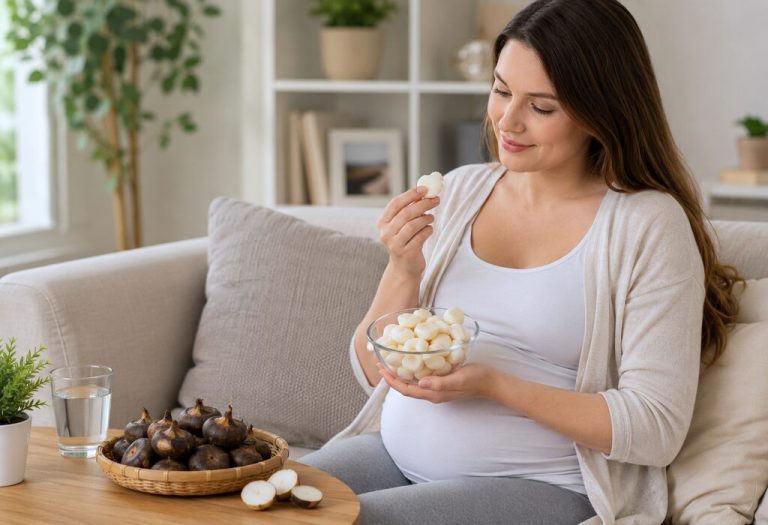
If you relish eating water chestnuts, then here’s good news for you. You can eat water chestnuts during pregnancy. Water chestnuts or singhara in pregnancy are an excellent source of various minerals and vitamins and can prove to be beneficial for your health during pregnancy (2).
Nutritional Value of Water Chestnuts
Water chestnuts are not only delicious but also offer various essential nutrients. Below is a table outlining the nutritional value of water chestnuts per 100 grams serving (3):
| Nutrients | Quantity |
| Energy | 97 kcal |
| Protein | 1.4 g |
| Carbohydrate | 23.9 g |
| Fiber | 3 g |
| Total sugars | 4.8 g |
| Iron | 0.06 mg |
| Potassium | 584 mg |
| Fat | 0.1 g |
| Vitamin B6 | 0.328 mg |
| Vitamin C | 4 mg |
| Folate | 16 µg |
| Choline | 36.2 mg |
Benefits of Eating Singhara During Pregnancy
Singhara, also known as water chestnuts, offers numerous benefits for pregnant women. Here are some of the key advantages:
1. Anti-bacterial and Antioxidant Properties
Singhara contains compounds with anti-bacterial and antioxidant properties, which can help support the immune system and protect against infections during pregnancy (4).
2. Strengthening Stomach Muscles
Consumption of singhara can strengthen stomach muscles, aiding in digestion and alleviating gastrointestinal discomfort often experienced during pregnancy.
3. Reducing Acidity, Fatigue, and Heartburn
Singhara is known to lower acidity levels in the stomach, reduce fatigue, and alleviate heartburn, providing relief to pregnant women experiencing these symptoms (5).
4. Treatment of Pregnancy Hypertension
Singhara consumption has been linked to the treatment of pregnancy-induced hypertension, helping to regulate blood pressure levels and promote overall cardiovascular health (6).
5. Water Retention and Blood Pressure Balance
Singhara’s natural diuretic properties assist in reducing water retention, which is common during pregnancy. Additionally, it helps in balancing blood pressure, contributing to maternal well-being.
6. Supports Healthy Digestion and Helps Prevent Constipation
Singhara is a good source of dietary fibre, which promotes healthy digestion and supports regular bowel movements. Since constipation is a common pregnancy complaint due to hormonal changes and prenatal iron supplements, including fibre-rich foods like singhara in moderation may help improve digestive comfort.
How Many Chestnuts Can You Eat in Pregnancy?
A serving of 4-6 fresh water chestnuts (about 80-100 grams) can be enjoyed as part of a balanced pregnancy diet, provided they are thoroughly washed and eaten fresh.
Side Effects of Consuming Water Chestnut When Pregnant
While water chestnuts offer several health benefits, it’s essential to be aware of potential side effects, especially during pregnancy. Here are some side effects to consider:
- Allergic Reactions: Some individuals may experience allergic reactions to water chestnuts, leading to symptoms such as itching, hives, or swelling, which can pose risks during pregnancy.
- Risk of Contamination: Water chestnuts are often grown in water, increasing the risk of contamination with harmful bacteria or parasites that can cause foodborne illnesses, posing a threat to both the mother and the developing fetus.
- Gastrointestinal Issues: Consuming water chestnuts in large quantities may lead to gastrointestinal discomfort, including bloating-gas, or diarrhea, which can be particularly troublesome during pregnancy when digestion is already affected.
- High Glycemic Index: Water chestnuts have a relatively high glycemic index, which means they can cause rapid spikes in blood sugar levels. This can be problematic for pregnant women with gestational diabetes or those at risk of developing it.
- Increased Risk of Hypertension: Due to their sodium content, excessive consumption of water chestnuts may contribute to elevated blood pressure levels, which can be concerning for pregnant women, especially those with a history of hypertension.
- Potential Choking Hazard: Whole water chestnuts, especially if not properly prepared or cooked, may pose a choking hazard, particularly for pregnant women experiencing nausea or difficulty swallowing.
How to Consume Water Chestnuts in Pregnancy?
Water chestnuts can be eaten fresh when in season or you can buy the canned versions of it. Singhara could be used as the main ingredient in cooking or as a flavouring ingredient. It is most commonly used in the form of flour. It can even be made into a paste to be applied on the body. In conclusion, singhara can be used in various ways for consumption. Here are a few ways in which you can eat water chestnuts.
1. Fresh Fruit
Water chestnuts taste delicious when consumed raw. So you can have them whole. You can also consume them by adding them to a fresh salad.
2. Porridge
One of the best ways of consuming singhara is in the form of porridge. Singhara porridge can be very beneficial for you during pregnancy. To make singhara porridge, sauté the required singhara flour in a bit of ghee and add a pinch of cardamom. Add milk slowly and steadily until you reach the consistency of porridge. You can add jaggery for taste.
3. Singhara Kheer
If you crave something sweet during pregnancy, make healthy singhara kheer. Boil some milk and add some singhara flour to it. Add in a pinch of nutmeg powder, mix well, and let it cook. Garnish with dry fruits and enjoy healthy singhara kheer.
4. Singhara Halwa
Roast the flour in ghee, add some sugar and water. Add some ghee on top and let it cook. Garnish with some chopped almonds and enjoy the halwa.
5. Stir-Fry Salad
Take some blanched singhara, blanched chopped capsicum, some greens and beans in a bowl and mix well. Now, take some olive oil in a pan and heat it. Add the above mix, then stir-fry it. Sprinkle cornstarch water when required. Garnish with your favourite seasoning.
6. Singhara Chapati
If you are not in the mood of eating whole wheat chapatis, you can make singhara chapati. Use singhara flour to make the chapatis and enjoy with your favourite gravy.
7. Methi Singhara Fry
In a blender, take some poppy seeds, curd, cashew nuts, salt, and white pepper, and blend to make a paste. Shallow fry chopped singhara with some methi leaves in a pan. Add the paste to the pan and mix well. Stir well and garnish with chopped coriander leaves.
8. Singhara Pulav
Peel the singharas and boil them for a few minutes. Add boiled and peeled singhara to your pulav before putting in the rice to have singhara pulav.
9. Singhara Sabzi
Make your regular mixed vegetable, then add boiled and peeled singharas to it, and mix well. Add salt and pepper to enhance the taste.
10. Singhara Paste
Many women are affected by eczema during pregnancy. The application of dried singhara powder mixed with plain water on the affected area can help it heal quickly and provide relief from eczema.
FAQs
1. Is Singhara flour (water chestnut flour) safe during pregnancy?
Yes, Singhara flour is generally considered safe during pregnancy when prepared hygienically. It is commonly used to make rotis, pancakes, and other dishes and can be a nutritious alternative to refined flour as part of a balanced diet.
2. Are there any specific precautions to take when eating water chestnuts during pregnancy?
Pregnant women should ensure that water chestnuts are properly cleaned and cooked to reduce the risk of contamination. Additionally, monitoring portion sizes and being mindful of any allergic reactions or gastrointestinal discomfort is advisable.
3. Who should avoid eating Singhara during pregnancy?
Pregnant women with allergies to water chestnuts, kidney conditions requiring potassium restriction, or specific dietary limitations advised by their doctor should consult their healthcare provider before including Singhara in their diet. If you experience an allergic reaction after eating it, stop consuming it and seek medical advice promptly.
4. Are there alternatives to water chestnuts for pregnant women with dietary restrictions or preferences?
Yes, pregnant women can opt for alternative nutrient-rich foods such as sweet potatoes, pumpkin, or winter squash if they have dietary restrictions or preferences that preclude the consumption of water chestnuts.
Singhara is not an exotic fruit and is easily available. You can enjoy it during pregnancy but don’t eat too many singharas as it may lead to side effects such as nausea or an upset stomach. Better yet, consult a doctor before including singharas in your pregnancy diet.
Also Read:
Walnut during Pregnancy
Pista (Pistachios) when Pregnant
Eating Cashew Nuts in Pregnancy
Was This Article Helpful?
Parenting is a huge responsibility, for you as a caregiver, but also for us as a parenting content platform. We understand that and take our responsibility of creating credible content seriously. FirstCry Parenting articles are written and published only after extensive research using factually sound references to deliver quality content that is accurate, validated by experts, and completely reliable. To understand how we go about creating content that is credible, read our editorial policy here.
- Author
- Expert Reviewer


Related Articles
-

Vitamin B Complex in Pregnancy – Importance and Food Sources
-
Spicy Food During Pregnancy - Is It Safe?
-
Can You Eat Eel When Pregnant?
-
What to Eat for Morning Sickness - Best Foods and Drinks
-
Not Eating Enough During Pregnancy - Risks, Causes and Tips to Fix It
-
Eating Sunflower Seeds in Pregnancy – Benefits and Risks