

Can You Eat Sesame Seeds in Pregnancy?
Learn the benefits, safety tips, and nutritional value of sesame seeds in pregnancy to support a healthy and balanced diet.





Medically Reviewed By
Trishita Nalvath
(Diabetologist/Nutritionist/Dietitian)

In this Article
- Can Pregnant Women Eat Sesame Seeds?
- Nutritional Value of Sesame Seeds
- Benefits of Sesame Seeds While Pregnant
- How Many Sesame Seeds Can You Eat During Pregnancy?
- Side Effects of Sesame Seeds for Pregnancy
- How to Include Sesame Seeds in Your Pregnancy Diet?
- Alternatives to Sesame Seeds in Pregnancy
- FAQs
View More
If you are pregnant, you will have to be very careful about your food choices because what you eat will affect your health as well as your baby’s health. Everything you plan to eat (however little) will impact your baby’s health. So it is important that you opt for healthy foods.
You will receive well-meaning advice with regard to your food choices during pregnancy, and so much information can overwhelm you. You will know which fruits and veggies to eat, but what about herbs and seeds? Take sesame seeds, for instance. Can you include them in your pregnancy diet? Is it okay to have sesame seeds in pregnancy? Are they harmful, or are they good for you and your baby? Read on to know!
Also Read: Consumption of Chia Seeds During Pregnancy – Is it Safe?
Can Pregnant Women Eat Sesame Seeds?
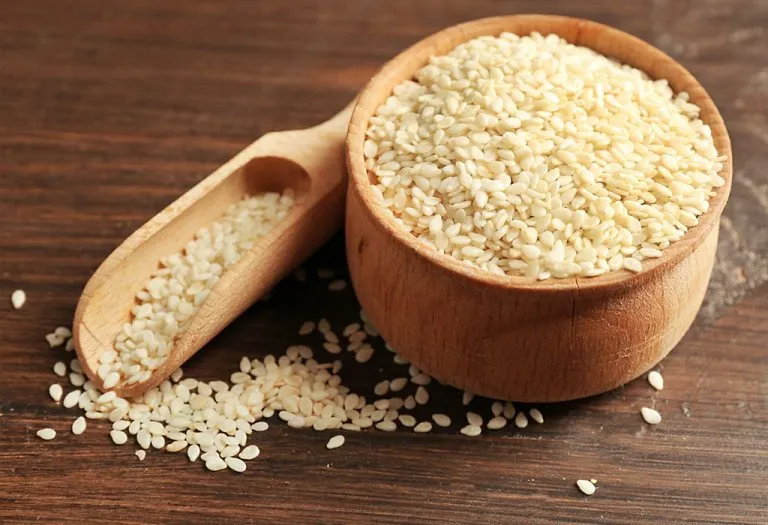
The notion that white sesame seeds are not safe for consumption during pregnancy is nothing but a myth. In India, many people believe that sesame seeds are a ‘heat-generating’ food and increase body heat and upset the natural balance of the body. Some people also believe that eating heat-generating foods like sesame seeds in pregnancy can lead to miscarriage or premature labour. However, there is no scientific evidence to back this up. On the contrary, sesame seeds are packed with essential nutrients like iron, protein, fibre, calcium, magnesium, and potassium that are good for both the mother and the baby (1). So, the answer to the question ‘Is sesame seeds good for pregnancy?’ is yes! But most doctors suggest that a pregnant woman should avoid consuming them in the first trimester, as it can make her nauseous.
Nutritional Value of Sesame Seeds
Sesame seeds are enriched with various essential nutrients, and consuming them during pregnancy can do a lot of good for you and your baby. These seeds serve as a great source of iron, calcium, and fibre. You need to consume only a few seeds to get all these nutrients.
Here is a breakdown of the nutrients these seeds offer. Every 10 g of sesame seeds has approximately the following quantities of each nutrient (2):
- Protein – 1.76 g
- Fibre – 1.5 g
- Carbohydrates – 2.6 g
- Fat – 4.8 g
- Calcium – 13 mg
- Iron – 0.78 mg
- Calories – 51
- Sodium – 4 mg
- Potassium – 41 mg
- Magnesium – 32.4 mg
Other minerals like magnesium, potassium, and B Vitamins are present in trace amounts.
Also Read: Consuming Fennel Seeds During Pregnancy – Benefits, Side Effects and More
Benefits of Sesame Seeds While Pregnant
What are the benefits of sesame seeds for pregnancy? Sesame seeds (til) are considered a superfood in many parts of the world. They can offer a lot of nutrients that are essential for a pregnant woman and her baby. Some of the benefits of eating sesame seeds during pregnancy are mentioned below.
-
Sesame seeds serve as a complete package of nutrients offering iron, calcium, and vitamins, all of which are essential for the growth of the foetus. Sesame seeds are rich in B Vitamins like riboflavin, niacin, thiamin, and pyridoxine, all of which will ensure proper development of the foetus (3).
-
Sesame seeds are an excellent source of protein and amino acids that are required for the proper growth of the foetus.
-
Sesame seeds, being a rich source of fibre, can aid digestion during pregnancy. Constipation is a common problem during pregnancy. If you also have constipation and other digestive system-related issues, you can eat sesame seeds to avoid the same.
-
Sesame seeds contain oleic acid, which can keep your bad cholesterol levels or LDL levels low and improve your good cholesterol or HDL levels. This will ensure a good lipid profile.
-
Sesame seeds contain Vitamin C, which can boost your immune system and keep diseases and germs at bay. During pregnancy, your immune system will be low, hence you might be more susceptible to infections and illnesses. But you can avoid these infections by eating sesame seeds. Consumption of sesame seeds can prevent cold and flu.
-
Calcium is an important nutrient for good oral health during pregnancy. And sesame seeds, being an excellent source of calcium, can take care of your teeth. By eating sesame seeds, you can take care of your teeth and bones in pregnancy. They can also aid in the healthy growth of your baby.
-
As sesame seeds contain folic acid, eating them during pregnancy can help prevent defects related to neural tubes in babies (4).
-
Eating sesame seeds is also believed to boost energy and lower mental stress and weakness.
-
Sesame seeds, being a rich source of iron, can ensure that your baby gets an adequate supply of oxygen while in the womb (5).
Also Read: Eating Ajwain (Carom Seeds) During Pregnancy
How Many Sesame Seeds Can You Eat During Pregnancy?
It is important to control the consumption of sesame seeds during pregnancy and limit the consumption to up to three tablespoons.
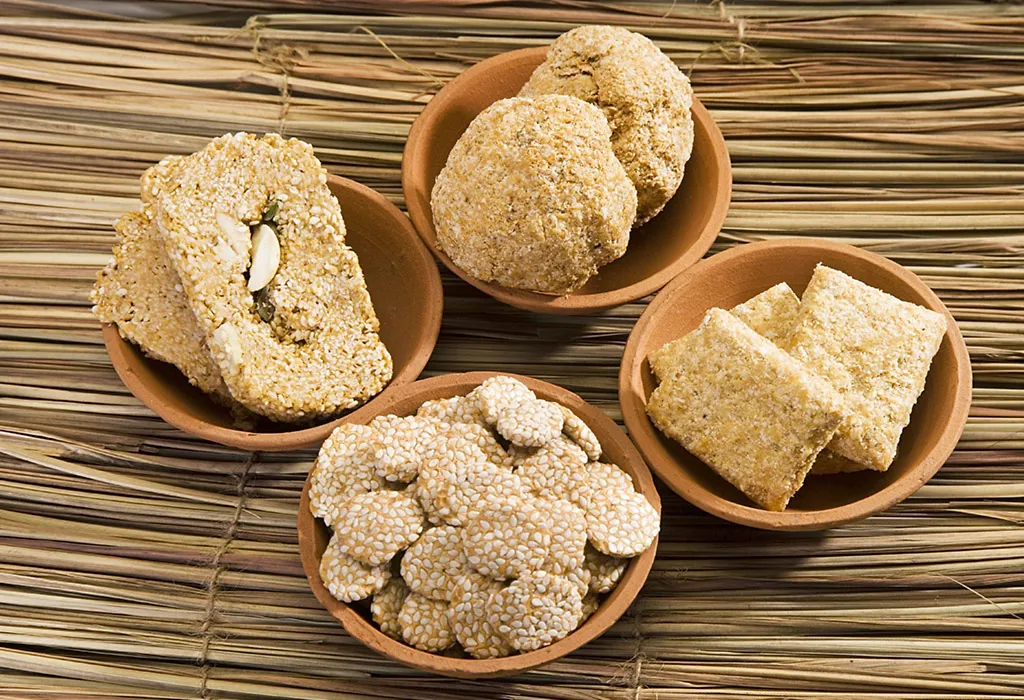
You can sprinkle or add a little bit to your food to enhance the taste of the dish. However, avoid consuming dishes that are solely made from sesame seeds, such as til ladoo, more often in your pregnancy. It is okay to have them once in a while during pregnancy, but overconsumption is not good for health.
Side Effects of Sesame Seeds for Pregnancy
While sesame seeds are a nutritious food packed with essential vitamins and minerals, many pregnant women wonder about their safety. Here are some of the potential side effects of sesame seeds during pregnancy:
- Can Trigger Nausea: Some pregnant women may experience feelings of nausea after consuming sesame seeds, especially during the sensitive first trimester.
- May Cause an Upset Stomach: If you develop stomach discomfort, cramping, or an upset stomach after eating sesame seeds, it is advisable to stop consuming them.
- Varying Individual Tolerance: Not every woman’s system responds to the same food identically, so the effects can differ from person to person.
- Potential for Allergic Reactions: Though not mentioned in the original text, it’s important to note that sesame is a common allergen, and any allergic symptoms should be taken seriously (6).
- Risk of Overconsumption: Eating very large quantities might lead to digestive issues or other complications, so moderation is key.
- Necessity for Medical Consultation: It is always best to consult with your doctor before making significant dietary changes, including the regular inclusion of sesame seeds, to ensure it’s safe for your specific health situation.
How to Include Sesame Seeds in Your Pregnancy Diet?
Now that you are aware of the immense benefits that sesame seeds offer, you must be wondering how you can include them in your pregnancy diet. Being rich in essential nutrients, they would make a healthy addition to your diet and here’s how you can include them in your regular food.
- Add sesame seeds to your regular bowl of breakfast. Add them to your bowl of hot cereal.
- You can add sesame seeds to salads and stir-fries for some extra crunch and nuttiness.
- You can make a sesame seed dip and eat it along with vegetable sticks to curb your afternoon hunger pangs.
- You can add sesame seeds to your regular coriander and mint chutney.
- You can roast sesame seeds and use them to garnish various dishes.
- You can make til ladoos and eat them during pregnancy.
- You can add sesame seeds to soups or raita.
Also Read: 10 Health Benefits of Makhana (Lotus Seeds) in Pregnancy
Alternatives to Sesame Seeds in Pregnancy
If you need to avoid eating sesame seeds when pregnant due to personal tolerance or simply want to diversify your diet, many other foods can provide similar nutritional benefits. These alternatives are excellent for adding crucial nutrients like folate, iron, calcium, and healthy fats to support a healthy pregnancy.
- Flaxseeds
- Pumpkin Seeds
- Sunflower Seeds
- Walnuts
- Almonds
FAQs
1. Can I eat food cooked in sesame oil during pregnancy?
It is safe to eat food prepared in sesame oil during pregnancy. This oil can meet your requirements of healthy fats during pregnancy and help in the development of your baby’s brain. However, it is recommended that you speak to a nutritionist and your doctor before eating anything cooked in sesame oil.
2. Eating black sesame seeds or white sesame seeds – which is a healthier choice?
Black sesame seeds have a high nutritional profile; hence, they are healthier than white sesame seeds. Black sesame seeds contain more calcium than white sesame seeds and would be a better choice during pregnancy if you want to meet your calcium requirements. However, there is nothing wrong with consuming white sesame seeds, either. They are good too!
3. When to avoid eating sesame seeds while pregnant?
Avoid the consumption of sesame seeds during the first trimester of your pregnancy, as they can overheat your body and cause nausea if consumed in excess.
4. Is it safe to eat sesame seeds during breastfeeding?
Yes, absolutely! Sesame seeds are blessed with calcium and estrogen-like plant properties, which are very beneficial for lactation. So, lactating mothers can have sesame seeds during breastfeeding.
This was all about sesame seeds and pregnancy. Eating sesame seeds is not harmful to the mother and the baby. But it is best that you avoid including them in your diet during the first trimester of your pregnancy as eating them can make you nauseous. If you are planning to include these seeds in your diet, talk to your doctor first to make an informed choice. Have a healthy pregnancy!
Also Read:
Flaxseeds while Pregnant
Sunflower Seeds in Pregnancy
Is It Safe to Eat Poppy Seeds while Pregnant
Was This Article Helpful?
Parenting is a huge responsibility, for you as a caregiver, but also for us as a parenting content platform. We understand that and take our responsibility of creating credible content seriously. FirstCry Parenting articles are written and published only after extensive research using factually sound references to deliver quality content that is accurate, validated by experts, and completely reliable. To understand how we go about creating content that is credible, read our editorial policy here.
- Author
- Expert Reviewer
 About the Author