
Retinol During Pregnancy: Is It Safe? Risks & Alternatives
Everything you need to know about retinol and pregnancy with safe skincare tips that matter




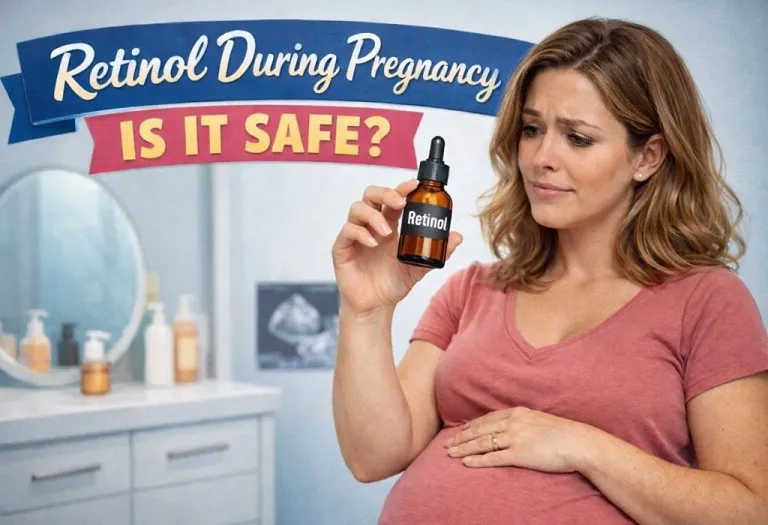
Image Credit : AI Generated Image
Pregnancy often brings a new level of care to everyday choices, including what you put on your skin. If you have been using skincare products for acne or anti-aging, you may be wondering about retinol during pregnancy and whether it is still safe to continue. The connection between retinol and pregnancy can feel unclear, with mixed advice and growing concern around certain ingredients. To understand why and to find safer alternatives, keep reading this article.
What Is Retinol and How Does It Work?
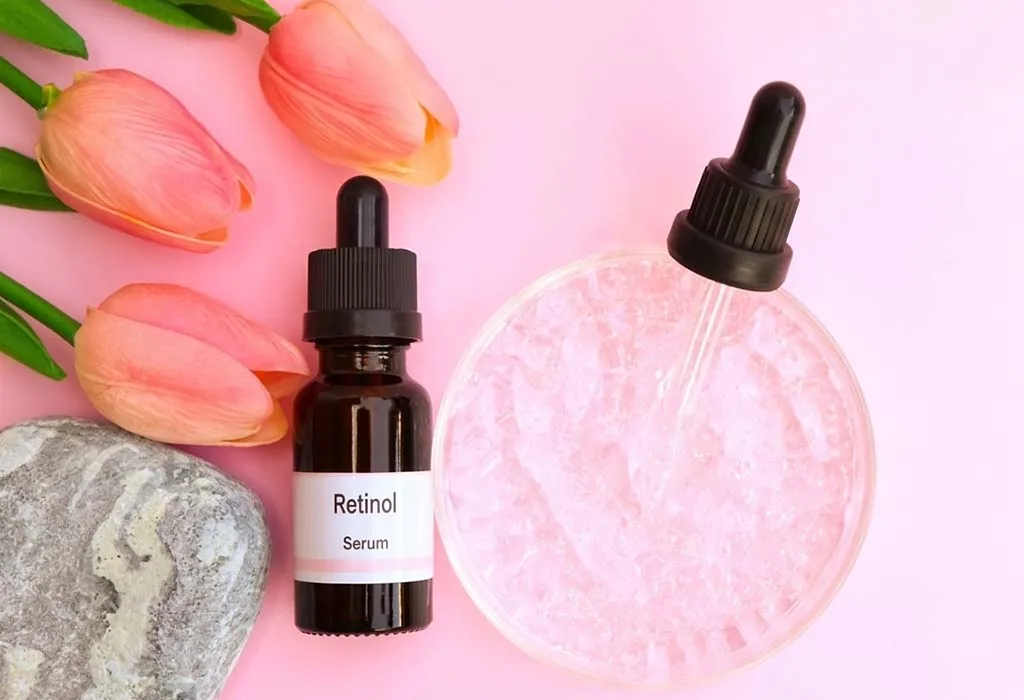
Image Credit : AI Generated Image
Retinol is a form of vitamin A commonly used in skincare to improve fine lines, wrinkles, and uneven skin tone. It works by speeding up cell turnover, helping the skin shed old cells and replace them with new ones (1).
It also supports collagen production, which improves firmness over time (2). Many people use retinol for clearer skin, fewer breakouts, and a more even complexion.
Can You Use Retinol While Pregnant?
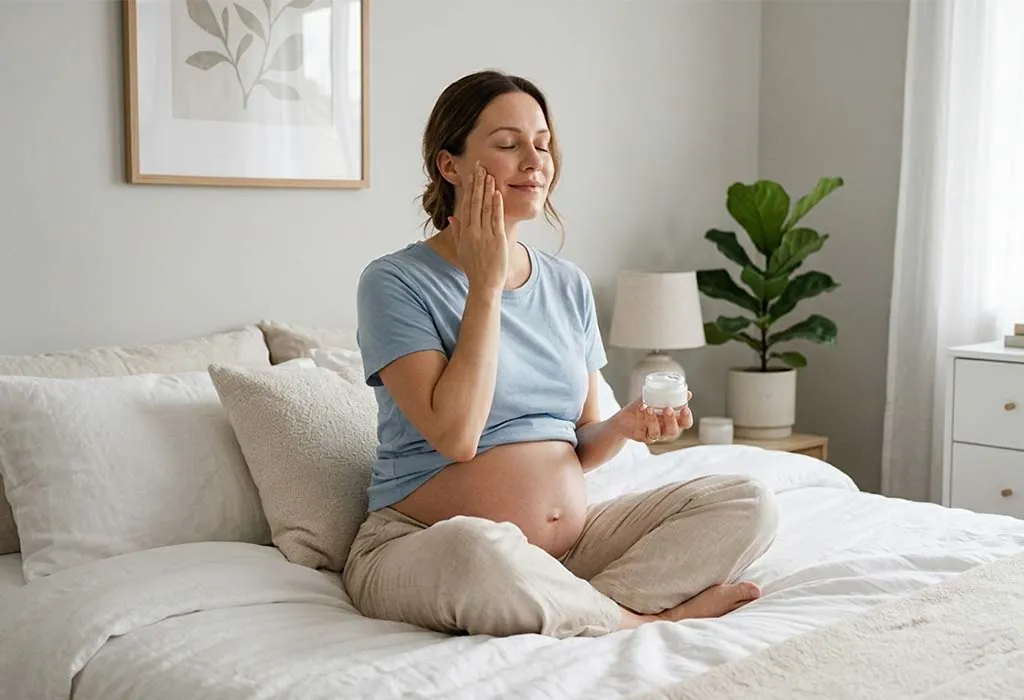
Image Credit : AI Generated Image
Many expectant mothers ask, “Is retinol safe while pregnant?” The answer is no. Retinol use during pregnancy is generally not recommended (3). Retinol is a form of vitamin A, and high doses of vitamin A can be harmful to a developing baby, potentially causing birth defects or other complications. Even topical retinol creams can be absorbed through the skin, which is why doctors advise avoiding retinol for pregnancy (1).
Risks of Retinol in Pregnancy
Now you might be wondering, “why can’t you use retinol when pregnant?” Here are a few risks to be aware of:
- Birth Defects (Fetal Retinoid Syndrome): High exposure to retinoids has been linked to serious birth defects affecting the baby’s face, heart, and brain (4).
- Developmental Delays: Babies exposed to excess vitamin A may experience learning disabilities or delayed growth after birth (5).
- Central Nervous System Issues: Retinoids can impact brain development, leading to conditions like hydrocephalus or other neurological problems (4) (6).
- Organ Abnormalities: Exposure may affect organs such as the heart, kidneys, and glands, disrupting normal development.
- Vitamin A Toxicity: Retinol can build up in the body and reach toxic levels, which may harm the developing fetus (7).
- Placental Transfer Risk: Vitamin A derivatives can cross the placenta and directly affect the baby during critical growth stages.
Safe Alternatives to Retinol During Pregnancy

Image Credit : AI Generated Image
So what can you use if not retinol while you’re pregnant? Fortunately, there are plenty of gentle, safe ingredients that can keep your skin healthy and glowing. Here’s a list of some of the best alternatives to try.
- Bakuchiol: A plant-based ingredient that mimics retinol’s effects, helping reduce fine lines and improve skin texture without irritation (8).
- Vitamin C: Brightens skin, evens tone, and supports collagen production while being gentle and safe for pregnancy (9).
- Hyaluronic Acid: Hydrates deeply, plumps the skin, and reduces the appearance of fine lines without any risk to the baby (10).
- Niacinamide: Soothes inflammation, minimises pores, and strengthens the skin barrier while being pregnancy-friendly.
- Azelaic Acid: Helps with acne and pigmentation safely, making it an effective alternative to stronger active ingredients (11).
- Centella Asiatica: Calms irritation, promotes healing, and improves skin elasticity naturally.
- Alpha Hydroxy Acids (AHAs): Gentle exfoliants like lactic or glycolic acid improve texture and brightness safely in moderate concentrations (9).
- Ceramides: Restore the skin barrier and lock in moisture, keeping skin healthy and resilient throughout pregnancy.
- Glycolic Acid (Low Concentration): Exfoliates dead skin cells gently without the risks associated with retinol (12).
When Can You Start Using Retinol Again After Pregnancy?
Many dermatologists recommend waiting until after you have finished breastfeeding, as retinol can pass into breast milk and may not be safe for infants (1). It’s also a good idea to reintroduce retinol gradually, starting with a lower concentration to see how your skin reacts.
FAQs
1. What should I do if I used retinol before knowing I was pregnant?
Don’t panic. Occasional use is unlikely to cause harm, but you should stop using it immediately and consult your doctor for reassurance and guidance.
2. Are all forms of vitamin A unsafe during pregnancy?
Not all forms are unsafe. Vitamin A from food sources and prenatal supplements in recommended amounts is essential for fetal development. However, high-dose supplements and retinoids (like retinol, tretinoin, and isotretinoin) should be avoided due to potential risks.
Pregnancy calls for a few smarter swaps and a bit of patience. Stick with safer options for the time being, and when you’re ready, retinol will still be right where you left it.
Also Read:
Salicylic Acid in Pregnancy
Safe Skincare Products in Pregnancy
Can You Use Retinol While Breastfeeding?
Is it Safe to Wear Makeup During Pregnancy?
Using Perfume and Deodorant during Pregnancy
Is it Safe to Use Hyaluronic Acid in Pregnancy
Was This Article Helpful?
Parenting is a huge responsibility, for you as a caregiver, but also for us as a parenting content platform. We understand that and take our responsibility of creating credible content seriously. FirstCry Parenting articles are written and published only after extensive research using factually sound references to deliver quality content that is accurate, validated by experts, and completely reliable. To understand how we go about creating content that is credible, read our editorial policy here.
3. PubMed Central – Safety of skin care products during pregnancy
4. National Organization for Rare Disorders – Fetal Retinoid Syndrome
5. Journal of the American Academy of Dermatology – Retinoids and teratogenicity
6. National Institutes of Health – Hydrocephalus
7. National Library of Medicine – Vitamin A Toxicity
9. PubMed Central – Skin Changes and Safety Profile of Topical Products During Pregnancy
11. American Academy of Dermatology Association – IS ANY ACNE TREATMENT SAFE TO USE DURING PREGNANCY?
12. American College of Obstetricians and Gynecologists – Skin Conditions During Pregnancy
- Author
 About the Author
Rama Aiyer
Related Articles
-

How to Determine Whether Your Pregnancy Is Viable or Nonviable
-
Pregnancy-associated Plasma Protein-A (PAPP-A)
-
Triple Marker Test (Triple Screen Test) - Purpose, Procedure & Results
-
Best Exercise for Normal Delivery in 9th Month of Pregnancy
-
Is It Safe to Get a Vaccination for Whooping Cough During Pregnancy?
-
Is it Safe to Get a COVID-19 Vaccine During Pregnancy or Breastfeeding?