

Mouth Ulcers During Pregnancy – Causes, Symptoms & Treatment





Medically Reviewed By
Dr. Sabiha Anjum
(Gynecologist/Obstetrician)

In this Article
- What Are Mouth Ulcers?
- Does Pregnancy Cause Canker Sores?
- Are Mouth Ulcers Common During Pregnancy?
- Types of Mouth Ulcers
- Causes of Mouth Ulcers in Pregnancy
- Symptoms of Mouth Ulcers While Pregnant
- Treatment for Mouth Ulcers During Pregnancy
- How Long Do Mouth Ulcers Take to Heal During Pregnancy?
- How to Prevent Mouth Ulcers While Pregnant
- When to Consult the Doctor
- FAQs
View More
Pregnancy is a challenging phase and may bring about uncomfortable changes like mouth ulcers. Due to the lowered strength of the immune system and hormonal imbalances, mouth ulcers or canker sores in pregnancy can commonly affect women. These small, painful mouth ulcers can cause discomfort while eating or speaking. While generally harmless, they can be managed with gentle care and, if severe, should be discussed with a healthcare provider. In this article, we will take a look at the causes behind these ulcers and some natural remedies to treat them. Let’s learn about pregnancy and mouth sores.
What Are Mouth Ulcers?
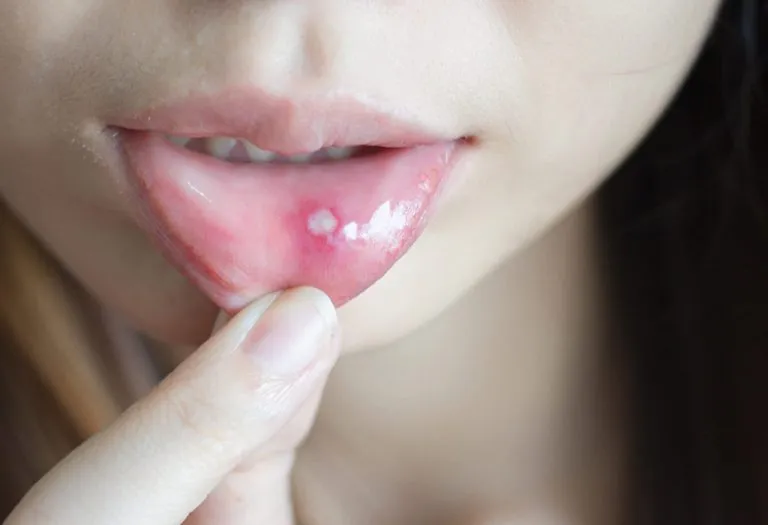
These open sores ulcers also known as cold sores or Aphthous stomatitis, are small white or yellow spots present in and around the mouth that are surrounded by a circle of red (1). They can occur anytime during pregnancy.
Does Pregnancy Cause Canker Sores?
Currently, there is no direct evidence that pregnancy causes canker sores. However, hormonal fluctuations, particularly the surge in progesterone, can make pregnant women more susceptible to them. Additional contributing factors during pregnancy include increased stress, dietary changes, and a slightly compromised immune system, which can all trigger an outbreak (2). Therefore, while pregnancy itself is not a direct cause, the physiological changes it brings can create an environment where canker sores are more likely to occur.
Are Mouth Ulcers Common During Pregnancy?
Yes, mouth ulcers, particularly canker sores, are relatively common during pregnancy. The hormonal changes, especially fluctuations in estrogen and progesterone, can affect the oral mucosa and make it more susceptible to ulcers. Additionally, common pregnancy-related factors like increased stress, dietary deficiencies (such as iron or B12), and a slightly weakened immune response can further contribute to their frequency.
Types of Mouth Ulcers
It may come as a surprise, but mouth ulcers also have types (3).
1. Minor Mouth Ulcers
This type is very common during pregnancy. Minor mouth ulcers usually measure approximately 2-9 mm. They may occur at the base of the mouth, on the gums or on the tongue. For pregnant women, mouth and gum ulcers may take up to 10 days to heal, whereas tongue ulcers may take up to 12 days. Most of the time, they go away on their own.
2. Major Mouth Ulcers
Major mouth ulcers are quite uncommon in pregnant women. They have a diameter of about 10 mm and may take several weeks or months to heal. They may appear on the surface of the tongue, gums, base of the mouth and even in the throat. These ulcers can leave scars and be extremely painful. These ulcers should be treated by a doctor.
3. Herpetiform Ulcers
This type of ulcer is more a virus than a sore, it has a very small diameter of about 1 mm. These ulcer spots usually pop out in multiple places in clusters of dozens. It takes 2 or 3 weeks to heal and may leave behind a scar.
Causes of Mouth Ulcers in Pregnancy
Ulcers in the mouth in pregnancy can manifest at any time. If you know why they happen, prevention and cure become easy (4).
- Stress: Stress is one of the main culprits of mouth ulcers.
- Diet: An imbalanced diet that lacks essential vitamins like vitamin B12 and minerals like zinc or iron can also cause mouth ulcers.
- Sleep Deprivation: Sleep deprivation and stress can cause hormonal and chemical imbalances in the body that have many side effects, including mouth ulcers.
- Change in Immunity: A weak immune system can cause an outbreak of mouth ulcers.
- Hormonal Changes: A rapid change in hormones can alter the chemical composition of the body, leading to mouth ulcers.
Symptoms of Mouth Ulcers While Pregnant
The most common symptom of a mouth ulcer is a wound inside the mouth. You can identify ulcers during pregnancy with symptoms like (5):
- May get a fever
- Itchiness at the site of the ulcer
- A burning pain inside the mouth, especially on the tongue and base of the mouth
- Bad breath or mouth odour
- Difficulty in eating food and drinking liquids
- Difficulty in speaking as painful sores make talking uncomfortable.
Mouth ulcers during the third trimester of pregnancy can also cause a loss of energy and lethargy, which are canker sore pregnancy signs.
Treatment for Mouth Ulcers During Pregnancy
Wondering what is the right canker sore pregnancy treatment? Fortunately, most canker sores during pregnancy heal on their own, but several safe and effective methods can help manage the pain and speed up recovery (6).
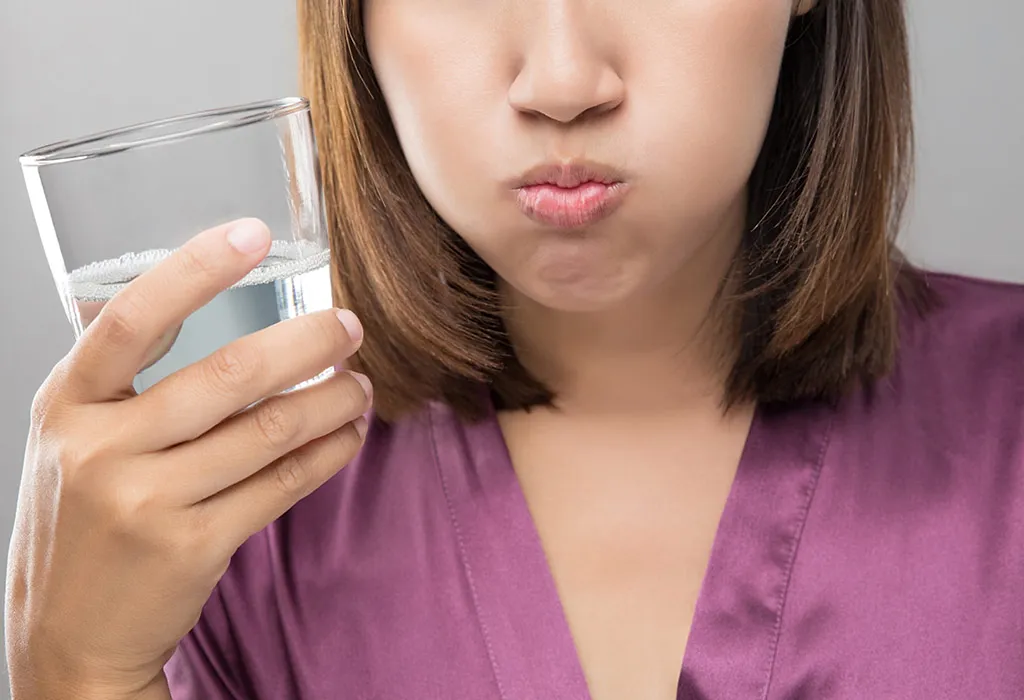
- Rinse your mouth gently with warm salt water to soothe and cleanse the ulcer.
- Always use medicated gels only after consulting your doctor to ensure they are safe.
- Avoid spicy or acidic foods that can further irritate the sore, and talk to your doctor about potential nutrient deficiencies.

Home Remedies for Mouth Ulcers During Pregnancy
If you are looking for a natural remedy for mouth ulcers when pregnant, consider the following safe options, but always consult your midwife or doctor before trying new treatments.
- Create a paste with turmeric powder and water to apply directly to the ulcer, as it is a known natural antiseptic and anti-inflammatory.
- Use a warm salt water rinse by mixing half a teaspoon of salt in a glass of warm water to cleanse the area and encourage healing.
- Try a baking soda rinse to neutralise acidity by dissolving one teaspoon in half a cup of warm water.
- Apply a small amount of coconut oil or raw honey directly to the sore for its soothing and antimicrobial properties.
- Soothe the area with the cooling effect of plain yoghurt, milk, or by gently sucking on ice chips.
- In some traditions, salt liquorice is believed to help with mouth ulcers, though this is not scientifically proven.
- Gently sucking on ice chips or applying a cold compress to the outside of your cheek can help numb the pain and reduce swelling.
- You can dab a small amount of raw, organic honey onto the ulcer a few times a day.
Medication for Ulcers in the Mouth When Pregnant
When home remedies aren’t enough, certain medications can be considered for mouth ulcers during pregnancy, but caution is essential. It is crucial to always consult your doctor or midwife before using any medication to ensure it is safe for you and your baby.
- Topical anaesthetic gels containing benzocaine can numb the area to provide temporary pain relief, but should be used sparingly and only with medical approval.
- Your doctor may recommend an antimicrobial mouthwash to help prevent secondary infection in the ulcer and promote healing.
- If your ulcers are linked to a deficiency, your doctor may prescribe supplements like vitamin B12, folic acid, or iron.
How Long Do Mouth Ulcers Take to Heal During Pregnancy?
Most mouth ulcers during pregnancy follow a typical healing timeline and resolve on their own within one to two weeks. While hormonal and immune system changes might make you more prone to getting them, they do not usually prolong the healing process itself (7).
How to Prevent Mouth Ulcers While Pregnant
These oral hygiene tips can help prevent ulcers.
- Keep yourself hydrated and sleep well.
- Avoid spicy foods.
- Use mouthwash to kill bad bacteria.
- Floss regularly.
- Take vitamin B12 supplements if advised.
- Choose a toothpaste free of sodium lauryl sulfate (SLS).
- Manage acid reflux, which can irritate the mouth.
- Limit sugary foods and drinks that can upset oral balance.
When to Consult the Doctor
You must see a doctor in the following cases:
- Persistent or severe mouth ulcers
- Signs of infection, like fever or pus, are present
FAQs
1. Can mouth ulcers be a sign of a sexually transmitted infection while pregnant?
Certain sexually transmitted infections (STIs), like herpes, have the potential to lead to mouth ulcers. Oral herpes may develop when the herpes virus type 2 (HSV-2) is transmitted to the mouth through oral sexual contact. If concerns about STIs arise, it is imperative to consult a doctor for guidance and assessment.
2. Can a mouth sore be a sign of oral cancer in pregnancy?
Mouth ulcers can be a symptom of oral cancers, which are identified by the presence of lumps or ulcers that may appear pale, dark red, or discoloured. This condition is typically accompanied by additional indicators like speech challenges, swollen lymph nodes, trouble swallowing, weight loss, numbness, loose teeth, and halitosis.
3. Can mouth ulcers during pregnancy indicate an autoimmune disorder?
Conditions like Lupus or Behcet disease, which are autoimmune disorders, can result in the development of mouth sores in pregnancy. A blood test can confirm the presence of these disorders.
4. Can mouth ulcers be a sign of a bacterial or viral infection while pregnant?
Mouth ulcers can signal a bacterial or viral infection, like hand, foot, and mouth disease. This condition is often accompanied by additional symptoms, including fever, headache, reduced appetite, rash, blisters on the extremities, and a sore throat.
This was all about mouth ulcers and pregnancy. Talk to your doctor before starting a new routine, implementing any alternative form of treatment or integrating new activities and foods into your diet. Never exceed dosages of prescribed medications or self-medicate. Canker sores and pregnancy together are not a serious health ailment that affects pregnancy. With the right treatment, an ulcer-free mouth is indeed possible.
Also Read:
Dry Mouth in Pregnancy
Causes of Cold Sore While Pregnant
Treatment of Bleeding Gums During Pregnancy
Was This Article Helpful?
Parenting is a huge responsibility, for you as a caregiver, but also for us as a parenting content platform. We understand that and take our responsibility of creating credible content seriously. FirstCry Parenting articles are written and published only after extensive research using factually sound references to deliver quality content that is accurate, validated by experts, and completely reliable. To understand how we go about creating content that is credible, read our editorial policy here.
- Author
- Expert Reviewer
 About the Author