
Mood Swings While Pregnant: Reasons & What You Need to Do
Pregnancy mood swings can be challenging. Learn why they happen and discover helpful ways to cope with emotional ups and downs.





Medically Reviewed By
Dr. Rashmi Prakash
(Psychologist/Psychotherapist)

This content has been reviewed by a qualified expert and follows the FirstCry Parenting editorial policy to ensure accuracy and reliability.
Mood swings are a common symptom of pregnancy and can be triggered by a variety of factors such as hormonal changes, stress, and health issues. While pregnant, if you feel utter joy in one moment and feel agitated or upset with just about everyone the next moment, you know these behavioural changes are due to mood changes in pregnancy. The good news is that mood swings are temporary, and you’ll soon be even-tempered again. But if you want to know how pregnancy and mood changes are proportional to each other and how you can manage mood swings while pregnant, give this article a read.
What Are Mood Swings in Pregnancy?
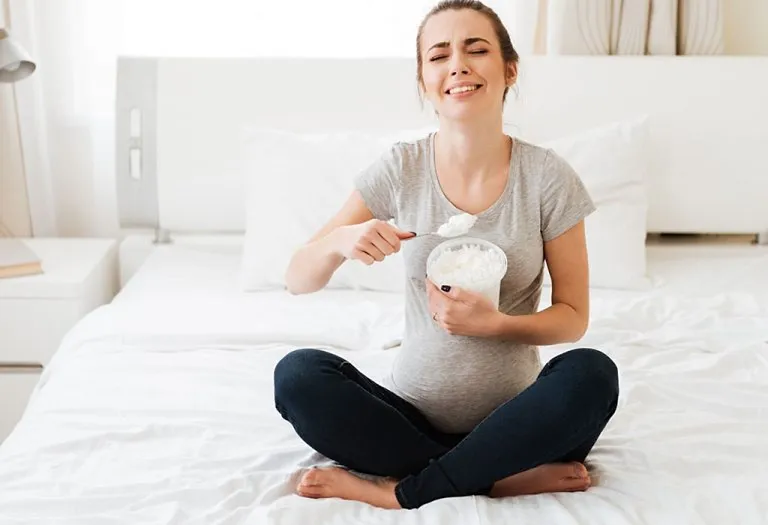
Mood swings are essentially abrupt changes in your feelings and behaviour. You may find yourself overjoyed at the idea of becoming a ‘mother’ on some days, while on others you may feel overwhelmed by the same thought. Being happy and bursting into tears within seconds is what mood swings are like. And while they may not make much sense to you, you will experience them, especially in the first trimester of your pregnancy!
The American Pregnancy Association states that mood swings mostly occur in the first trimester of pregnancy between 6 and 10 weeks and then again in the third as the body starts preparing for the birth (1).
Are Pregnancy Mood Swings Normal?
Pregnancy is a time when drastic changes take place in a woman’s body, and hormonal fluctuations are one of them. With hormonal changes, you’re bound to experience a surge in emotions. Mood swings are more common in women who experience PMS often. However, there is no need to worry or panic at all, as these mood swings are as normal as your off-beat pregnancy cravings (2). It’s your body’s way of adjusting to all the internal changes.
What Causes Mood Swings During Pregnancy?
Mood swings are a result of constant hormonal changes in your body, and these hormonal mood swings during pregnancy can make your pregnancy an emotional roller-coaster ride. However, contrary to popular belief, hormonal changes alone aren’t the reason why these mood changes occur. The following are some reasons why you may be experiencing mood swings while pregnant.
1. Surge in Hormonal Levels
One of the primary causes of mood swings during pregnancy is a surge in the hormones progesterone and oestrogen. These hormonal changes affect the neurotransmitters (the chemicals that carry messages) in your brain (3). When there is an increase or decrease in the amount of these neurotransmitters, it directly affects how you emote. You may become anxious, grumpy, or irritable or excited and happy, all of a sudden.
2. Stress
Worrying about the future and your growing baby’s well-being or delivery could also cause a fluctuation in your hormones, which could affect your mood (4).
3. Common Health Changes
There are other common changes that your body may experience during pregnancy, as a result of which you could observe changes in your mood. Common issues associated with pregnancy, such as heartburn, frequent urination and fatigue can affect your health and mood (5).
4. Emotional and Physical Stress
Women, during this time, can become particularly sensitive, and even the smallest thing may tick them off. Emotional stress is another huge factor responsible for mood swings. Similarly, physical stress and too much activity can also affect your mood. Metabolism, too, can impact your mood. In effect, your emotions can run helter-skelter for a whole lot of reasons.
When Do Mood Swings Occur in Pregnancy?
Women usually experience mood swings in the first and the last trimester of their pregnancy although you could experience them through all stages. Mood swings in the first week of pregnancy set the stage for the first trimester and for the rest of the pregnancy. Let’s see how these mood swings affect a woman in three trimesters:
Pregnancy Mood Swings By Trimesters
Mood swings and pregnancy usually go hand in hand. As pregnancy is divided into three trimesters, you may find it meaningful to know what each phase is like in order to be prepared and experience the different stages of pregnancy in a better way:
1. 1st Trimester Mood Swings
- The initial phase of pregnancy may be slightly difficult to deal with, especially for women who are going to have a baby for the first time, as they are not accustomed to experiencing such sudden changes.
- Pregnancy mood swings in the first trimester can seem to be quite prominent in most cases. However, some women may experience them at a later stage as well.
- Morning sickness to irritability will all come at once, contributing heavily to early pregnancy moodiness and discomfort. Try to cut yourself some slack, as it is alright to behave the way you do.

2. Mood Swings in 2nd Trimester
- The second trimester seems to be the calmest phase of pregnancy.
- If you’ve already experienced mood swings in the first phase, it’s time to relax.
- Pregnancy mood swings in the second trimester are not as prominent, as it is quite likely you have come to terms with the hormonal roller coaster your body is going through.
- This holds true for most women; however, some women may start having mood changes in this phase as well.
3. Mood Swings in 3rd Trimester
- Mood swings in the third trimester of pregnancy are expected to peak and often worsen.
- This is especially difficult because women tend to experience heartburn and insomnia and also feel very tired at this stage. As a result, mood swings in pregnancy third trimester are possibly the hardest phase of pregnancy to cope with.
What If Your Pregnancy Mood Swings Don’t Stop?
Mood swings are extremely common during pregnancy. However, if you feel that they seem to overwhelm you beyond your capacity to manage them, you could consider some effective ways to deal with them. Alternatively, you could also consult your doctor.
How to Control Mood Swings During Pregnancy?
Controlling mood swings may not be as difficult as it may seem. Each woman can explore different options and choose the one that works best for them. So, how to handle emotions during pregnancy? You could consider any of the following options:
1. Get Adequate Sleep
Being pregnant is not easy, and your body needs all the rest it can get. Make sure you are sleeping well and getting adequate rest.
2. Engage in Regular Physical Activity
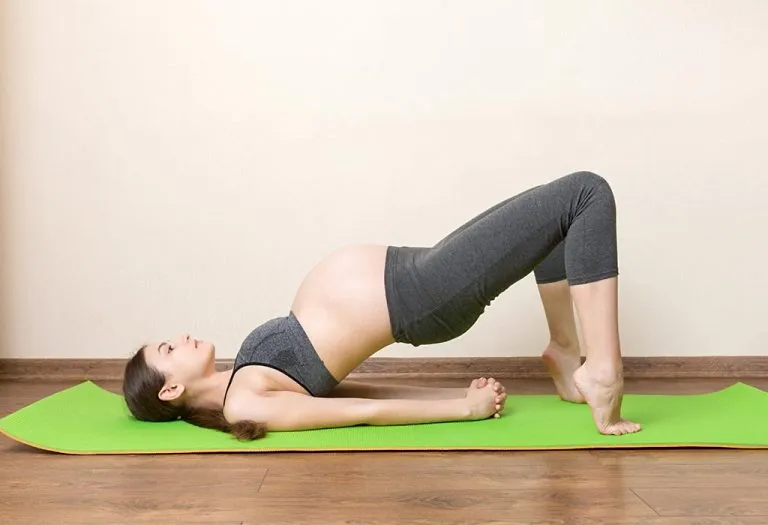
Mild exercises during pregnancy are usually advised by most doctors. Physical activity releases endorphins, which can make you feel relaxed and happy during pregnancy. If you want to start exercising during pregnancy, check with your doctor to find out which physical exercises you should start with.
3. Spend Some Time With Your Partner
Talking about how and what exactly you feel is all the therapy you need. You must be vocal about your emotions, and discussing them with your partner always helps. After all, it is a team effort!

4. Have Nutritious Meals
You must be very careful about what you eat during pregnancy, as it can also impact your mood. It is observed that high-calorie foods are usually high in the glycemic index, which affects the sugar levels in the body. As a result of this, you may experience sudden mood swings. Therefore, having a balanced, nutritious diet is highly recommended.
5. Indulge in Fun Activities Like Watching a Movie With Your Friends
Some fun time with your friends and family can relax you as nothing else would. So invite your friends over and watch a nice movie with them. A change in your routine can do good to your health. You can also call up your friend and talk to them, and you will feel much more relaxed.
6. Get a Massage
Nothing like a spa treatment. Your body is undergoing physical stress, and to help relieve some of it, a massage can always help.
7. Take a Walk
Some ‘me’ time is essential during pregnancy and after childbirth. Taking a walk can help you calm down and gather your thoughts. Take a walk in your garden to get a breath of fresh air. If you don’t want to go alone, you can always ask your partner to join you.
When to Seek Professional Help
Most of the time, you will be able to handle mood swings on your own. But if your mood swings seem to get out of control, you should see your doctor. This is especially true if you’re dealing with anxiety, health problems or any other issues. Also, if depression sets in, it’s very important to let your doctor know right away. Your well-being is critical because it affects the health of your child.
Depression can be very harmful if untreated or not talked about and can increase your risk of preterm labour and postpartum depression – a mood disorder after childbirth. Although every new mother is at risk of depression, look for predictors to identify them. These include anxiety during pregnancy, stressful life events, traumatic childbirth experience, lack of support, and so on. Consider talking to your doctor when your mood swings seem difficult to manage or if the remedies you’ve tried don’t seem to work.
FAQs
1. Are mood swings normal during pregnancy?
Yes. Mood swings are quite normal and common during pregnancy, especially in the early months of pregnancy (6). Hormonal changes, physical changes, tiredness, and the emotional adjustment to pregnancy can all contribute to changes in mood.
2. Why am I suddenly crying or getting irritated while pregnant?
Pregnancy can bring noticeable changes in mood, including increased irritability or tearfulness. Research has found that the patterns of mood can change throughout pregnancy, with negative mood and irritability becoming more noticeable in the first trimester (7).
3. How can I manage mood swings during pregnancy?
You can manage your mood swings by prioritising regular sleep, gentle physical activity, balanced meals, and support and understanding from your loved ones. If mood changes feel overwhelming or interfere with everyday life, talk with your doctor or midwife rather than trying to cope alone.
4. When should I seek help for mood changes during pregnancy?
Seek professional help if sadness, anxiety, irritability or loss of interest persists, becomes difficult to manage or interferes with daily activities. Mental health conditions can occur during pregnancy and can be treated with appropriate professional support.
Mood swings are common during pregnancy, but don’t let them keep you from enjoying your pregnancy phase. There are different ways to manage pregnancy mood swings; you might have to test a few options to see which one works for you. Stay happy and have a healthy pregnancy!
Also Read:
Stress while Pregnant
Anger during Pregnancy
Depression in Pregnancy
Causes of Crying during Pregnancy
Was This Article Helpful?
Parenting is a huge responsibility, for you as a caregiver, but also for us as a parenting content platform. We understand that and take our responsibility of creating credible content seriously. FirstCry Parenting articles are written and published only after extensive research using factually sound references to deliver quality content that is accurate, validated by experts, and completely reliable. To understand how we go about creating content that is credible, read our editorial policy here.
1. American Pregnancy Association – Mood Swings During Pregnancy
2. Johns Hopkins Medicine – 10 Early Signs of Pregnancy
3. BetterHealth Channel – Pregnancy stages and changes
4. The Mother Baby Center – Understanding and navigating pregnancy emotions
5. Tommy’s – Emotional changes in pregnancy
6. The American College of Obstetricians & Gynecologists – A Partner’s Guide to Pregnancy
- Author
- Expert Reviewer