
Lice During Pregnancy: Safe Treatment & Prevention
Learn how to treat lice during pregnancy, including safe treatment options, precautions and ways to prevent reinfestation.




Key Takeaways
- Lice during pregnancy are usually manageable, but treatment should be chosen carefully.
- Wet combing and nit removal can help treat lice without medication.
- Avoid self-medicating; consult your doctor before using lice treatments during pregnancy.
- Do not share combs, towels, hats, or hair accessories to reduce the risk of reinfestation.
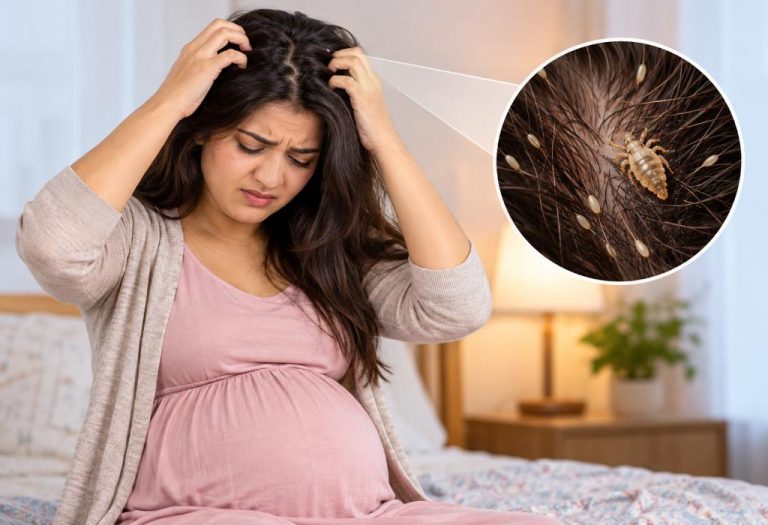
Lice while pregnant can usually be managed safely, but choosing the right treatment is important because some lice medicines may not be suitable during pregnancy. If you notice itching, crawling sensations, or tiny eggs attached to your hair, it’s understandable to feel concerned about treating the problem while protecting your baby.
With the right method, you can tackle the infestation without unnecessary worry. This article covers lice treatment during pregnancy, including safer ways to remove lice, treatments to discuss with your healthcare provider, what to avoid, and simple prevention tips to help keep lice from coming back.
What Are Head Lice?

Head lice refer to small insects that live on the scalp and thrive by feeding on the blood they retrieve by biting the scalp (1). In most cases, lice do not carry any diseases or germs; they simply cause irritation and itching by biting the scalp. The only cause of concern is that adult female lice attach themselves to the root of the hair and lay eggs there within 7 to 10 days of being born. Therefore, they multiply in no time and cause further discomfort.
It is extremely easy to contract a lice infestation, as it spreads via the slightest head-to-head contact in most cases. If lice infest a person, it is essential to ensure that she has no common combs, towels, hats, etc., to prevent the infestation from spreading. At the same time, the affected person may consider taking lice treatment. But, for pregnant women, this might not be an option. Read on to know more.
Why Lice in Hair Occur During Pregnancy?
Pregnancy itself does not cause head lice, but certain changes in daily routines and close contact with others can make an infestation more likely. Here are some common reasons lice may appear during pregnancy (2):
1. Close Contact With Someone Who Has Lice
Head lice spread mainly through direct hair-to-hair contact with an infested person. Spending time in close physical contact can increase the chance of transmission.
2. Sharing Personal Items
Using someone else’s combs, brushes, hair accessories, scarves, hats, or bedding may increase the risk of coming into contact with lice or their eggs.
3. Frequent Contact With Children
Pregnant women who regularly care for or spend time with children may have more opportunities for close head-to-head contact, which is a common way lice spread.
4. Previous Lice Exposure
If you or someone in your household has recently had head lice, there may be a higher chance of reinfestation, especially if bedding, combs, or other potentially affected items were not properly cleaned.
Is It Safe to Use Lice Treatment During Pregnancy?
After a woman is found to be pregnant, doctors advise her to check before consuming any medication. This is because the medicines have to be vetted and checked to find out if they harm the child. However, in the case of lice, women simply rush to the nearest medical store and ask for a lice treatment shampoo, often forgetting that the shampoo might contain harsh chemicals, which can adversely affect the health of the pregnant woman and the unborn child.
Let’s examine both options for treating head lice. The information below will help you decide to ensure your and your baby’s health is not compromised.
Head Lice Treatment During Pregnancy
Although we have provided information on medical treatment for lice below, it is not recommended as the chemicals could be harmful during pregnancy. However, try the natural means that suit you the most.
1. Medical Treatment
- Consider treatment only when needed: During pregnancy, it is best to start with non-chemical methods, such as careful wet combing. If these methods do not clear the infestation, speak with your doctor about whether a medicated lice treatment is appropriate.
- Ask about pregnancy-safe options: Some lice treatments may be suitable during pregnancy, but their safety can vary depending on the active ingredient and product formulation. A 4% dimethicone lotion is one option that may be recommended for pregnant or breastfeeding women. Always consult your healthcare provider before using it and check the product label for pregnancy warnings (3).
- Follow the treatment instructions carefully: Some treatments may need to be repeated to target lice that hatch from eggs remaining after the first application. Follow the product instructions or your healthcare provider’s advice rather than applying the treatment more frequently than recommended.
- Avoid self-medication: If lice continue after treatment, do not switch to another product or repeat applications without medical advice. Your doctor can recommend an appropriate next step and help you avoid unnecessary exposure to ingredients that may not be suitable during pregnancy.
2. Natural Ways to Treat Head Lice
These natural pregnancy safe lice treatments can treat head lice.
- Tea tree oil in its pure form can get rid of lice without causing any harm to your fetus. You must mix a few drops of the oil in baby shampoo and apply it on your scalp while bathing. Depending on the extent of the infestation, massage it into the scalp. Let it stay for around half an hour, after which you can rinse your hair thoroughly. You can repeat this method as many times as needed.
- Nitpicking is another excellent way to help you get rid of lice. First, divide the scalp into eight manageable areas, then comb each one thoroughly with a lice comb to eliminate as many lice as possible. Then, you can use your fingers for a more thorough search. Repeat this after a week to remove the lice from the hatched eggs.
- Lavender, neem, eucalyptus, and clove oil are also great for combat lice infestation (4).
- Wet combing can also help get rid of lice. After a thorough head wash, comb your hair (you may use a conditioner to smoothen the hair). Then, use a lice comb to remove as many head lice as possible (3). You can also part your hair in several sections and use your fingers to search through and clean the infestation.
When to Consult a Doctor?
If you have tried natural remedies and nothing has worked, you might have to consult the doctor to eliminate the lice infestation. Do mention that you are pregnant so that you get only the medication that is safe for you and the child growing inside your belly.
Tips for Preventing Lice During Pregnancy
Managing head lice while pregnant requires careful consideration due to the potential risks associated with certain treatments. Head lice cannot survive over a day on other surfaces. It needs the scalp to breed on. Nonetheless, after getting rid of the infestation, you may want to try these tips to prevent lice during pregnancy.
- After you are done nitpicking, always clean the comb, tissues, towels, and surroundings. Changing and washing the clothes you were wearing while removing head lice is also a good idea (5).
- After removing the lice in your head, you can kill any remaining lice in the mattresses, pillowcases, and clothes using heat. Just let them bake in the sun for a few hours to kill all remaining lice.
- If the items are big, you can use chemical sprays, which help get rid of the lice on the sofas and couches. Make sure that you get somebody’s help and do not breathe in the pesticides yourself.
- If you observe someone around you scratching their head, take preventive measures as soon as possible to stop the infection from spreading.
FAQs
1. Can head lice during pregnancy harm the unborn baby?
Head lice themselves do not pose a direct risk to the unborn baby. However, scratching the scalp excessively due to itching can potentially lead to skin infections, which may indirectly affect pregnancy. Therefore, it’s essential to manage head lice promptly and effectively.
2. Can head lice infestations during pregnancy affect the mother’s mental health?
Coping with a head lice infestation during pregnancy can be stressful and emotionally challenging for some women. The persistent itching, discomfort, and concerns about treatment safety may contribute to feelings of anxiety or frustration.
3. How can I prevent lice from coming back during pregnancy?
Avoid head-to-head contact with anyone who has lice and do not share combs, brushes, hats, scarves, towels, or hair accessories. Check close household contacts if an infestation occurs and follow appropriate cleaning and treatment advice.
4. How long does it take to get rid of lice during pregnancy?
The time can vary depending on the treatment method and whether eggs remain in the hair. Because some treatments require a repeat application or repeated combing, following the recommended schedule is important for completely clearing the infestation.
Head lice in pregnancy can be uncomfortable and distressing, but it’s crucial to approach treatment cautiously, prioritising the safety of both the mother and the baby. Lice are more of an irritation than a disease and can worsen the mood of an expectant mother. Treating lice is not difficult, but prevention is the best way. However, you must consult a doctor if you cannot treat the infestation yourself.
Also Read:
Greasy Hair in Pregnancy
Hairfall during Pregnancy
Dandruff while Pregnant
Effective Tips for Hair Care when Pregnant
Was This Article Helpful?
Parenting is a huge responsibility, for you as a caregiver, but also for us as a parenting content platform. We understand that and take our responsibility of creating credible content seriously. FirstCry Parenting articles are written and published only after extensive research using factually sound references to deliver quality content that is accurate, validated by experts, and completely reliable. To understand how we go about creating content that is credible, read our editorial policy here.
- Author

Related Articles
-
Human Papillomavirus Infection (HPV) During Pregnancy - Signs, Risks & Treatment
-

5 Shampoos to Avoid During and After Pregnancy
-

Second Hand Smoking in Pregnancy - Risks & Tips to Stay Safe
-

Seat Belt in Pregnancy: How to Wear It Safely
-

Pregnancy Third Trimester Exercises
-

25 Baby Shower Poems to Celebrate Your Little One's Arrival