

Lactose Intolerance in Pregnancy: Causes, Symptoms & Treatment





Medically Reviewed By
Megha Mukhija
(Paediatric Nutritionist)


This content has been reviewed by a qualified expert and follows the FirstCry Parenting editorial policy to ensure accuracy and reliability.
Key Takeaways:
- Lactose intolerance in general refers to a gut issue in which the body doesn’t have enough lactase enzyme to break down the lactose present in milk.
- Lactose intolerance and lactose allergy/cow milk allergy are different.
- The condition manifests in the form of gas, bloating, abdominal discomfort, or diarrhoea after eating or drinking foods containing lactose.
- Individuals eliminate lactose products from their diet to avoid lactose intolerance.
- There are several food products that can be eaten in place of milk and other lactose products to compensate for the nutrients lost.
Lactose intolerance in pregnancy can be a troublesome situation for pregnant women as the mother’s body demands a continuous supply of calcium to support the bone development of the fetus. Milk is the most common source of calcium, but if you are lactose intolerant, then you will be advised not to drink milk, as milk has lactose. The good news is that there are plenty of other sources of calcium, such as tofu, broccoli, chickpeas, almonds, and fortified drinks. Some women find their tolerance actually improves, especially in the later months, when calcium is sourced from lactose-free food items. Since maternal calcium intake is highly important, it is important not to ignore the condition and discuss treatment of lactose intolerance during pregnancy with your doctor.
What Is Lactose Intolerance?
Lactose is a kind of sugar that is mainly present in animal milk and other kinds of dairy products. When your body cannot produce enough lactase, an enzyme that is required to digest lactose, you become lactose intolerant and have gastrointestinal problems (1). Lactose intolerance may cause extreme discomfort, but it is not a serious condition (2).
However, it is important to remember that lactose intolerance and cow milk allergy are different. Cow milk allergy may occur when your immune system reacts to cow’s milk by showing an allergic reaction because of the protein in cow’s milk. While lactose intolerance manifests in the form of gastrointestinal issues, lactose allergy can appear in the form of hives, swelling, breathing issues, and more.
Apart from general intolerance, a common question arises in pregnant women’s minds – ‘Can you become lactose intolerant while pregnant?’ If you have also had this question once, we recommend continuing to read to get the answers.
Can Pregnancy Cause Lactose Intolerance?
If you are thinking, ‘Can pregnancy cause lactose intolerance?’ or “Have I become suddenly lactose intolerant during pregnancy?” – the answer is a NO. Pregnancy does not cause a new lactose intolerance. However, lactose intolerance and pregnancy have a complicated relationship. Pregnancy hormones may cause many changes in your body, and your digestive tract may get affected, too. Your immune system makes everything slow, and that may affect the way your food gets digested. This may sometimes make you think that you are lactose intolerant. However, that may not be the case. On the other hand, if you are already battling lactose intolerance, then pregnancy may mask your pre-existing sensitivities or trigger temporary digestive distress.
What Causes Lactose Intolerance in Pregnancy?
Here are some known causes of lactose intolerance in pregnancy:
- It may occur due to genetic reasons.
- It may occur if your small intestines get injured; this may hamper the production of lactase.
So as you can see, pregnancy does not directly cause lactose intolerance, but it changes your body in such a way that digesting milk becomes hard.
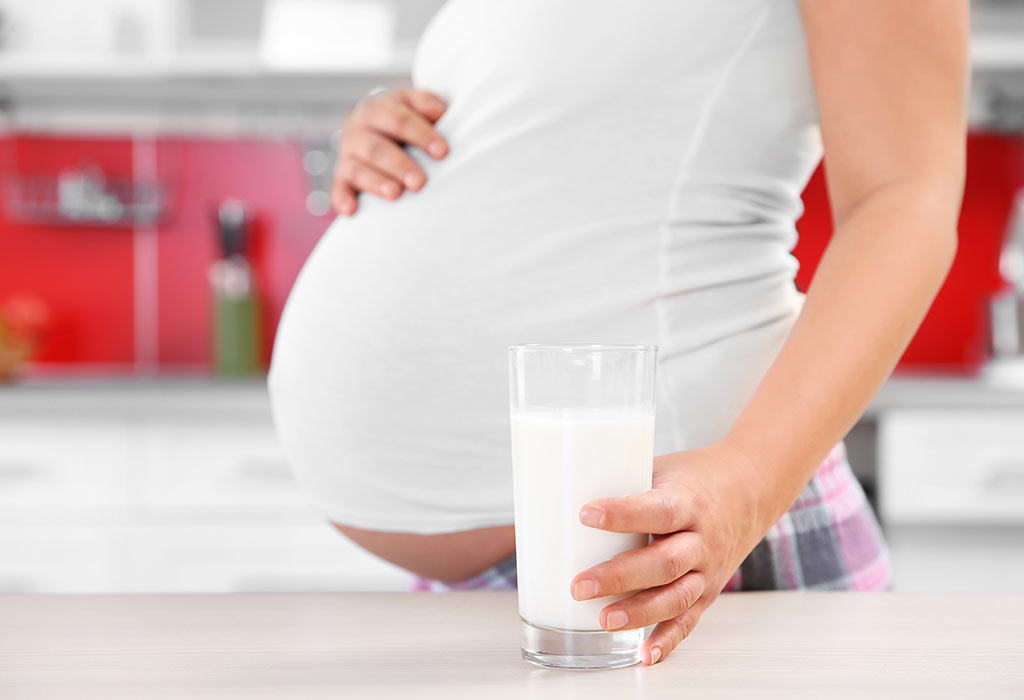
What Are the Symptoms of Lactose Intolerance While Pregnant?
You may notice these signs and symptoms of lactose intolerance during pregnancy as soon as you consume anything that contains lactose (3):
- Your tummy may ache.
- You may experience gas.
- You may experience nausea or vomiting.
- You may feel bloated.
- You may experience diarrhoea.
- You may experience cramping.
- You may have indigestion.
How Is Lactose Intolerance Diagnosed During Pregnancy?
As soon as you notice any of the above-mentioned symptoms, it is important that you seek immediate medical help. Your doctor will come to a conclusion based on your symptoms and may advise you to avoid dairy-based goods for a few days to see whether or not you are lactose intolerant.
In some cases, pregnancy symptoms may get confused with lactose intolerance because nausea, vomiting and cramping are common side effects of pregnancy too. Your doctor may conduct a blood test to make a correct diagnosis.
How Can You Get Enough Calcium During Pregnancy?
Milk is rich in calcium, and when you are lactose intolerant, you will have to look for other healthy alternatives to compensate for your body’s growing calcium needs in pregnancy. Here are some of the options that you may consider (4):
1. Consuming Whole Grains and Nuts
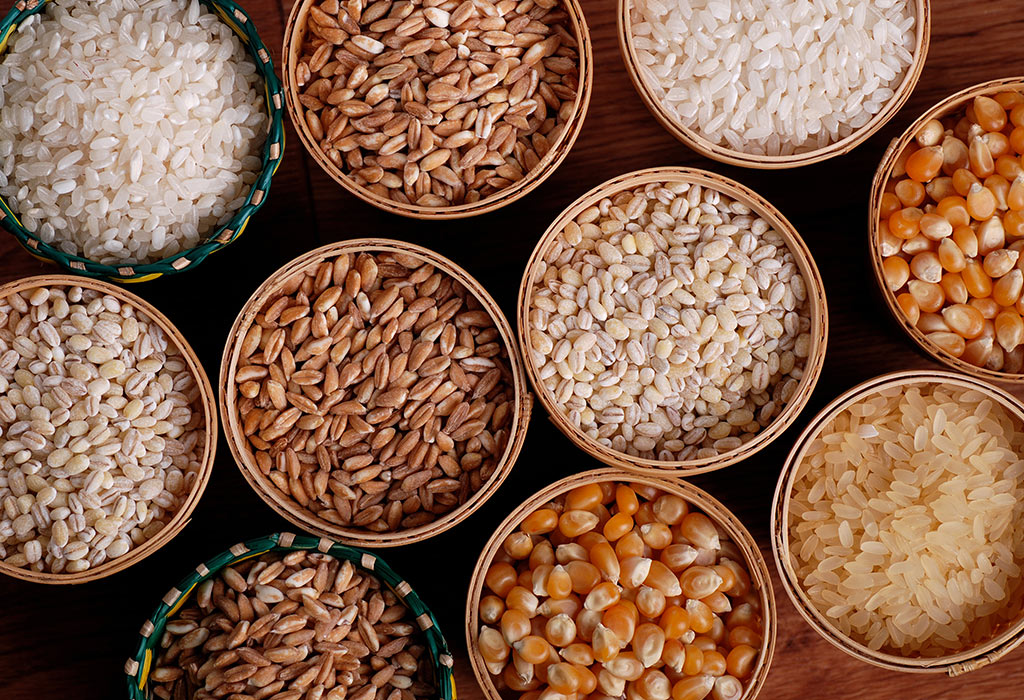
Various kinds of nuts, such as almonds, walnuts and pulses, contain a good amount of calcium in them. Consuming them on a regular basis takes care of your calcium requirements. Being rich in antioxidants, nuts are excellent for the development of your baby’s bones and collagen.
2. Eat Broccoli

Broccoli is not only rich in calcium, but you also get good amounts of iron and other minerals from it too.
3. Go Green

Green leafy vegetables have good amounts of calcium in them and, thus, including them in your daily diet will be a good idea. One such leafy vegetable is spinach, which is high in calcium, iron and other vitamins.
4. Tofu and Soy Milk

Soy milk is a good substitute for milk and provides ample calcium to your body. You may include soy milk and tofu in your diet too.
5. Almond Milk

If you are taking almond milk, choose one with fortified calcium. It is also rich in protein and omega-3 fatty acids.
You can include any of the above-mentioned options for a lactose-free milk pregnancy; however, it is important that, before you make any amends in your pregnancy diet, you consult your health practitioner.
How to Treat Lactose Intolerance During Pregnancy?
Lactose intolerance cannot be treated, but it can be managed. Here are some ways to help you manage lactose intolerance during pregnancy:
1. Diet
On average, you are required to consume 1000 mg of calcium in a day during pregnancy. You may add various food items that are rich in calcium, such as okra, beans, spinach, salmon, etc. Vitamin D helps the body absorb calcium. You may eat eggs or expose yourself to sunlight for some time to meet your body’s requirement of Vitamin D. Eating fortified foods, such as orange juice and bread, is very effective in boosting your Vitamin D intake (5).
2. Calcium-Rich Foods
You do not have to depend entirely on dairy products to meet your calcium needs during pregnancy. Foods such as kale, broccoli, tofu, almonds, calcium-fortified juices and plant-based drinks, and fish with edible bones, such as canned salmon or sardines, can contribute to your daily calcium intake (6). Including a variety of these foods can be particularly helpful if you are limiting dairy because of lactose intolerance.
3. Multivitamins
You can also take prenatal vitamins to compensate for your body’s requirement of calcium. Make sure these multivitamins have the required amount of calcium and Vitamin D, or you can take calcium and Vitamin D in addition to your multivitamins (7).
4. Probiotics
Some fermented foods may provide probiotics, including yoghurt if you can tolerate it and other fermented foods. However, probiotics should not be considered a treatment for lactose intolerance.
5. Dairy Alternatives
Lactose-free milk or calcium- and vitamin D-fortified plant-based drinks such as soy, almond, or oat milk are great alternatives. These alternatives can help you maintain adequate nutrient intake while limiting lactose (8).
6. Small Portions
Lactose intolerance does not mean that you will have to completely avoid dairy from your diet. Many people can tolerate a certain amount of lactose without developing significant symptoms. If your symptoms are mild, you can have smaller portions of dairy and have them with meals instead of consuming a large amount at once. Lactose-free products, hard cheeses, and yogurt are easier to digest in people with lactose intolerance (9).
Can Lactose Intolerance Affect Your Baby?
Lactose intolerance does not affect your baby because your baby will meet its calcium requirement by drawing the calcium from your teeth and bones. This means that even if you do not consume enough calcium during pregnancy, your baby will still take it from you. But this puts the mother at the risk of having devastating long-term problems. Therefore, it is important that you meet your body’s calcium requirements by making some dietary amends and taking calcium supplements.
Can Lactose Intolerance During Pregnancy Be Prevented?
Lactose intolerance cannot be prevented, but in order to avoid sudden lactose intolerance during pregnancy, you may adopt the following measures:
- You should maintain a food diary and make entries of the foods that you consume. In this way, you will be able to establish your triggers.
- You will need to eliminate lactose products from your diet. This works best in keeping you away from lactose intolerance.
- Always check the food labels to check for the ingredients and avoid the ones that have lactose in them.
- Whenever you are eating out, you may ask to avoid any dairy products in your dish.
- Over-the-counter medicines for gas or acidity pills may contain lactose. Therefore, when buying such OTC medications, remember to check their labels to see if they contain lactose.
- If you are unsure about non-lactose OTCs, consult a doctor to prescribe medicines for you.
FAQs
1. Can lactose intolerance affect my baby’s health?
Lactose intolerance itself does not directly harm the baby. However, avoiding dairy without compensating for its nutrients can reduce calcium and vitamin D levels in the maternal body, ultimately impacting the baby’s bone and teeth development.
2. How can I know if I am lactose intolerant while pregnant?
Common signs to check for lactose intolerance during pregnancy are bloating, gas, abdominal discomfort, or diarrhoea after eating or drinking foods containing lactose. If these symptoms occur repeatedly after consuming dairy, contact your doctor.
3. Are prenatal vitamins helpful for lactose-intolerant mothers?
Yes. Prenatal supplements can help fill nutritional gaps, but they should not automatically be considered a replacement for dietary calcium. Lactose-free milk, fortified plant-based drinks, and other calcium-rich foods can also help meet your daily requirements.
4. Can lactose intolerance symptoms worsen during pregnancy?
Several gastrointestinal and digestive discomforts arise during pregnancy. Nonetheless, pregnancy does not necessarily make lactose intolerance itself worse.
5. Should I avoid all dairy products if I am lactose intolerant?
Not necessarily. Many people with lactose intolerance can handle some lactose without symptoms, particularly when consumed in small amounts. Yoghurt and hard cheeses may also be easier to tolerate than milk. You can also choose lactose-free dairy products or fortified non-dairy alternatives.
If you feel that you have lactose intolerance in the third trimester or the early trimester, it is suggested that you get in touch with your doctor. Your doctor may conduct various tests to detect lactose intolerance. It is also suggested that you should not make any changes in your diet without consulting your doctor.
Also Read:
Stomach Pain during Pregnancy
Gluten Intolerance in Pregnancy
Eating Spicy Food while Pregnant
Was This Article Helpful?
Parenting is a huge responsibility, for you as a caregiver, but also for us as a parenting content platform. We understand that and take our responsibility of creating credible content seriously. FirstCry Parenting articles are written and published only after extensive research using factually sound references to deliver quality content that is accurate, validated by experts, and completely reliable. To understand how we go about creating content that is credible, read our editorial policy here.
1. Mayo Clinic – Lactose intolerance
3. National Institute of Diabetes and Digestive and Kidney Diseases – Lactose Intolerance
4. Augusta Health – Pregnancy and lactose intolerance: How do you get enough calcium?
5. American Pregnancy Association – Treating Lactose Intolerance During Pregnancy
6. National Institutes of Health – Calcium
7. National Institutes of Health – Dietary Supplements and Life Stages: Pregnancy
- Author
- Expert Reviewer


Related Articles
-

Sex During First Trimester: Is It Safe, What to Expect & When to Avoid It
-
4 Essential Pregnancy Scans to Have When Expecting Twins
-

Pregnancy Face: Causes, Symptoms & How to Deal with It?
-

Bitter Gourd (Karela) in Pregnancy - Safety, Benefits, and Precautions
-
Human Papillomavirus Infection (HPV) During Pregnancy - Signs, Risks & Treatment
-

10 Amazing Facts About Baby Kicking during Pregnancy