Wearing Bra During Breastfeeding – Is It Safe for Moms?
Understand safety, comfort, and how the right bra can support your breastfeeding journey without issues





Medically Reviewed By
Shyamala Sathiaseelan
(Lactation Educator and Counselor)

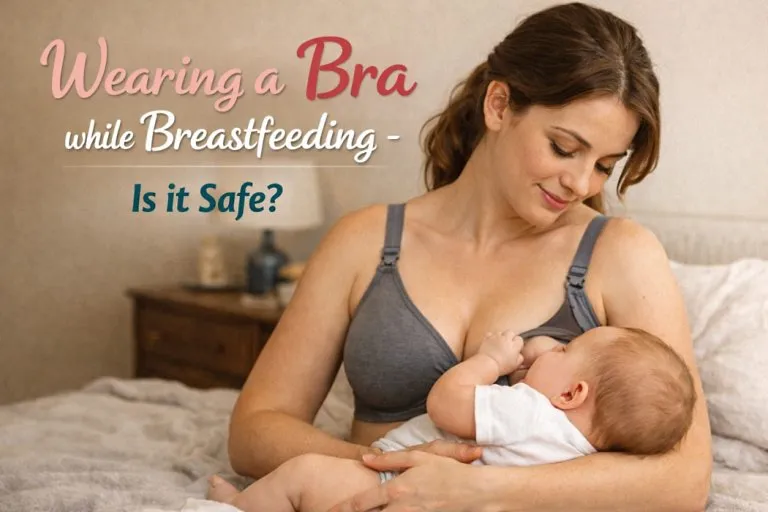
Image Credit : AI Generated Image
This health content has been medically reviewed by qualified experts and follows the FirstCry Parenting editorial policy to ensure accuracy and reliability.
Sensitive, heavy, and enlarged breasts are inevitable during breastfeeding. From the change in breast size to cracked nipples, breastfeeding women endure a lot of physical changes, which also come with discomfort. Wearing a bra during breastfeeding is often frowned upon because the straps might be too tight or the cups might be too small. To ensure the breasts are supported well, lactating women need support from bras that are designed specially for their heavy breasts—maternity bras.
Nursing bras make breastfeeding convenient. But “Is it necessary to wear a bra during breastfeeding?” is the question today. Whether ot not to wear a bra during breastfeeding is an individual choice. So, if you are wondering whether wearing a bra after delivery is safe or not, this article is for you. Here, we shall discuss everything you need to know about wearing a bra, especially a nursing bra, during breastfeeding and address some relevant concerns/questions you may have had on this topic.
Is it Safe to Wear an Underwire Bra While Breastfeeding?
There is no denying that underwire bras provide optimum support to your breasts, but is it a good choice during breastfeeding? No, wearing an underwire bra during breastfeeding is not preferred. Here are some reasons that will help you make an informed decision regarding wearing an underwire bra while breastfeeding (1):
- Your breasts may feel tender when you are breastfeeding, and you may feel extreme discomfort after wearing an underwire bra.
- The wire from the underwire of your bra can dig into your skin and cause unnecessary pressure on the tissue of your breasts (2).
- You may even feel pain and discomfort when your breasts lactate often.
- Wearing an underwire bra may also lead to blocked milk ducts, mastitis, and various other problems while breastfeeding (3).
Underwire bras are a good option, but not during breastfeeding. You should opt for good maternity or nursing bras or a bra with soft cups that are not only comfortable but also provide the necessary support to your breasts.
Should You Wear a Regular Bra During Breastfeeding?
Pregnancy and childbirth cause a lot of changes in your body, including your breasts. The breasts start producing milk post childbirth, which causes them to get heavy and sag with heaviness. Therefore, your normal bras may not be suitable to provide the much-needed comfort and support to your changing breasts. Hence, you should opt for a good nursing bra that provides optimum comfort to your changing breast size.

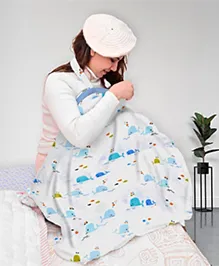
That said, it is a mother’s choice to wear a regular bra, a nursing bra, or no bra at all. It is not that a regular bra can’t be worn while breastfeeding; it’s just not usually recommended for the mother’s health and comfort.
A good bra should support your breast tissue as it stretches with increased size and weight. Moreover, good bra support ensures they don’t sag later. A nursing bra or maternity bra is designed with access flaps or panels for quick, easy nursing sessions without having to remove the entire bra (1).
A poorly fitted bra, or one that isn’t the right size, can cause back pain, poor posture, and neck pain. Thus, wearing a comfortable bra that supports your breasts is important.
When Should You Start Using a Nursing Bra?
As soon as you get pregnant, your body starts preparing for the upcoming labour and childbirth. Your body changes, and your breasts may become fuller, bigger, and heavier. The changes in the breast size are more evident as you enter your second trimester or, in some cases, even earlier than that. Here are some tips on using nursing bras:
- It is a good idea to start wearing maternity bras in your second trimester or when your current bra becomes uncomfortable or tight.
- Maternity or nursing bras are excellent for your changing breasts.
- Don’t worry about providing support to your breasts while breastfeeding, as nursing bras are not only comfortable but also provide good support to your breasts.
- You can procure 3 to 4 bras in darker and lighter shades to go with all your outfits
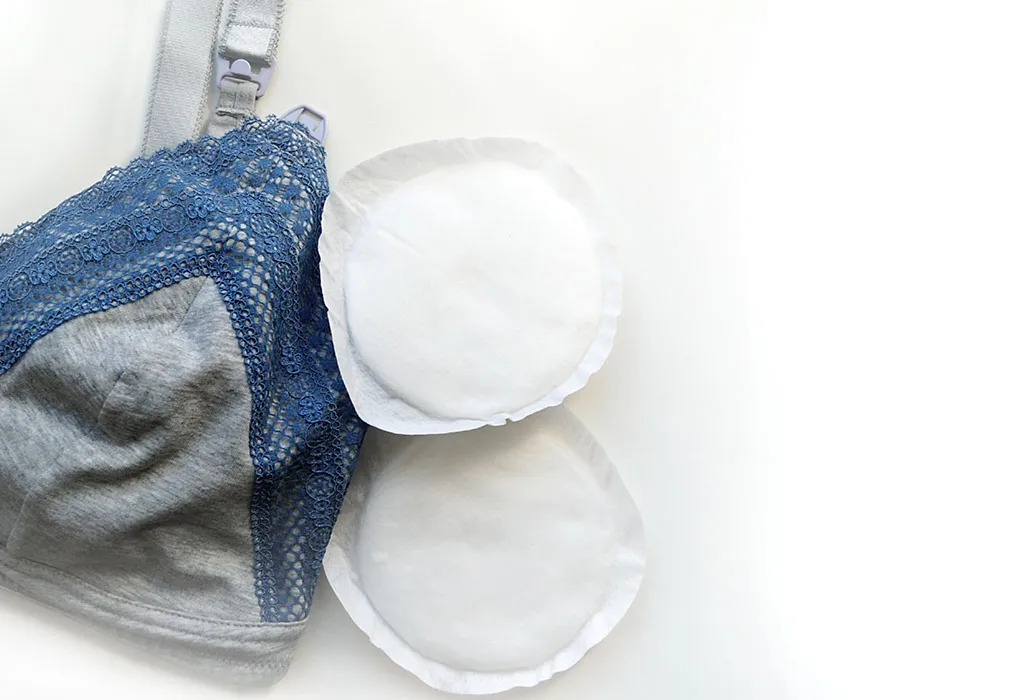
How Is a Nursing Bra Different From a Regular Bra?
If you’re wondering what the difference between a nursing bra and a regular bra is, this section should help you figure that out.
A regular bra can be worn on any day and by anyone, which comes in various designs and styles: cups, no cups, underwire, without wire, padded, without pads, push-ups, t-shirt bras, and more.
A nursing bra is targeted for breastfeeding women who are in the phase of nursing their babies. Compared to regular bras, nursing bras provide easy access to one or both breasts for feeding the baby. Nursing bras also come with various features, such as drop-down cups that can be released with zips or clips on the straps, or soft cups that can be pulled down easily and tucked under the breast (2). There are also regular bras that can be turned into nursing bras with drop-down cups, and many nursing bras that can be turned back into regular bras (4).
Soft cotton bras are the best for maternity as well as nursing bras. Nursing bras come in various types; you can have bras with just one cup, and the clasp opens. The detachable outer cup is secured with hooks and eye clips. These bras do not have an underwire.
So, now you know how a nursing bra is different from a normal bra, but did you know that it is different from the maternity bra as well? Let’s check out how.
How Is a Nursing Bra Different From a Maternity Bra?
Maternity bras are designed to accommodate growing breasts during pregnancy. They come with wider straps for extra support, a soft cotton lining for comfortable wear, and extra hooks and eyes on the band for easy stretch. Nursing bras are similar in design, except they come with a clasp or panel that allows quick access to the nipples for breastfeeding. Maternity bras do not have these panels.
Is It Alright to Sleep With a Nursing Bra on While Breastfeeding?
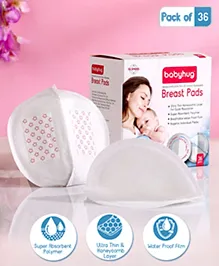
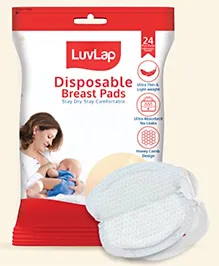
Wearing a bra or not during sleep may not affect breastfeeding in any way. But then why do many women wear one while sleeping? It’s the leaking of breasts for many lactating women. In the initial weeks of breastfeeding, the supply stabilises, which can cause frequent leaking, even at night. Breast pads are useful in such instances, and to keep breast pads in place, many women wear a bra at night (5).
One important thing nursing mothers should do is to make sure the bra is either large enough or has enough stretch to accommodate any expansion if their breasts become fuller during the night. A bra that is excessively tight can lead to discomfort and issues like blocked ducts.
If you prefer not to wear a bra but are concerned about breast leakage while you sleep, a great alternative is to use a maternity tank top that features a built-in shelf bra to secure your nursing pads.
What Kind of Nursing Bra Should a Breastfeeding Mother Wear?
If you are finding it difficult to decide the kind of bra you should wear while nursing, here are some ways to choose a good one:
1. Invest in a Good-quality Bra
Buy a good-quality nursing bra, not the cheap imitations available on the market. You should pick a bra that is durable and will last you a long time, even if you have to pay a few extra bucks.
2. Buy Different Varieties of Nursing Bras
We often get stuck on one particular style and may keep buying the same product over and over again. But, for nursing bras, the same may not be applicable, as your body keeps changing till after you stop breastfeeding. There are several nursing bras available in the market to choose from. Some even claim to be convenient for daytime or nighttime use. You must consider your requirements and purchase accordingly. Buying a couple of bras just before labour and then remeasuring and buying accordingly whenever the current size feels uncomfortable.
6. Practicality
When experimenting with various styles, examine the bra cup by lifting and lowering it. Many bras are designed to open for nursing, and some offer more convenience than others. Seek out bras that allow the entire cup to fold down, rather than those with a stiff ‘trapdoor’ design that may exert pressure on a full breast during feeding. You can find bras with clasps positioned at the centre front or on the shoulder (6).
Look for a bra that has adequate space for breast pads if you choose to use them. Also, verify that the bra cups are sufficiently large to accommodate your breasts at their fullest before feeding (4).
3. Buy a Well-Fitting Bra
During breastfeeding, your breasts may keep changing size, but you must refrain from buying an ill-fitting bra. Nursing mothers often make the mistake of buying larger sizes, thinking they will be more comfortable. But, it is very important that you buy a bra that gives good support to your breasts, even while breastfeeding.
Also, make sure the bra is soft and flexible so when you pull down or lift the cup to breastfeed the baby, the bra does not put any pressure on the breast tissues (4).
4. Avoid Underwire Bras and Go for Soft Cotton
Avoid buying an underwire bra, as they are not only uncomfortable, but they may also put pressure on your breasts. You must also double-check when wearing a sports bra while breastfeeding. Sports bras are designed to provide additional support and thus restrict excessive breast movement. They are thus extremely uncomfortable to wear while nursing. However, if you feel comfortable in it, you can wear one. You can find a nursing sports bra or a regular sports bra that isn’t too tight (7).
5. Buy a Considerable Number of Nursing Bras
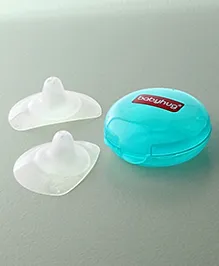
All nursing mothers experience breastmilk leakage, which causes damp and wet bras that you have to change often. It is good to have two to three nursing bras so you can rotate them for wearing and washing. You should change your bra if it is damp, dirty, or wet. Moisture on your breasts for an extended amount of time can cause skin infections, skin irritation, sore nipples, thrush, or mastitis. You may try good-quality, reusable nursing pads or breast shells to keep your bras clean and dry (1).
FAQs
1. Does wearing a bra decrease breast milk?
A poorly fitting bra or one with tight underwires can create additional pressure and cause duct blockage. However, there is no scientific proof that wearing a bra affects milk production from the milk lobules.
2. Can sleeping in a nursing bra prevent breast sagging?
Wearing a supportive bra may help prevent sagging in larger and fuller breasts. The bra offers support, helping to keep breasts in their shape and position. Cooper’s ligaments, which are responsible for maintaining the structural integrity of breast tissue, can undergo increased strain during pregnancy (8). A bra may provide external support, helping to reduce the likelihood of sagging.
3. Is it okay to sleep without a bra while breastfeeding?
Sleeping with or without a bra during breastfeeding is entirely a personal choice. You can sleep without a bra while breastfeeding if that feels comfortable to you.
4. Which fibre is best for nursing bras?
Some mothers may experience sensitivity to synthetic materials during pregnancy or breastfeeding, resulting in skin irritation or excess sweating. Wearing bras made from cotton or a cotton-polyester mix is better. The fabric of the nursing bra should be breathable, facilitating air circulation and quickly releasing moisture.
If ordinary bras are all you can get, that is fine too. IT doesn’t affect breastfeeding in any way as long as the mother wears the right size for her. Use the tips given above to choose nursing bras that suit your requirements, provide support and are extremely comfortable.
Also Read:
Breastfeeding With Small Breasts
Breastfeeding With Flat or Inverted Nipples
Hyperlactation (Breastfeeding Oversupply)
Tips for Breastfeeding with Large Breasts
Was This Article Helpful?
Parenting is a huge responsibility, for you as a caregiver, but also for us as a parenting content platform. We understand that and take our responsibility of creating credible content seriously. FirstCry Parenting articles are written and published only after extensive research using factually sound references to deliver quality content that is accurate, validated by experts, and completely reliable. To understand how we go about creating content that is credible, read our editorial policy here.
1. American Pregnancy Association – Care for Your Nursing Breasts
2. NCT – Maternity bras and nursing bras: what you need to know
4. Breastfeeding.support – Nursing Bras FAQ
5. La Leche League International – Bras
6. Australian Breastfeeding Association – Choosing a maternity bra
8. Oxford Academic – The Effect of Breastfeeding on Breast Aesthetics
- Author
- Expert Reviewer









.svg)