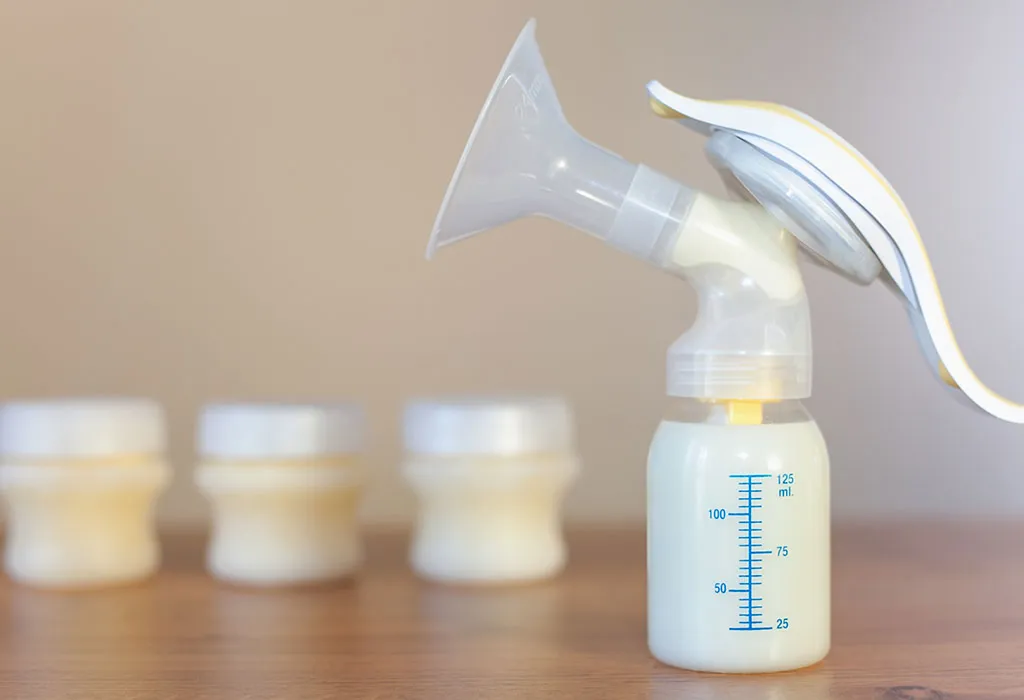

Side Effects of Breast Pump on Mother and Baby
Understand the effects of breast pump use on both mother and baby, including risks, concerns, and tips for a safe pumping experience.





Medically Reviewed By
Dr. Sabiha Anjum
(Gynecologist/Obstetrician)

This health content has been medically reviewed by qualified experts and follows the FirstCry Parenting editorial policy to ensure accuracy and reliability.
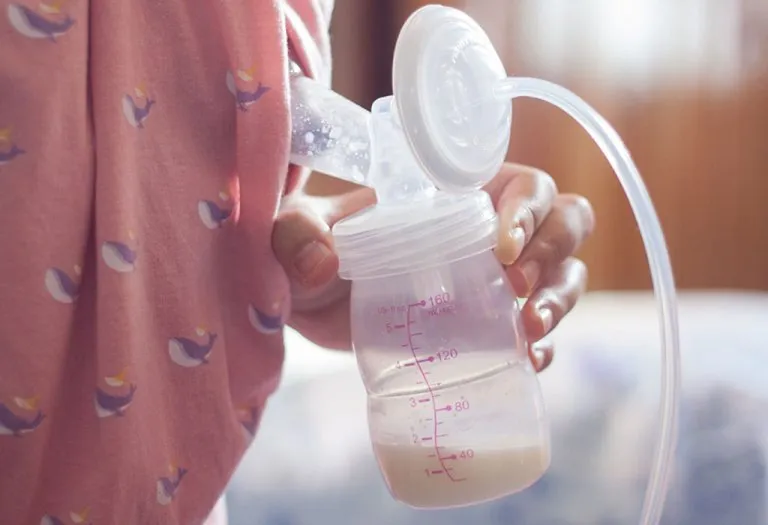
Once your baby is home, the next challenge you will face is taking care of the little munchkin. Breast pumps have made life easier for mothers around the world. The convenience of pumping out breast milk and storing it for later use has allowed new mothers to return to work earlier, while still being able to provide their babies with breast milk. However, using breast pumps has some side effects that not many mothers are aware of. Although the disadvantages of pumping breast milk are not grave as such, they are worth knowing. This article goes in-depth about breast pumps, the benefits of using a breast pump, and the side effects of using a breast pump. In this article, we will cover both manual and electric breast pump disadvantages.
Benefits of a Breast Pump
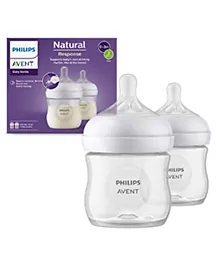
Breast pumps have a number of benefits for mothers and babies. They are also a great option for mothers who cannot breastfeed, for various reasons, to still give their little one breastmilk and avoid switching to formula. Here are some benefits of breast pumps.
1. Control Feed Timings
Mothers or caregivers can make a schedule to feed the baby and have more control over the timing of feeds. This makes the pumping and feeding schedule more organised and frees up some of the mother’s time.
2. Relieves Working or Busy Moms
Working moms can pump milk before they leave, and the caregivers can bottle-feed the baby during the day. Breast pumps also give moms some free time to run errands, meet friends, or pamper themselves.
3. Helps Increase Breast Milk Supply
Pumping after breastfeeding can help increase milk supply. Alternatively, keeping a stash of milk ready helps mothers who deal with low milk supply to feed their child.



4. Works Around Medical Conditions
If you or the baby have any medical conditions that prevent breastfeeding, pumping milk and bottle feeding will greatly help.
Things You Should Know While Pumping Breast Milk
Pumping breast milk can be a tricky task if you aren’t sure of what you’re doing. Here are some things you need to know while pumping breast milk:
- Always thoroughly wash your hands before breastfeeding
- Relax and keep your mind calm
- Hold your baby close or think of them
- Prime the pump
- Slowly start the suction of the breast pump and then increase it slowly
Side Effects of Breast Pumps on the Mother
Although breast pumps allow mothers the convenience of feeding their babies breast milk even when they are not around, using breast pumps has certain side effects and disadvantages that new moms should know about. Here are some side effects of using breast pumps:
1. It Can Reduce Milk Supply
One of the side effects of pumping breast milk continuously is reduced milk supply. A breast pump’s mechanism is very different from a newborn latching on to your nipple and suckling. The latching of a baby is what stimulates more milk production in your body. If a baby is not allowed to latch on, the milk production reduces.
2. Breast Pumps Can Cause Nipple and Breast Tissue Damage
Breast pumps can damage the nipples and breast tissue. The wrong setting can cause excruciating pain while pumping (1). Manual pumps can cause pain in both the breasts and the mother’s hands, as pumping manually is laborious and tiring.
3. It Can Cause Painful Engorgement and Excessive Let-down
One of the electric breast pump side effects is that mothers pump too much so that they can have a big supply stored for later use. This causes the release of too many hormones in the body, which makes the breasts swell and fill with too much milk. This is called engorgement and can be very painful for the mother.

4. It Does Not Replace the Bonding Time that Direct Breastfeeding Provides
Direct breastfeeding causes a close bonding between the baby and the mother, which cannot be substituted by bottle feeding. Holding the baby in your arms and feeling her suckling from your breast causes an emotional bonding that bottle feeding does not. While pumping, mothers usually cannot hold babies, which hinders the bonding time, as reported by some mothers in this study (2).
5. It is a Repetitive Cycle of Washing and Sterilising Bottles
A disadvantage of using breast pumps is that all the parts of the pump, the feeding bottles, and nipples need to be thoroughly washed and sterilised before and after each use (3). Another problem is that mothers may not be able to find a private place to pump when they are outside their home. They may also not be able to find a place to store the pumped breast milk safely.
6. It Delays the Mother’s Recovery After Childbirth
When a mother directly breastfeeds her baby, the hormone oxytocin is released into her body. The oxytocin causes a contraction in the uterus, thus reducing post-partum bleeding. Breastfeeding also helps the uterus size to become normal much faster. Studies have shown that the uterus of a breastfeeding mother returns to normal size, six weeks post-delivery, whereas it takes ten weeks for the uterus to return to normal size in a mother who does not breastfeed.
Side Effects of Breast Pump on Baby
Let’s see what the side effects of using breast pumps for babies:
1. Freezing Breast Milk for a Longer Period Can Cause Nutrient Loss
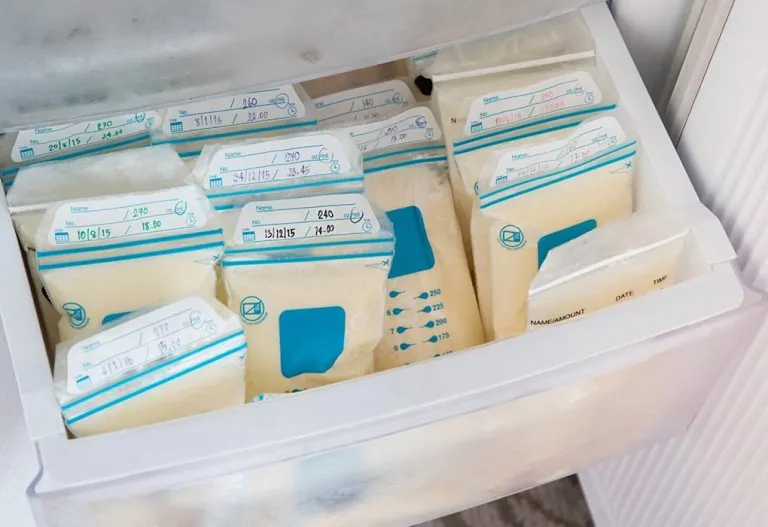
When the baby feeds directly from the mother, the baby gets all the nutrients needed for healthy growth. Freezing milk for a short time and consuming it within the time limit does not cause much nutrient loss (4). However, freezing breast milk for more than three months, thawing, and reheating causes depletion of vital nutrients, fat and energy content, in the breast milk (5).
2. Switching Between a Bottle and Breast Can Confuse Babies
If you constantly switch between the bottle and breastfeeding, it could confuse the baby. This is due to the difference in the suckling mechanism in both cases. The baby may suck harder on the mother’s nipples, as he does with the bottle. This could also lead to sore nipples in the mother (6). This could also happen because the baby may not latch on correctly while feeding directly, or because the baby has become used to feeding on a bottle with a rubber nipple.
3. Risk of Contamination
No matter how well you clean and sterilise everything, sometimes, hard-to-reach parts of the pump and valves can accumulate mould and bacteria. The bacteria and fungi find the nutrient-rich breast milk an ideal environment to grow and multiply. In short, improper storage of breast milk can contaminate it and make the baby fall ill.
4. Bottle-feeding Can Risk Baby’s Teeth Decaying
Bottle feeding can cause the baby’s teeth to decay in the long run. When a baby breastfeeds, milk does not reach the baby’s teeth, as the mother’s nipple rests behind the baby’s teeth. While bottle feeding, the baby often falls asleep with the bottle in the mouth, causing the milk to cover the teeth. This can cause tooth decay over the long term. If the decay has progressed, the tooth may have to be capped or removed by a dentist.
How to Avoid the Side Effects of Using a Breast Pump?
Here are a few tips that you can follow to avoid some of the side effects of using breast pumps:
1. Consult Your Doctor
Talk to your doctor before using a breast pump. Follow your doctor’s suggestions on breastfeeding. She can guide you on how best to maintain adequate levels of breast milk supply while using a breast pump.
2. Breastfeed Your Child
Breastfeed your child directly for at least the first six months. Directly feed the child as much as possible. Holding the baby close and feeding her directly increases the hormone oxytocin in your body. This hormone is responsible for the let-down effect that causes milk to be released from your body. The greater the oxytocin level is in the body, the stronger the let-down effect will be.
3. Replace Old Pumps
Breast pumps should be replaced every eight to ten months to make sure the baby gets uncontaminated, nutritious breast milk. Old breast pumps could develop mould in the valves or in unreachable bends that cannot be thoroughly cleaned. This can contaminate the breast milk and make the baby fall sick. Old pumps also may not work as effectively as new ones. The pumping mechanism may become inefficient over time, causing the production of less breast milk.
4. Use an Automatic Pump
Use an electric or automatic breast pump instead of a manual one. However, one of the most notable breast milk pump disadvantages is the depletion of the mother’s milk supply through continuous use of a manual pump. Due to this, your baby will not be able to get enough milk. A manual pump also tires your hands, as the milk has to be expressed by pumping mechanically with your hands.
FAQs
1. What is a breast pump, and how does it work?
A breast pump is a device that is designed to latch onto a woman’s breast who has just given birth and extract milk from it. Breast pumps can be manual or electric. It works by producing a suction force by mimicking the natural sucking of a baby. A breast pump is particularly useful for busy mothers, those with excess milk production, or who have babies with latching difficulty.
2. Is it safe to use a breast pump daily?
Yes, it is safe to use a breast pump every day.
3. Do breast pumps cause pain?
Breast pumps are not supposed to cause any pain. However, a slight discomfort is common due to too much suction, improper latching of the breast pump, or incorrect flange size.
4. What if you wait too long to pump milk?
If you wait too long to pump milk, your breast milk may cause blockage and cause issues like mastitis or breast engorgement, and the production will gradually decrease as the body will no longer sense the need to produce that much milk.
5. Is there any side effect of using an electric breast pump?
High costs and too much pumping than required are a few electric breast pump disadvantages.
Breast pumps have given working mothers a way to ensure that their baby gets breast milk even when they are not around. Many mothers also use pumps to express milk so that someone else can take a turn to feed the baby. This gives them time to rest or take a much-needed nap. However, using breast pumps has many disadvantages, such as those listed in this article. To circumvent the side effects of using a breast pump, mothers should try to directly breastfeed the child as much as possible. They should also talk to a lactation consultant before using a breast pump, and make a decision on whether to use a breast pump after carefully considering all the pros and cons.
Also Read:
Guide to Breast Pumps for a New Mom
Breastfeeding with Flat or Inverted Nipples
Pumping Essentials for Breastfeeding Moms
Was This Article Helpful?
Parenting is a huge responsibility, for you as a caregiver, but also for us as a parenting content platform. We understand that and take our responsibility of creating credible content seriously. FirstCry Parenting articles are written and published only after extensive research using factually sound references to deliver quality content that is accurate, validated by experts, and completely reliable. To understand how we go about creating content that is credible, read our editorial policy here.
- Author
- Expert Reviewer


Related Articles
-

Human Milk Banking: Process & List of Banks in India
-
Are Medications Safe when Breastfeeding?
-
Breastfeeding and Low Carb Diet: Risks & Tips
-
Expressing Breast Milk by Hand - How and When to Do It
-
4 Things Working Moms Can Do To Manage Breastfeeding With Work
-
5 Tips to Prepare for Breastfeeding Before Delivery






.svg)