Insomnia in Children: Types, Causes, Symptoms and Common Sleep Problems
A complete guide to understanding sleep problems in children and effective ways to manage insomnia





Medically Reviewed By
Dr. Arva Bhavnagarwala
(Paediatrician)

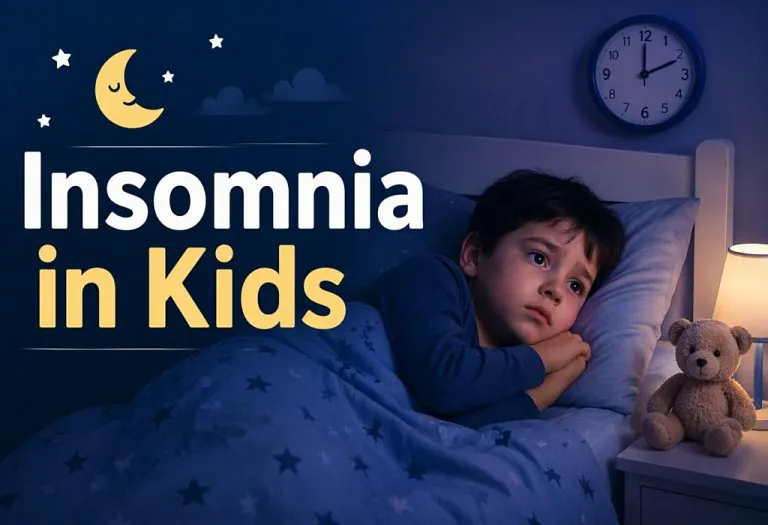
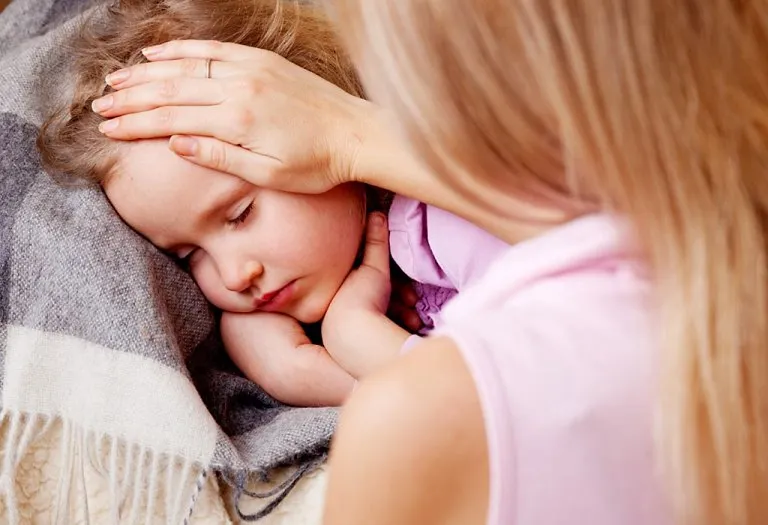
Image Credit : AI Generated Image
This health content has been medically reviewed by qualified experts and follows the FirstCry Parenting editorial policy to ensure accuracy and reliability.
Children need at least 10 hours of sleep each night for proper growth and development. When they do not get the recommended duration of sleep, they are more prone to behavioural issues and a few health conditions as well. Hence, if your deep sleeper suddenly wakes up in the middle of the night or refuses to go to sleep for days together, you will need to seek medical help for him, as it could be insomnia. Read on to know more.
What Is Insomnia?
Insomnia is a sleeping disorder that prevents one from falling asleep at night or staying asleep. A child with insomnia may wake up unusually early and may not be able to go back to sleep.
Childhood insomnia is a sleep disorder that makes sleeping or staying asleep for long enough challenging for children. If left untreated, childhood insomnia and night waking can lead to impairment in emotion regulation and behaviour, poor academic performance, and health issues (1).
How Common Is It in Kids?
Insomnia is commonly an adult issue but may be found in children, too. The causes of adult insomnia are primarily different from those of children. Insomnia in children is a common part of sleep problems. Kids usually have the problem of behavioural insomnia, and as many as 25% of children can experience this at some point in their childhood.
Types of Sleep Problems in Kids
In children, insomnia is usually related to behaviour. The three major types of insomnia in children are:
- Sleep Onset Association: In infants and toddlers, insomnia of this kind is common as they associate sleep time with a certain activity, like being rocked or cuddled. In the absence of these, toddlers and infants may have trouble falling asleep. Other factors like the lighting in the room, the temperature or specific noises may also make the room a less conducive atmosphere for the kids to sleep in, thus keeping them awake.
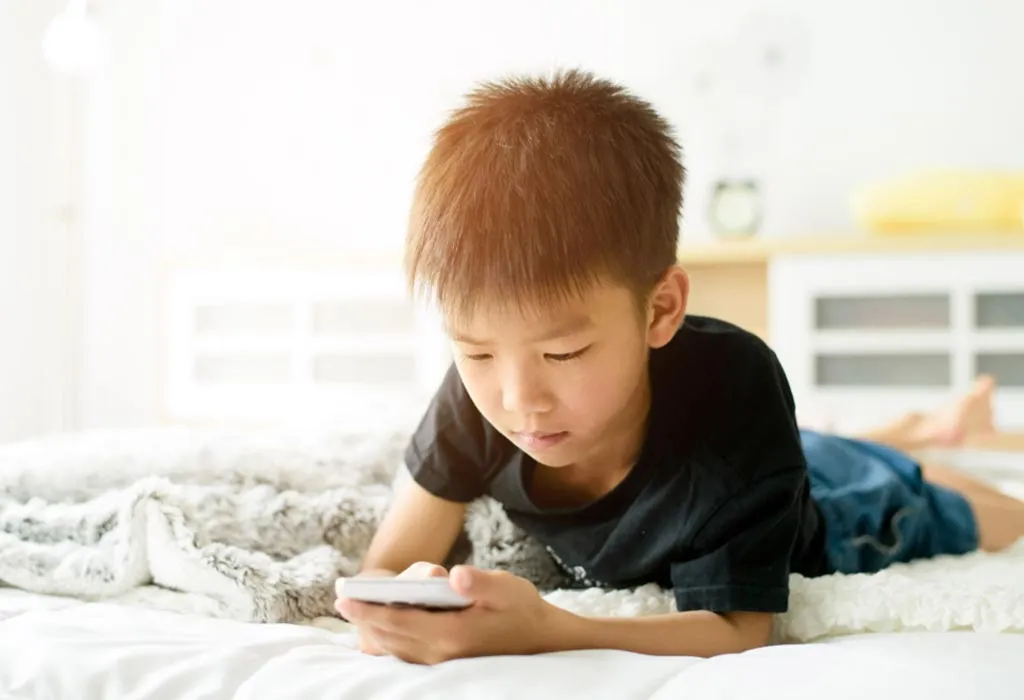
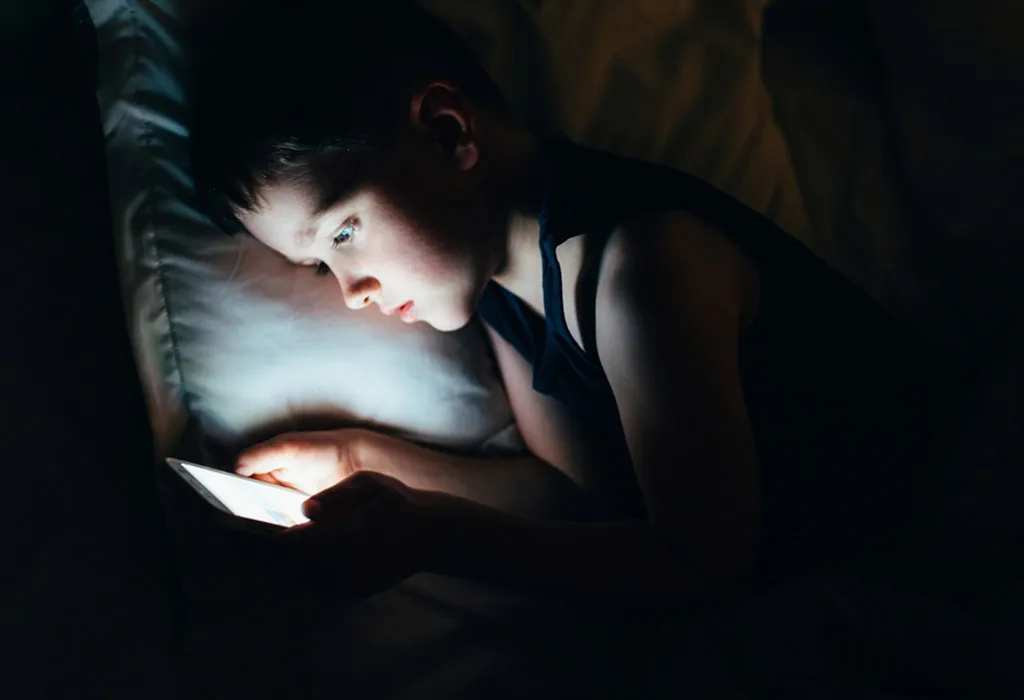
- In older children, insomnia caused by sleep onset association is usually due to the presence of a certain item in the room, like a phone, computer, or TV. Children may not be able to sleep as the content presented on these devices may be very appealing, and also, the light emitted can prevent the release of melatonin, which is the sleep hormone.
- Limit Setting Insomnia: When children, especially older children, are not given strict sleep times they may refuse to go to sleep and forcefully engage in other activities. They may even ask for an additional bedtime story or a glass of water to delay bedtime. This irregular sleep pattern can also affect the circadian rhythm in the child.
- Inadequate Sleep Hygiene: A good set of habits, like avoiding the screen or not consuming caffeine products, can help induce good-quality sleep. However, many children, especially teens and adolescents, lack proper sleep hygiene, which can prevent them from falling asleep.
- Causes of Insomnia in Kids
There may be several reasons for insomnia in children. Some of the common causes of insomnia in kids are:
1. Stress
Stress can be one of the major reasons for insomnia in kids. Children are impacted largely by the incidents around them. A stressful environment at home, being bullied at school, relocation to a different city or any other fears may be the core cause of lack of sleep in many children (2). It is essential for parents to identify the cause of stress and provide the mental and emotional support necessary to alleviate stress and anxiety in children.
2. Stimulant Usage
Children, mostly teenagers, may have the habit of consuming a large amount of soda on a daily basis. Soda, like coffee, contains caffeine that prevents people from sleeping at night. Products with nicotine can also disrupt sleep.
3. Medications
If your child is on medication for depression or ADHD (Attention Deficit Hyperactivity Disorder), he may have trouble falling asleep. These drugs are known to alter and affect sleeping patterns in children. Corticosteroids used for allergies and asthma, and anticonvulsants used for seizures, can also cause insomnia in children.
4. Medical Conditions, Psychiatric Conditions and Other Sleep Disorders
Children with medical conditions like depression and anxiety tend to have a problem falling asleep. Other medical conditions like asthma, obstructive sleep apnea, fibromyalgia, muscle cramps, etc., may also disturb sleep in children.
Neurodevelopment conditions like ADHD, autism and Asperger’s syndrome are also known to cause insomnia.
5. Environmental Factors
Children tend to get affected significantly by a change in the sleep conditions, such as temperature, lighting, and noise. Uncomfortable mattresses may also contribute to the problem. Phones, video games, and computers can also be a major cause of distraction for children in the process of falling asleep.
Symptoms of Insomnia in Kids
Symptoms of insomnia in children include (3):
- Difficulty falling asleep once in bed
- Not being able to fall asleep again once awake
- Disturbed sleep or waking up from sleep in the middle of the night
- Waking up very early
- Refusal to go to bed
- Drowsiness throughout the morning
- Frequent curtain calls to delay sleeping, like hugs, stories, requests for bathroom or drinks
- Lack of focus on a task or getting easily distracted
- Trouble waking in the morning or getting up for school
- Chronic tiredness or fatigue
- Behavioural issues like moodiness or erratic behaviour
- Poor performance in school and disciplinary problems in school
- Aggression
- Memory problems
- Depression
- Hyperactivity
Diagnosis of Insomnia in Kids
Diagnosis of insomnia in children can be done by collecting the sleep history of your child. The doctor may even inquire about the prevalence of any sleep disorders in your family. A physical examination may be conducted to rule out the possibility of any underlying medical conditions that may have caused insomnia.
The doctor may also recommend a polysomnogram or a sleep study to find out about any sleep disorders that your child may have. This study is conducted overnight in a sleep lab where your child’s blood oxygen level, eye movements, heart rate, blood pressure and brain activity are measured.

Challenges With Insomnia
Children are often not articulate enough to communicate with doctors about the symptoms they are facing. Observation and communication are left to the parent. Also, since insomnia can often be a symptom of a different condition, the process of diagnosis may be long and tedious. As opposed to adults, children cannot provide first-hand information about their insomnia to the doctor.
Treatment for Lack of Sleep in Children
Treatment for insomnia is given based on the diagnosis. Some of the standard treatment procedures or cures for insomnia in children include:
- Behavioural Therapy: When insomnia is related to behavioural problems or is caused by an underlying psychological disorder, you will need to subscribe to cognitive behavioural therapies of hypnotherapies for your child (4) (5). Sleep onset association insomnia and limit setting insomnia may be treated in this way.
- Lifestyle Changes: Provide the child with a good diet and a comfortable atmosphere to sleep in. Remove any distractions and devices that can create noise or keep your child awake. Also, keep their room dark, quiet, and cool, without any disturbances.
- Follow a Routine: Children with the luxury of a flexible routine may refuse to go to sleep. Therefore, following a strict bedtime routine can provide structure to your child. You can also begin a bedtime ritual to help induce sleep, like reading him a story or bathing him before bedtime (6).
- Promote Sleep Hygiene: Limit exposure to phones, TV or computer screen before bedtime. Do not allow your child to consume any stimulants like sugar or caffeine before going to bed (6).
- Melatonin: You can check with your child’s doctor if melatonin supplements can be given to children to induce sleep. Melatonin is a sleep hormone that is naturally produced by the body.
- Medications: Child insomnia medication is not prescribed by most doctors in the beginning. It is used as a last resort. You may discuss with your doctor if medication is a suitable choice for your child. Over-the-counter drugs like antihistamines may be used in children with insomnia, but they are known to make the child sleep during the day. Before giving your child any kind of medication, consult your paediatrician.
- Relax: If your child is tossing and turning 15 minutes after going to bed, help your child relieve any stress with simple relaxation techniques before bed. This can be a key factor in promoting good sleep. Let them get up from the bed for about 20 minutes and do something non-stimulating like reading in the bedroom (7).
Natural Remedies
If your child is suffering from insomnia, it is best to first try out some of the home remedies for insomnia in kids, before you opt for medications. Most short-term insomnia can be treated with the help of home remedies.

- Sleep satchels filled with flowers and herbs can help create a soothing atmosphere for your kid. You can use lavender flowers, dried chamomile flowers, rosebuds and lemon balm, depending on what suits your child best.
- Exercises and physical activity in children are great ways to promote sleep in most children.
- You may try giving your child a glass of warm milk before bed to help soothe him.
- Give a cup of chamomile tea to your child before going to bed to induce sleep (6).
- Drawing a warm bath for your child with relaxing aromatic oils like chamomile and lavender can help induce sleep. Because aromatic oils are highly concentrated, mix 1-2 drops of aromatic oil with a carrier oil and then mix it in the bathwater. Remember to be cautious with essential or aromatic oils for children under the age of 12.
- Food rich in magnesium, like almonds and green leafy vegetables, can help relax the mind and promote sleep.
FAQs
1. How much sleep does my child need?
According to the Royal Children’s Hospital Melbourne, children of different ages have different sleep demands, which are mentioned below (8):
- Kids aged one to three years old need 12 to 14 hours
- Kids aged three to six years old need 10 to 12 hours
- Kids aged seven to 12 years old need 10 to 11 hours
- Kids aged 13 to 18 years old need 8 to 10 hours
2. My child has trouble sleeping due to nightmares. How can I help?
Nightmares can be frightening for children and teenagers. Your child might struggle to fall back asleep after a nightmare or develop a fear of sleep because of their dreams. While nightmares are common, they typically aren’t something to worry about. If your child wakes up from a nightmare, provide comfort and hear their concerns. Do not dismiss their fears. Remind them that feeling scared is okay, but they are safe. Some children may simply need a hug before returning to sleep, while others might prefer your presence by their side. If your kiddo is having frequent distressing nightmares, consult a doctor for guidance (8).
Lack of sleep can have severe ramifications for the development of your child. If your little one does not get enough sleep in his growing years, his cognitive development may slow down due to lack of rest. It is essential to identify the cause of sleeplessness and discuss with your doctor how to help a child with insomnia. Timely intervention and medical assistance can help your child overcome this problem.
Also Read:
Sleep Terror in Toddlers & Kids
How Much Sleep Do Children Need
How to Make Your Child Sleep Alone?
How to Get Kids Fall Asleep Fast
Effective Ways to Deal With a Stubborn Child
Was This Article Helpful?
Parenting is a huge responsibility, for you as a caregiver, but also for us as a parenting content platform. We understand that and take our responsibility of creating credible content seriously. FirstCry Parenting articles are written and published only after extensive research using factually sound references to deliver quality content that is accurate, validated by experts, and completely reliable. To understand how we go about creating content that is credible, read our editorial policy here.
2. HelpGuide.org – Childhood Insomnia and Sleep Problems
3. Boston Chidren’s Hospital – Insomnia
5. Child Mind Institute – How to Help Kids Who Have Trouble Sleeping
6. Nemours KidsHealth – 10 Ways to Help Your Child Get a Better Night’s Sleep
7. KidsHealth Hauora Taitamariki – Insomnia In Children
8. The Royal Children’s Hospital Melbourne – Sleep problems – children and teens
- Author
- Expert Reviewer


Related Articles
-

Social Stories for Kids with Autism - How They Help
-
Rubella (German Measles) in Babies and Kids
-
Gallstones (Cholelithiasis) in Children
-
Types of Annual Flu Vaccination: Why & When Should Your Child Get One?
-
Lead Poisoning in Children
-
How Is Multisystem Inflammatory Syndrome in Children (MIS-C) Related to COVID-19?





.svg)