
Kegel Exercises in Pregnancy: Benefits & How To Do Them
Learn how Kegel exercises during pregnancy strengthen pelvic muscles, ease labor, and support faster recovery with simple step-by-step guidance.





Medically Reviewed By
Dr. Sabiha Anjum
(Gynecologist/Obstetrician)

This health content has been medically reviewed by qualified experts and follows the FirstCry Parenting editorial policy to ensure accuracy and reliability.
Pelvic floor exercises for pregnant women help strengthen the muscles that support the bladder, uterus, and bowel, making them an important part of a healthy pregnancy routine. Research suggests that urinary incontinence affects approximately 41% of pregnant women, making pelvic floor health an important aspect of prenatal care (1). Among the most effective techniques are Kegel exercises, which can improve bladder control, support labour and delivery, and aid postpartum recovery.
Ahead, you’ll learn the benefits, correct techniques, safety tips, and common mistakes to avoid when performing Kegel exercises in pregnancy.
What Are Kegel Exercises?
Kegel exercise for pregnancy is named after the gynaecologist Arnold Kegel who designed these exercises in order to support the pelvic floor. The pelvic floor is a series of muscles and ligaments that form a band across the pelvic bones and support the uterus, bladder, and other organs. The pelvic floor is also responsible for the flow of urine and the contraction of the anal sphincter and vagina (2).
Kegel exercises are simple and easy, and you can do them anywhere. Doctors recommend that you do these exercises in small sets during the course of the day.
Why Should Pregnant Women Do Kegel Exercises?
As the foetus starts to develop and becomes bigger, your pelvic floor will have to support more weight than it is used to. Unfortunately, some women will find that their pelvic floor is not strong enough. A good indication of a weak pelvic floor is to notice if you leak urine when you cough or sneeze. This is caused because the weak pelvic floor has the additional weight of the baby which it is not equipped to support.
In the third trimester and during childbirth, one-third of all pregnant women will have tears in their pelvic floor. While this is not immediately apparent, it can lead to incontinence post pregnancy. In case the tear is much larger, it can cause faecal incontinence.
However, there have been multiple studies that have proven that strengthening the pelvic floor muscles through Kegel exercises will reduce the chances of the above-mentioned conditions (3). These studies have also shown that women who practise Kegel exercises have a shorter labour duration, which means that you will experience the labour pains for a much shorter time. Kegel exercises have also been linked with quicker post-birth recovery time (4).
How Do Kegel Exercises Strengthen the Pelvic Floor Muscles?
In medical circles, the pelvic floor is referred to as PFM or Pelvic Diaphragm. It supports all the organs in the lower abdomen namely the uterus, bladder, rectum, and intestines. This diaphragm is made from three separate muscles along with ligaments that help connect the muscles to the pelvic bones. The muscles in the PFM work together to control urination. They cover the urethra, which is why a strong PFM results in better control over urination (2).
Benefits of Kegel Exercises for Pregnant Women
Some of the benefits of Kegel exercises for pregnant women are mentioned below (5).
- As the baby continues to grow, your uterus will start to expand, putting a strain on the pelvic floor. If the muscles in the pelvic floor are weak, you may begin to suffer from Urinary Incontinence (UI), or urine leakage (6). Women in their third trimester are particularly susceptible to such a condition. Studies have shown that Kegel exercises can reduce or entirely prevent this.
- A strong pelvic floor will help ease the pain of labour. As you get used to doing Kegel exercises, you will learn how to relax the muscles in your pelvic floor. This knowledge will prove highly useful during delivery. Relaxing your muscles will allow the baby to come out smoothly without causing any damage to the PFM.
- Many studies have shown that those women who do Kegel exercises regularly have a shorter labour time.
- Pregnant women often suffer from haemorrhoids which are painful. Doing Kegel exercises improves blood circulation in the pelvic region, thus, reducing the chances of the occurrence of haemorrhoids.
- Kegel exercises also keep the muscles near your vagina supple, which makes sexual interactions more pleasurable.
How to Find Pelvic Floor Muscles?
A great and simple way to find your pelvic floor muscles is to try on the toilet. When urinating, try to stop mid-stream. The muscles you feel tightening in this scenario are your pelvic floor muscles and the tightening is a Kegel exercise (7). A word of caution – do not try this exercise too many times as you might face other problems such as the contraction of a UTI.
In case you’re unsure if you’ve found the right muscles, insert a clean finger into your vagina and squeeze what you think is your pelvic floor. If you are doing it right, you will feel your vagina contract around the finger. Be sure to not squeeze any other part of your body during the same time as this can give you a false positive.
If you continue to have problems, consult your gynaecologist. He will be able to explain it to you in a more concise and clear way.
How Should You Prepare for Kegel Exercises?
There are certain things you must remember before you begin to engage in Kegel exercises. One of the most important steps is to make sure that you do not try Kegel exercises when you have a full or partially full bladder as this can cause injury or pain. Ensure you visit the restroom before you start the exercises.
As you start to do these exercises, you must be mindful of the muscles in similar regions such as the thighs, stomach, and buttocks. Remember to breathe in and out deeply as this will help you relax as you do the exercises. You can place your hand on your stomach to help the pelvic muscles (8).
Kegel Exercises to Do in Pregnancy
There are many Kegel exercises that you can try in order to find one that fits you well. However, not all of these exercises are the same, so you must consult with your doctor before trying any of them. Here are two of the best Kegel exercises you can try for your health.
1. One-Two Punch
This type of Kegel exercise is perfect for beginners as it allows you to take your time with the entire motion.
How to Do It
Take a deep breath in while simultaneously contracting your pelvic floor muscles. Hold your breath and the muscles for two counts and then relax your muscles while breathing out. Repeat this up to ten times, which will form a single set.
2. Slow Hold Kegels
Slow hold Kegels help build endurance in your pelvic floor muscles, which can be beneficial during pregnancy and postpartum recovery.
How to Do It
Sit or lie down comfortably. Tighten your pelvic floor muscles as if you are trying to stop the flow of urine. Hold the contraction for five to ten seconds while breathing normally. Slowly release and relax for the same amount of time. Repeat 8–10 times.
3. Quick Flicks
Quick flicks train your pelvic floor muscles to react quickly during activities that increase abdominal pressure, such as coughing, sneezing, or laughing.
How to Do It
Contract your pelvic floor muscles firmly for one second and then immediately relax. Focus on quick, controlled movements rather than holding the contraction. Complete 10–15 repetitions and rest before starting another set.
4. Elevator Exercise
The elevator exercise improves muscle control by teaching you to contract and relax your pelvic floor muscles in stages.
How to Do It
Imagine your pelvic floor muscles are an elevator moving upward. Slowly tighten the muscles to the first “floor,” then tighten a little more to the second and third floors. Hold briefly, then gradually release the muscles floor by floor until completely relaxed. Repeat 5–8 times.
5. Seated Kegels
Seated Kegels are convenient and can easily be incorporated into your daily routine, whether you’re working, reading, or relaxing.
How to Do It
Sit upright in a chair with your feet flat on the floor. Tighten your pelvic floor muscles and hold for five seconds. Relax completely for five seconds before repeating. Perform 10 repetitions, maintaining steady breathing throughout.
6. Side-Lying Kegels
This variation is especially comfortable during the later stages of pregnancy when lying on your back may be uncomfortable.
How to Do It
Lie on your side with your knees slightly bent and supported by a pillow if needed. Gently contract your pelvic floor muscles and hold for three to five seconds. Release slowly and relax completely. Repeat 10 times on each side.
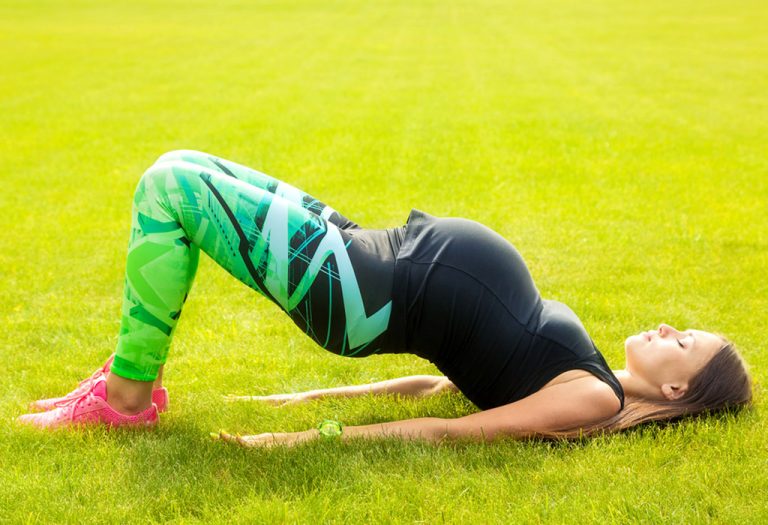
7. The Bridge
This exercise combines different muscles groups located in your pelvic region to give it an extra boost of strength and endurance.
How to Do It
Lay down on your back and bend your knees with your feet at shoulder distance apart. Raise your hips while also contracting your pelvic floor muscles. Hold the hips in the same position and relax the PFM. Continue the Kegel exercise five more times and then slowly lower your hips to the ground.
An important thing to remember when doing Kegel is to relax the muscles entirely after the contraction. Keeping it contracted can result in other issues.
-

Source: Pinterest
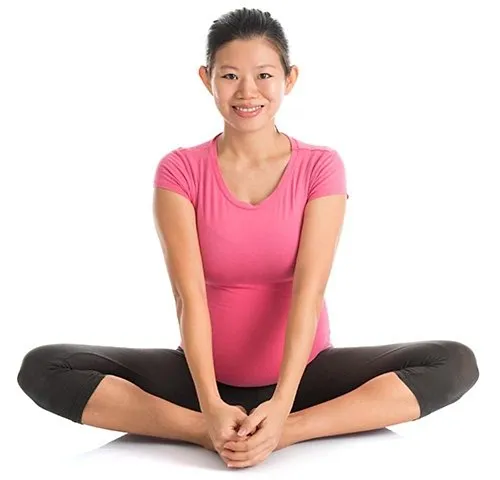
When to Do Kegel Exercises?
There is no bad time to begin doing Kegel exercises during pregnancy. The earlier you begin these exercises, the more benefits you will enjoy in the third trimester and during labour. You can even start the exercises soon after delivery in order to promote quicker healing. This is possible because the exercises cause an increase in blood circulation, which is important for healing and recovery.
You can do Kegel exercises at any time and anywhere. You can do it while waiting at the doctor’s or while in traffic or at work or while in the kitchen. In the beginning, in order to get you used to the habit, you can try the exercises as soon as you wake up in the morning and again before going to sleep at night. If this doesn’t help you set up a routine, then you will find many apps that send you timely reminders to do your exercises.
How Often Can You Do Kegel Exercises?
In the beginning, just concentrate on learning how to do the exercise correctly. You should gradually move your way up to being able to hold your muscles contracted for 10 seconds before relaxing them completely. Once you get used to doing Kegel, then it is simply a matter of doing them in sets. A repeat of ten Kegels forms a set. You can repeat the sets two to three times a day (8). However, you should clarify this with your doctor as she will be the best person to make the call depending on your health and ability.
How Long Can You Continue Kegel Exercises?
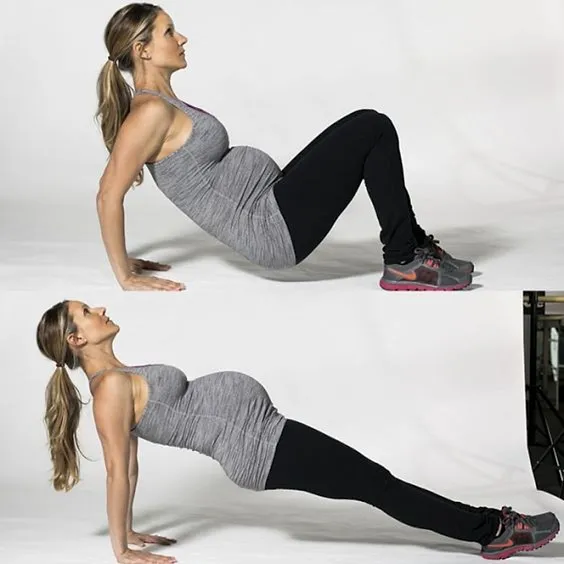
Kegel exercises are important for maintaining good pelvic strength. These exercises can be continued for the rest of your life in order to keep your pelvic region in good health. As you age, certain issues like incontinence might become a reality. Regular practising of Kegel exercises will help keep this issue away. Another possibility is pelvic organ prolapse which can cause incontinence, lower back pain, discomfort in the pelvic region, and discomfort during sex. This type of situation can also be avoided by regularly doing Kegel exercises.
-

Source: Pinterest
When Can the Results of Kegel Exercises Be Seen?
The beauty of Kegel is that women who do them regularly notice results within just a few weeks or months. However, if your issues or symptoms continue even after doing the exercises correctly and regularly for a couple of months, you must consult with your doctor. You might have to work with your doctor to find a different solution for your condition.
How to Make Kegels Exciting and Fun?
There are several ways you can make Kegel exercises more fun.
- A great way to do it is to incorporate the exercises into sex. You can ask your partner to check if your muscles are contracted properly. Not only will this help you achieve your goal of doing the exercises but will also improve intercourse for you and your partner.
- There are several apps now that can help you track Kegel exercises. These apps send you reminders when you need them and even provide music for your exercise routine.
- There are many vaginal exercisers now available in the market which can help with the exercise. However, some doctors do not recommend that you use these products as they might have bacteria and you do not want to introduce bacteria into your vagina, particularly when you are pregnant.
When to Consult a Doctor?
While pelvic floor exercises for childbirth are generally safe and beneficial, there are situations where medical guidance is important. Consult your doctor, obstetrician, or pelvic floor physiotherapist if you experience any of the following (8):
- Pain, discomfort, or cramping during or after performing Kegel exercises.
- Vaginal bleeding, fluid leakage, or unusual discharge during pregnancy.
- Persistent pelvic pain or pressure that worsens with exercise.
- Difficulty identifying or contracting the correct pelvic floor muscles.
- Urinary leakage that does not improve despite regular practice.
- A feeling of heaviness or a bulge in the vaginal area, which may indicate pelvic organ prolapse.
- High-risk pregnancy complications, such as placenta previa, preterm labour, cervical insufficiency, or other conditions requiring activity restrictions.
- Dizziness, shortness of breath, or any unusual symptoms while exercising.
FAQs
1. Should I continue Kegel exercises after giving birth?
Yes, continuing Kegel exercises after delivery can help restore pelvic floor strength, improve bladder control, and support postpartum recovery. Your healthcare provider can advise you on when it is safe to resume exercising after childbirth.
2. Are Kegel exercises different in the 1st, 2nd, and 3rd trimesters?
The basic technique remains the same, but your exercise routine may be adjusted as your pregnancy progresses. 1st, 2nd and 3rd trimester Kegel exercises for pregnant women focus on strengthening and maintaining pelvic floor function while accommodating changes in comfort and body position.
3. Can I do Kegel exercises if I have never exercised before?
Yes, Kegel exercises are beginner-friendly and suitable for most pregnant women. Since they are low-impact and require no equipment, they can easily be incorporated into your daily routine. Start with short contractions and gradually increase the duration as your muscles become stronger.
Kegels are important exercises for a woman’s sexual and maternal health. Regular exercise will help keep the pelvic region healthy and strong, which in turn reduces the risk of common pelvic conditions like prolapse, haemorrhoids, and incontinence. However, before you begin any exercise, do remember to consult your doctor and take care to follow her advice. If you have any doubts regarding the exercise, do not hesitate to ask for help or advice. Kegels are not just good for you during pregnancy. they are recommended by gynaecologists to all women as it keeps their pelvic region in good shape.
Also Read:
Weight Lifting while Pregnant
Abdominal Exercises in Pregnancy
Pelvic Tilt Exercise during Pregnancy
Breathing Exercises for Pregnant Women
Was This Article Helpful?
Parenting is a huge responsibility, for you as a caregiver, but also for us as a parenting content platform. We understand that and take our responsibility of creating credible content seriously. FirstCry Parenting articles are written and published only after extensive research using factually sound references to deliver quality content that is accurate, validated by experts, and completely reliable. To understand how we go about creating content that is credible, read our editorial policy here.
- Author
- Expert Reviewer


Related Articles
-

Indigestion During Pregnancy - Causes, Symptoms, and Remedies
-
Skin Tags During Pregnancy: Causes, Risk and Treatment
-
When Does a Baby Turn His Head Down During Pregnancy?
-
Hydrocortisone Cream During Pregnancy: Is It Safe to Use?
-
White Vaginal Discharge During Third Trimester of Pregnancy
-
Weight Gain in Pregnancy - How Much is Good?