
How to Clean and Sterilize Pacifiers: Safe Methods and Tips
Simple, safe methods to keep your baby’s pacifier germ-free and hygienic every day.




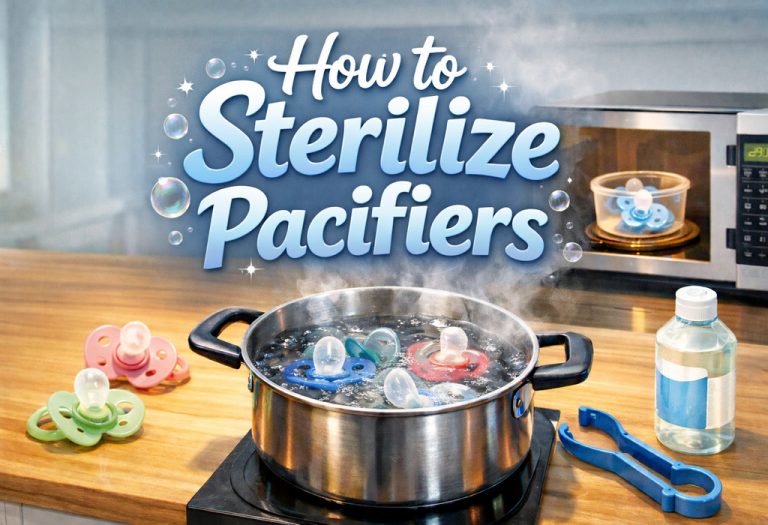
Image Credit : AI Generated Image
Pacifiers are a godsend—certainly a great invention to calm down the cries and bring relief to the babies. But they become a cause of concern when babies put dirty pacifiers in their mouths. With quick reflexes and an urge to put everything in their mouth, it is common to see babies throwing things here and there and then putting them in their mouths the next second. So, how to sterilize pacifiers or is normal cleaning enough for pacifiers? If you are looking for ways for cleaning pacifiers at home without much trouble, you’ll get all your answers here. In this article, we present important methods and tips on how to clean pacifiers and keep babies healthy!
Why Do You Need to Sterilize Pacifier?
As pacifiers frequently hit the floor, car floor or seat, tabletop, inside the bag, or other less hygienic places, they catch up bacteria or viruses. These germs can make your baby sick. Dirty pacifiers can also cause thrush in babies, a common fungal infection that causes sores and white patches in their mouths (1).
While it is not recommended to restrict your little one’s exposure to bacteria and viruses growing up, the key is to keep them away from getting sick, especially for babies who have very low immunity, like premature babies or those who haven’t had their vaccines.
How Often to Sterilize Pacifier?
There are different opinions on how often to sanitize a pacifier. On an average note, santizing the pacifier once a week or every two weeks is good. This may be particularly advisable if your baby has a condition that affects their immune system.
But if you keep cleaning your baby’s pacifier regularly with soap and hot water, then you may sterilize only new pacifiers. Moreover, it is important to know that frequent sterilization can compromise the plastic and rubber of the pacifier. Be vigilant for signs of wear and tear, and replace any pacifier that shows damage.
Different Methods to Sterilize and Clean Pacifiers
Cleaning and sterilizing a pacifier doesn’t require much rocket science. There are different methods of cleaning and sterilising a pacifier. You can choose the method that’s available to you. You can either boil your baby’s pacifier in hot water or pop it in the microwave or a dishwasher for a quicker, hands-free option. Let’s understand all these cleaning and sterlizing methds in detail.
1. Cleaning or Sterilizing the Pacifier with Hot Boiling Water
A simple wash with dish soap and hot water is enough to clean a pacifier. To wash your baby’s pacifier, fill your sink with a little hot water, add some dish soap, mix it, and let the pacifier soak in the soapy water for some time, about a minute. After a minute or two, rinse it off and air-dry it. Your baby’s pacifier is clean and ready to be used again.
In case you are travelling and have a limited source of water, pre-packaged pacifier wipes can do the job. However, nothing can beat the traditional soap-and-water rinse. While travelling, it’s best to keep extra pacifiers with you on your day out and wash them all once you get back home.
2. Microwave Way!
Simply rinse your baby’s pacifier with clean, plain water. Use a microwave-safe container or microwave-safe sterilization bag containing water. Put your little one’s pacifier in the water in the microwave. Follow the instructions for time settings as given.
3. Sterilise the Pacifier in the Dishwasher
First, check whether your pacifier is dishwasher-safe. If yes, you can place your pacifier on the top rack of your dishwasher and turn on the sanitize cycle. Follow the time settings as given.
4. UV Sanitizer for Pacifier
UV sanitizer are a great and hands-free way of sterilizing your pacifier. These do not come in mini portable sizes, so parents can take them on travel. The UV sanitizer for pacifiers is known to eliminate about 99.9% of germs, bacteria, and viruses. Place the pacifier inside the UV sterilizer and follow the instructions as given.
How to Sterilize Pacifier for the First Time?
It is very important to always sterilize the pacifier before its first use. To sterilize it, put it in the boiling water for 5 minutes. Remove it and let it air-dry in a clean place. Make sure it is completely dry and cooled before you give it to your baby (2).
After that, you can continue to keep it clean on a regular basis by washing it with soap and hot water after each use.
Tips to Keep a Pacifier Clean When You Go Out
There are some important tips on how to sanitize pacifiers and bottles when you are out and about with your baby. Let’s check them out!
1. Have a Pacifier Case
Pacifier case is a great tool to keep your little one’s soother clean, safe, and ready to use. These cases are easy to clean and can be attached to the stroller or diaper bag, making them super convenient. The major purpose of pacifier cases is to protect pacifiers from germs and dirt, making them safe to use.
2. Keep Sterilizing Wipes
Portable sterilizing wipes are a godsend in situations when your little one needs a pacifier, and you have limited to no access to water to clean their pacifier. These specially formulated wipes are safe for babies and can be used to sterilize other baby items like bottle nipples and toys, making these wipes an essential diaper bag item.
3. Always Carry Extra Pacifiers
When you are travelling, it is always wise to carry multiple sterilized pacifiers, at least one spare. If one gets dirty and you are in no position to quickly wash it, then extra ones will help you out. This will reduce germ transmission.
4. Store Them Wisely
When storing pacifiers in your purse or bag, ensure they are in a separate, clean compartment to prevent germs from coming into contact with them. Refrain from putting pacifiers in bags or purses just like that because that pacifier will go into your child’s mouth.
Things You Should Avoid While Cleaning a Pacifier
While there are plenty of things that go into cleaning or sterilizing pacifiers, a handful of things are such that should be considered while cleaning a pacifier, basically avoiding certain things. Let’s check them.
- Using a Torn Pacifier: Regularly thoroughly inspect pacifiers for any mould, wear, or torn rubber to prevent choking hazards. Let pacifiers dry thoroughly between uses. Avoid continuing damaged pacifiers as the cracks or crevices in the worn & torn pacifiers may harbour bacteria that might not go through sterilization.
- Overusing Chemical Sterilizers: While chemical sterilizers are offer convenience, they may also leave harmful residue on pacifiers. Thus, it’s important not to use chemical sterilizers too frequently and follow the manufacturer’s instructions.
- Ignoring Manufacturer’s Instructions: Different pacifiers are built differently and require different ways of sterilization. Ignoring the manufacturer’s guidelines for safe sterilization can potentially damage the pacifier.
- Incorrect Drying: Often, pacifiers are not properly dried before being given to babies. Pacifiers that are dried incorrectly or using unhygienic methods can harbour mould or bacteria. Thus, it’s important to air-dry pacifiers on a clean surface in a clean environment.
FAQs
1. For how long should you boil the pacifier?
New parents may wonder how long is too long to boil a pacifier in water to ensure it is properly cleaned. The ideal time to boil a pacifier is about 5 minutes. Prolonged boiling or sterlization can reduce the durability of a pacifier. Thus, it’s best to remove the pacifier from the boiling water or the sterilizer after 5 minutes. Also, avoid boiling or sterilizing it too often.
2. How do I clean the inside of the pacifier?
You can follow the normal cleaning/sterilizing steps and if you still see water inside the pacifier, simply squeeze the nipple of the pacifier to remove the excess water present inside it.
3. Is it important to sanitize pacifiers?
Sterilising a pacifier removes unwanted pathogens, making it safe for the baby to use. It is also important to sanitize the pacifier before the first use, as well, to eliminate any chemicals present during the manufacturing process. Remember, too much cleaning or sanitizing can reduce the durability of the pacifier.
4. What to do if my baby plops a dirty pacifier in his mouth?
No need to panic. If your baby puts a dirty pacifier in his mouth that has just fallen on the floor, gently take it out of his mouth, clean the pacifier, and move on.
4. Are baby wipes safe for cleaning a pacifier?
Since baby wipes are intended for use on babies, they are usually free from harmful chemicals. Thus, they can be used for quick cleaning when travelling. However, relying solely on baby wipes to clean pacifiers should be avoided.
5. At what age should I stop sanitizing my baby’s pacifier?
Newborn babies are at high risk of infections from various viruses and bacteria; thus, frequent sanitizing of pacifiers is beneficial as well as necessary for them. By 6 months of age, the use of pacifiers reduces, thus reducing the need for santizing the pacifier as well. Cleaning with soap and water is enough at this stage.
6. When should I throw away a baby pacifier?
Check for signs of wear and tear periodically, or replace the pacifiers every two to three months.
Remember to store pacifiers in a clean and dry place between uses. Also, when buying a pacifier, ensure it is moulded from a single piece, as single-mould pacifiers have fewer places for germs to thrive and are less likely to cause a choking hazard if they break (3). Usually, a pacifier that isn’t perfectly clean isn’t likely to cause issues for most healthy infants, but whenever possible, give them a quick rinse with soap and water to be on the safe side.
Also Read:
How to Sterilize Feeding Bottles?
Effective Baby Teething Remedies
How to Store Formula Milk for Baby
How To Help Your Baby Give Up Pacifiers
Was This Article Helpful?
- Author
 About the Author
Rama Aiyer
Related Articles
-

Baby's Chapped Lips - Causes, Signs and Remedies
-
6 in 1 Vaccination Can Help a Newborn Fight 6 Serious Diseases in One Shot
-
How To Wash Baby Clothes - Precautions & Tips
-
Visiting The Doctor First Time with Newborn
-
Baby Shoe Bronzing - Tips and Process
-
Preparing Home and Making Up Baby's Room to Welcome the Arrival of Newborn


.svg)