
Heartburn in Pregnancy – Causes, Symptoms, & Easy Home Remedies for Relief
Pregnancy heartburn explained with simple causes and safe tips to ease discomfort and stay comfortable




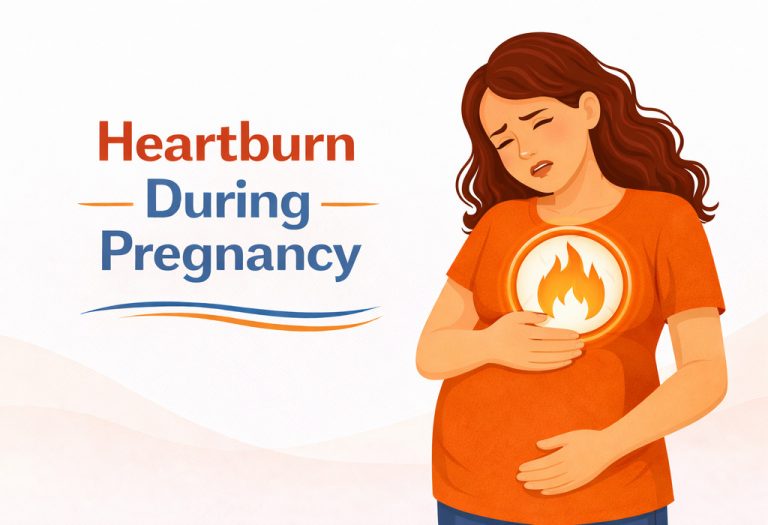
Image Credit : AI Generated Image
Feeling a burning sensation in the chest, bloating, and frequent burping while pregnant? You might be having heartburn during pregnancy. Gastroesophageal reflux disease (GERD), also called acid indigestion or acid reflux, is a very common and recurring condition that primarily affects a muscle called the lower oesophageal sphincter or the LES. Almost 80% of pregnancies are affected by GERD (1). This is a muscle that is found in the lower oesophagus close to the stomach. The condition is extremely common during pregnancy. Although it is generally harmless, it can be quite uncomfortable. So, how do you get relief from it? Let’s check out this article to learn why heartburn happens in the first place during pregnancy, pregnancy-safe treatment options, some home remedies, and also preventive care. We don’t want to give heartburn a welcoming mat, do we?
What Does Heartburn Feel Like When Pregnant?
Heartburn can occur at any point during pregnancy. This ailment afflicts many women on and off throughout their pregnancy. Heartburn and indigestion are more common during the third trimester because the growing uterus puts pressure on the intestines and the stomach (2). The pressure on the stomach may also push contents back up into the oesophagus. You may even experience it up to a year after pregnancy if the weight you gain during it is more than expected.
Here are some of the symptoms of stomach burning during pregnancy (3):
- Burning sensation or pain in the chest
- Frequent burping and belching
- Bloating
- Feeling full or heavy
- Hard time swallowing
- Recurring chronic cough
- Constant pain in the upper left side of your abdomen, where your stomach is located
- Feeling sick or bringing up food in your mouth (this is called regurgitation)
- Hoarse voice
- Sour or bitter taste in the mouth (4)
Note: Heartburn during pregnancy will not hurt your child or have any effect on your delivery.
Causes of Dyspepsia During Pregnancy
Your body has a valve that helps keep the food you have just eaten and the stomach acid responsible for digestion down. When this valve is compromised, it results in heartburn. There are several reasons you may have heartburn. Some of the main causes for it to affect you during pregnancy are:
- A hormone called progesterone may relax the oesophagal sphincter, causing partially digested food and some stomach acid to shoot back up the oesophagus. This can cause a burning sensation in the chest and upper abdomen. Moreover, progesterone slows the digestive process, keeping food in the stomach for longer (5).
- Indigestion.
- Morning sickness.
- A condition called macrosomia, which occurs when your baby is too large and presses on your stomach, forcing acid back up the oesophagus.
- If you are pregnant with more than one baby, this can cause one of the babies to put pressure on the stomach, which releases recently digested food and stomach acid up into the oesophagus.
- In late pregnancy, heartburn can be caused if your baby is in a bottom-first or breech position. A breech position can put more pressure on your diaphragm, leading to heartburn.
Talk to your doctor if the heartburn persists for an extended period of time. This could be a sign of pre-eclampsia. This condition is characterised by hypertension and protein in the urine. It can be very dangerous for both the mother and the baby.

What Makes Heartburn Worse?
Consumption of greasy, spicy, and fatty foods and the slowdown of the digestive process due to the progesterone hormone is a recipe for disaster for heartburn during pregnancy. Moreover, overeating or eating large meals, gulping down water in one go, being stationary and not moving frequently are likely to cause problems for pregnant women. Eating before bedtime and lying down can also cause heartburn (5).
Does Heartburn in Pregnancy Cause Any Complications?
This condition can cause a temporary swelling of the oesophagus, leading to a condition called oesophagitis. Acid reflux, as mentioned earlier, can be a sign of a late pregnancy illness called pre-eclampsia.
Treatment for Acidity When Pregnant
Heartburn can be treated using many techniques and medicines. Here are some contemporary ways to treat this condition:
- Homoeopathy: This is a form of medication and therapy that has some remedies for treating heartburn. Please note that these remedies lack scientific backing. If you want to pursue it, be sure you consult a qualified and licensed physician to ensure proper treatment using this method of medicine.
- Antacids: Antacids are the most efficient way to treat heartburn. They contain magnesium or calcium, both of which are known to help ease this ailment (5). Do not take antacids without your doctor’s prescription. Some antacids contain aluminum or high levels of sodium, neither of which is safe during pregnancy. Let the doctor prescribe you a pregnancy-safe antacid to use during pregnancy (6).
- Medication: Ask your doctor to prescribe you pregnancy-safe medication for heartburn that can be bought over the counter, which can help play a management role in the treatment of heartburn.
Do remember to talk to your doctor before attempting any form of treatment to avoid anything which may hurt your baby.
Home Remedies for Heartburn during Pregnancy
Although heartburn can be treated using medication, it can also be managed and treated at home using various techniques. Here are some of the most popular natural remedies for pregnancy heartburn:
- Bubblegum – Chewing bubble gum can help increase the saliva in your body by stimulating the salivary glands. This neutralises the stomach acid
- Ginger tea – This warm concoction is a throat-soothing wonder. Not only does it help digestion, reduce stomach acid, and help a sore throat, but it can also regulate sugar levels. Consume with caution if there is any bleeding, as this is known to slow down clotting.
- Dandelion tea – This is another natural remedy that plays a regulatory role in stomach acids. Do not use this if you are on medication for blood pressure, as dandelion has natural components that can interfere with BP medication.
- Chamomile tea – This calming tea is known to help digestion, reduce anxiety, and regulate the release of stomach acid. However, chamomile tea is known to keep you awake rather than help you sleep, and is best avoided if you have insomnia.
- Essential oils – Using essential oils such as grapeseed, orange, lemon, lavender, rosemary, and neroli has a calming effect on the body. These can also play a huge role in helping the body function normally and in controlling numerous conditions, including heartburn.
- Yoghurt – Eat yoghurt or drink a glass of milk.

Talk to your doctor about other home remedies for heartburn, discuss treatment alternatives with them, and never start any treatment when pregnant without consulting a doctor.
Prevention
Although heartburn is not dangerous and is treatable and manageable, it can still be prevented. Bringing change in the lifestyle is highly recommended to treat and prevent heartburn and indigestion during pregnancy. Here are a few important tips on how to avoid acidity during pregnancy (7):
- Don’t smoke – Cigarettes have been known to cause major complications during pregnancy. They are also among the most common causes of heartburn. This is because nicotine can lead to excess stomach acid.
- Change your diet – Eat small meals frequently and ensure they are nutritious, with plenty of fruits and vegetables. Avoid oily, greasy, or citrusy foods, as well as foods that may upset the stomach, such as carbonated drinks, spicy foods, and processed meats. Your diet can be a leading cause of heartburn; managing it can help prevent heartburn during pregnancy (8).
- Gap between dinner and sleep – If you have recurrent heartburn, avoid eating within 3 hours of going to bed (3).
- Clothes matter – Wear comfortable clothes. Anything too tight can put unwanted pressure on the stomach and force up stomach acid. This makes an uncomfortable situation worse.
- Hydrate – Staying well-hydrated helps control digestion in your body and eases heartburn by making it harder for acid to flow back up the oesophagus.
- Sleep strategically – Elevate your head while sleeping. Prop your head on some pillows so that your head is elevated.
FAQs
1. Can heartburn during pregnancy hurt my baby?
Heartburn is a common discomfort during pregnancy, but it is not a health concern for the baby in the womb. A healthy diet is highly important during pregnancy. If you are unable to eat due to heartburn and indigestion, it’s best to treat the symptoms (9).
2. Does heartburn affect my pregnancy?
No, heartburn or GERD symptoms can make you uncomfortable, but they do not affect the pregnancy outcomes directly (10).
3. When should I see a doctor about heartburn?
If there is no relief in heartburn symptoms after taking medication or the symptoms get only worse, get a doctor’s appointment. It could be a serious condition called pre-eclampsia, which causes a feeling of heartburn and pain under the ribs. Also consult a doctor if you are vomiting blood, have difficulty swallowing, have chest pain, feel short of breath, or are losing weight (9) (11).
4. I have a history of heartburn before pregnancy. Will my heartburn or GERD get worse during pregnancy?
If you have had a history of GERD or heartburn before pregnancy, there is a chance that it will get worse during pregnancy. Nonetheless, with some lifestyle changes and a doctor’s consultation, it can be maintained better (10).
Knowing about heartburn plays a crucial role in controlling, preventing and treating it. Remember to talk about the condition to your partner, caregivers and doctors. This condition is not harmful and is preventable. You can try various techniques till you find what is suitable for you.
The most important thing to know about heartburn during pregnancy is that it is not dangerous and will not play a part in the delivery of your child or their health after birth.
Also Read:
Indigestion During Pregnancy
Morning Sickness in Pregnancy
Burping During Pregnancy – Is It Normal?
Home Remedies for Heartburn During Pregnancy
Was This Article Helpful?
Parenting is a huge responsibility, for you as a caregiver, but also for us as a parenting content platform. We understand that and take our responsibility of creating credible content seriously. FirstCry Parenting articles are written and published only after extensive research using factually sound references to deliver quality content that is accurate, validated by experts, and completely reliable. To understand how we go about creating content that is credible, read our editorial policy here.
2. Cleveland Clinic – Heartburn During Pregnancy
3. NHS – Indigestion and heartburn in pregnancy
4. UT Southwester Medical Center – Feeling the burn? Tips to manage heartburn, GERD in pregnancy
5. Stanford Medicine – Pregnancy and Heartburn
6. American Pregnancy Association – Heartburn During Pregnancy
7. Nemours KidsHealth – How Can I Deal With Heartburn During Pregnancy?
8. HealthLink BC – Heartburn During Pregnancy
9. Pregnancy Birth and Baby – Indigestion and heartburn in pregnancy
- Author
 About the Author
Deboshree Bhattacharjee
Related Articles
-

Tailbone (Coccyx) Pain While Pregnant: Causes, Symptoms & Treatments
-
Itching on Stomach During Pregnancy - Causes and Home Remedies
-
Melasma (Mask of Pregnancy) – Causes, Signs & Prevention
-
9 Essentials to Make Those Nine Months of Pregnancy Easier
-
Vaginal Discharge During Pregnancy - Causes and When to Worry?
-
Sex During the First Trimester - Making Love in Early Pregnancy