100+ Morning Affirmations for Kids for Daily Motivation
Start your child’s day with positive affirmations that build confidence focus and joy explore easy ways to make mornings more uplifting.




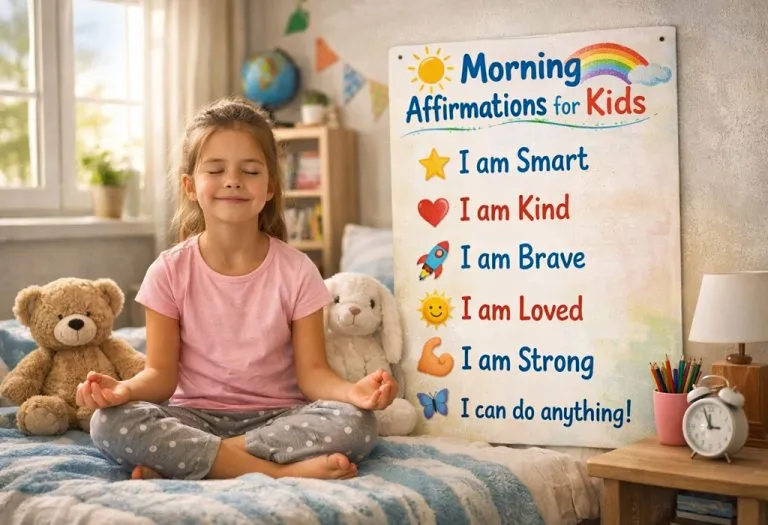
Image Source: AI-Generated Image
Mornings can shape how a child experiences the rest of the day. A rushed start often brings anxiety, while a calm beginning builds confidence that quietly lasts through school, play, and challenges. That is where positive morning affirmations for kids can make a difference. Simple, kind words spoken at the start of the day help children feel safe, capable, and valued. They do not need to be loud or dramatic. This article is written to help you use affirmations in a way that feels natural, not forced. Think of it as guidance from someone who has seen how small words can lead to big changes.
Benefits of Morning Affirmations for Kids
Morning affirmations gently guide a child’s thoughts before the day begins. They help children feel steady and supported from the inside. Over time, these small moments build emotional strength in very natural ways.
- Builds self-confidence by helping children believe in their abilities and trust themselves more each day. When kids feel confident, they are more willing to try new things without constant fear of failure.
- Encourages emotional calm by creating a sense of safety and reassurance early in the day.
- Supports positive behaviour by helping kids feel seen, valued, and understood.
- Improves focus and motivation by setting a positive tone that shapes how they approach tasks. Children feel more ready to learn when their mind starts the day with supportive thoughts.
Best Morning Affirmations for Kids to Start the Day
Morning is a fresh chance for children to reset their thoughts. Gentle words at the start of the day help them feel safe, capable, and supported. These affirmations are designed to sound natural and easy to say. They can be spoken aloud or quietly together during the morning routine.
Short Affirmations
Simple affirmations are easy for kids to remember and repeat. They fit naturally into busy mornings. Even a few words can leave a lasting feeling of comfort and strength.
- I am loved.
- I am safe today.
- I am doing my best.
- I am proud of myself.
- I am learning every day.
- I am enough.
- I am calm.
- I am kind.
- I am brave.
- I can listen.
- I can share.
- I can smile today.
- I can make good choices.
- I am thankful.
- I can ask for help.
- I can be patient.
- I am growing.
- I am helpful.
- I am important.
Affirmations for Confidence
Confidence grows when children hear encouragement often. These affirmations help kids trust their abilities.
- I believe in myself.
- I can handle new things.
- I am good at learning.
- I trust my ideas.
- I can speak clearly.
- I am capable.
- I can solve problems.
- I feel strong inside.
- I can do hard things.
- I am proud of my efforts.
- I can make decisions.
- I learn from mistakes.
- I am improving.
- I can lead when needed.
- I trust my voice.
- I can stay focused.
- I am confident today.
- I can try even if I feel unsure.
- I believe I can grow.
- I feel ready for today.
Affirmations for Self-Acceptance
Children need reminders that they are valued as they are. These affirmations encourage kindness toward oneself. They help kids feel comfortable in their own skin.
- I like who I am.
- I accept myself.
- I am okay as I am.
- I do not need to be perfect.
- My feelings matter.
- I respect myself.
- I am worthy of love.
- I am unique.
- It is okay to be different.
- I can be myself.
- I am allowed to feel.
- I treat myself kindly.
- I forgive myself.
- I grow at my own pace.
- I am gentle with myself.
- I honour my needs.
- I am proud of who I am becoming.
- I deserve care.
- I accept my strengths.
- I accept my challenges.
Affirmations for Friendship
Healthy friendships start with kindness and empathy. These affirmations help children build positive social habits. They encourage respect for themselves and others.
- I am a good friend.
- I listen to others.
- I share kindly.
- I respect differences.
- I use kind words.
- I can make friends.
- I care about others.
- I include people.
- I can say sorry.
- I forgive easily.
- I am friendly.
- I help when I can.
- I treat others fairly.
- I enjoy being kind.
- I choose gentle actions.
- I can work as a team.
- I value my friends.
- I can make new friends.
- I show empathy.
- I spread kindness.
Affirmations for Resilience
Resilience helps children face challenges without giving up. These affirmations teach that setbacks are part of growth. They build emotional strength in simple ways.
- I can try again.
- I do not give up easily.
- I learn from challenges.
- I can handle disappointment.
- I stay strong.
- I keep going.
- I am patient with myself.
- I can wait for my turn.
- I can calm my body.
- I can breathe and reset.
- I grow from effort.
- I can ask for support.
- I face problems bravely.
- I trust myself to cope.
- I can manage big feelings.
- I bounce back.
- I stay hopeful.
- I learn from hard days.
- I can improve.
- I am stronger than I think.
Affirmations for Happiness
Happiness grows when children notice good moments. These affirmations help kids focus on joy and gratitude. They encourage a light and positive outlook.
- I choose to smile.
- I enjoy today.
- I notice good things.
- I am thankful for small joys.
- I feel peaceful.
- I laugh freely.
- I enjoy learning.
- I enjoy playing.
- I feel loved.
- I share happiness.
- I appreciate today.
- I feel hopeful.
- I enjoy being me.
- I welcome joy.
- I feel relaxed.
- I enjoy spending time with others.
- I notice kindness around me.
- I enjoy simple moments.
- I feel content.
- I carry happiness with me.
Ways to Create Morning Affirmations for Children
Creating morning affirmations does not need special words or long explanations. The most effective affirmations often come from simple daily moments you already share with your child. When children help shape the words they hear, they connect with them more deeply. This process becomes a small gesture of care that fosters trust and emotional safety.
- Start by using language your child already understands and uses. Short, easy-to-understand sentences feel more real and easier to remember. When affirmations sound like your child’s own voice, they feel comforting rather than forced.
- Focus on how your child feels, not just what they do. Words that name emotions like calm, brave, or proud help children understand themselves better. This emotional awareness supports healthier reactions throughout the day.
- Involve your child in choosing or creating affirmations together. Ask what helps them feel strong or happy in the morning. This shared moment turns affirmations into a routine they look forward to rather than something they are told to do.
- Keep affirmations positive and present-focused. Saying words in the now helps children feel capable in the moment. Over time, these simple statements quietly shape confident and caring self-talk.
When Is the Best Time to Introduce Morning Affirmations to Kids
Morning affirmations work best when introduced during calm, connected moments. Many children can start benefiting from affirmations as early as ages 2 to 3, when they begin to understand simple words and emotions. Early mornings, just after waking up or during breakfast, are ideal because children are rested and more open before the day becomes busy.
How to Incorporate Morning Affirmations Into Kids’ Daily Life
Adding affirmations to a child’s routine works best when it feels effortless and unrushed. Small, consistent moments matter more than long sessions. When affirmations are woven into everyday habits, children accept them easily. Over time, these moments become a pleasant part of the day, including morning affirmations for kids before school.
- Saying affirmations as you open curtains or make the bed helps children start the day feeling calm and supported.
- Repeating affirmations during tooth brushing or getting dressed helps positive words sink in without stress.
- Sharing affirmations at the table builds connection and creates a positive tone for the day.
- Speaking affirmations in the car or while walking helps children carry confidence with them.
Over time, these small routines support resilience, kindness, and self-belief. A few kind words each morning can quietly guide a child toward a stronger, happier mindset.
Also Read:
Ways to Teach Your Child Humility
Positive Words of Encouragement for Kids
How to Develop Positive Thinking & Attitude for Children
Positive Self-talk to Improve Your Kid’s Mindset and Behavior
Mindfulness for Kids – Benefits and Ways to Teach It to Children
Was This Article Helpful?
- Author
 About the Author






.svg)