30 Fun and Engaging Hands-on Activities for Preschoolers & Kids
Fun, hands-on activities that spark creativity, boost learning, and keep preschoolers and kids happily engaged through play.




Image Source: AI-Generated Image
Hands-on activities for preschoolers and kids are a game-changer! Let us tell you why. Young children learning with their hands, splashing paint on paper, stacking blocks higher and higher, or feeling the texture of sand between their fingers may feel like a normal, daily activity, but hold much more potential for children’s future. Such activities build problem-solving, creativity, and confidence in ways no worksheet ever could. Parents and teachers alike are turning toward more sensory-based, play-driven learning because kids truly thrive when they can touch, move, and experiment. Through hands-on activities for preschoolers and kids, learning transforms into a joyful, memorable experience where curiosity leads the way.
Each task becomes an opportunity to explore, make mistakes, and discover something new because children don’t just learn by listening; they learn by doing. And in those messy, laughter-filled moments, real education comes alive.
Hands-on Activities for Preschoolers
Perfectly designed for ages 3–5, these activities are simple, easy to do at home or in class, and help develop creativity, focus, and problem-solving skills while keeping learning playful and stress-free. If you’re looking for fun, hands-on activities for kindergarten, these ideas will inspire every curious child.
1. Rainbow Rice Sensory Bin
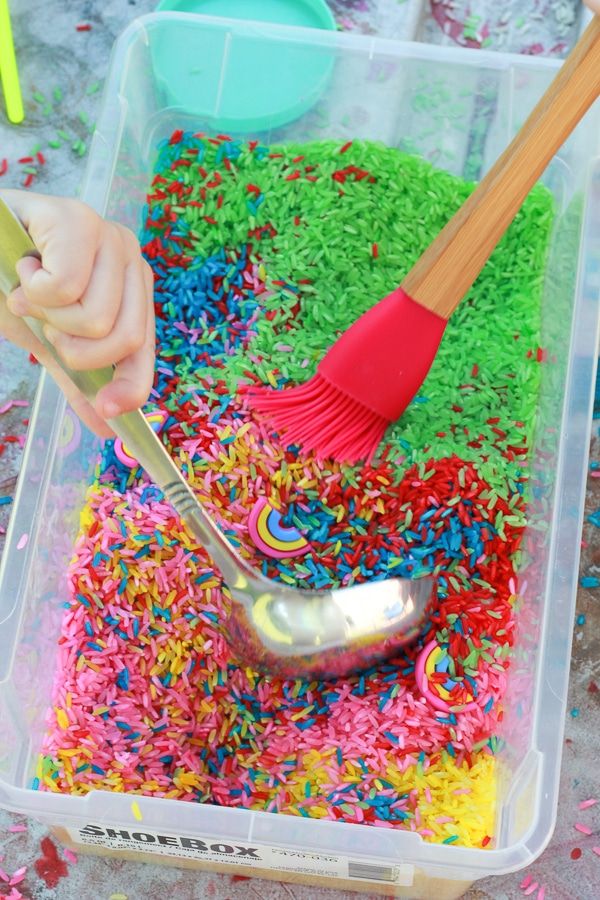
Image Credit: Pinterest
What You Will Need:
- Uncooked rice
- Food coloring
- Ziplock bags
- Plastic bin
- Small toys or scoops
Instructions:
- Add a few food colouring drops to uncooked rice in ziplock bags.
- Shake each bag until the rice is evenly colored.
- Let the rice dry on a tray for 30 minutes.
- Fill a bin with the colourful rice and hide small toys inside.
- Encourage your child to dig, scoop, and explore the textures.
2. Paper Plate Animals
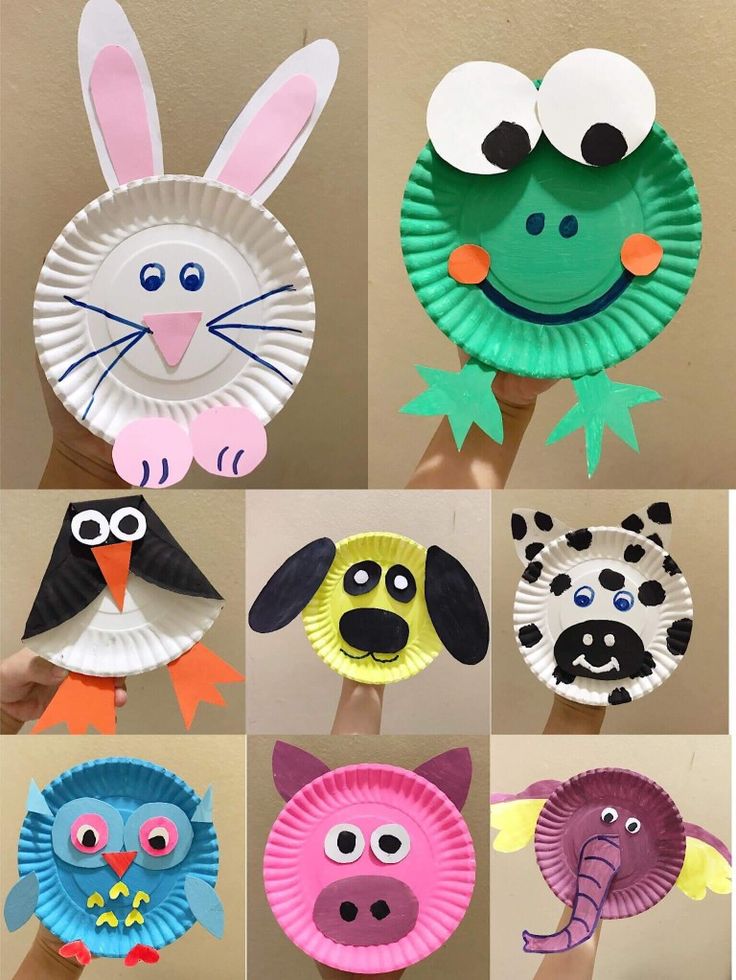
Image Credit: Pinterest
What You Will Need:
- Paper plates
- Colored paper
- Glue stick
- Child-safe scissors
- Crayons or markers
Instructions:
- Help your child pick an animal they love, like a lion or elephant.
- Cut out ears, eyes, and shapes from colored paper.
- Glue them onto the paper plate to form the animal’s face.
- Add fun details like whiskers or spots with crayons.
- Let the plate dry and display it as their handmade art piece.
3. Ice Cube Painting
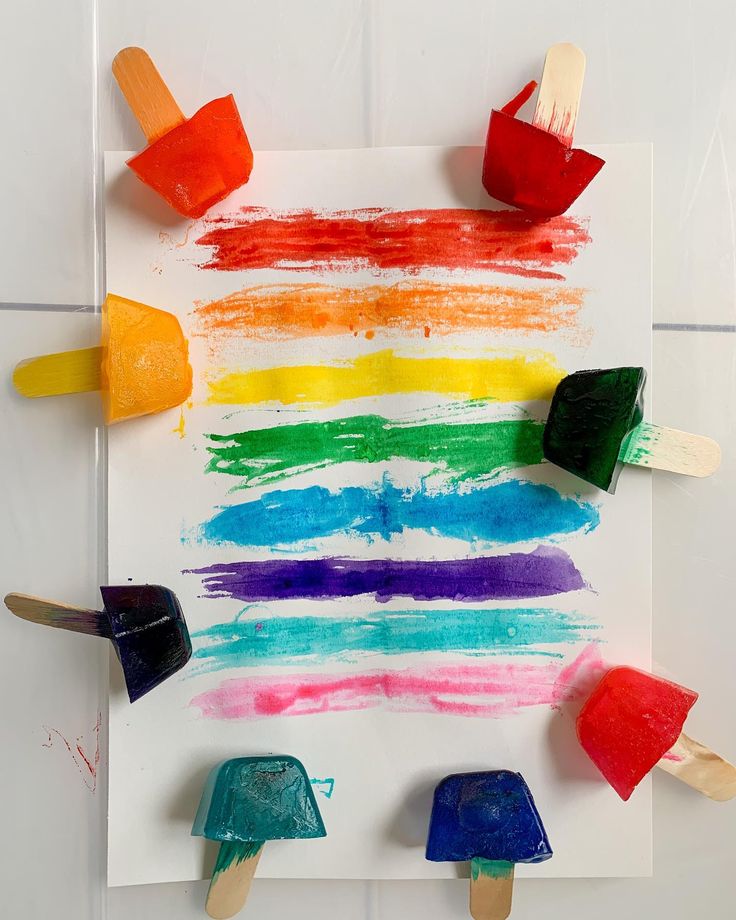
Image Credit: Pinterest
What You Will Need:
- Ice cube tray
- Water
- Food coloring
- Popsicle sticks
- Paper
Instructions:
- Mix water and a few drops of food colouring in each tray compartment.
- Insert popsicle sticks and freeze overnight.
- Once frozen, give the colourful ice cubes to your child to “paint” on paper.
- Watch how the melting colours blend into beautiful patterns.
- Talk about colour mixing and what new shades appear.
4. Shape Sorting Treasure Hunt
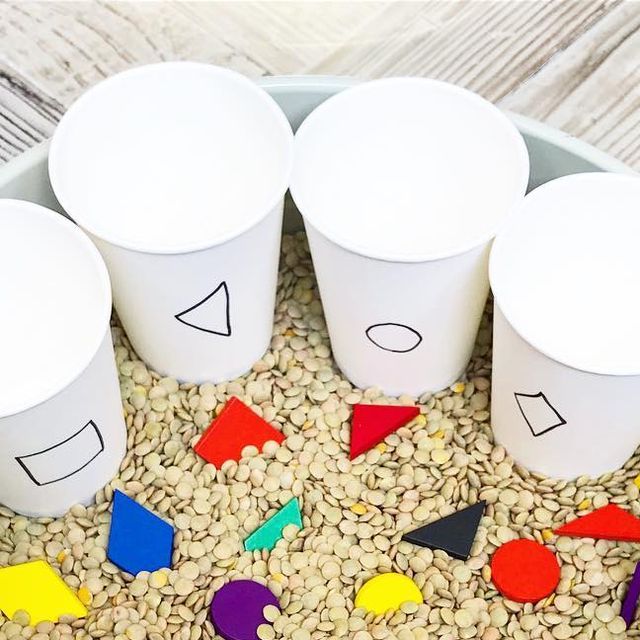
Image Credit: Pinterest
What You Will Need:
- Colored paper cut into shapes (circle, square, triangle, etc.)
- Basket or small box
- Tape
Instructions:
- Place different paper shapes around the room.
- Give your child a basket and ask them to find all the shapes.
- As they collect them, name each shape aloud together.
- Sort the shapes into groups once they’re all found.
- Encourage them to count and compare which shape appears the most.
5. Playdough Volcano
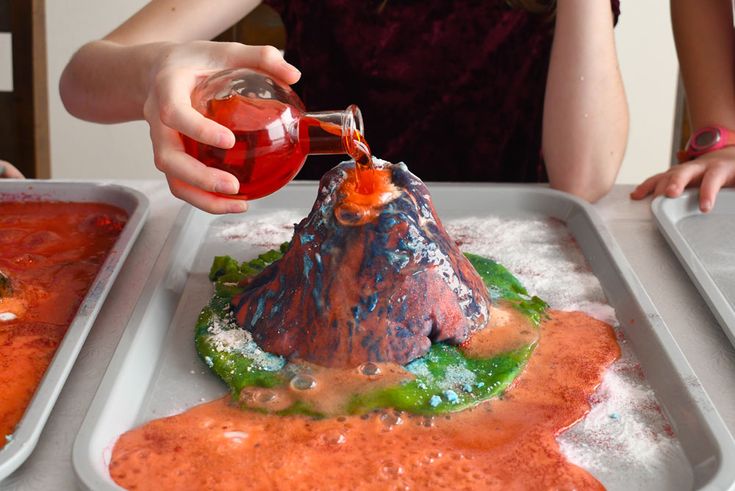
Image Credit: Pinterest
What You Will Need:
- Playdough
- Small cup
- Baking soda
- Vinegar
- Food coloring
Instructions:
- Shape playdough around a small cup to form a volcano.
- Add a spoonful of baking soda to the cup.
- Mix vinegar with food colouring in another cup.
- Slowly pour it into the volcano’s centre.
- Watch it fizz and “erupt,” then talk about what’s happening.
6. Leaf Collage Art
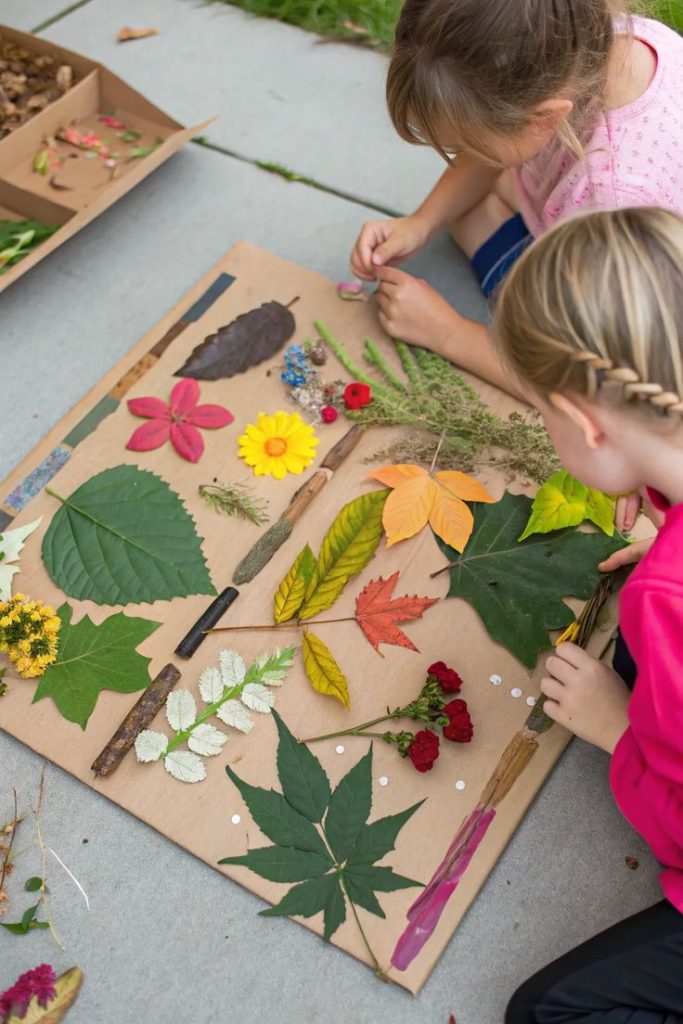
Image Credit: Pinterest
What You Will Need:
- Leaves of different sizes and shapes
- Glue
- Paper
- Crayons or markers
Instructions:
- Take your child outside to collect interesting leaves.
- Bring them home and let them choose their favourites.
- Glue the leaves onto paper to make a collage.
- Add drawings or patterns around the leaves.
- Discuss the colours, veins, and shapes they notice.
7. DIY Counting Cups
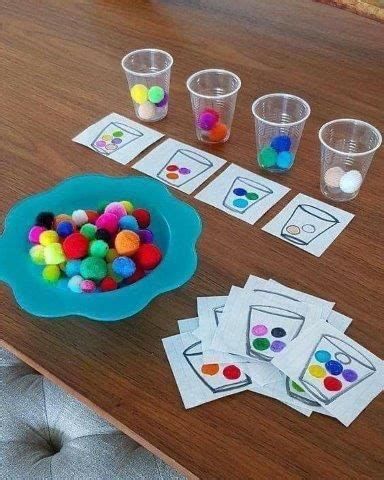
Image Credit: Pinterest
What You Will Need:
- Paper cups
- Marker
- Small items (buttons, beans, or pom-poms)
Instructions:
- Write numbers (1–10) on paper cups.
- Spread small items across the table.
- Ask your child to count and place the right number of items in each cup.
- Encourage them to say each number aloud.
- Mix up the cups and repeat for extra fun and memory practice.
8. Cotton Ball Clouds
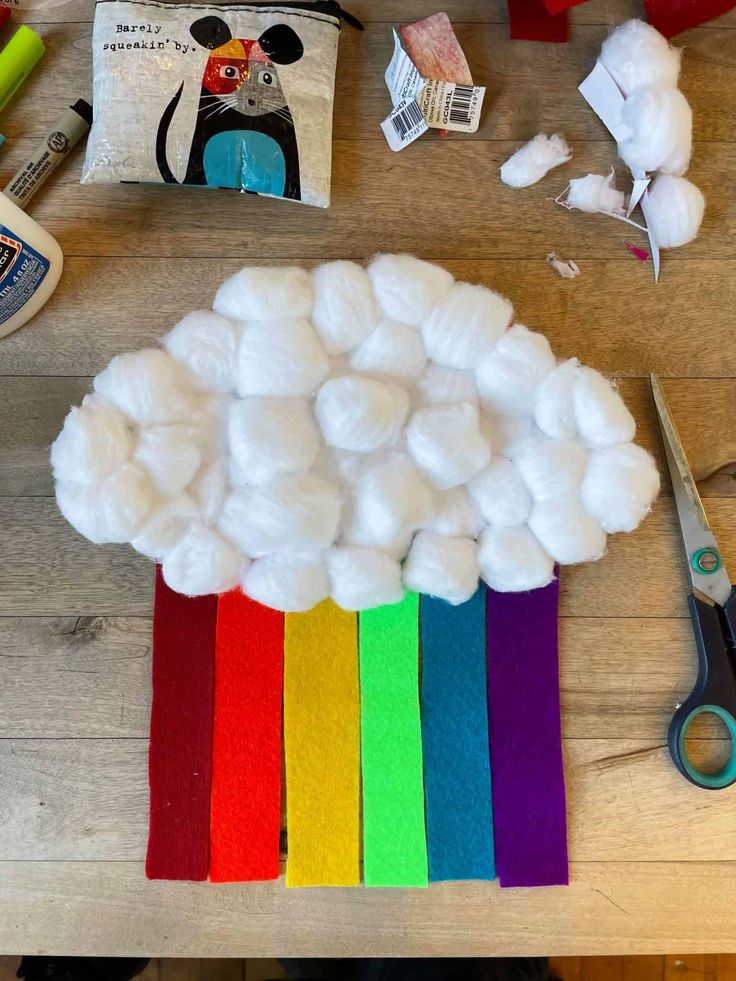
Image Credit: Pinterest
What You Will Need:
- Cotton balls
- Blue construction paper
- Glue
- Crayons
Instructions:
- Hand your child the blue paper as the “sky.”
- Let them glue cotton balls to create cloud shapes.
- Add sunshine, birds, or rain using crayons.
- Ask what kind of weather each picture shows.
- Display the artwork and name it together, “Sunny Day” or “Rainy Sky.”
9. Straw Rockets
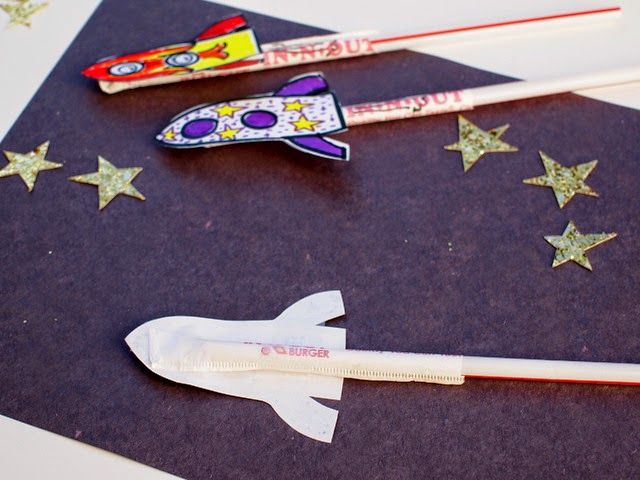
Image Credit: Pinterest
What You Will Need:
- Paper
- Straw
- Tape
- Scissors
- Markers
Instructions:
- Draw a small rocket shape on paper and cut it out.
- Tape a rolled paper tube to the back (large enough to fit the straw).
- Insert the straw and blow to launch the rocket.
- Try different rocket sizes and compare how far they go.
- Count down like a real astronaut before each launch for excitement.
10. Sink or Float Experiment
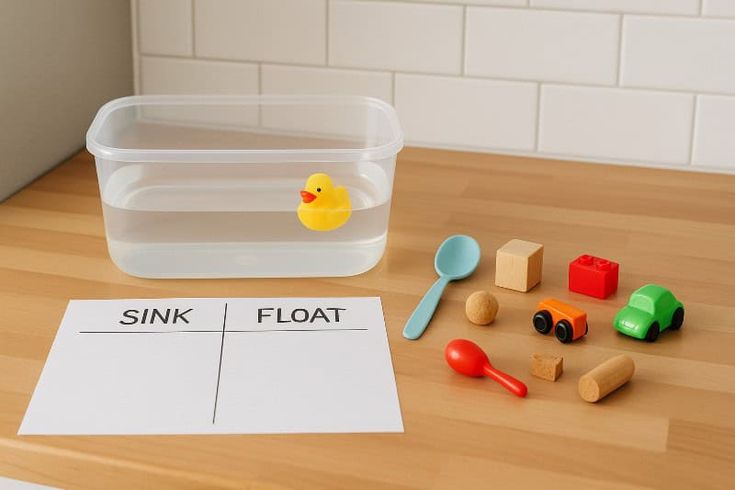
Image Credit: Pinterest
What You Will Need:
- Large bowl of water
- Small objects (toy, spoon, leaf, coin, plastic cap)
- Paper and pencil
Instructions:
- Fill a bowl halfway with water.
- Show your child each item and guess whether it will sink or float.
- Drop them one by one and observe what happens.
- Write down the results together in two columns: Sink and Float.
- Discuss why heavier or lighter objects behave differently.
Creative Hands-on Activities for Kids
Children between the ages of 6 and 8 are bursting with imagination, curiosity, and energy. They’re ready to create, explore, and experiment in ways that go far beyond ordinary play. Through crafting, model building, and mini science experiments, hands-on learning activities keep learning lively and blend fun with hands-on discovery.
1. Eggshell Garden Experiment
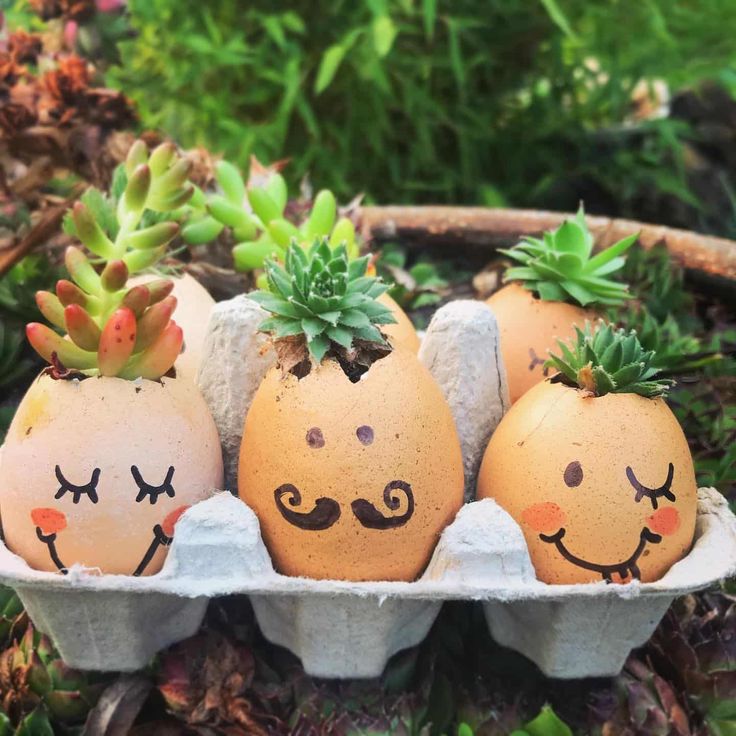
Image Credit: Pinterest
What You Will Need:
- Empty eggshell halves
- Soil
- Small seeds (like herbs or beans)
- Watering spray bottle
Instructions:
- Gently wash and dry eggshell halves.
- Fill each shell with soil and place a few seeds inside.
- Lightly spray with water every day.
- Watch the sprouts grow and note changes in height and colour.
- Talk about what plants need to grow: light, soil, and care.
2. Rainbow Walking Water
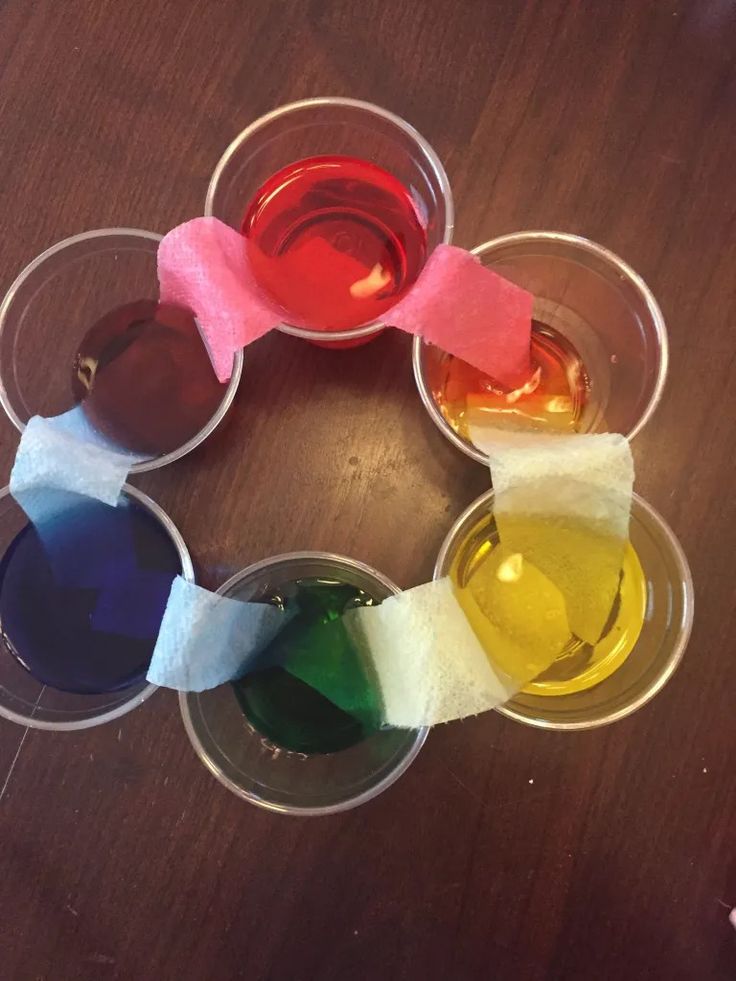
Image Credit: Pinterest
What You Will Need:
- 6 clear cups
- Paper towels
- Food colouring (red, yellow, blue)
- Water
Instructions:
- Line up cups in a row, filling every alternate cup with water.
- Add food colouring to each water cup.
- Roll paper towels and place them between each cup.
- Watch as colours travel and mix through the paper towels.
- Ask your child to describe how the colours blend and move.
3. Marshmallow Toothpick Towers
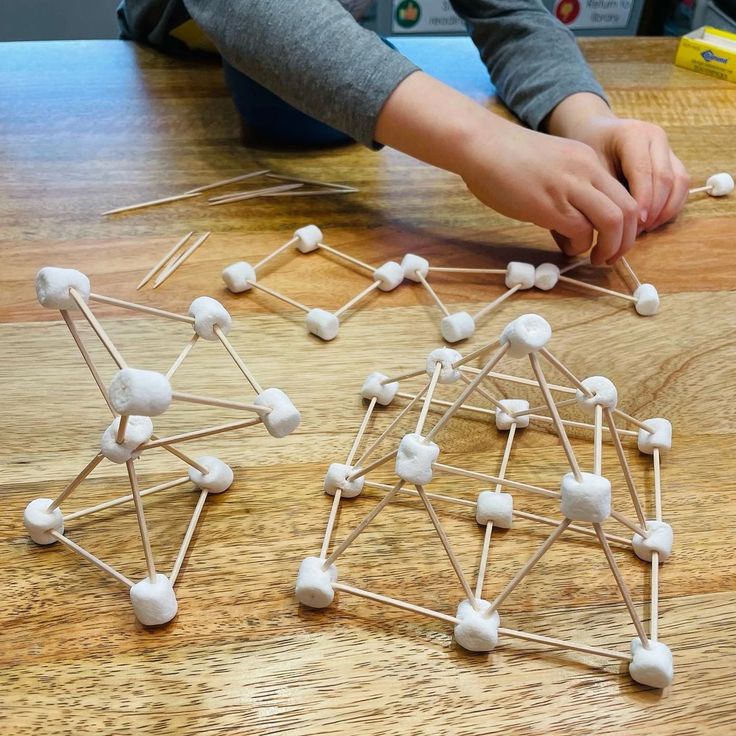
Image Credit: Pinterest
What You Will Need:
- Mini marshmallows
- Toothpicks
- Flat surface
Instructions:
- Connect marshmallows with toothpicks to form shapes.
- Build cubes, triangles, and towers of different sizes.
- See which shape stands strongest and tallest.
- Encourage testing and rebuilding to make it sturdier.
- Talk about how engineers build structures safely.
4. Balloon Rocket Race
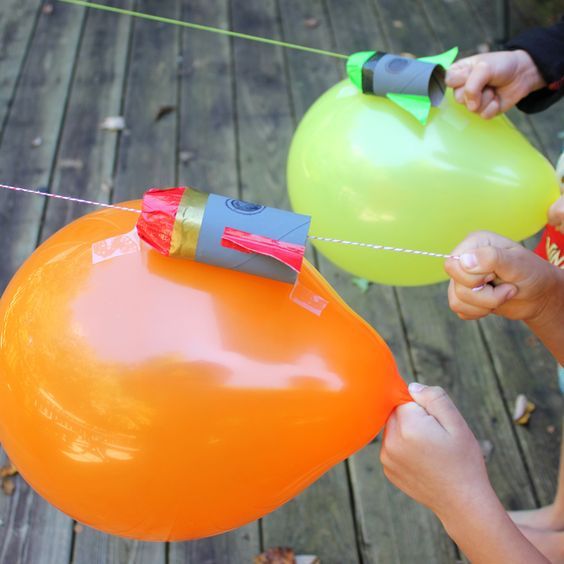
Image Credit: Pinterest
What You Will Need:
- Balloon
- Straw
- String
- Tape
Instructions:
- Thread the string through a straw and tie it across the room.
- Blow up a balloon without tying it.
- Tape it to the straw and release.
- Watch the balloon zip across the string.
- Discuss how air pushes the balloon forward, like a real rocket.
5. DIY Rain Cloud in a Jar
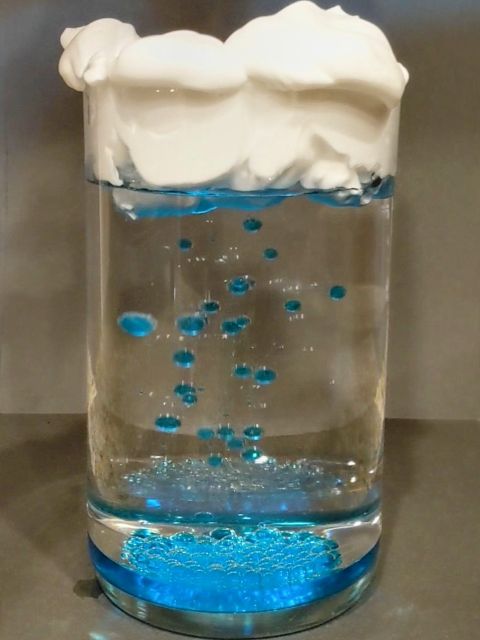
Image Credit: Pinterest
What You Will Need:
- Clear jar
- Shaving cream
- Water
- Food coloring
Instructions:
- Fill the jar three-quarters with water.
- Spray shaving cream on top to form a “cloud.”
- Drop food colouring on the foam.
- Watch it slowly fall through, like rain from clouds.
- Explain how clouds hold water before it rains.
6. Magic Milk Experiment
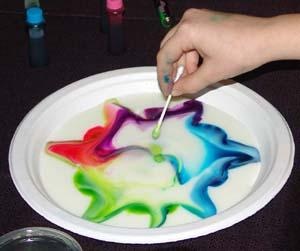
Image Credit: Pinterest
What You Will Need:
- Milk (in a shallow bowl)
- Food coloring
- Dish soap
- Cotton swab
Instructions:
- Pour milk into the bowl.
- Add drops of food colouring.
- Dip a cotton swab in dish soap and touch the milk surface.
- Watch colours swirl and dance.
- Explain how soap breaks surface tension.
7. Paper Towel Art Prints
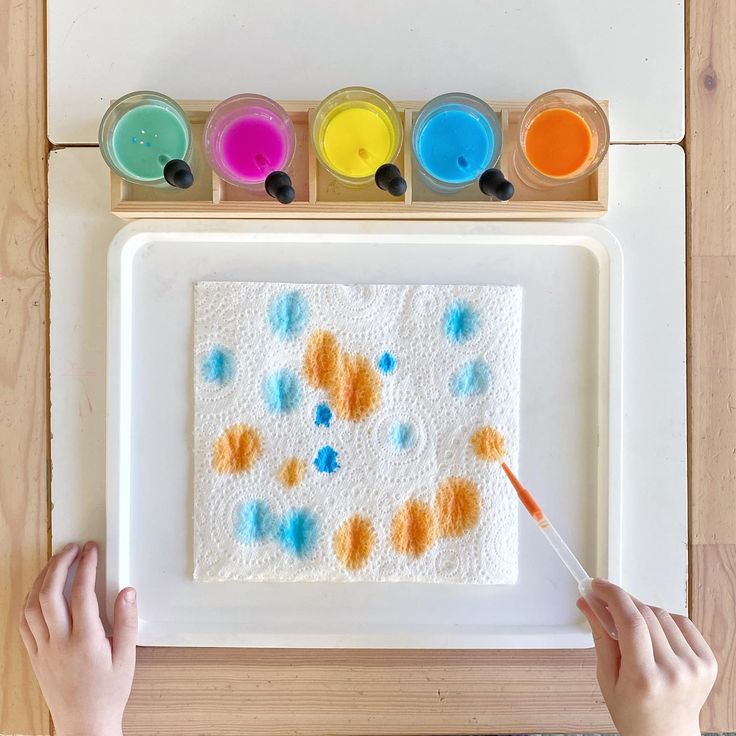
Image Credit: Pinterest
What You Will Need:
- Paper towels
- Washable markers
- Spray bottle
- White paper
Instructions:
- Colour a paper towel with markers.
- Spray lightly with water.
- Place the paper towel on the white paper and press gently.
- Lift to reveal a colourful print.
- Let your child create patterns or rainbows with different colours.
8. Homemade Compass
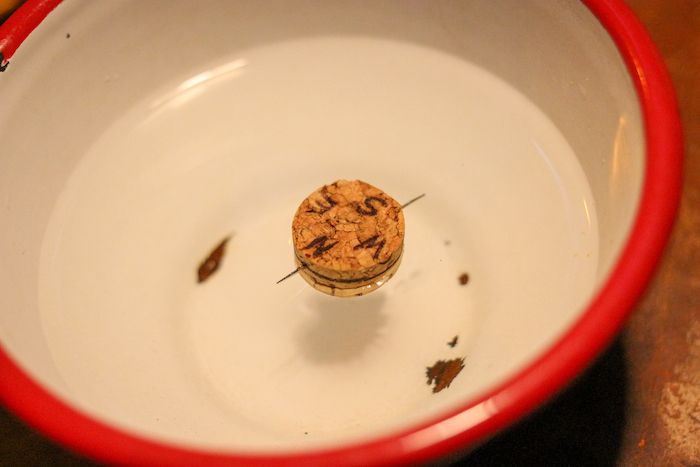
Image Credit: Pinterest
What You Will Need:
- Sewing needle
- Magnet
- Small bowl of water
- Leaf or cork piece
Instructions:
- Rub the magnet along the needle several times in one direction.
- Place the needle on a leaf or cork floating on water.
- Watch it slowly turn to point north-south.
- Use a real compass to check its accuracy.
- Talk about how magnets help with navigation.
9. Nature Scavenger Hunt
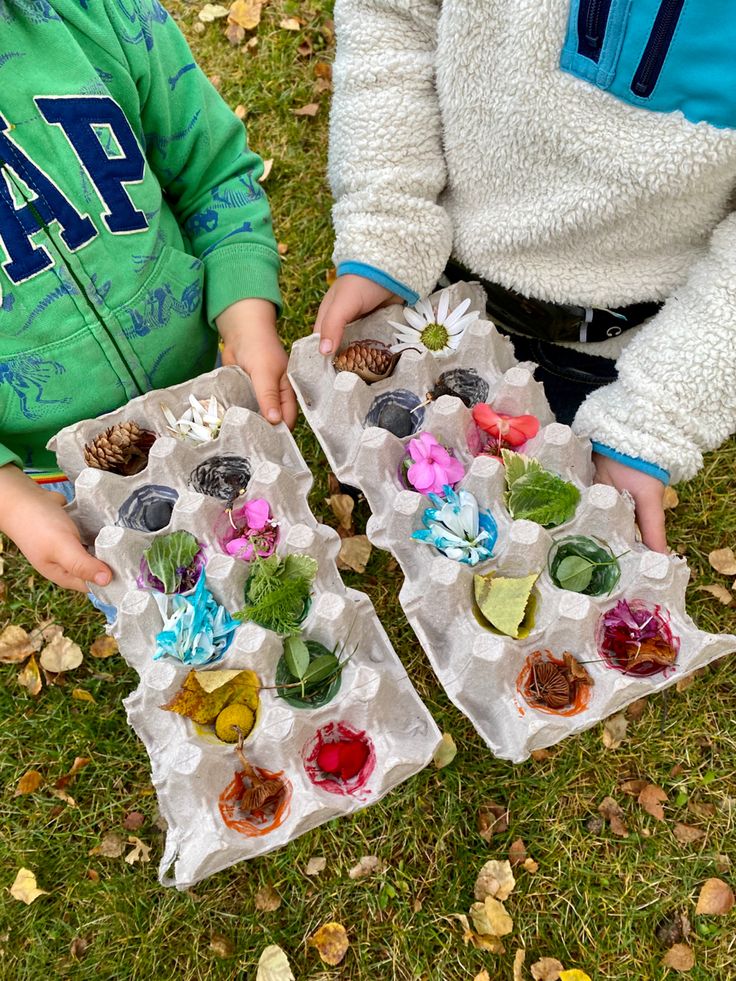
Image Credit: Pinterest
What You Will Need:
- Paper bag or basket
- Checklist (leaf, rock, flower, stick, etc.)
Instructions:
- Make a list of natural items to find outdoors.
- Give your child a bag and a checklist.
- Let them explore safely and collect items.
- Discuss textures, shapes, and colours.
- Sort and display their findings as a mini nature table.
10. Recycled Bottle Bowling
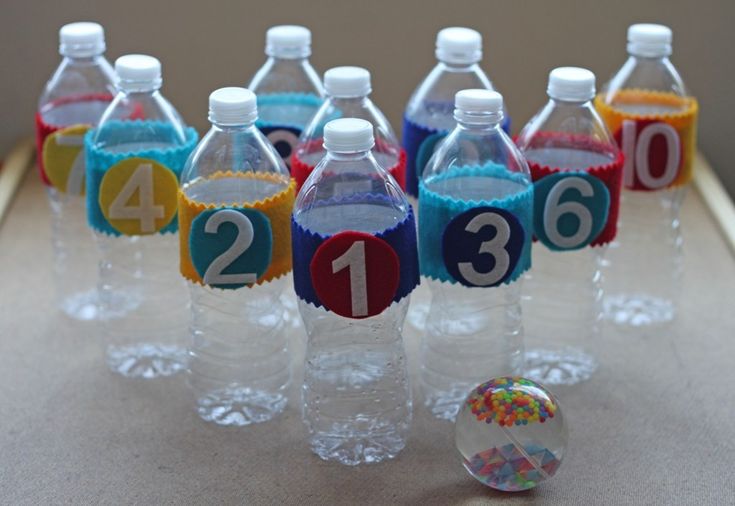
Image Credit: Pinterest
What You Will Need:
- 6 empty plastic bottles
- Ball
- Paint or paper for decoration
Instructions:
- Clean and decorate bottles as bowling pins.
- Arrange them in a triangle shape.
- Use a soft ball to knock them down.
- Count how many pins fall each time.
- Encourage friendly scoring for fun competition.
11. String Telephone
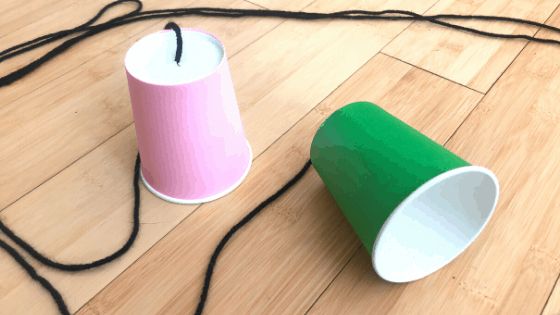
Image Credit: Pinterest
What You Will Need:
- Two paper cups
- String
- Pencil or sharp point
Instructions:
- Poke a hole in the bottom of each cup.
- Thread the string through and tie knots inside.
- Pull the string tight and talk into one cup.
- Listen to the sound waves travel through a string from the other cup.
- Experiment with distance and different materials.
12. Salt Dough Ornaments
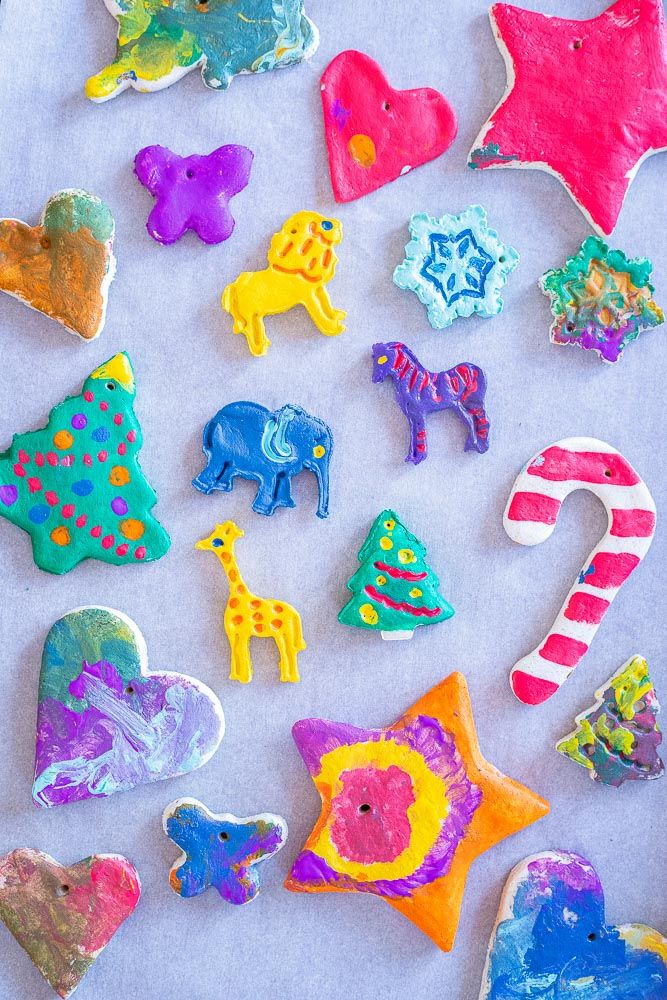
Image Credit: Pinterest
What You Will Need:
- 1 cup flour
- ½ cup salt
- ½ cup water
- Cookie cutters
Instructions:
- Mix flour, salt, and water to make dough.
- Roll it flat and cut shapes.
- Bake at low heat until hard.
- Let it cool, then paint and decorate.
- Hang as keepsakes or gifts.
13. Balloon-Powered Car
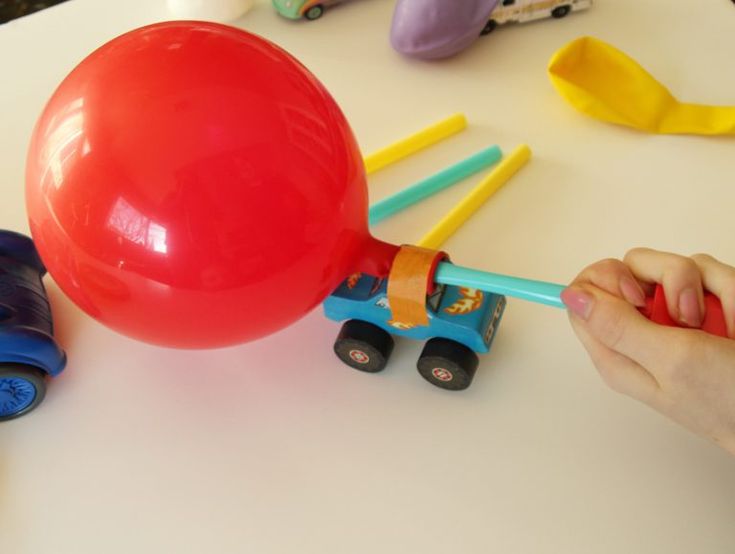
Image Credit: Pinterest
What You Will Need:
- Plastic bottle
- Straws
- Balloon
- Bottle caps (for wheels)
- Tape
Instructions:
- Cut holes for straws and attach wheels.
- Tape a balloon to one straw end.
- Blow the balloon and release it to power the car.
- Test on flat surfaces and adjust balance.
- Talk about air pressure and movement.
14. Ice Excavation Game
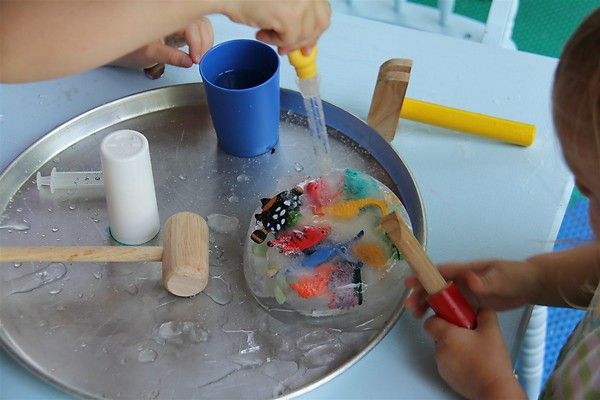
Image Credit: Pinterest
What You Will Need:
- Small toys
- Water
- Container
- Salt and spoons
Instructions:
- Freeze small toys in a container of water.
- Once solid, give kids spoons and salt to “rescue” toys.
- Sprinkle salt to melt ice faster.
- Watch the joy as toys appear.
- Discuss why salt melts ice quickly.
15. DIY Kaleidoscope
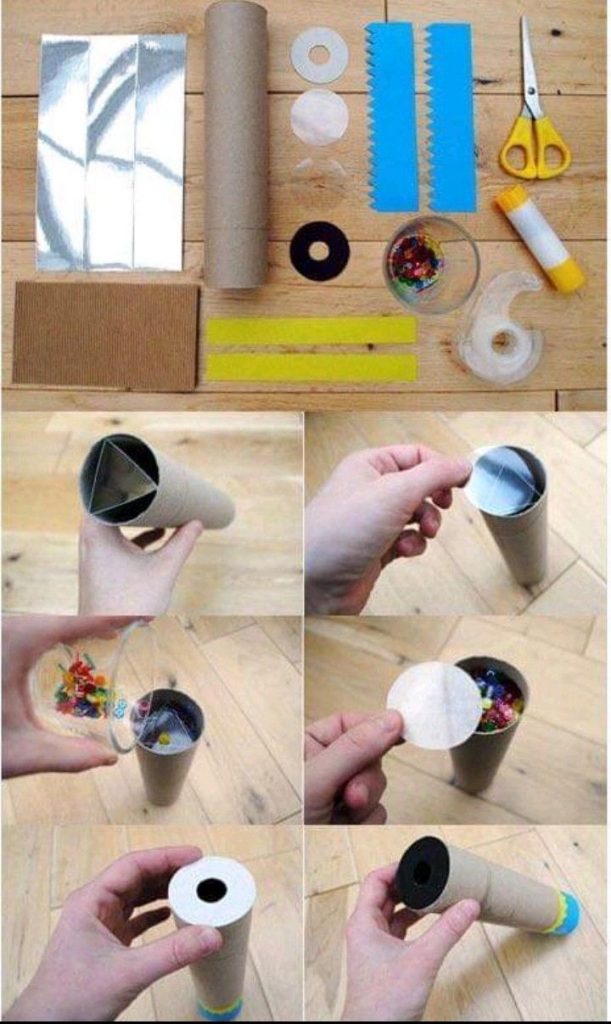
Image Credit: Pinterest
What You Will Need:
- Paper towel roll
- Small mirror pieces or shiny paper
- Transparent plastic
- Beads or sequins
Instructions:
- Line the inside of the roll with shiny paper.
- Cover one end with plastic.
- Add beads or sequins inside.
- Seal and decorate the outer surface.
- Look through and rotate to see colourful reflections.
16. Build a Mini Bridge
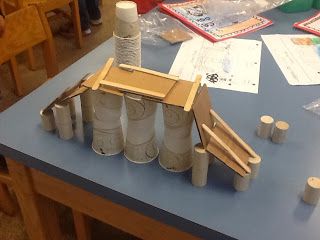
Image Credit: Pinterest
What You Will Need:
- Popsicle sticks
- Glue
- Toy cars
Instructions:
- Design a small bridge layout together.
- Glue sticks in layers for support.
- Let it dry fully.
- Test how many toy cars it can hold.
- Discuss how real bridges are built for strength.
17. Create a Comic Strip
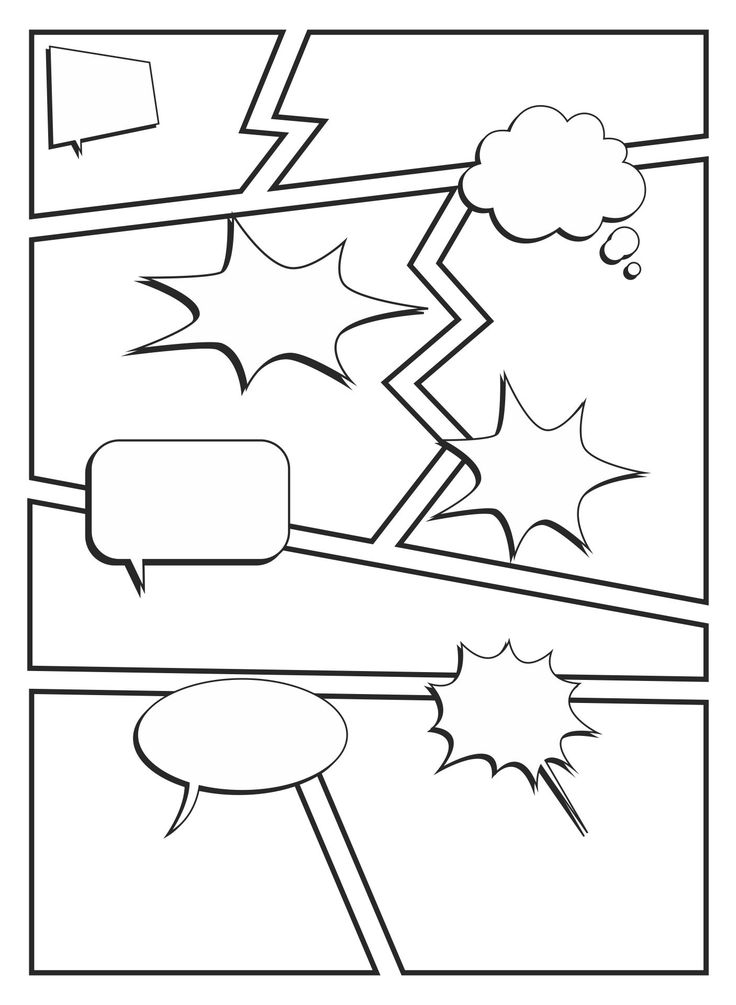
Image Credit: Pinterest
What You Will Need:
- Paper
- Pencil and colours
- Ruler
Instructions:
- Divide the paper into panels using a ruler.
- Draw characters and story scenes.
- Add dialogue bubbles.
- Colour and name the comic.
- Encourage them to write their own sequels.
18. DIY Shadow Puppet Show
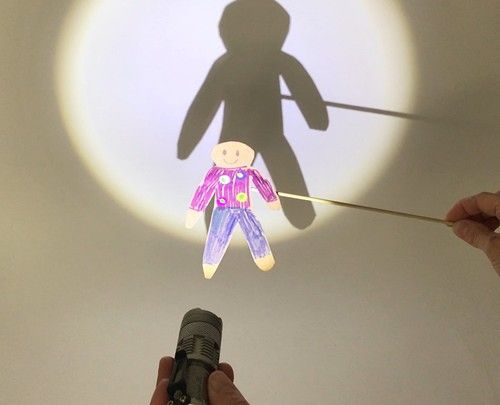
Image Credit: Pinterest
What You Will Need:
- Cardstock
- Sticks
- Flashlight
- Sheet or blank wall
Instructions:
- Cut shapes or animals from cardstock.
- Attach to sticks with tape.
- Turn off the lights and use a flashlight to project shadows.
- Create a story using shadows.
- Record or perform for family fun.
19. Paper Spinner Toy
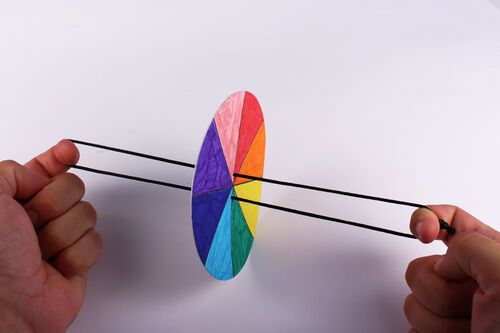
Image Credit: Pinterest
What You Will Need:
- Circle cutout of paper
- String
- Markers
Instructions:
- Decorate both sides of the paper circle.
- Poke two holes in the centre.
- Thread the string and tie the loops at each end.
- Spin fast between fingers to see the designs blur.
- Experiment with colours and speed.
20. Mini Volcano Eruption
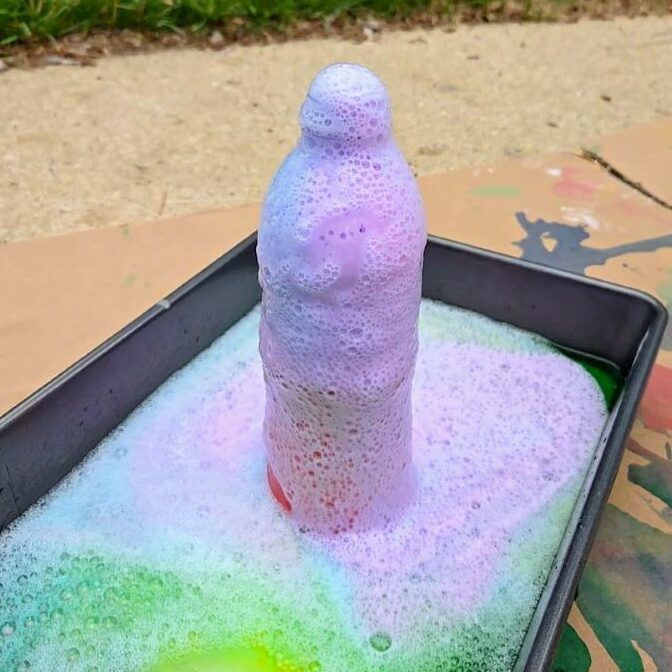
Image Credit: Pinterest
What You Will Need:
- Baking soda
- Vinegar
- Food coloring
- Small cup
Instructions:
- Fill the cup with baking soda and food colouring.
- Pour vinegar slowly.
- Watch the bubbly eruption.
- Try different colour mixes.
- Explain how acids and bases react to form bubbles.
Benefits of Hands-on Activities for Children
Children learn best when they’re actively involved in the process through touching, building, and exploring. These experiences turn abstract ideas into something real and meaningful. Here are some of the most valuable benefits that children gain through hands-on activities for 3rd grade and beyond.
1. Strengthens Critical Thinking and Problem-Solving Skills
When children engage in hands-on learning, they begin to think like young scientists, asking questions, testing ideas, and observing outcomes. Whether they’re figuring out why a paper bridge collapses or how colours mix, they learn to approach challenges logically and creatively. This type of thinking builds the foundation for lifelong learning and innovation.
2. Encourages Creativity and Imagination
Hands-on experiences give children the freedom to express ideas in their own way. Instead of memorising instructions, they get to design, explore, and build something new. A cardboard rocket or a homemade painting becomes a product of imagination, one that boosts confidence and self-expression.
3. Builds Fine Motor Skills and Coordination
Simple activities like cutting paper, pouring liquids, or connecting blocks help refine hand-eye coordination. These small but essential skills improve precision, writing readiness, and even concentration. The more they practice through tactile play, the stronger their coordination becomes.
4. Promotes Teamwork and Communication
Many hands-on projects require working together, sharing ideas, dividing roles, and helping each other. This not only teaches cooperation but also empathy and listening. Children learn that collaboration makes big ideas possible and that every voice in a group matters.
5. Deepens Understanding Through Real Experience
Kids remember what they do far longer than what they hear. When they build, experiment, or explore concepts physically, those lessons stay with them. It’s the difference between reading about gravity and actually watching an apple fall; they grasp the concept because they’ve seen it in action.
6. Boosts Confidence and Independence
Completing a project—no matter how small—gives children a sense of accomplishment. Each success reinforces the idea that they’re capable of learning and solving problems on their own. This growing independence encourages them to take initiative in other areas of life, too.
FAQs
1. How can parents encourage kids to enjoy hands-on activities at home?
The best way is to make it feel like play, not a lesson. Keep materials simple, like paper, colours, or building blocks, and let children take the lead. Ask open-ended questions like What do you think will happen if we mix these? rather than giving instructions. When kids feel free to explore, they become naturally curious and confident learners.
2. Are hands-on science activities suitable for younger children?
Absolutely. Hands-on science activities can be adapted to any age with a few safety adjustments. For younger children, you can try simple experiments like colour mixing, floating and sinking, or making baking soda volcanoes. The goal isn’t perfect results. It’s sparking curiosity and helping them see how the world works in small, exciting ways.
3. How often should hands-on learning be included in a child’s routine?
A little every day makes a big difference. Even 15 to 20 minutes of building, crafting, or experimenting can boost focus and imagination. The key is consistency, not complexity. Blending small, interactive moments with regular study helps kids connect what they learn in books to what they experience in real life.
Preschoolers and young children learn best when their little hands and big imaginations work together. Hands-on learning offers children something deeper than just knowledge: understanding. When kids experiment, build, or create, they connect theoretical lessons to real-world experiences that make learning interesting. These activities nurture patience, problem-solving, and confidence in ways that traditional learning often can’t. From painting and gardening to simple science play, each moment shapes the way children see the world. Parents and teachers don’t need fancy tools; they can do just fine by encouraging curiosity in children and giving them a little time together. So, go ahead, have a fun bonding and learning experience with your children!
Also Read:
Indoor Games for Kids To Play
Fun Learning Activities for Kids
Creative Activities for Kids
Fun Outdoor Activities for Kids
Was This Article Helpful?
Parenting is a huge responsibility, for you as a caregiver, but also for us as a parenting content platform. We understand that and take our responsibility of creating credible content seriously. FirstCry Parenting articles are written and published only after extensive research using factually sound references to deliver quality content that is accurate, validated by experts, and completely reliable. To understand how we go about creating content that is credible, read our editorial policy here.
- Author
 About the Author
Rama Aiyer
Related Articles
-

20 Things to Do in Denver With Kids
-
50+ Super Funny Thanksgiving Jokes For Kids
-
Moana-themed Birthday Party: Invitations, Decorations & Food Ideas
-
Ninja Turtles Coloring Pages - Printable TMNT Pictures to Color
-
Importance of Blocks and Construction Toys for Preschoolers
-
20 Things to Do in New Orleans With Kids






.svg)