


Fenugreek for Breastfeeding: Does It Help Increase Breast Milk Supply?
How fenugreek (methi) may support milk supply, its benefits for breastfeeding mothers, and safe daily use.





Medically Reviewed By
Shyamala Sathiaseelan
(Lactation Educator and Counselor)

Image Credit : AI Generated Image
In this Article
- What Is Fenugreek?
- Fenugreek Nutrition Value
- Is Fenugreek Safe for a Breastfeeding Mother and Her Baby?
- Does Fenugreek Increase Breast Milk Supply?
- How Does Fenugreek Help Increase Breast Milk Production?
- Different Ways to Consume Fenugreek to Increase Breast Milk Supply
- How Soon Does Fenugreek Increase Breast Milk Supply?
- How Long Do You Need to Consume Fenugreek?
- Suggested Fenugreek Dosage
- Other Health Benefits of Fenugreek Seeds
- Side Effects of Fenugreek
- Precautions to Take While Eating Fenugreek to Increase Breast Milk Production
- Does Fenugreek Work for Every Breastfeeding Woman?
- FAQs
View More
The WHO recommends that babies should be fed exclusively with breast milk for the first six months of their lives and that breastfeeding should continue for a minimum of two years (1). Breast milk contains all the necessary nutrients your baby needs for proper growth and development. It also contains antibodies from the mother, which help build the baby’s immunity and resistance to infections. Most mothers can produce sufficient quantities of breast milk. However, some mothers might perceive they do not produce enough milk and opt for foods, such as fenugreek (methi) that are believed to be galactagogues. Fenugreek and lactation have an age-old relationship and have been used for ages. However, before perceiving a low milk supply and taking action for it with fenugreek for nursing, we suggest talking to a lactation expert who can help you find out whether there is an actual low supply which needs a galactagogue. If a mother can’t produce breast milk, there could be a medical reason behind it that has to be dealt with differently, and just having a galactagogue will not help. In this article, we shall discuss the ways and benefits of using fenugreek during breastfeeding.
What Is Fenugreek?
Fenugreek is an herb native to western Asia, India, southern Europe, and the Mediterranean region. Its scientific name is Trigonella foenum-graecum. India is the largest producer of fenugreek in the world. The seeds and leaves of fenugreek are commonly used in many South Asian dishes. Fenurgreek seeds are a rich source of fibre, phospholipids, oleic acid, linolenic acid, linoleic acid, glycolipids, choline, niacin, nicotinic acid, vitamins A, B1, B2, C, and several other functional elements (2). Fenugreek is packed with nutrition and has several health benefits, especially for lactating mothers as a stimulant for milk production during breastfeeding (3).
Let’s take a look at the nutritional value of fenugreek.
Fenugreek Nutrition Value
Fenugreek green leaves contain most of the nutrients essential for nursing mothers, including β-carotene, fibre, calcium, zinc, and iron, more than regular food items. Here’s how much nutrition 100 grams of fenugreek has:
- Energy – 323 kcal
- Carbohydrates – 58.4 grams
- Protein – 23 grams
- Dietary fibre – 24.6 grams
- Fat – 6.41 grams
- Folate – 57 μg
- Niacin – 1.64 mg
- Robiflavin – 0.366 mg
- Thiamin – 0.322 mg
- Vitamin A – 60 IU
- Vitamin C – 3 mg
- Calcium – 176 mg
- Iron – 33.5 mg
- Phosphorus – 296 mg
- Potassium – 770 mg
- Sodium – 67 mg
- Zinc – 2.5 mg
Source – USDA (4)
In the rest of the article, we have addressed some common questions new mothers may have about eating fenugreek while breastfeeding.
Is Fenugreek Safe for a Breastfeeding Mother and Her Baby?
As mentioned earlier, fenugreek can be a healthy addition to a nursing mother’s diet. It is absolutely safe for breastfeeding mothers and their babies. If you are allergic to chickpeas or peanuts, on medication for diabetes or blood thinners, then consulting with your doctor before using fenugreek would be wise (5).

Does Fenugreek Increase Breast Milk Supply?
Is fenugreek good for breastfeeding? Are you thinking of using fenugreek to increase milk supply? These are some questions lactating mothers frequently ask, but are not able to find proper answers for them. Well, perceived low breast milk supply in the initial days of breastfeeding may not be improved by consuming fenugreek. Insufficient breast milk supply due to medical reasons will require other treatments to boost breast milk supply. Fenugreek can, however, be helpful for mothers at a later stage when they have a reduced supply of breast milk because of the application/use of incorrect information about a galactagogue.
A 2011 randomised control study published in the Journal of Alternative and Complementary Medicine, New York, found increased breast milk volume in mothers who received galactagogue tea with fenugreek than the placebo and control groups (6).
How Does Fenugreek Help Increase Breast Milk Production?
Fenugreek contains several flavonoids and vitamins, which are believed to be beneficial for lactating mothers. It also contains phytoestrogen, which is similar to the female hormone oestrogen, which may stimulate the breast milk ducts to grow. Fenugreek also contains a compound called diosgenin, which is said to have estrogenic properties (7). However, only consuming fenugreek while nursing won’t help if the breast milk supply is perceived as low or is dwindling in the later stages of breastfeeding. Having a balanced diet, a healthy lifestyle, and external stimulation of the breasts can help bring about an increase in the breast milk supply as well.
Different Ways to Consume Fenugreek to Increase Breast Milk Supply
Fenugreek use for breastfeeding is considered to be a natural and safe way to boost breast milk production in breastfeeding moms. Remember, moderation is the key. Here are various ways in which you can add fenugreek to your diet:
1. Chewing Seeds
You can swallow raw fenugreek seeds after rinsing them with clean water, or you can soak them for 3 to 4 hours and have them every day. Some also prefer drinking the water the seeds were soaked in.
2. Fenugreek Sprouts
Soak fenugreek seeds in lukewarm water until they soften. Drain the water and keep the seeds in a sieve and in a warm, dark place until they sprout. You can use these sprouts in salads or eat them as they are.
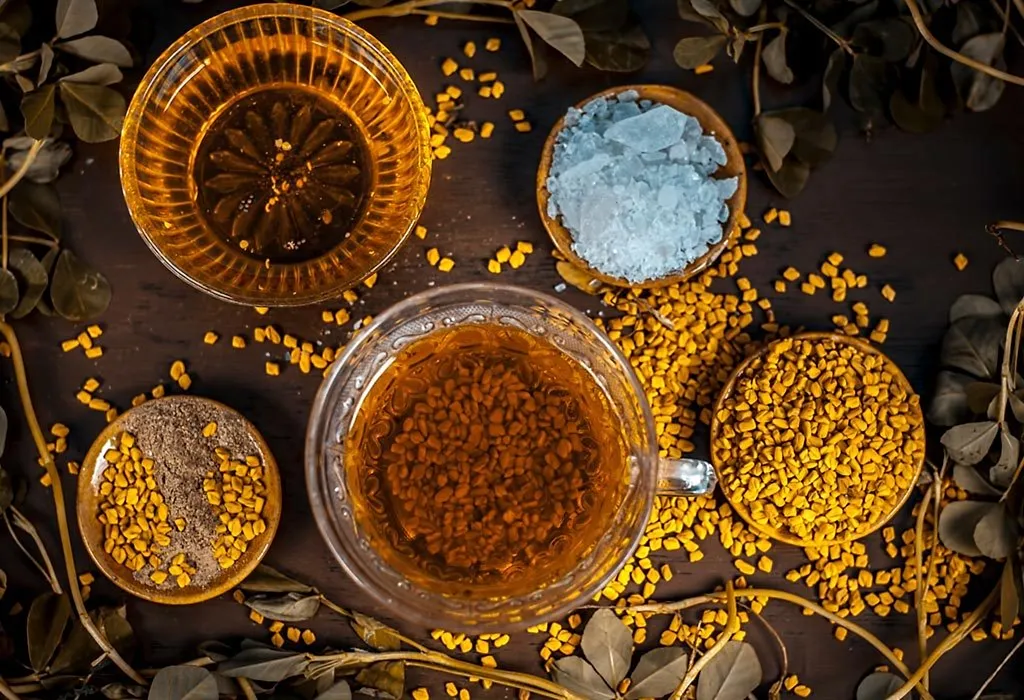
3. Fenugreek Tea
Drinking fenugreek tea for breast milk production helps increase the milk flow in lactating women. To make the tea, add hot water to a teaspoon of seeds and allow it to steep. Drink this with honey. One study showed that drinking herbal tea with fenugreek seeds increased breast milk production in mothers, helping babies gain more weight as well.
4. Powder
Having fenugreek powder for breast milk production is another way of consuming fenugreek to boost lactation. Dry roast a handful of seeds and grind it to make a powder. You can also use this powder to flavour dals and curries.
5. Capsules
Fenugreek capsules for breastfeeding moms are sold in most pharmacies; however, make sure you consult your doctor to determine the correct dosage before you buy any.
6. Fenugreek Rice Porridge
Pressure cook two tablespoons of fenugreek seeds with a cup of rice, water and salt until it turns soft. Consume this porridge to boost breast milk production.
7. Stir-Fried Leaves
Thoroughly wash and de-stem fresh fenugreek leaves. Use them as a herb in stir-fried vegetables. You may also stir-fry just the leaves with traditional mustard seed and onion tempering and consume it as a side dish.
8. Rotis
Fenugreek leaves can be mixed with whole wheat and made into a dough to make rotis or parathas. This is a tasty way to consume fenugreek leaves.
9. Dosas
Fenugreek seeds can be ground along with rice and lentils to make dosa batter. Dosas made from this batter can be a great breakfast recipe for lactating mothers.
10. Curries
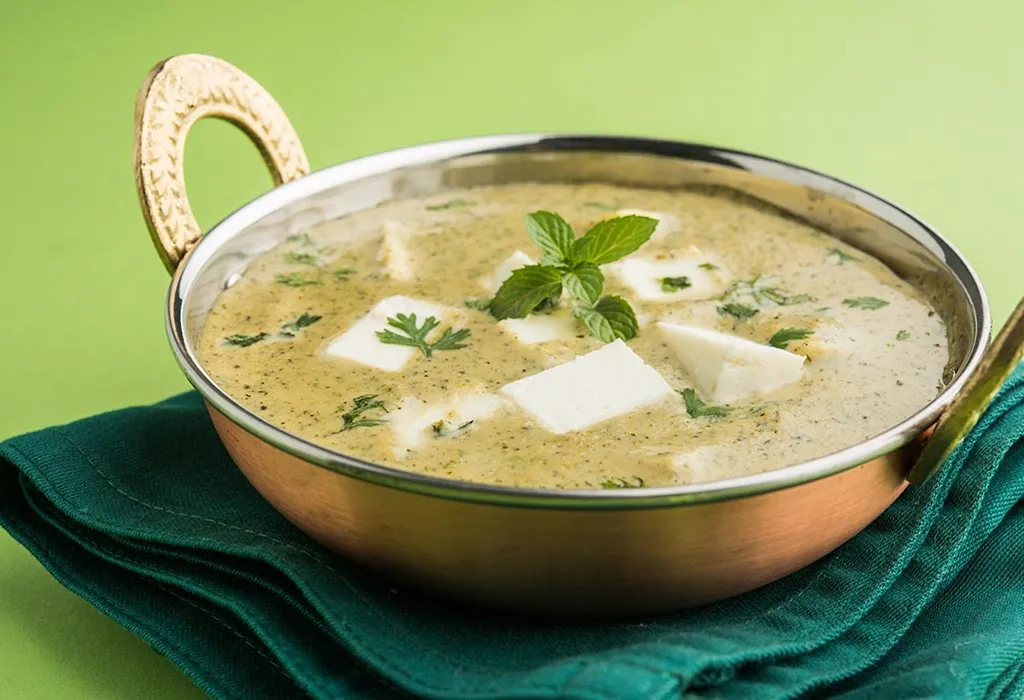
Add fenugreek leaves to sambhar, curries, and dals to make them flavourful and healthy, too.
How Soon Does Fenugreek Increase Breast Milk Supply?
Although not fixed, according to research, many breastfeeding moms find that their breast milk flow increases within 24-72 hours, but only if there is enough breast stimulation (8) (9) (10). Without ample breast stimulation, it will not work.
How Long Do You Need to Consume Fenugreek?
You may stop or reduce the consumption of fenugreek once the breast milk flow has increased to the required level. The flow will be maintained if the baby is fed regularly. It can also be used long-term to increase breast milk supply for mothers who want to pump and store breast milk.
Let’s take a look at the quantity of fenugreek you can consume.
Suggested Fenugreek Dosage
Fenugreek should be consumed in the correct dosage to increase lactation. If you are looking for the right fenugreek dosage for lactation, make sure you ask your dietitian to determine the correct dosage for you.
If you are wondering if fenugreek seeds will only increase lactation in nursing moms, the next section will answer all your questions.
Other Health Benefits of Fenugreek Seeds
For centuries, people have acknowledged the benefits of fenugreek seeds for breastfeeding. Apart from the increased breast milk in nursing mothers, fenugreek has several other health benefits, including anticancer, lactation aid, antibacterial, gastric stimulant, for anorexia, antidiabetic agent, hepatoprotective effect and. Some of them are:
1. Reduces Menstrual Cramps
Fenugreek seeds help in reducing menstrual cramps. Consuming soaked seeds during periods can help reduce pain.
2. Anti-Ageing Properties
Fenugreek contains antioxidants that fight the signs of ageing in the body.
3. Prevents Diabetes
According to a 2015 study published in the Journal of Diabetes and Metabolic Disorders, dietary supplementation of 10g of fenugreek a day in prediabetic people resulted in decreased insulin resistance and lower conversion to diabetes (11).
4. Lowers Fevers
Fenugreek cools the body and can bring down a fever. It is used as a natural medicine to reduce fever.
5. For Sinus Problems
Fenugreek can treat sinus congestion and also soothe sore throats. Gargling with fenugreek tea can soothe throat pain.
6. Lowers Cholesterol
Consuming fenugreek extract can increase good cholesterol (HDL) and lower levels of bad cholesterol (LDL) in the body.
7. Stimulates Appetite
Fenugreek has been found to increase appetite. It has been recommended as a natural appetite stimulant for people with eating disorders like Anorexia nervosa.
8. For Weight Loss
Fenugreek is good for people trying to lose weight. The cholesterol-reducing properties of fenugreek can also reduce abnormal levels of lipids in the body and thus fight obesity.

9. Helps in Digestion and Reduces Inflammation
Fenugreek is known to help in digestion, reduce inflammation, and in combating gastrointestinal issues. It is, therefore, helpful to reduce inflammation in people suffering from mouth ulcers, boils, cough, tuberculosis, tissue infections, kidney problems, and even cancer. Though the herb has shown anti-inflammatory effects in rats and mice, there is no scientific evidence to confirm the behaviour in humans yet.
So, fenugreek seeds and leaves are a healthy addition to your diet and can benefit your baby, too. But you must also know that it could cause some side effects.
Side Effects of Fenugreek
Though fenugreek has a great number of health benefits, excessive consumption can cause problems in both the mother and the baby. Here are a few side effects of fenugreek for nursing moms, and in general, you must know to avoid them (12):
- The mother’s breast milk and urine may smell like maple syrup, but that is highly unusual. This won’t create a problem as such for the mother or the baby, but the information helps avoid surprises.
- Cross-reaction of fenugreek with chickpeas, peanuts, and other legumes is possible. If you are allergic to fenugreek, it is better to avoid it completely and seek an alternative way to boost lactation.
- Diabetics should eat it with caution, as excessive fenugreek consumption can cause blood sugar levels to drop drastically.
- It could cause runny stools in some people. It is not safe for pregnant women as it can trigger uterine contractions and cause a miscarriage or preterm delivery. Eating more than 100g of fenugreek seeds in a day can also give you stomach cramps.
- Some babies may have runny stools, an upset stomach and bloating when the mother starts including fenugreek in her post-pregnancy diet.
Now that you know the side effects, let’s also examine some precautionary measures you must take when eating fenugreek while nursing.
Precautions to Take While Eating Fenugreek to Increase Breast Milk Production
Here are some precautions you need to take while consuming fenugreek to boost the production of breast milk:
- Avoid excessive consumption as it can cause stomach pain or lead to one of the side effects mentioned above, including drop in blood sugar level (12):
- Ensure you are not allergic to fenugreek.
- If you are not allergic, you must still check with your doctor before including it in your post-pregnancy diet.

Does Fenugreek Work for Every Breastfeeding Woman?
Low or insufficient breast milk supply due to medical reasons cannot be treated by consuming fenugreek. Also, breastfeeding moms who perceive a low supply of breast milk, especially in the initial days, may see an improvement just by external stimulation. Low breast milk production in new mothers could be due to various reasons, such as low nutrition, stress, hormonal imbalance, certain medications and improper latching of the newborn baby (13). If these problems are addressed, the breast milk supply could increase without the use of a galactagogue. Having said that, fenugreek can be useful when a mother, at a later stage of breastfeeding, has a reduced supply of breast milk.
FAQs
1. What are the alternatives to boost breast milk supply?
If you are allergic to fenugreek, don’t like the taste of it, or are simply not in favour of consuming it for boosting lactation, there are several alternatives to fenugreek for nursing moms. Fennel seeds, blessed thistle, and palm dates are known for boosting milk supply during breastfeeding.
2. What else can I do to increase the milk supply rather than solely depending on fenugreek?
Experts suggest eating healthily, exercising regularly, keeping yourself hydrated, breastfeeding often from both sides, and pumping between feeds help keep the breast milk supply optimal.
Fenugreek has been used in Asian cultures for ages to improve breast milk production in lactating mothers. Although it can cause the mother’s milk, sweat and urine to smell like maple syrup, and the baby’s too, as the nutrients are passed down to the baby through breastfeeding, it has a great number of health benefits apart from increasing lactation. You can include this ingredient in its natural form to add flavour to your foods and also as the main ingredient. It is highly beneficial for the mother’s and the baby’s health; however, it may not effectively increase breast milk supply. For low breast milk supply due to medical reasons, you must consult a medical practitioner immediately.
Also Read:
Honey during Breastfeeding
Detox Diet While Breastfeeding
Does Flaxseed Affect Breastfeeding?
Caffeine During Breastfeeding
Was This Article Helpful?
Parenting is a huge responsibility, for you as a caregiver, but also for us as a parenting content platform. We understand that and take our responsibility of creating credible content seriously. FirstCry Parenting articles are written and published only after extensive research using factually sound references to deliver quality content that is accurate, validated by experts, and completely reliable. To understand how we go about creating content that is credible, read our editorial policy here.
2. PubMed Central – Fenugreek a multipurpose crop: Potentialities and improvements
4. USDA – Spices, fenugreek seed
5. UT Southwestern Medical Center – How can I use fenugreek to increase my breast milk supply?
9. Sage Journals – Galactogogues: Medications That Induce Lactation
10. Breastfeeding Online – Fenugreek: One Remedy for Low Milk Production
11. PubMed Central – Role of Fenugreek in the prevention of type 2 diabetes mellitus in prediabetes
12. NLM – Fenugreek
- Author
- Expert Reviewer
 About the Author
Mahak Arora

Related Articles
-

All You Need To Know About 6 Week Postpartum Checkup
-

Pregnancy After Tubal Ligation - Is It Possible?
-

How to Deal With Leaky Breasts
-
13 Essential Postnatal Vitamins for Breastfeeding Moms
-

Blood Clots After Birth – Causes, Symptoms, and Treatment
-

Climbing Stairs After C-section - Risks and Precautionary Tips