
Postpartum Eczema – Causes and Tips to Handle It




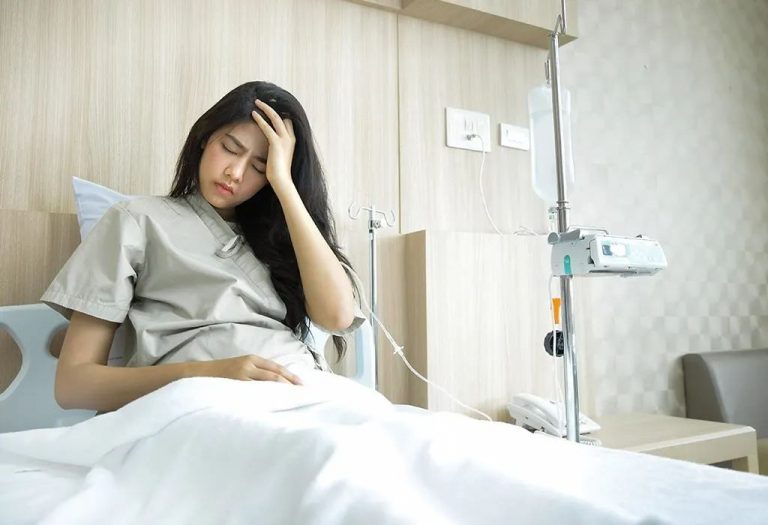
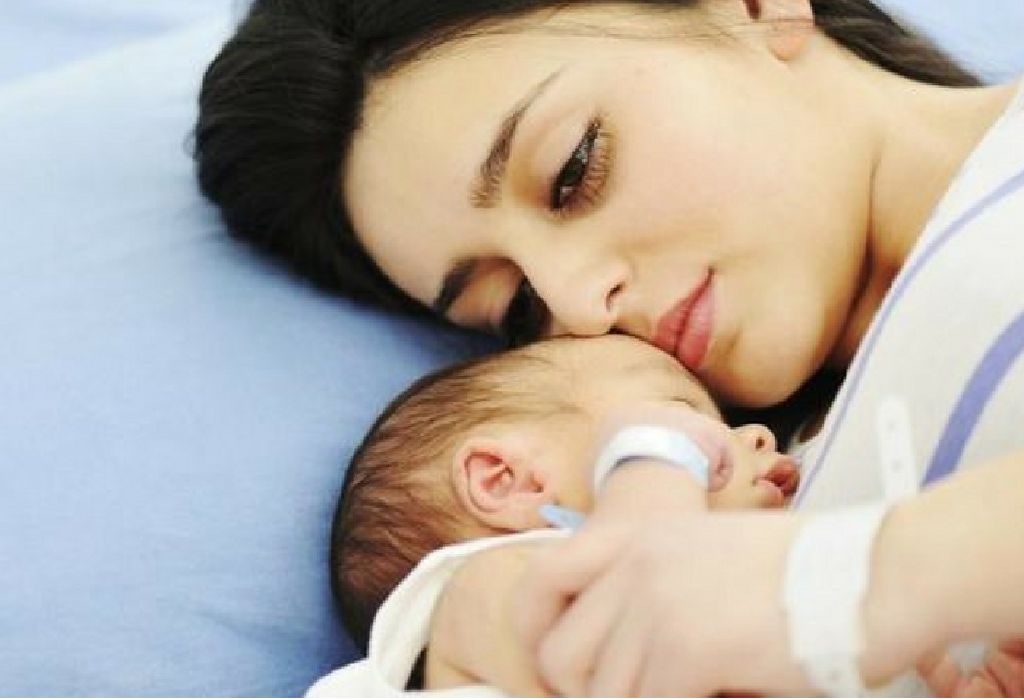
Congratulations! After encountering nine months of body changes and various ups and downs in hormonal levels, you now have a lively bundle of joy in your life. But for some of you, this happiness is still a far-fetched dream owing to the attack of post pregnancy eczema. Because of hormonal and skin changes that took place during your pregnancy, eczema can make a comeback after delivery as well. In this article, we’ll walk you through why this happens and share practical, gentle tips to help you manage postpartum eczema—so you can focus on recovery, comfort, and enjoying this new chapter with your baby.
What Is Postpartum Eczema?
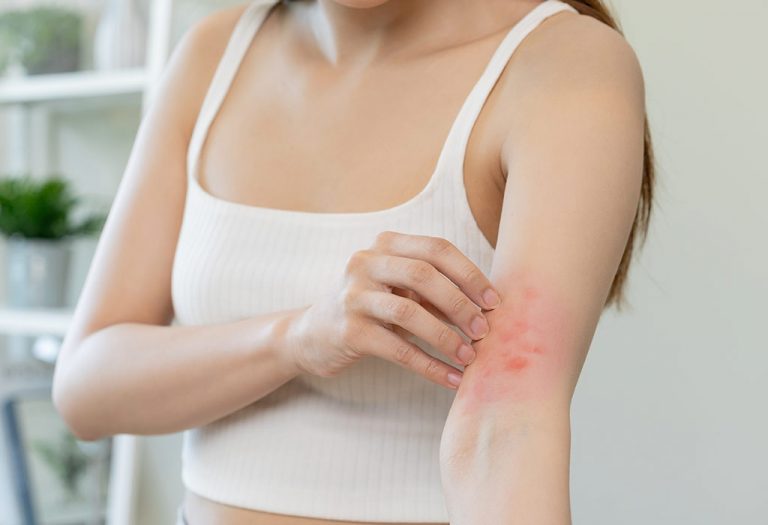
Postpartum eczema is a flare-up or new onset of eczema that occurs after childbirth. It usually appears in the weeks or months following delivery and is marked by dry, itchy, inflamed, and sometimes irritated skin.
It can affect different parts of the body, such as the face, neck, hands, or the folds of the elbows and knees. While it isn’t contagious, it can be uncomfortable and may require proper care to keep symptoms under control (1).
What Causes Eczema After Childbirth?
Pregnancy is the most beautiful time in a woman’s life, but it can also be a tough time for those who have already faced a bout of eczema earlier in their lives. The physical stress of having a baby and the hormonal changes associated with it can contribute to unexpected conditions, like eczema, to flare up. Let’s see in detail the whats and whys of eczema after giving birth:
1. Changes in the Immune System
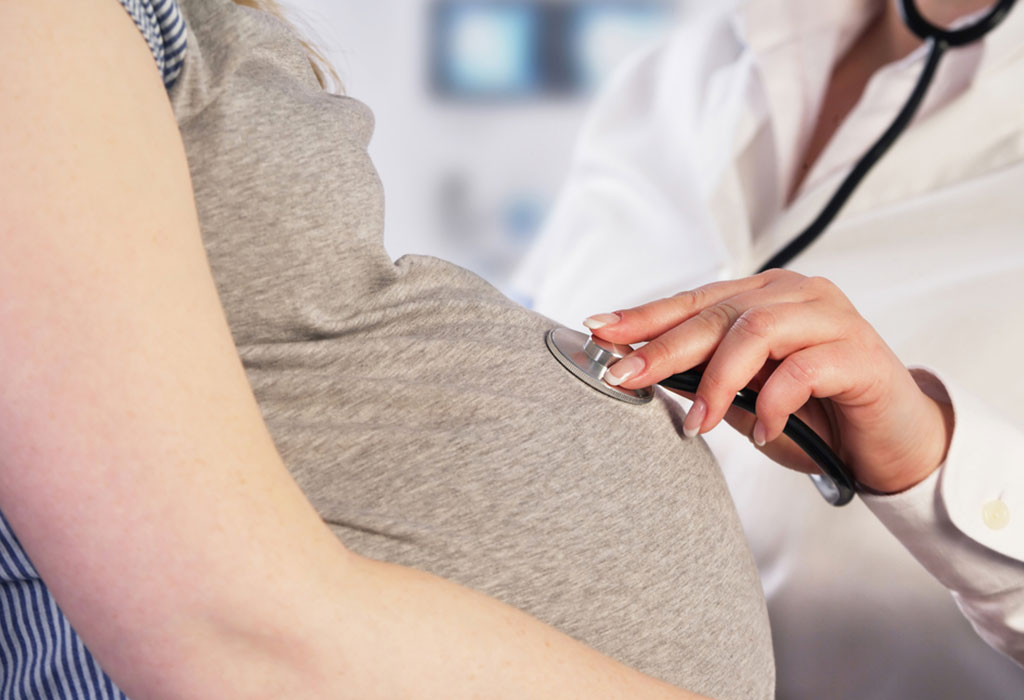
Pregnancy brings a lot of changes in the body and the immune system. The immune system generally becomes weaker to accommodate the baby so that it cannot reject the baby as a foreign object (2). After the delivery, your immune system will start recovering and can, at times, overreact, leading to inflammation of the body and the skin, causing the eczema condition (1).
2. Changes in the Hormones
After your delivery, your body will start figuring out the correct balance of your hormones again (3). Hormonal eczema after pregnancy can cause your skin to get dry, making it itchy and flaky.

3. Stress
Post-pregnancy stress is one of the major reasons for eczema after delivery. Sleep deprivation can increase your anxiety levels which in turn can lead to eczema condition (4).
4. New Allergies
During and after pregnancy, many mothers develop new allergies. A quick allergy test can help you know the triggers to it so that you can avoid them and get relief from eczema.
5. Weakened Skin Barrier
The skin barrier may become more sensitive and less effective at retaining moisture after pregnancy, making it prone to dryness and irritation (5).
6. Exposure to Irritants
Frequent handwashing, baby products, detergents, or soaps can irritate sensitive skin and trigger flare-ups (6).
7. Lack of Sleep
Sleep deprivation can impact your immune system and skin health, making it harder for your body to repair and maintain healthy skin.
How to Deal With Post Pregnancy Eczema?
Eczema can develop after normal delivery as well as after c-section. The most important thing to avoid or contain eczema is to know the possible causes of getting it after delivery. Once you’re aware of these triggers, you can take the right steps to manage it. Here are a few effective postpartum eczema treatment options to help soothe your skin and reduce flare-ups.
1. Environmental Factors
Environmental triggers are the most common reasons that can accelerate eczema after pregnancy. Pet dander, sensitivity to a certain food, lotions, harsh soaps, or even detergent powders could cause your eczema to worsen (4). Staying away or practising caution can be very helpful in controlling this skin condition.
2. Keep Your Skin Moisturised
Avoid using any harsh soaps on your body so that your skin does not dry out. Frequent hand washing should also be avoided as it strips away natural body oils and leaves the skin dry for eczema to develop. Apply moisturiser right after bathing or washing hands to lock in the moisture and prevent eczema (6). Always pat dry the skin instead of rubbing it to avoid triggering facial eczema or anywhere on the body.
3. Apply Aloe Vera Gel
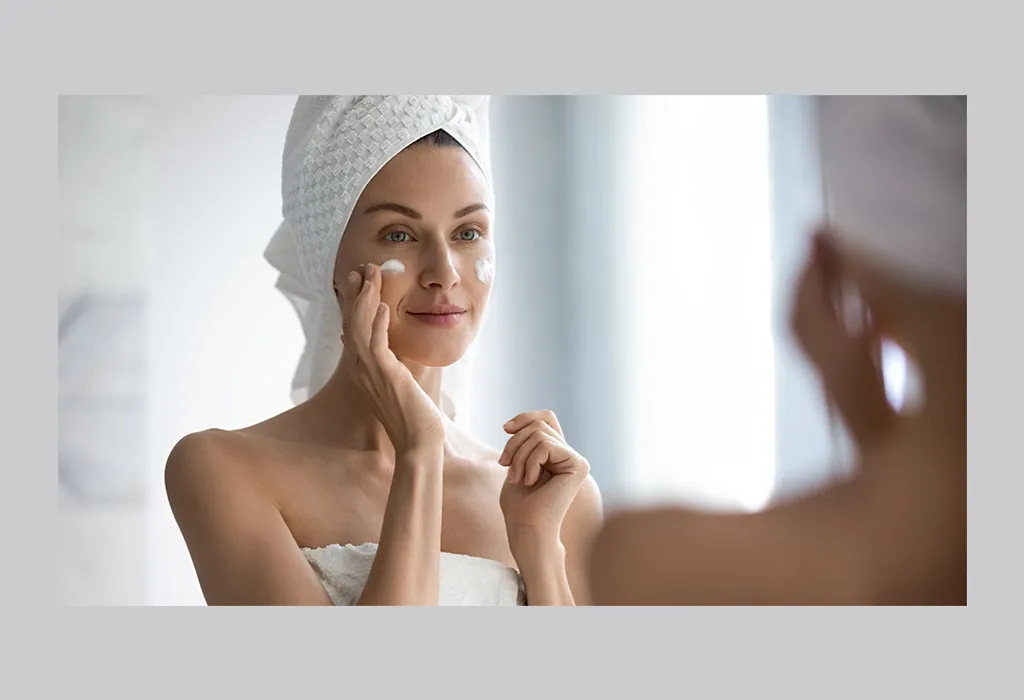
The application of aloe vera gel or calendula can provide relief to the skin affected by eczema (7).
4. Black Currant Oil
Include black currant oil in your diet, approx 500 mg twice daily. It is rich in gamma-linolenic acid which is known to promote healthy growth of hair, skin and nails.
5. Avoid Dairy Products
Dairy is commonly known to flare up eczema. You can try avoiding dairy products and products that have hydrogenated oils and trans-fatty acids to check whether or not it is making any difference.
6. Tepid Baths
To alleviate your symptoms, you can use warm tepid baths, followed by an application of emollients and topical steroids. It is recommended that you consult a doctor before applying topical medicated creams to prevent any potential risk during breastfeeding.
7. Managing Stress
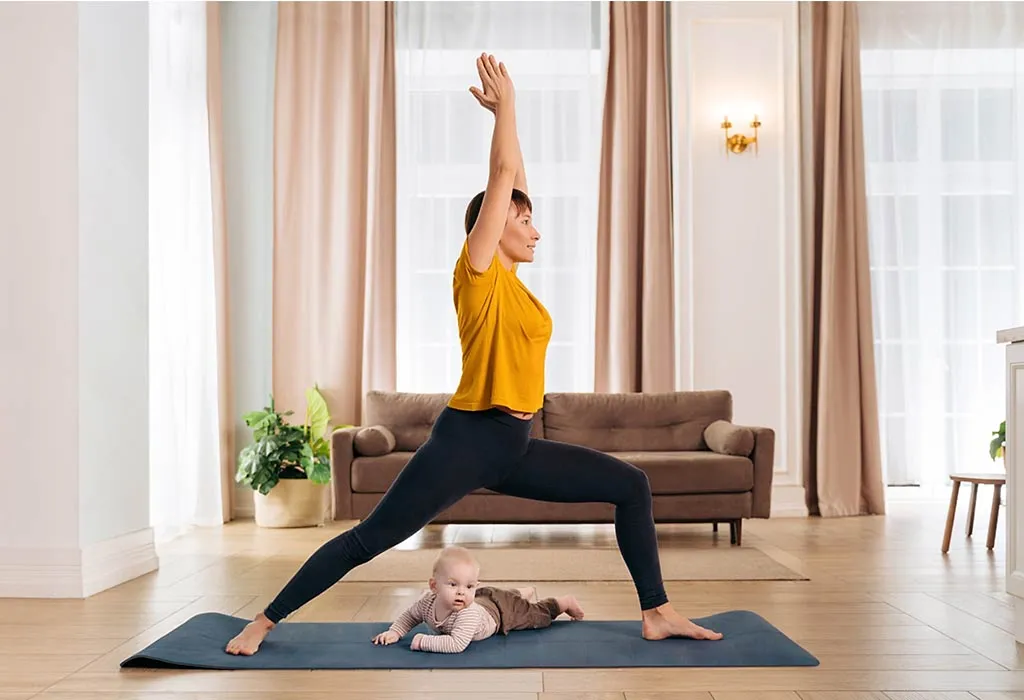
Practising yoga also helps in reducing your stress after delivery, thereby successfully combating eczema attacks.
Can You Breastfeed With Eczema?
The most uncomfortable area where a woman might get eczema is the areola or nipples. Nipple eczema can be an unusual case of eczema, resulted by some food the baby is eating that the mother is intolerant to (8). However, you can surely continue to breastfeed your baby with eczema. With eczema, breastfeeding can only stop if it hurts the mother. Breastfeeding actually helps to prevent other issues like plugged milk ducts and mastitis.
Here are a few tips for breastfeeding when you have eczema (9):
- You can apply an emollient and topical steroid on the affected areas immediately after feeds.
- Take utmost care to wipe off the topical medicines thoroughly from the nipples and areolas before nursing the baby.
- Avoid wearing tight-fitting bras, and wash off any moisture around your breasts with breast pads.
- You can also apply some breastmilk over the affected area. The fat present in breast milk will reduce dryness by retaining moisture in the cracked nipples.
Can Having Eczema Affect the Baby?
Eczema can be hereditary. If you or any of your family members have eczema, allergies, and autoimmune disorders like asthma, then your baby is more likely to be affected by eczema. However, if neither the parents nor the siblings have eczema, asthma, or hay fever, then the chances of the baby developing this condition are slim, like 1 in 10.
One important thing to note here is that there’s no way of knowing for sure whether or not the baby will develop eczema if the parents have had (or not) a history of eczema. Also, there is no clear scientific evidence that could state that any change or control in the lifestyle before conceiving or during pregnancy will prevent eczema.
When to Consult the Doctor?
While postpartum eczema can often be managed with basic care and lifestyle adjustments, certain symptoms may indicate the need for professional guidance. If you notice any of the following signs, it’s best to consult a doctor:
- If your eczema symptoms are severe or spreading rapidly.
- When itching becomes intense and starts interfering with your sleep or daily routine.
- If you notice signs of infection such as redness, swelling, oozing, or pain.
- When over-the-counter creams or home remedies do not provide relief.
- If the condition keeps recurring or does not improve over time.
FAQs
1. How long does postpartum eczema last?
The duration varies from person to person. For some, it may settle within a few weeks, while for others, it can persist for several months depending on skin care and treatment.
2. Is postpartum eczema harmful to the baby?
No, eczema postpartum is not contagious and does not pose any direct risk to your baby. However, managing symptoms is important for your own comfort and well-being.
Eczema sometimes heals on its own. Keep your skin moisturised and try to figure out your eczema triggers to be able to manage them successfully. Focus on getting enough rest and sleep to avoid any stress build-up.
Also Read:
How to Deal with Postpartum Hives?
Ways to Take Care of your Skin after Pregnancy
Pimples after Pregnancy – Reasons, Prevention and Treatment
Was This Article Helpful?
Parenting is a huge responsibility, for you as a caregiver, but also for us as a parenting content platform. We understand that and take our responsibility of creating credible content seriously. FirstCry Parenting articles are written and published only after extensive research using factually sound references to deliver quality content that is accurate, validated by experts, and completely reliable. To understand how we go about creating content that is credible, read our editorial policy here.
2. PubMed Central – The Immune System in Pregnancy: A Unique Complexity
5. The London Dermatology Centre – Postpartum Skin Changes: Dermatological Conditions After Pregnancy
6. UNIVERSITY of NEBRASKA–LINCOLN – Eczema
7. Medanta – How to Use Aloe Vera for Skin and Hair Health
9. National Eczema Association – How to Nurse Your Baby When You Have Eczema on Your Nipples
- Author


Related Articles
-

Postpartum Acne - Causes, Treatment, and Prevention
-
Sex After Birth: How Long to Wait and Precautions
-
Lactating After Baby Loss and Stillbirth
-
HCG Levels After Miscarriage - A Complete Guide
-
Postpartum Sitz Bath - Benefits, How to Take & Tips
-
Headache After C-section - Causes, Symptoms and Treatments