
Eclipse and Pregnancy – Myths, Facts, and Precautions
Understanding eclipse and pregnancy with clear guidance on myths, safety tips, and practical precautions.




Image Credit : AI Generated Image
An eclipse is a natural phenomenon like a sunset and a sunrise. The Earth and its moon are in constant motion. Thus, they are bound to cross over each other at some point. This is why the concept of an eclipse in pregnancy often draws curiosity and concern among expectant parents. Regarding eclipse and pregnancy, the expectant mother is advised to follow stringent guidelines for her and her baby’s health. Some believe that eclipses do not directly affect pregnancy, as the celestial event itself does not impact the biological processes of conception, gestation, or childbirth. However, some cultures and beliefs associate eclipses with spiritual or cultural significance, which may influence the emotional well-being of pregnant individuals. But, on a scientific note, let us pose one question – does an eclipse affect pregnancy? Let’s find out!
What Is an Eclipse?
An eclipse occurs when a star or planet is temporarily obscured, either by passing into the shadow of another astronomical object or having another object pass between it and the viewer (1).
What Is a Lunar Eclipse?
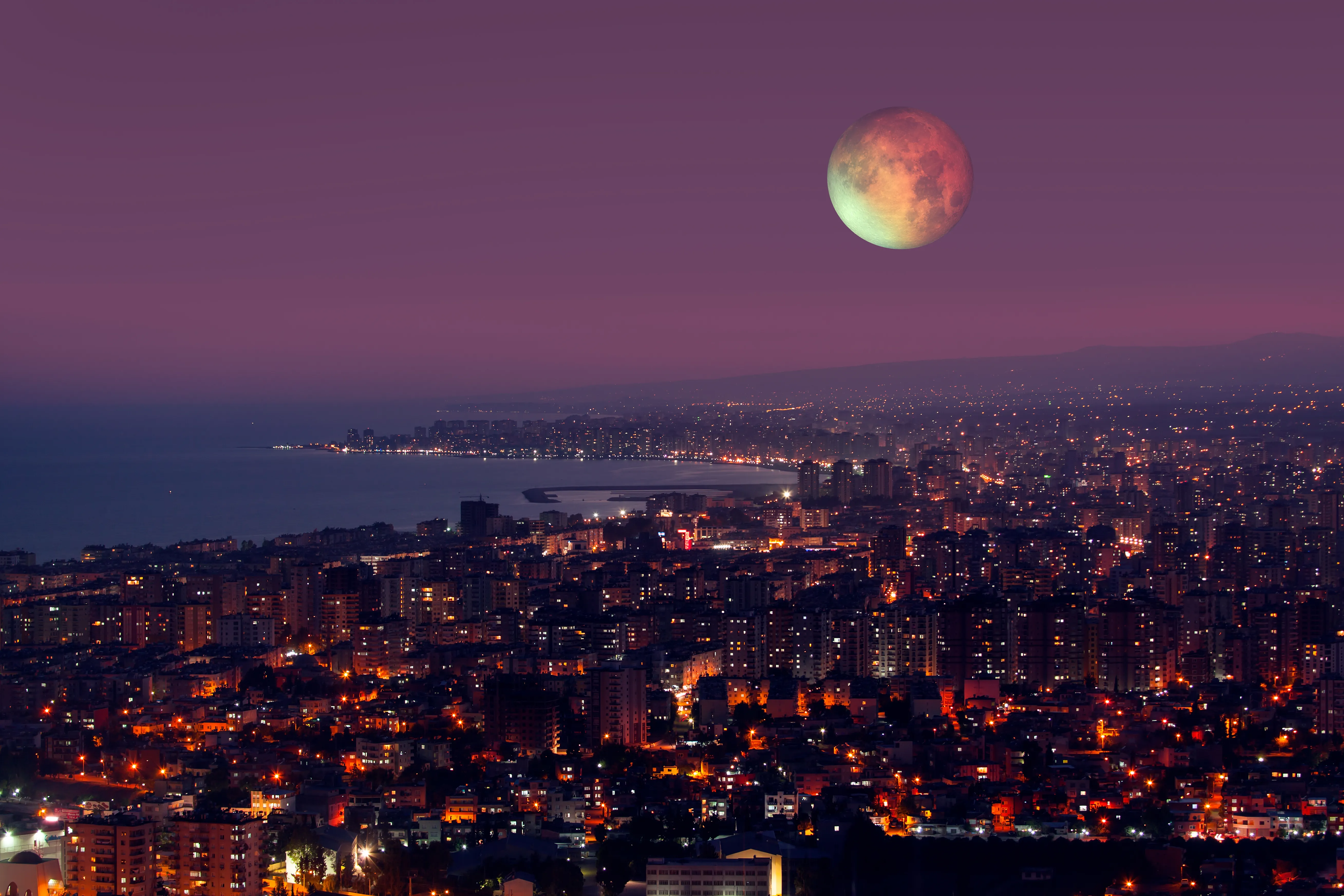
When the earth is in between its moon and the sun, a lunar eclipse occurs. The moon basically passes into the earth’s shadow and appears darkened for the humans viewing it from the earth (2). While a lunar eclipse has no physical effect on human health, the topic of lunar eclipse and pregnancy often arises in cultural discussions, as many traditions attach symbolic or spiritual meanings to the event (3).
Does Lunar Eclipse Affect Pregnancy?
It’s believed that an eclipse has bad effects on pregnant women. However, there is no scientific proof to support this belief (3).
How Age-Old Beliefs Affect Pregnancy
Several age-old beliefs are followed by pregnant women even today. One of them is fasting during the eclipse. If you avoid eating and drinking during an eclipse, it can cause dehydration and have adverse effects on you and your baby (4). This can also increase your blood pressure, affecting your baby’s health.
Fasting can also give rise to symptoms such as:
- Dizzy spells
- Severe headache
- Fainting
- Acidity
These symptoms can persist longer and affect the mother and the baby’s health more, in which case you must consult a doctor immediately.
What Is a Solar Eclipse?
When the Earth’s moon comes in between it and the sun, it’s called a solar eclipse. Solar eclipses cast a shadow on the earth (5). Throughout history, solar eclipse and pregnancy have been surrounded by cultural beliefs, with some traditions suggesting precautions for expectant mothers.

Does Solar Eclipse Affect Pregnancy?
It’s believed that gazing at the sky during an eclipse can cause miscarriage or deformities. However, there are no studies that support this.
Since eclipses are natural, it is important for us to make the difference between myths and facts. Let’s check out some of them.
Myth Vs Fact
We do the myth-busting for you and tell you the facts here:
1. Myth: Stay Indoors and Don’t Look at the Sun
Fact: Turns out, the elders were right with this one! Pregnant women shouldn’t look at an eclipse with naked eyes because (6) (7):
- The sun’s radiation during an eclipse is harmful.
- It can affect the exposure that your retina will have to the intense visible light of the sun.
- This can cause retinal burns and damage to the light-sensitive rods and cone cells.
2. Myth: Don’t Cook, Eat or Drink During an Eclipse
Fact: The sun rays can’t reach the Earth during an eclipse, causing a drop in the temperature. This causes bacteria, microbes, and harmful germs to multiply. This would hold true in the olden days when there were no stoves/microwaves/refrigerators, but now, it can be ignored.
Precautions You Should Take During an Eclipse
If you’re pregnant and there is an upcoming eclipse, taking certain precautions can help ensure your well-being and peace of mind during this celestial event. While eclipses do not directly impact pregnancy, addressing any potential concerns and following some guidelines to prioritise your health is important. Here are a few precautions during solar and lunar eclipse for pregnant ladies:
- Seek expert advice.
- Avoid direct viewing at the eclipse (7).
- Protect yourself from excessive heat.
- Minimise stress and anxiety.
- Create a calm environment.
FAQs
1. What to wear during a lunar eclipse when pregnant?
During a lunar eclipse, there is no specific attire that pregnant women need to wear. However, it is advisable to wear comfortable clothing that allows freedom of movement and keeps you at a suitable temperature. Opt for loose-fitting garments made from breathable fabrics to ensure comfort throughout the event. Additionally, if you plan to observe the lunar eclipse outdoors, consider wearing a light jacket or shawl to protect yourself from cool temperatures. It is popularly believed in some cultures that wearing a safety pin or necklace during an eclipse could harm the pregnancy (4) (8).
2. Can pregnant women work during lunar eclipse?
There are generally no restrictions on pregnant women working during a lunar eclipse, as the event does not pose any direct physical risks (4). However, if you have concerns about the eclipse or your overall well-being, discussing them with your healthcare provider is advisable. They can provide personalised guidance based on your circumstances, including any potential impact on your work routine. It is important to prioritise your comfort and mental well-being and adjust your work environment or tasks during this time.
3. Are there any benefits of an eclipse for pregnant women?
There are no specific health benefits related to eclipses during pregnancy. However, some people enjoy the calming or awe-inspiring experience of witnessing a celestial event, which may support positive emotional well-being if the individual feels comfortable.
Neither solar eclipse nor lunar eclipse has any effect on pregnancy. While protecting your eyes from radiation is the only myth proven by science, there is nothing else you need to worry about. However, there are many expectant mothers who don’t mind following the generation-old beliefs and customs, and there is no harm in doing so, as long as there and their little ones’ health is not compromised.
Also Read:
Climbing Stairs in Pregnancy
Lightning Crotch when Pregnant
Watching Horror Movies during Pregnancy
Travelling By Bus During Pregnancy
Was This Article Helpful?
Parenting is a huge responsibility, for you as a caregiver, but also for us as a parenting content platform. We understand that and take our responsibility of creating credible content seriously. FirstCry Parenting articles are written and published only after extensive research using factually sound references to deliver quality content that is accurate, validated by experts, and completely reliable. To understand how we go about creating content that is credible, read our editorial policy here.
3. Dr. D. Y. Patil College of Nursing – Pregnancy and Lunar Eclipse: Myths, Facts, and Safety Tips
4. Aster Hospitals – Debunking myths of the lunar eclipse and its effects on pregnancy
5. NASA – Types of Solar Eclipses
6. The Art of Living – Solar Eclipse & Pregnant Women: Let’s Debunk Some Myths
- Author
 About the Author
Aparna
Related Articles
-

Are Ultrasound (Sonography) Scans Safe During Pregnancy?
-
Under The Sea Themed Baby Shower Celebration Ideas
-
17 Effective Home Remedies for Swollen Feet During Pregnancy
-
Malnourishment During Pregnancy - Risks for Mother and Baby
-
Using Fake Nails During Pregnancy – Is It Safe?
-
Is It Safe to Use Baking Soda While Pregnant?