
Jujube (Ber) Fruit in Pregnancy – Benefits, Side Effects, and Recipes
Find out whether jujube (ber) fruit is safe in pregnancy, its nutritional value and health benefits for expectant mothers.





Medically Reviewed By
Dr. Archana Dhawan Bajaj
(Gynecologist/Obstetrician)


Image Credit : AI Generated Image
There’s something about wild fruits and flowers that takes us back to our childhood, and one of the most beloved fruits for many of us since our early days is the jujube berries or ber (which is called in Hindi). While jujube has different names in different languages, the emotion is the same. It’s sweet, tart, soft, and fragrant, and super fun to eat anytime you get it. But what about jujube fruit during pregnancy, and is it safe for the baby? Can you eat ber in pregnancy? If you are a die-hard ber fan like us, you would definitely want to know whether jujube fruit for pregnancy is a safe choice or not. Let’s learn everything about jujube berries in pregnancy, everything from the benefits to who can and who cannot consume jujube berries.
What Is Jujube?
Jujube, also known as Chinese date, red date, or Korean date, is a small, sweet, wrinkly pear fruit that grows on the jujube tree (Ziziphus jujuba). The texture is similar to that of an apple. The jujube fruit is native to Southern Asia but is now widely cultivated in many parts of the world, including the Middle East, Africa, Europe, and North America.
The fruit is small, round, and has wrinkled, reddish-brown skin enclosing sweet, white or yellow flesh. Jujubes are rich in nutrients, including vitamin C, potassium, fibre, and antioxidants. They are also used in traditional medicine to treat various ailments, including anxiety, insomnia, and digestive problems (1).
Jujubes can be consumed fresh, dried, or as a juice and are commonly used in desserts, teas, and other culinary applications. The dried fruit has a chewy texture and a sweet, tangy flavour similar to dates.
Is Jujube Good for Pregnancy?
Is ber fruit good during pregnancy? The answer is yes, pregnant women can eat jujube fruit in moderation. Jujube fruit is generally considered safe and can provide a range of beneficial nutrients for the mother and the developing fetus. Jujubes are a good source of vitamin C, potassium, fibre, and antioxidants, which help support the immune system, regulate blood pressure, and promote healthy digestion. So, that’s a yes to the combination of jujube and pregnancy!
However, pregnant women should consume jujube fruit in moderation and avoid consuming excessive amounts. Like all fruits, jujube contains natural sugars, and overconsumption can increase blood sugar levels, harming both the mother and the fetus, especially in women with gestational diabetes.
It is also important to wash the jujube fruit thoroughly before consumption to remove any dirt or contaminants. If you have any concerns or medical conditions, it is always best to consult your healthcare provider before consuming jujube fruit or any other dietary supplements.
Nutritional Facts of Jujube Fruit
The tiny berries that resemble the jujube fruit are rich in a wide variety of nutrients, right from vitamins to multiple minerals. A bare 28g of jujube fruits tends to have a nutritional distribution as described below.
| Nutrient | Amount |
| Water | 77.9 g |
| Energy | 79 kcal |
| Fat | 0.2 g |
| Protein | 1.2 g |
| Carbohydrates | 20.2 g |
| Vitamin C | 69 mg |
| Vitamin A | 40 IU |
| Niacin | 0.9 mg |
| Calcium | 21 mg |
| Iron | 0.48 mg |
| Zinc | 0.05 mg |
| Sodium | 3 mg |
| Potassium | 250 mg |
| Phosphorous | 23 mg |
| Magnesium | 10 mg |
Source: USDA (2)
Health Benefits of Eating Ber Fruit During Pregnancy
Consumption of jujube fruit in pregnancy can provide many health benefits to the pregnant mother. Some of these are also beneficial for the baby, offering a double advantage. Here’s a quick look at jujube benefits in pregnancy:
- Vitamin C in 100 grams of jujube fruit is 69 mg, which is close to the daily requirement of vitamin C for pregnant women, which is about 89 mg, the Recommended Dietary Allowance (RDA) (3). Vitamin C helps prevent pregnancy complications, such as maternal anaemia, pre-eclampsia, and intrauterine growth restriction (4).
- The hair growth gets a boost, and the texture becomes smoother and thicker.
- Any presence of dry skin or eczema is combated effectively by eating jujube berries.
- Regular consumption has shown conclusive signs of fighting viruses and other infections.
- Jujube is a popular fruit in preventing and treating anaemia (5).
- It also helps protect the brain’s cells from damage and supports the development of various cognitive functions (6).
How to Consume Jujube Fruit While Pregnant?
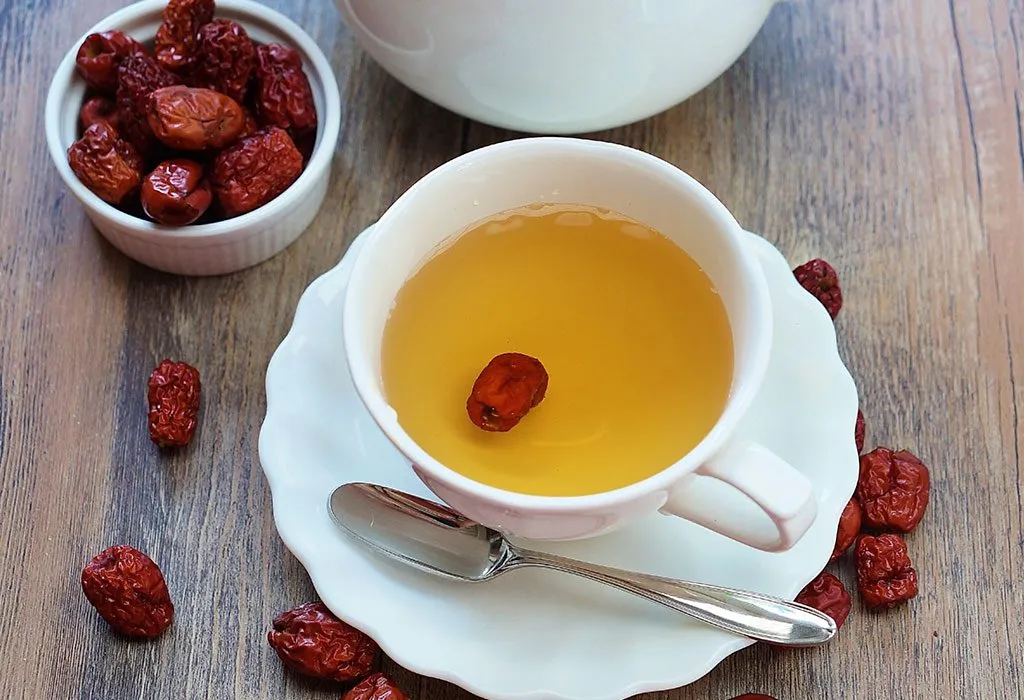
Jujube fruit can be consumed in solid form or even as a juice by preparing it properly. However, before consuming it during pregnancy, you should unpeel its outer covering as the fruit’s peel is not easily digestible and generally stays in the intestine if consumed. Therefore, during pregnancy, it is recommended to peel the fruit. But the peel is rich in nutrients, so it can be separated and cooked in a stew to obtain nutrients from it.
Eating jujube fruits during pregnancy can benefit a pregnant woman; however, it should not be overconsumed. Eating more than 20-25 berries in a single go can impact your body’s digestive system in unintended ways. It can also lead to constipation, which may worsen if the fruit’s peel is swallowed too. Women can also feel excessively bloated and suffer from hyperacidity after eating too many jujube berries in a single serving.
Pregnant women should take extreme precautions and eat only fresh jujube berries. These berries tend to rot once exposed to the air and the microbes for a long time. The rotting action results in the formation of acids and various substances, such as methanol. If these are consumed by accident, the reactions on the body can range from mild ones, such as dizziness and imbalance, to even extremely toxic reactions, which could be fatal to the foetus and the mother.
Are There Any Side Effects of Eating Excessive Jujube Fruit While Pregnant?
There are no major side effects of eating jujube fruit during pregnancy if the fruit is fresh and is consumed in moderate quantities. But the fact that it has several nutrients in good quantities can be detrimental to the body if eaten in excess.
Iron, phosphorus, and calcium are essential minerals for the body’s growth and the fetus. But if their levels are increased beyond normal, the overdose could cause major side effects ranging from insomnia to frequent muscle cramps and even a boost in the mother’s blood pressure. These muscle cramps can even affect the chest and cause a heart attack in rare cases. Similarly, the texture of the fruit itself could result in constipation in many women. Some incidents have reported increased lethargy and fatigue after eating too many berries.
Indian jujube during pregnancy has its share of benefits for the pregnant woman and the developing foetus. However, consuming it in moderation is the perfect way to obtain its benefits without risks.
Who Can’t Consume the Ber Fruit When Pregnant?
Ber fruit, also known as Indian jujube, is a small, sweet fruit commonly consumed in many parts of the world, particularly in Asia and the Middle East. While ber fruit is generally considered safe for consumption during pregnancy, some individuals may need to exercise caution or avoid consuming the fruit altogether.
- Individuals with diabetes: Ber fruit is naturally high in sugars, and excessive amounts can rapidly increase blood sugar levels. Therefore, individuals with diabetes or gestational diabetes should consume ber fruit in moderation and under the guidance of a healthcare provider.
- Individuals with allergies: Some individuals may be allergic to the ber fruit or its components, and may experience allergic reactions ranging from mild to severe. If you have a history of allergies, it is best to consult your healthcare provider before consuming ber fruit.
- Individuals with gastrointestinal issues: Ber fruit has a high fibre content, which can cause digestive discomfort in some individuals, particularly those with irritable bowel syndrome (IBS) or other gastrointestinal issues. Avoiding or limiting its consumption is best if you experience digestive discomfort after consuming ber fruit.
- Individuals with certain medical conditions: Ber fruit may interact with certain medications or exacerbate certain medical conditions, such as liver or kidney disease. Therefore, individuals with these conditions should consult with their healthcare provider before consuming ber fruit.
As with all dietary supplements, it is always best to consult with your healthcare provider before consuming ber fruit or any other food during pregnancy.
How to Choose and Store Jujube Fruit?
Jujube fruit, or Chinese red dates or Korean dates, are small, red or brown fruits with a sweet, apple-like flavour. They are rich in vitamin C, antioxidants, and fibre, and are commonly used in traditional Chinese medicine to promote relaxation and improve digestion. Here are some tips on choosing and storing jujube fruit:
1. How to Choose
- Choose ripe fruit: Jujubes should be plump, firm, and slightly wrinkled. The skin should be shiny and smooth, without any soft spots or blemishes.
- Look for fresh fruit: Jujubes should have a sweet, slightly tangy aroma. If they smell musty or sour, they may be past their prime.
- Check the colour: Jujubes can be red or brown depending on the variety. Choose fruit that is uniformly coloured, without any green patches.
2. How to Store
- Store jujubes in the refrigerator: Fresh jujubes can be stored in the refrigerator for up to two weeks. Place them in a plastic bag or an airtight container in the crisper drawer.
- Freeze jujubes for longer storage: Jujubes can be frozen for up to six months. Wash and dry the fruit, remove the pit, and store them in an airtight container or freezer bag.
- Dried jujubes: If you prefer dried jujubes, look for plump and slightly sticky ones. Store them in an airtight container at room temperature for up to six months.
Simple Jujube Fruit Recipes for Pregnant Women
Here are three simple jujube fruit recipes for pregnant women
1. Jujube and Ginger Tea
Ingredients
- 4 cups water
- 5-6 jujube fruits, pitted and sliced
- 2-3 slices fresh ginger
Directions
- In a pot, bring the water to a boil.
- Add the jujube fruits and ginger slices, and reduce the heat to low.
- Simmer for 15-20 minutes or until the liquid is reduced by half.
- Strain the tea and discard the solids.
- Serve hot or chilled.
Benefits: This tea can help alleviate morning sickness, promote digestion, and boost the immune system.
2. Jujube and Walnut Milk
Ingredients
- 1 cup walnuts, soaked overnight
- 4 cups water
- 5-6 jujube fruits, pitted and sliced
- 1 tablespoon honey (optional)
Directions
- Drain the soaked walnuts and blend them with water until smooth.
- Strain the mixture through a fine-mesh sieve or cheesecloth.
- In a pot, bring the walnut milk to a boil.
- Add the jujube fruits and reduce the heat to low.
- Simmer for 10-15 minutes or until the jujubes are soft and tender.
- Add honey, if desired, and stir until dissolved.
- Serve hot or chilled.
Benefits: This milk is rich in omega-3 fatty acids, protein, and antioxidants and can help improve brain function and boost energy levels.
3. Jujube and Banana Smoothie
Ingredients
- 1 ripe banana
- 5-6 jujube fruits, pitted and sliced
- 1 cup almond milk
- 1 tablespoon honey (optional)
Directions
- In a blender, combine the banana, jujube fruits, almond milk, and honey, if desired.
- Blend until smooth and creamy.
- Serve immediately.
Benefits: This smoothie is a quick and easy way to get a dose of vitamins, minerals, and fibre, which can help regulate blood sugar levels and improve digestion.
Enjoy these delicious and nutritious jujube fruit recipes during your pregnancy!
Precautions to Take While Eating Jujube When Pregnant
Here are some precautions to take while eating jujube when pregnant:
- Wash the fruit thoroughly: Before consuming jujube, it is important to wash them thoroughly with water to remove any dirt, bacteria or pesticides that may be present on the skin.
- Eat in moderation: Jujube is a healthy and nutritious fruit that should be consumed during pregnancy. Eating too much jujube can lead to indigestion, diarrhoea or other gastrointestinal problems.
- Avoid unripe or spoiled jujube: It is important to avoid eating unripe or spoiled jujube during pregnancy as they can cause stomach upset, diarrhoea or food poisoning.
- Consult your doctor: If you have concerns about eating jujube or any other food during pregnancy, it is always best to consult your doctor or a registered dietician. They can provide personalised advice based on your needs and health conditions.
By taking these precautions, you can safely enjoy the nutritional benefits of jujube during pregnancy.
FAQs
1. Is jujube the same as dates?
Jujube and dates are similar in taste and texture, but not the same fruit. Jujube fruit, also known as Chinese red dates or Korean dates, is smaller and has reddish-brown skin. Dates are larger and have dark brown skin. Jujube fruit is also known for its medicinal properties and is commonly used in traditional Chinese medicine, whereas dates are a popular sweet treat and are often used in desserts.
2. Can consuming jujubes help you gain weight while pregnant?
Jujube fruit is a healthy and nutritious food that can be beneficial during pregnancy. However, consuming jujube alone may not be sufficient for weight gain. Weight gain during pregnancy is important for the healthy growth and development of the fetus, and it is recommended that pregnant women consume a balanced diet that includes a variety of foods from different food groups. While jujube can provide some essential nutrients, such as fibre and vitamin C, consuming various other healthy foods is important to support healthy weight gain during pregnancy.
3. Can eating jujubes increase a baby’s immunity during pregnancy?
Jujube fruit is rich in antioxidants, vitamin C, and other essential nutrients, which can help boost the immune system. Consuming jujube during pregnancy can provide beneficial nutrients to the mother and the developing fetus, supporting the baby’s immune system. However, it is important to note that a balanced and healthy diet is crucial for developing a strong immune system in infants. Therefore, eating ber fruit in pregnancy supports babies’ healthy growth and development.
4. Can ber fruit reduce your joint pain while pregnant?
Eating ber in pregnancy provides relief from joint pain. This fruit, also known as Indian jujube or Ziziphus mauritiana, is a fruit that is native to South Asia and is used in traditional medicine for its anti-inflammatory properties. While there is some evidence that ber fruit may help reduce joint pain and inflammation, there is limited research on its safety and effectiveness during pregnancy. Pregnant women should always consult their healthcare provider before consuming any new foods or supplements, especially if they have a history of joint pain or inflammation.
5. Can jujube help with pregnancy fatigue?
Jujube contains natural sugars and iron that may support energy levels. It is often included in herbal teas and eaten as snacks for a gentle energy boost. Still, it should complement a balanced diet rather than replace iron supplements prescribed by your doctor.
6. Are there any side effects of eating jujube during pregnancy?
Overeating jujube may cause digestive discomfort like bloating or elevated blood sugar levels, especially for women with gestational diabetes. If you have blood sugar concerns, especially gestation diabtetes, it is best to consult your healthcare provider before adding jujube berries regularly to your diet.
Also Read:
Rambutan in Pregnancy
Apricots during Pregnancy
Eating Strawberries while Pregnant
Can You Eat Blackberry during Pregnancy?
Was This Article Helpful?
Parenting is a huge responsibility, for you as a caregiver, but also for us as a parenting content platform. We understand that and take our responsibility of creating credible content seriously. FirstCry Parenting articles are written and published only after extensive research using factually sound references to deliver quality content that is accurate, validated by experts, and completely reliable. To understand how we go about creating content that is credible, read our editorial policy here.
- Author
- Expert Reviewer
 About the Author