
Dry Mouth in Pregnancy – Causes & Treatment
Feeling unusually dry mouth during pregnancy? This guide explains the causes and simple ways to find quick relief.





Medically Reviewed By
Dr. Sabiha Anjum
(Obstetrician and Gynaecologist)

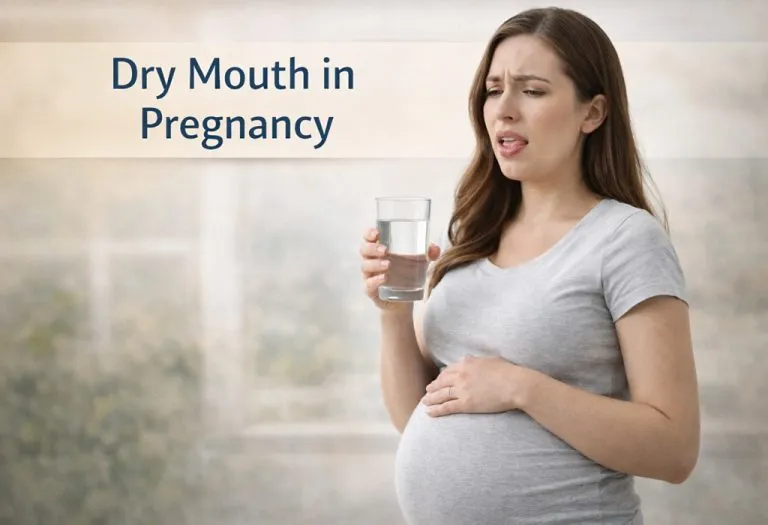
Image Source : AI Generated Image
Morning sickness, tiredness, headaches, cramps, insomnia, and nausea are some of the common and well-known symptoms of pregnancy. If you are pregnant, you must be aware of these symptoms; in fact, you must be experiencing them now and then. But there are many other symptoms of pregnancy that can go unnoticed. Having a dry mouth in pregnancy is one of them; it is a common symptom of pregnancy, but most women fail to recognise it as a sign of pregnancy. When pregnant women experience a reduction in saliva production, it can lead to the discomfort of dry mouth. In this article, we’ll explore the basics of dry mouth during pregnancy, why one may have a dry mouth, and offer insights into effective treatments to alleviate the discomfort associated with it.
What Does ‘Dry Mouth in Pregnancy’ Mean?
Having a dry mouth during pregnancy is one of the many symptoms of pregnancy. We need saliva to moisten and cleanse our mouths. Saliva also helps digest our food and prevents bacteria and fungi in the mouth. Saliva keeps our mouth moist but when we don’t produce enough saliva, our mouth gets dry and uncomfortable. Dry mouth is known as xerostomia, and it happens because of hormonal changes or bad oral hygiene during pregnancy, which lead to several chemical changes. Dry mouth in early pregnancy is common. It is typically experienced during the first trimester of pregnancy and often worsens at night. If you have a dry mouth, you may also have a stuffy nose, headaches, a metallic taste in the mouth, cracked lips, etc.
Symptoms of Dry Mouth in Pregnancy
If you have a dry mouth during pregnancy, you might experience one or more of the following symptoms. Here are some commonly observed dry mouth signs of pregnancy
- A change in your sense of taste
- A burning feeling in your mouth or throat
- Tooth decay
- Dryness inside your nose
- A sore throat
- You may have trouble speaking
- Hoarseness
- Hot flashes
- Indigestion
Consequences of Having a Dry Mouth in Early Pregnancy
Having a dry mouth in early pregnancy or in the first trimester of pregnancy can lead to various complications. If your mouth feels dry, your tongue may turn pale white in colour when you wake up in the morning. It happens because of the loss of water in the form of excess urination or vomiting, which is common in the first trimester. Having a dry mouth can impact your oral health and make you uncomfortable. As mentioned, we need saliva to wash down the food particles and to reduce the risks of harmful microbes from growing in our mouths. If your mouth does not produce enough saliva, it could easily lead to dental and gum problems like gingivitis, plaque, and cavities. It is crucial not to ignore this condition, as it can also affect the development of the foetus.
Causes of Dry Mouth During Pregnancy
It is common for pregnant women to have dry mouths, and there are many complaints of having an increased dry mouth at night during pregnancy rather than during the day. They may also complain of bad breath with this condition. Some of the potential causes of dry mouth include.
1. Side Effects of Certain Medications
Dry mouth is a common side effect of several prescription or over-the-counter drugs. These medications include antidepressants, bronchodilators, diuretics, and so on. While this problem could be annoying, you must not stop taking the medicines prescribed to you during pregnancy unless your doctor suggests otherwise.
2. Dehydration
Even if you drink your regular eight glasses of water daily, you may still experience mouth dryness during pregnancy. During this time, a woman’s body needs extra fluids to support her own health and the healthy development of the baby. Dehydration can sometimes cause a dry mouth in pregnancy and, in severe cases, may increase the risk of birth defects or premature labour. Increasing your water intake throughout the day can help keep both you and your baby safe.
3. A Rise in Blood Volume
The amount of blood flow in a woman’s body increases during pregnancy, with its peak volume around fifty per cent higher than in a non-pregnant woman. When the blood volume in your body increases, your kidneys will work overtime, consequently increasing your urination rate and leading to dehydration, which may cause a dry mouth.
4. Increase in the Metabolic Rate
Your cellular activities, such as producing energy, breaking down food, and so on, will increase drastically in the coming months of your pregnancy. As a result, your body will utilise the water present in the body, which needs to be replenished regularly. If it is not replenished, you might have a dry mouth.
5. Thrush
Thrush is an overgrowth of Candida albicans, a fungus. We all have it in small amounts, but if our immune system does not function normally, it may grow out of range. If your immune system is not functioning properly during pregnancy, you may develop oral thrush. Thrush can cause a dry, cottony feeling in your mouth, which many people call ‘cotton mouth in pregnancy.’

What Are the Complications Associated With Having a Dry Mouth?
If you have a dry mouth during pregnancy, you should not ignore it as it could indicate something more serious, which could have a negative impact on your health as well as your baby’s health. A dry mouth could also be a sign of any of the complications mentioned below and will require immediate treatment.
1. Gestational Diabetes
Pregnancy diabetes, or gestational diabetes, happens during pregnancy and subsides after pregnancy. Sometimes, even gestational diabetes could be the reason behind the dryness of the mouth. This could be because of the rise in sugar levels (due to gestational diabetes), which might reduce the amount of water in your body by making you urinate frequently. If you have gestational diabetes, you may feel thirsty, have burning pain in the mouth, have chapped lips, etc.
2. Anaemia
If dry mouth is accompanied by some other symptoms like a dry throat, cuts on the corners of the lips, and a burning feeling in the tongue, then it could be a sign of anaemia and will require immediate treatment. If you experience these symptoms, consult your gynaecologist immediately.
3. Hypertension
If you have a dry mouth and a searing headache, it might be due to a sudden increase in your blood pressure. An increase in blood pressure can affect your and your baby’s health. Consult a doctor for the same.
Treatment of Dry Mouth In Pregnancy
Having a dry mouth during pregnancy is not a specific problem. Therefore, it has no specific treatment in order to control it. The key is to take care of the underlying issues that cause dry mouth in the first place. The best remedy for a dry mouth is drinking at least two to three litres of water every day. This will prevent you from dehydration and thereby lower your chances of getting a dry mouth.
Tips to Deal With a Dry Mouth in Pregnancy
There is probably a lot that you will have to deal with during pregnancy. But let dry mouth not be one of them. Here are some tips that can help you provide relief from a dry mouth during pregnancy:
- Drink water frequently; keep a water bottle handy to drink water at regular intervals. You can also suck on small pieces of ice to keep your mouth wet.
- Attempt to breathe through your nose at all times, even during sleeping, to make sure that water doesn’t evaporate from your mouth.
- Avoid consuming alcohol or coffee during pregnancy. In addition to all the other dangers they pose, they can also cause dehydration. So avoid them completely.
- Avoid smoking cigarettes (i.e., if you smoke) during pregnancy. Smoking has been known to worsen the condition of the dry throat during pregnancy. Quit smoking altogether as cigarettes are toxic to the body.
- You can use a humidifier in your bedroom if you live in dry areas.
- Chew gum (preferably sugar-free) as the action of chewing stimulates the production of saliva.
- Practice good oral hygiene. Brush your teeth and floss in the morning, at night, and after every meal. Though it might seem excessive, these precautions are essential.
- Drink tender coconut water. It is rich in vitamins and minerals and also contains electrolytes which can balance the buffer in your blood.
- Follow a healthy, balanced diet replete with green veggies, whole grains, nuts, and lean meats. Avoid eating foods high in sodium as it can lead to water loss from the body.
When to Call a Doctor
As explained above, dry mouth while pregnant usually poses no danger and can be managed quite easily. However, if you experience other symptoms such as headaches, burning sensations in the buccal cavity, extreme fatigue, acute thirst, diarrhoea, or nausea, consult your doctor immediately.
FAQs
1. Does the dry mouth go away while pregnant?
Dry mouth is a common symptom observed during pregnancy. The good news is that it goes away after pregnancy.
2. How does the mouth feel in early pregnancy?
Along with dry mouth, pregnant women also experience a metallic taste in their mouths during their pregnancy. Either the mouth is dry and scratchy, or there is a taste of having loose change in the mouth that gives a metallic taste.
Pregnancy brings about a lot of hormonal changes, which can lead to certain complications. And, dry mouth and pregnancy are commonly observed phenomena. If you have a dry mouth, it is nothing but one of the side effects of your rapidly changing body, indicating the metabolic, anatomical, and physiological alterations your body might be going through to create your little one. However, even though dry mouth is of small concern in the face of the other potential complications of pregnancy, you should not ignore it. Please consult a doctor if the condition gets severe and affects your health.
Also Read:
Bleeding Gums During Pregnancy
Mouth Ulcers in Pregnancy
Excessive Saliva when Pregnant
Remedies for Tooth Pain & Bleeding Gums in Pregnancy
Was This Article Helpful?
1. Cleveland Clinic – Dry Mouth (Xerostomia)
2. PubMed Central – Oral Care in Pregnancy
3. Indian Dental Association – Oral Health Guide for Women
4. American Pregnancy Association – Dehydration During Pregnancy
6. Oral Health Kansas – Why Is Oral Health Important During Pregnancy?
7. Dignity Health – Dehydration During Pregnancy: What Expecting Mothers Should Know
- Author
- Expert Reviewer
 About the Author