

Consuming Milk During Pregnancy – Benefits & Precautions
Stay healthy during pregnancy with the right milk choices. Learn benefits, types, and tips for safe milk consumption for moms-to-be





Medically Reviewed By
Dr. Rima Sonpal
(Gynecologist/Obstetrician)


Image Credit : AI Generated Image
Creating a new human life is not easy. If you are pregnant, you will have to eat and drink only healthy foods to provide the right nourishment to the baby growing in your womb. Getting enough nutrients is critical for the growth of your baby and for your well-being, too, during pregnancy. Milk is a rich source of all the essential nutrients that you will need during pregnancy. Apart from eating healthy fruits, veggies, grains, etc., you should also drink a glass of milk daily. To know the benefits of drinking milk in pregnancy and what type of milk you should drink, read on!
Can a Pregnant Woman Drink Milk?
Certainly, milk is beneficial for pregnancy due to its rich supply of vital nutrients like calcium and vitamin D. The presence of key amino acids and growth-supporting compounds in milk proteins, particularly whey proteins, aids in cellular growth and development (1). However, it’s important to note that excessive milk intake could lead to obesity and potential long-term health issues. Drinking milk while pregnant in moderation is linked to positive outcomes such as healthy fetal growth and higher birth weight for infants.
Benefits of Drinking Milk During Pregnancy
Drinking milk is a simple yet highly beneficial habit to support a healthy pregnancy. It provides a powerful combination of essential nutrients that are vital for both the mother and the developing baby.
1. Provides Essential Calcium and Vitamin D
Milk is a vital source of calcium, which is crucial for building your baby’s bones and teeth. Pregnant women need between 1,000 and 1,300 mg of calcium daily, and drinking milk can help meet this requirement (2). Furthermore, the vitamin D in milk aids calcium absorption and, according to studies, can lower the baby’s future risk of developing allergies (3).
2. Supports Comprehensive Foetal Development
Milk is rich in protein, amino acids, and fatty acids, all of which are essential building blocks for the baby’s developing nervous system (4). It also contains a full spectrum of necessary vitamins, including A, B, and D, which are required for healthy intrauterine foetal development. The iron content in milk also helps in transporting oxygen to your baby.
3. Enhances Brain Development and IQ
The iodine content in milk plays a key role in foetal brain development. Adequate iodine intake during pregnancy has been shown to support cognitive development and can even contribute to a higher IQ in children.
4. Promotes Long-Term Child Health
Consuming milk during pregnancy can have lasting positive effects on your child’s health. It has growth-promoting effects on the foetus and can contribute to the baby’s future height. Additionally, it is linked to higher insulin levels in late teens, which can lower the risk of type 2 diabetes and reduce the risk of diseases like neonatal rickets and multiple sclerosis.
5. Protects Maternal Bone Health and Prevents Disease
The high calcium content in milk does more than just help the baby; it also protects the mother. By ensuring a steady supply of calcium, milk helps prevent the mother’s body from depleting its own calcium stores, thereby lowering her risk of developing conditions like osteoporosis later in life.
6. Relieves Common Pregnancy Discomforts
Milk can act as an effective natural antacid, providing relief from heartburn and other gastric ailments that are common during pregnancy (5). This offers a simple dietary way to manage these uncomfortable symptoms.
Type of Milk to Drink During Pregnancy
When the different types of milk are processed, their fat and calorie content change. A woman’s diet and body type during pregnancy will determine whether a type of milk is beneficial for her or not. Here are some types of best milk to drink during pregnancy:
1. Whole Milk
When it comes to milk for pregnant women, whole milk contains extra fats and nutrients that get removed in the skimming process. A cup of whole milk contains about 5 g of saturated fat and 149 calories. Whole milk is ideal for you and will be recommended if you are not overweight and enjoy drinking full cream milk.
2. Pasteurised Milk
Pasteurisation is the process of heating milk to a high temperature to destroy pathogens and enzymes that spoil the milk when it is in storage. Whenever you opt for whole milk, you must make sure that it is pasteurised to prevent the chances of any serious diseases. If you enjoy drinking cold milk, then make sure it is pasteurised before you drink it.
3. Raw Milk
Raw milk is basically unpasteurised milk. It often contains a host of infectious pathogens, unnecessary enzymes, and pus cells from the cow. If your only source is raw milk, then make sure it is boiled and cooled or consumed as hot milk.
Nutritional Benefits of Different Types of Milk for Pregnant Women
Regarding milk to drink while pregnant, not all women prefer the same type of milk, and not all need the same level of nutrition when the rest of their diet is taken into account. For example, vegans would prefer non-dairy and organic milk from plant sources, and some might just go with the taste. So here are some types of milk with their nutritional facts – choose what you like!
1. Cow’s Milk
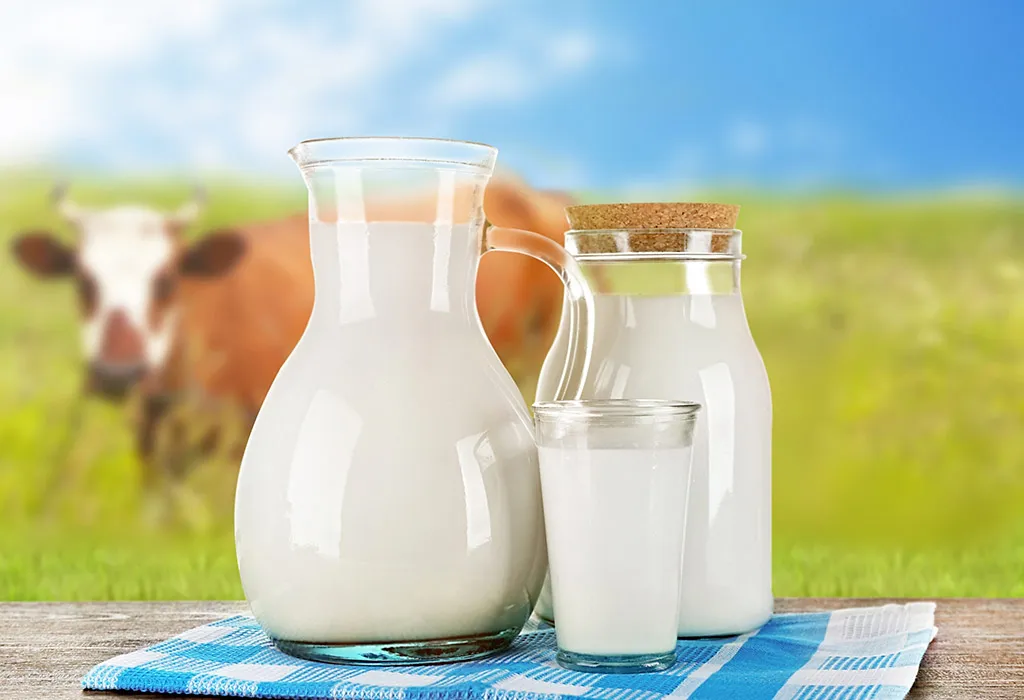
Cow’s milk is abundantly available and consumed by many. It comes in raw, skimmed, whole and flavoured types.
Nutritional Facts – Cow’s milk is rich in calcium, and Vitamins A, D and E (6). The proteins and amino acids present in the milk are essential for cell building in both the mother and the foetus. Vitamin D is critical for calcium absorption and protects against gestational diabetes. Vitamin A strengthens the immune system and helps improve vision. Vitamin E has antioxidant properties and protects against diseases. A glass of cow’s milk can provide you with 285 mg of calcium.
2. Goat Milk

Goat milk, though not a popular choice among many people, is highly nutritious. It may taste a bit odd, but is worth trying if you’re looking for more quality and less quantity. It is available as fresh milk, UHT (Ultra High Temperature processed) milk that is heated above 135 degrees Celsius to get rid of spores, and in organic varieties.
Nutritional Facts – Goat milk is higher in protein, Vitamin B2, and butterfat globules as compared to cow’s milk (7). The healthy dietary fats in goat milk also help lower cholesterol levels, speed up the metabolic process, and aid digestion. The Vitamin A content in the milk is readily absorbed by the body. A glass of goat milk contains 283 mg of calcium.
3. Soy Milk
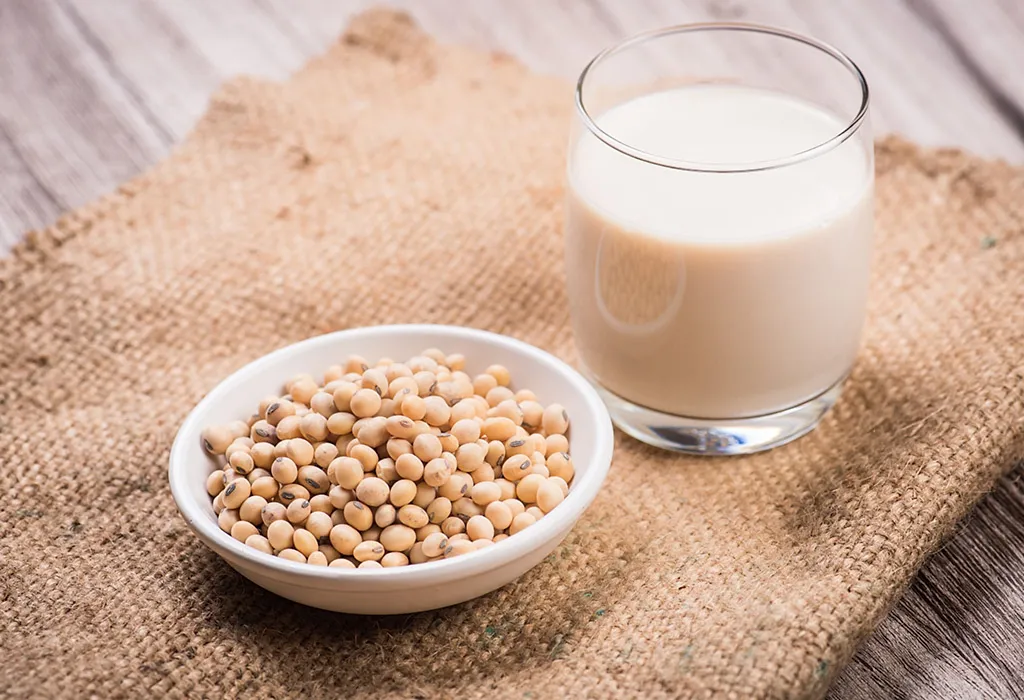
To make soy milk, ground soybeans are soaked in water. It contains the same level of proteins as cow’s milk and is available in flavoured, fibre, and calcium-enriched varieties (8).
Nutritional Facts – Soy milk can provide you with ample amounts of calcium, essential for the mother and the baby. It also offers healthy fats that are good for the heart while being cholesterol-free. Soy milk is also rich in antioxidants that fight cancer and boost immunity. One glass of soy milk can provide you with 300 mg of calcium.
4. Almond Milk
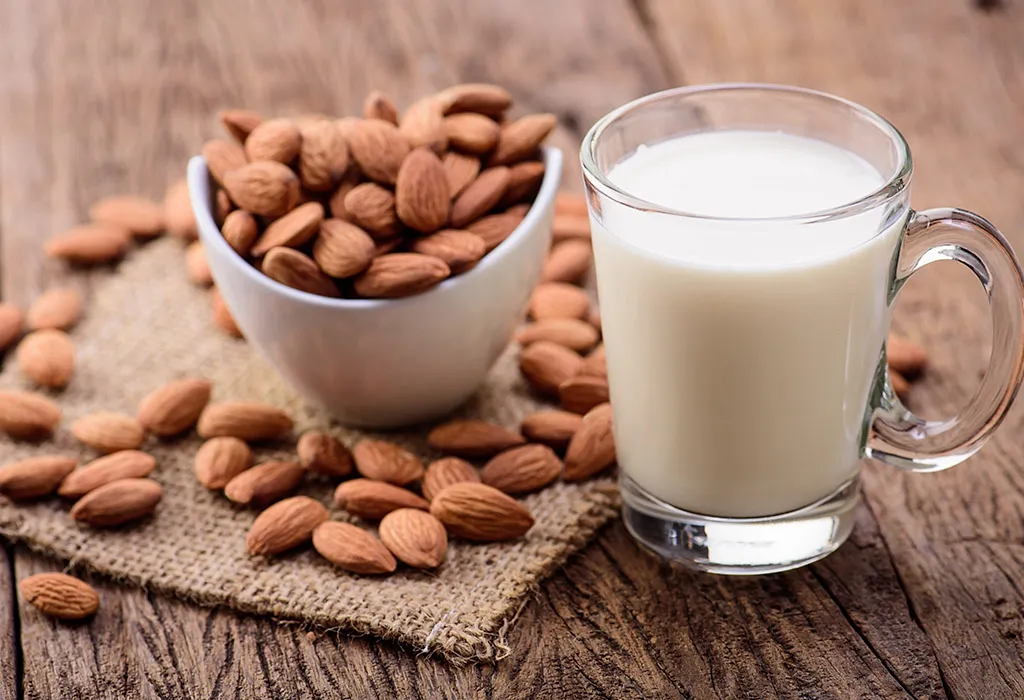
Also known as badam milk, it is made by grinding almonds and adding water. It is an excellent alternative to those who are allergic to gluten and soy.
Nutritional Facts – Almond milk is rich in folic acid, Vitamin B, Vitamin E, calcium, iron, protein, and fibre. It is low in calories, saturated fat, and cholesterol (9). A glass of unfortified almond milk gives 7.5 mg of calcium.
5. Oat Milk
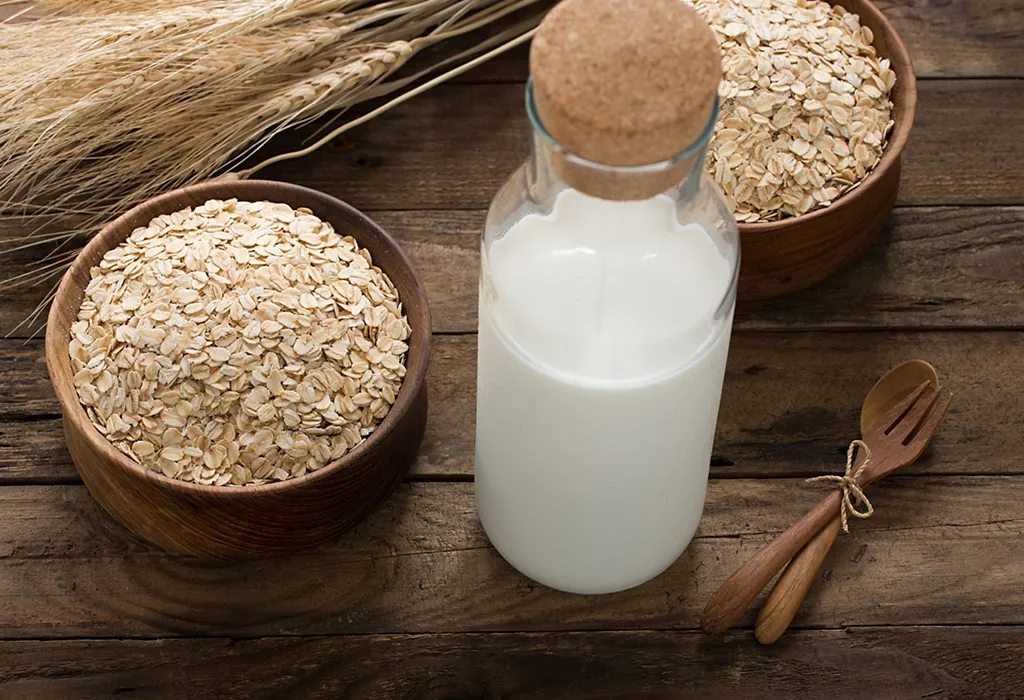
Oat milk is high in fibre and low in calories. It eases constipation and can control your excess craving for food and maintain stable sugar levels in the blood.
Nutritional Facts – Oat milk is high in Vitamins A and B and minerals such as potassium, phosphorus, and manganese. It contains more proteins than almond milk and rice milk (made with ground rice and water), but not as much as cow milk. It has a fairly good amount of calcium, i.e., 120 mg per glass (10).
6. Milk Powder
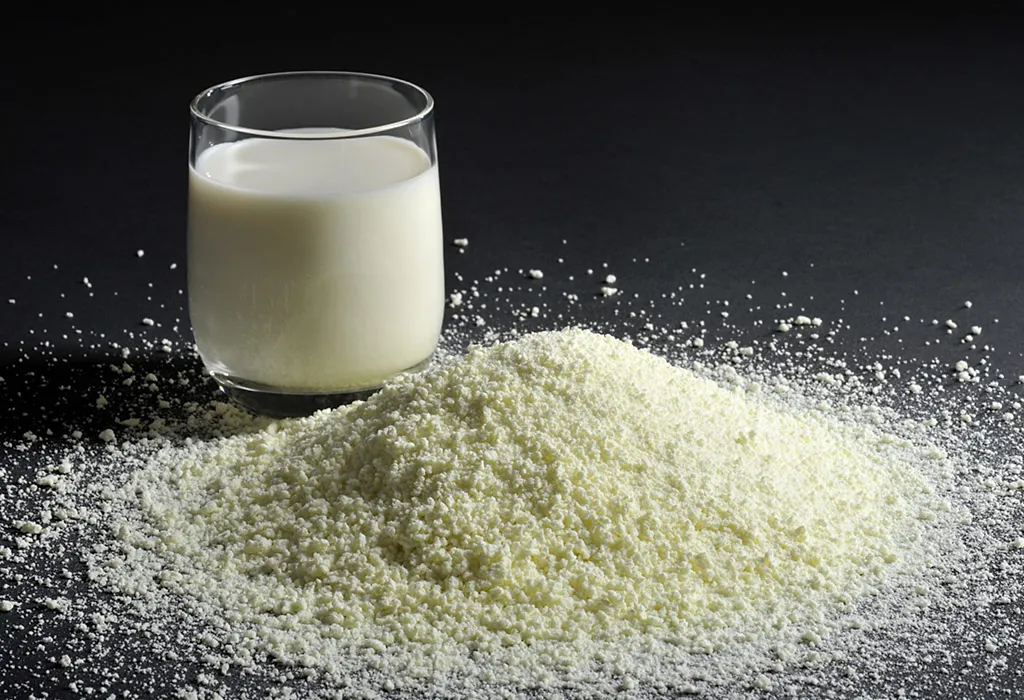
The instant formula in the form of milk powder is made from natural pasteurised milk. It has the same nutritional content as cow’s milk.
Nutritional Facts – Milk powder is a concentrated source of nutrients, including calcium and protein, offering a convenient way to access essential vitamins and minerals. However, it’s important to use it in moderation to avoid excessive calorie intake.
7. Rice Milk
Rice milk is prepared by blending rice with water. This type of milk contains four times more carbohydrates than cow’s milk and is not good for pregnant women with gestational diabetes.
Nutritional Facts – The milk contains a good amount of B vitamins and low-fat content. It is enriched with calcium, is low in protein and high in antioxidants.
8. Coconut Milk
Coconut milk is a creamy, white liquid extracted from grated coconut flesh, known for its rich flavour and versatility in both sweet and savoury dishes (11).
Nutritional Facts – One cup of coconut milk gives 76 kcal, but the total protein is almost negligible. Coconut milk also contains around 459 mg of calcium.
9. Condensed Milk
Condensed milk is dehydrated cow’s milk with added sugar. It is safe to consume this milk as it is made using regular pasteurised milk for pregnancy.
Nutritional Facts – Condensed milk is a sweetened dairy product with high sugar content, providing significant calories and fat, and is a source of calcium and protein.
10. Hemp Milk
Hemp milk is a creamy, plant-based milk made from soaked and ground hemp seeds. It has a nutty, earthy flavour and is an excellent option for those with soy, nut, or gluten allergies.
Nutritional Facts – Hemp milk is rich in omega-3 and omega-6 fatty acids, which are crucial for the baby’s brain and eye development. It is a good source of protein and contains essential amino acids. While naturally low in calcium, most commercial varieties are fortified with calcium and Vitamin D, making it a nutritious choice for pregnancy.
11. A2 Milk
A2 milk is a type of cow’s milk that contains only the A2 beta-casein protein, as opposed to the more common A1 protein found in regular cow’s milk. Some individuals find it easier to digest.
Nutritional Facts – A2 milk offers the same nutritional profile as regular cow’s milk, providing high levels of calcium, protein, and Vitamins A, D, and E. The primary benefit is its potential for reduced digestive discomfort, making it a valuable option for pregnant women who experience mild sensitivity to regular milk without wanting to sacrifice its dense nutrient profile. Therefore, this is a good milk for pregnancy.
12. Lactose-Free Milk
Lactose-free milk is typically cow’s milk that has been treated with the enzyme lactase, which breaks down the milk sugar (lactose) that many people have difficulty digesting.
Nutritional Facts – This milk is nutritionally identical to regular cow’s milk, providing the same essential amounts of calcium, vitamin D, and protein. It is the ideal solution for pregnant women with lactose intolerance, ensuring they can receive all the bone-building and developmental benefits of dairy without the associated digestive issues like gas, bloating, or cramps.
These are the different types of milk. There’s another type of milk – saffron milk. It is said that drinking saffron milk is very beneficial milk for a pregnant woman. If you want to drink saffron milk while pregnant, you can add a few strands of saffron to any milk and drink it. Saffron milk can help lower blood pressure, mood swings, and improve digestion.
How to Drink Milk During Pregnancy?
If you drink raw or unpasteurised milk during pregnancy, it can be troublesome for you and your baby. This is why we will tell you how you should drink milk while pregnant –
- Milk is absorbed well when thinned with water in a ratio of 2 to 1. So you can drink milk tea or a light milkshake.
- Drink warm milk by taking small sips – don’t rush.
- Don’t drink milk after a heavy meal.
- Keep the minimum at 3 cups a day at different times.
How Much Milk Should You Drink During Pregnancy?
Are you craving milk during pregnancy? Drinking too much milk during pregnancy can lead to bloating and indigestion. So you must drink milk or consume other dairy products in moderation. Drinking three cups of milk per day during pregnancy can provide you with all the necessary nutrients. But, if you’re drinking any other form of milk apart from cow’s milk, count the nutrient levels and vary the amount accordingly.
Precautions and Tips
While drinking milk is beneficial in pregnancy, there are a few things one must remember while consuming milk or other dairy products.
1. What to Eat or Drink?
Consume dairy products such as yoghurt as an afternoon snack. Have milk with a bowl of cereal for a fuller breakfast. Low-fat cheese is a great spread on sandwiches and with salads.
2. What to Avoid?
Avoid unpasteurised milk and dairy products made out of it.
FAQs
1. When to start drinking milk during pregnancy?
A common question asked is when to start drinking milk during pregnancy. Pregnant women can start incorporating dairy products like milk into their diet right from the start of pregnancy. Milk is packed with essential nutrients like calcium, zinc, and vitamin D, which are crucial for maternal well-being and play a role in the growth of the developing fetus.
2. Drinking milk during pregnancy will make my baby fair – is it true?
This is a myth. Drinking milk or saffron milk won’t affect the complexion of your baby. The complexion depends entirely on the genes inherited from the parents.
3. What will happen if I do not drink milk during pregnancy?
Pregnant women who consume less than one cup of milk a day during pregnancy may have smaller babies as compared to those who consume more than one cup. Pregnant women who are calcium-deficient due to low consumption of milk experience a loss of bone mass during pregnancy as the fetus absorbs calcium from the mother for development.
4. Can I drink milk at night while pregnant?
Do not drink milk immediately after a meal. You can drink warm milk with honey before going to sleep for a better quality of sleep and to maintain optimum blood sugar levels at night.
5. Why do I crave milk while pregnant?
The body’s cravings often align with its nutritional needs. If you find yourself craving milk, it might suggest a lack of calcium, protein, or fat. Incorporating milk into your routine not only provides vital nutrients but could also assist in managing these cravings for the benefit of both you and your baby.
6. Does drinking milk in pregnancy make your child taller?
Drinking milk is good for pregnancy. In fact, children of mothers who consume milk during pregnancy, particularly in the final trimester when fetal growth is rapid, tend to exhibit greater height compared to those whose mothers did not include milk in their diet.
This was all about milk and pregnancy. Whatever type of milk you decide to consume, get the right amount so you can provide all the essential nutrients your baby needs for healthy development.
Also Read:
Eating Cheese During Pregnancy
Drinking Buttermilk When Pregnant
Consuming Yoghurt in Pregnancy
Was This Article Helpful?
Parenting is a huge responsibility, for you as a caregiver, but also for us as a parenting content platform. We understand that and take our responsibility of creating credible content seriously. FirstCry Parenting articles are written and published only after extensive research using factually sound references to deliver quality content that is accurate, validated by experts, and completely reliable. To understand how we go about creating content that is credible, read our editorial policy here.
2. American Pregnancy Association – Calcium in Pregnancy
4. Eatforhealth.gov.au – Protein
5. Cleveland Clinic – Heartburn During Pregnancy
7. Michigan State University – Goat milk versus cow milk: A comparison
8. Utah State University – Can it be milked? Nutrition to consider when choosing a plant-based milk
10. USDA – Food Data Central: Unsweetened milked oats, unsweetened
11. International Food Information Council – Coconut Milk, Our Tropical Treat
- Author
- Expert Reviewer
 About the Author