

Diarrhea During Pregnancy: Causes, Prevention, & Treatments
Diarrhea during pregnancy: causes, symptoms, safe home remedies, and when to call your doctor for proper treatment




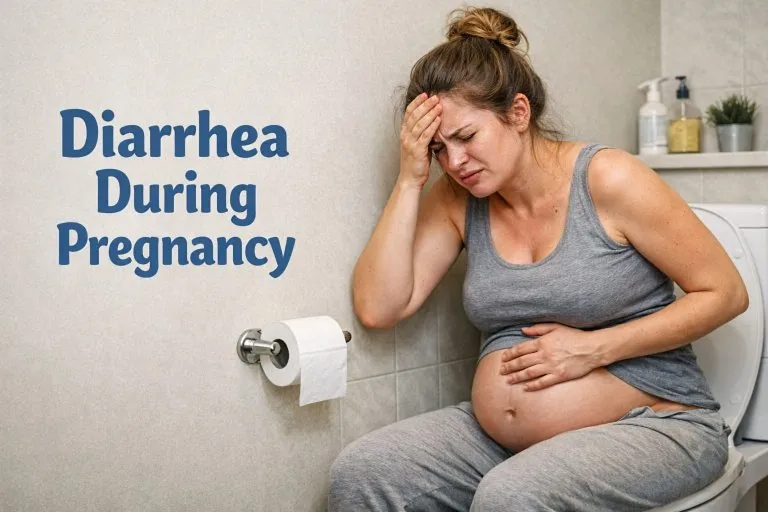
Image Credit : AI Generated Image
In this Article
- Diarrhea and Pregnancy
- Why Is Diarrhea Common in Pregnancy?
- What Causes Diarrhea During Pregnancy?
- Treatment of Diarrhea While Pregnant
- Home Remedies for Loose Motion During Pregnancy
- How to Prevent Diarrhea in Pregnant Women?
- When to Consult a Doctor
- Green Diarrhea in Pregnancy
- Travellers’ Diarrhea and Pregnancy
- Diarrhea During Late Pregnancy
- FAQs
View More
Have you just discovered that you are pregnant? There are chances that you are still not aware of the many symptoms of pregnancy that show up as months go by. One such problem is diarrhea, which may be accompanied by other symptoms in pregnancy. A common concern is diarrhea during pregnancy, which can arise from hormonal shifts, dietary changes, or prenatal vitamins. You would be surprised at how it can affect you in this critical period, potentially leading to dehydration and discomfort. Let us explore the problem associated with your gut and how it can be prevented and treated.
Diarrhea and Pregnancy
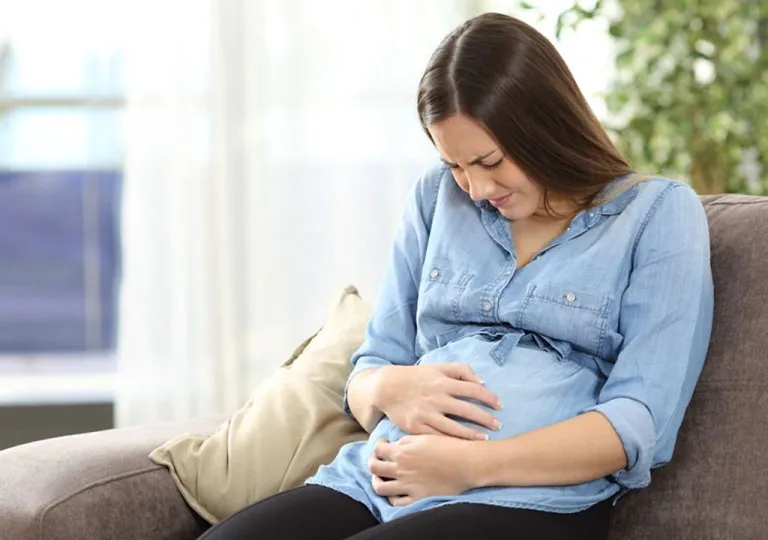
Digestive problems are not uncommon during pregnancy. Is diarrhea a symptom of pregnancy? Yes, diarrhea can sometimes be the first symptom of pregnancy. It is normal to experience constipation or diarrhea at some point on your journey to motherhood.
Diarrhea is a condition where you pass three or more loose bowel movements over a period of 24 hours (1). If you experience diarrhea, it is good to thoroughly hydrate your body, as it loses a significant amount of fluids every time you defecate during pregnancy. The frequent bowel movements can cause dehydration, which can be serious, but seldom life-threatening, for the mother and the unborn baby. Do not take symptoms like these lightly, especially if you are experiencing dysentery in pregnancy.
Why Is Diarrhea Common in Pregnancy?
Most problems in pregnancy are a result of hormonal changes. Hormones play a spoiler for mothers-to-be, but they also play a crucial role in your child’s development. Most women who go through the early symptoms of pregnancy, including morning sickness, nausea, or vomiting, may even experience diarrhea. You could even experience green diarrhea because of pregnancy-related changes or general conditions. Hormones, such as oestrogen, progesterone, and human chorionic gonadotropin (hCG), usually impact the gastrointestinal system (2). Though most women experience hormonal changes, only a few suffer from diarrhea in their early months of pregnancy.
What Causes Diarrhea During Pregnancy?

There are a number of reasons that can cause diarrhea during pregnancy. Some of these are listed below:
1. Hormonal Changes
During pregnancy, the hormones produced by the body slow down the digestive function. This aids your developing embryo by extracting nutrients more efficiently from your food. However, this slowdown leads to problems like constipation. On the other hand, if the hormones speed up the digestion process, it can cause diarrhea. Experiencing 1st trimester diarrhea can be concerning, but it is often linked to routine hormonal shifts or dietary changes.
2. Prenatal Vitamins
Prenatal vitamins are important for the growing baby’s health. These supplements sometimes cause an upset stomach and diarrhea (3). If these prenatal vitamins don’t agree with your stomach, it is good to check with your doctor and skip them for a few days to monitor the effects.
3. Variation in Diet
As soon as you get pregnant, you are sure to become more conscious about your eating habits to incorporate more nutritious food. A sudden change in your diet could have an impact on your gut and lead to diarrhea.
4. Food Sensitivities
If you are sensitive to certain types of food, eating them during pregnancy can impact your digestive system (4). You may discover a certain diet is causing an upset stomach or bloating.
5. Lactose Intolerance
It is common knowledge that most doctors advise against giving milk to kids with an upset stomach because it is a natural laxative. The same may apply to you, as well. The addition of milk to your diet is another significant dietary change that could cause diarrhea during pregnancy.
Most women increase their milk consumption when they discover that they are pregnant. Milk intake, however, can lead to diarrhea if you suffer from lactose intolerance (5). Cutting milk for a few days can reduce symptoms of lactose intolerance. However, make sure that you include dairy products like cheese and yoghurt in your diet to meet your calcium requirements.
6. Bacterial and other reasons
If you are suffering from diarrhea, it may not always be due to pregnancy-related issues. You might suffer from loose motions in pregnancy because of bacteria, viruses, intestinal parasites, stomach flu, or food poisoning. If you have Crohn’s disease or complain of irritable bowel syndrome, ulcerative colitis, or celiac disease, diarrhea may be a persistent issue.
Experiencing 3rd trimester diarrhea can sometimes be an early sign that your body is preparing for labour.
Treatment of Diarrhea While Pregnant

If you are suffering from diarrhea while pregnant, try following some of the dietary changes below to get rid of the problem (6).
1. Avoid Some Food Groups
You may get some relief by changing your diet because some foods can worsen diarrhea. You should avoid spicy, fried, high-fat, and high-fibre foods and dairy and milk products.
If you are lactose intolerant, make sure to make up for your low calcium intake by including other calcium-rich foods, like fruits and leafy greens, in your diet.
2. Be Careful About What You Drink
It is advisable to avoid consuming coffee, tea, and grape juices, as they may aggravate the condition. It is also best to avoid caffeinated and carbonated drinks, dried fruits, red meat, spices, and sugary treats like candies and chocolates.
3. Follow the BRAT Diet
Most times, doctors suggest a BRAT diet to soothe the digestive system. This diet includes bananas, rice, applesauce, and toast. Since these foods may not provide enough nutrients for you and the growing baby, doctors suggest adding the following items to your diet as well:
- vegetables like cooked carrots
- starchy foods like unsweetened cereals
- crackers and potatoes
- lean meats
- soups with rice noodles or vegetables
Adding yoghurt, which contains lactobacillus acidophilus, to your diet is also a good idea because it helps keep infections away.
4. Try the CRAM Diet
The CRAM diet is an alternative diet you can try, including cereal, rice, applesauce, and milk. These foods are comparatively better than the BRAT diet, since they provide a significant amount of protein, which is good for the growing baby.
5. Keep Yourself Hydrated
If you are suffering from diarrhea, you should consume a lot of water, juices, and broths to replace the lost electrolytes. Water helps replenish the lost fluids, while juices and broth help replace the potassium and sodium levels in your body. You are advised to take oral rehydration therapy because it is one of the most tested methods of controlling diarrhea. This is an all-time therapy where you drink water with a good amount of sugar and salt and supplemental zinc for two weeks. It helps absorb water from the gastrointestinal tract, as you tend to lose a lot of fluids through diarrhea.
6. Keep a Check on Medications
Medications can be one of the reasons for diarrhea, but your body usually adjusts to them after some time. If your prenatal vitamins are causing diarrhea, the doctor may change the supplements prescribed or help you by treating diarrhea in other ways. Remember not to take any over-the-counter anti-diarrhea medications without your doctor’s consultation during pregnancy, as it could have an adverse effect on the child.
Home Remedies for Loose Motion During Pregnancy

It is best to turn to home remedies for any discomfort you face during pregnancy. Over the counter drugs are not advisable when you are carrying, and thus, in case of diarrhea, you can try some of these home remedies:
- Drink plenty of water to replace the lost fluid in your body. Try to drink at least one litre every two hours.
- Drink ginger tea because it has antispasmodic properties that may help relieve the symptoms of diarrhea by reducing stomach spasms and the gases from the fermented material that cause frequent, watery stools. Boil some ginger and tea in water and allow it to stand for 10 to 15 minutes. Strain and then consume with sugar or honey.
- You can also try drinking three to four tablespoons of honey in a glass of lukewarm water. The antioxidant and antibacterial properties found in honey’s enzymes and amino acids help boost the immune system.
- Lemon is a liver stimulant that helps control irritable bowel movements and provides relief from diarrhea. You can consume a mixture of lemon juice, one-fourth teaspoon of crushed black pepper, and half a teaspoon of ginger powder two times a day.
- You can also add peppermint extract to half a cup of water and drink it twice or thrice a day. The volatile oils in peppermint have been known to soothe irritable bowel syndrome with their calming and numbing effects.
- Psyllium husk is said to be effective as it reduces the frequency and severity of diarrhea. It is an anti-diarrheal, which means it absorbs the water content from the intestines and helps manage diarrhea.
How to Prevent Diarrhea in Pregnant Women?
You can prevent your gut from getting infected by cultivating a few simple habits:
- Avoid tap water because it could contain bacteria and pathogens.
- Make sure you don’t brush teeth with impure water or use ice cubes made from tap water because of the reason stated above.
- Stay away from street vendors and avoid fruits that can’t be peeled because they could contain germs. Make sure you eat fruits that you can peel yourself, like bananas and oranges.
- Don’t venture into areas with inadequate sanitation because there are more chances of getting exposed to virus and bacteria from faeces.
- Avoid eating raw or undercooked meat or seafood because they may contain viruses and bacteria.
- Above all, maintain basic hygiene, and use a hand sanitiser when you can’t use water.
When to Consult a Doctor
Though diarrhea is common during pregnancy and not a cause for panic, it is a good idea to ensure that you keep a watch on your symptoms, so anything out of the ordinary can be observed and tackled on time. Here is when you should consult a doctor if you suffer from diarrhea during pregnancy.
1. Chronic Diarrhea
If diarrhea lasts for more than 3-4 days, with no sign of sufficient healing, consult a doctor. The main reason for this is that your body could be at risk for dehydration due to the diarrhea lasting for a prolonged period, and it is best to consult a doctor who can treat you adequately.
2. Signs of Dehydration
Dehydration can pose a serious threat to pregnancy, so if you begin to notice any signs of dehydration, such as dark yellow urine, constant thirst, decreased urine output, lightheadedness, fatigue and headache, or dry mouth, make sure to consult a doctor.
3. Accompanying Symptoms
If you notice any other symptoms that could point at a more serious issue, make sure to get yourself checked as soon as possible. This way, any complex conditions can be treated on time for easier healing.
Green Diarrhea in Pregnancy
If you are consuming vegetables rich in chlorophyll, it may alter your stool’s colour to green. Food rich in iron could also be the cause of green coloured poop while pregnant. It is generally caused by an excessive consumption of a chlorophyll-rich diet. It is worth noting that bile secreted in the main area of your small intestine is green, and when the digested food, along with the water, passes through the large intestine, the colour changes. There are chances that the waste matter passed through your large intestine quickly, and as a result, the stool was unable to change colour. This process is known as rapid transit, which reduces the transit time of the bowels and causes green stools. Your iron supplements could even cause black stool during pregnancy.
It is worth noting that green diarrhea could also be caused by intestinal disorders, intestinal infections, and Giardia or Salmonella poisoning. If you think that your diet is not responsible for green stool during pregnancy, then it is advisable to consult your gynaecologist, as this could be a symptom of a more serious health issue.
Travellers’ Diarrhea and Pregnancy
You may suffer from diarrhea while travelling, or it may happen within a week of travelling. The reason could be water or food that is contaminated with faecal deposits. In order to avoid travellers’ diarrhea during pregnancy, avoid buying food from street vendors, as they could contain germs. Maintain basic hygiene and follow the tips mentioned above.
Diarrhea During Late Pregnancy
It is believed that as you near the due date, the frequency of diarrhea increases, since your body is preparing for labour. This doesn’t mean that labour is just a few days away. Like every other pregnancy symptom, this differs from woman to woman. Some may experience frequent diarrhea in the last trimester, while others may not experience these symptoms. Mild diarrhea in pregnancy is often short-lived and unlikely to harm your baby.
FAQs
1. Is diarrhea a normal sign of early pregnancy?
Diarrhea in early pregnancy is one of the initial symptoms of pregnancy that one suffers from, along with vomiting and nausea, aversions and food cravings. It could occur due to changes in hormone levels or other reasons discussed above.
2. Can diarrhea cause harm to the baby?
No, diarrhea doesn’t harm your unborn baby unless the condition is severe. If it’s severe, it will cause dehydration in the mother’s body and impede blood flow to the foetus. However, diarrhea caused by complications like uterine and abdominal infections during the second or third trimesters can be risky to the foetus.
3. Can diarrhea occur in the second trimester?
It is less common in the second trimester, but if diarrhea is followed by any other symptoms like fever or body aches, make sure you consult a doctor for precautionary measures.
4. When should one seek a doctor’s help?
If the symptoms persist for more than two days, then it is wise to see a doctor. Besides loose stools in pregnancy, keep a watch on symptoms like cramping, stomach pain, mucus or blood in the stool, severe headache, or vomiting. Additionally, watch out for fever, reduced urine, and rapid heartbeat. If any other symptoms like cramps show up when you’re pregnant, consult your doctor to avoid complications.
5. Can faecal incontinence occur as a complication of pregnancy diarrhea?
Yes, fecal incontinence can be a temporary complication of pregnancy diarrhea. Loose stools and urgency, combined with pressure from the growing uterus, can overwhelm the pelvic floor. This is more likely in those with existing pelvic floor weakness. It’s important to mention this symptom to your doctor.
Now that you know the causes, symptoms, and prevention of diarrhea, you can avoid this gut condition at any stage during pregnancy. You may also consider the above-suggested home remedies to get quick relief. So, eat healthy and stay healthy to steer clear of any tummy problems during pregnancy.
Also Read:
Vomiting during Pregnancy
Stomach Flu while Pregnant
Indigestion during Pregnancy
Morning Sickness in Pregnancy
Was This Article Helpful?
Parenting is a huge responsibility, for you as a caregiver, but also for us as a parenting content platform. We understand that and take our responsibility of creating credible content seriously. FirstCry Parenting articles are written and published only after extensive research using factually sound references to deliver quality content that is accurate, validated by experts, and completely reliable. To understand how we go about creating content that is credible, read our editorial policy here.
- Author
 About the Author