
Dandruff During Pregnancy – Causes and Remedies
Pregnant and struggling with dandruff? Find safe tips, causes, and remedies to calm flakes and irritation.





Medically Reviewed By
Dr. Swapnil Saxena
(Ayurvedic Physician)

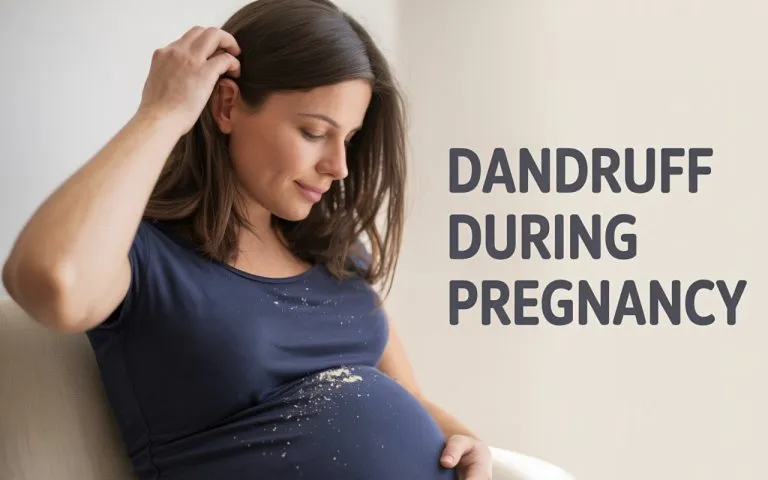
Image Credit : AI Generated Image
A lot of changes happen to your body when you are pregnant, and dandruff in pregnancy is a common worry among pregnant women. Although pregnancy can be exciting, a dry scalp while pregnant can be very unwelcome when you are expecting a beautiful pregnancy glow, putting a dent in your mental health. Dandruff can be an embarrassment, aside from being a painful condition for some. And dealing with dandruff during pregnancy can prove to be an added problem. Don’t worry; dandruff and pregnancy are not permanent. Identifying the causes of dandruff and the remedies to address it are key to managing dandruff during pregnancy.
Is It Normal to Get Dandruff During Pregnancy?
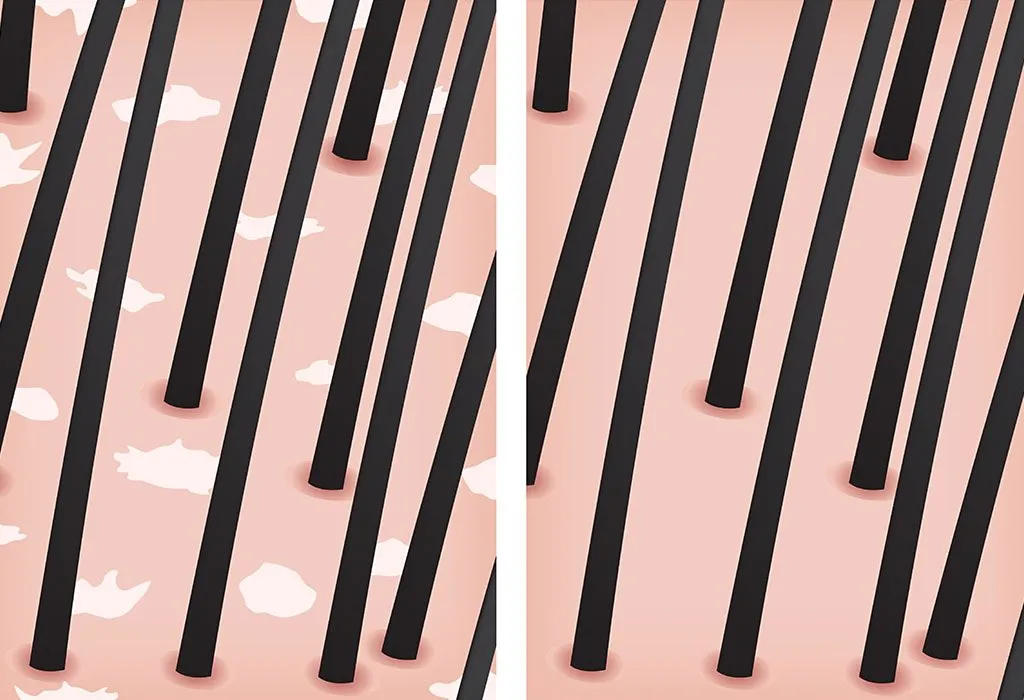
Dandruff is a scalp condition that causes flaking and itchiness. It is the seborrheic dermatitis confined to the scalp (1). Though this may not be due to improper hygiene, most people tend to think so. The shedding of dead skin cells to make way for newer cells is a natural process that happens throughout our lives. It is only when the process is faster that the scalp gets covered with flakes, which is what we know as dandruff. Doctors often face this question from their pregnant patients: Can pregnancy cause dandruff? The answer is simple. Getting dandruff during pregnancy is quite common, and many women experience dandruff during pregnancy, mainly due to changes in hormonal levels during pregnancy.
What Causes Dandruff During Pregnancy?
Dandruff is caused when there is excessive growth of skin cells. This could happen due to many reasons, some of which may not be connected to your current pregnancy. Often, hormonal changes are responsible for this. Let us discuss this in detail:
1. Higher Oil Production
During pregnancy, hormonal changes impact your skin in more ways than one. During these months, your skin will produce more oil, which in turn will lead to the production of newer cells at a higher rate. This is responsible for a rapid buildup of oil, leading to the scalp becoming covered with flakes.
2. Increased Sensitivity to Shampoos, Oils, and Conditioners
Major contributors to dandruff during pregnancy are hair care products such as hair oils, shampoos, and conditioners. The uncharacteristic flaking of skin cells is merely a result of a protective response from your skin. Although your skin is used to these products and you haven’t changed the shampoo brand during pregnancy, it’s your scalp’s reaction that has led to flaking.
3. An Overreaction From the Body
During pregnancy, a woman’s body is ultra-sensitive, and because of the low immune strength, the chances of contracting fungal infections are high. During pregnancy, the body becomes extra sensitive and tries to keep itself free from these microorganisms, which result in itching or flakes on the scalp.
4. Accumulation of Bile
Bile accumulation in the skin can cause scalp pruritus, leading to dandruff. The accumulation of bile acids triggers the release of inflammatory molecules from cells, leading to an itchy sensation.
5. Changes in Hormonal Levels
Due to reduced hepatic blood flow during pregnancy, hormone and cholesterol levels remain elevated. These changes encourage the growth of microbes which sustain and multiply in the skin, causing dandruff.
6. Polycystic Ovary Syndrome (PCOS)
Women having PCOS or higher levels of male hormones have fluid-filled cysts or sacs in their ovaries. The condition can also lead to dandruff (2).
7. Chronic Metabolic Disorder
Metabolic disorders may have an effect on the sebaceous glands. The abnormal functioning of these glands can lead to dandruff.
8. Higher Oil Production
Pregnancy is linked to an increase in the oil production of the skin. Having oily skin can attract lipophilic fungi such as Malassezia, which could lead to dandruff (3).
Other Major Causes of Getting Dandruff while Pregnant
Some of the reasons why you may get dandruff while pregnant are given below –
- Dandruff may occur due to the presence of a yeast (fungus) called Malassezia, which is found in the skin’s oil secretions.
- An irregular response of the immune system.
- Dandruff may occur due to neurological and psychiatric conditions such as Parkinson’s disease and depression.
- Recovery from stressful medical conditions, such as a heart attack.
- Intake of certain medications.
Medicinal Treatment for Pregnancy Dandruff
It is possible to control the outbreak of dandruff during pregnancy, but you may have to endure a few trial-and-error methods before you find the right solution. Apart from the various medicines your doctor may prescribe if required, shampoos often work for mild dandruff. However, since medications can have side effects on the user, it is best to ask your doctor instead of self-medicating. There are a variety of topical creams, gels and sprays available that can provide relief from this irritating condition. They should be taken under medical supervision only, and strict attention should be paid to the dosage and treatment duration.
- Nizoral shampoo is not known to pose any risks during pregnancy.
- Topical corticosteroids are effective in treating scalp fungal infections, with infrequent side effects. It is, however, unclear whether pregnant women with seborrhoeic dermatitis should use anti‐inflammatory treatments. Thus, consulting a doctor is necessary (4).
Since everyone’s skin differs, there is no universal solution for dandruff. Consult your physician before trying any self-treatment. Ask your doctor whether anti-dandruff shampoos containing zinc, selenium, coal tar with salicylic acid, selenium sulfide, zinc pyrithione, or ketoconazole; corticosteroid creams and ointments; or antifungal agents containing ciclopirox olamine can help (5).
Is It Safe to Use Medicated Dandruff Shampoos?
Experiencing dandruff while pregnant or a dry scalp during pregnancy is quite common. If regular shampoos are ineffective in treating your condition, dandruff shampoos available at medical stores are a good alternative. You need to use pregnancy-safe dandruff shampoos. For maximum benefit, massage the shampoo on the scalp and leave it for five minutes before rinsing (6). Remember that all dandruff shampoos are different, and a bit of experimentation will be needed before you find one that suits you. If you experience any irritation, such as itching, burning, stinging, or redness, stop using it and speak to your doctor.
1. Ketoconazole Shampoos
Ketoconazole is an anti-fungal agent that works when other shampoos are ineffective (7). It can be purchased over the counter, but you can ask your doctor to write a prescription. However, do remember that repeated use can make the fungus resistant, so you must check with your doctor before taking it.
2. Pyrithione Zinc Shampoos
Shampoos that contain zinc pyrithione have anti-bacterial and anti-fungal properties. This shampoo can decrease the fungus on your scalp that causes dandruff and seborrheic dermatitis.
3. Selenium Sulfide Shampoos
These shampoos slow the process by which skin cells die. Fungicidal activity seen with these shampoos is usually effective (7). But you must rinse your hair well after shampooing.
4. Tar-Based Shampoos
These shampoos slow the process by which skin cells die on your scalp and flake off. Coal tar is a by-product of coal production and is useful for conditions such as dandruff, seborrheic dermatitis, and psoriasis. These shampoos are available in different percentages and can be used depending on the severity of the condition (8). Your doctor will be able to prescribe the one based on your condition.
How Should You Treat Dandruff Naturally During Pregnancy?
The following time-tested remedies have proved lifesavers for dandruff and flakes during pregnancy. Try these home remedies for dandruff during pregnancy to see for yourself how effective they are (9).
1. Apple Cider Vinegar
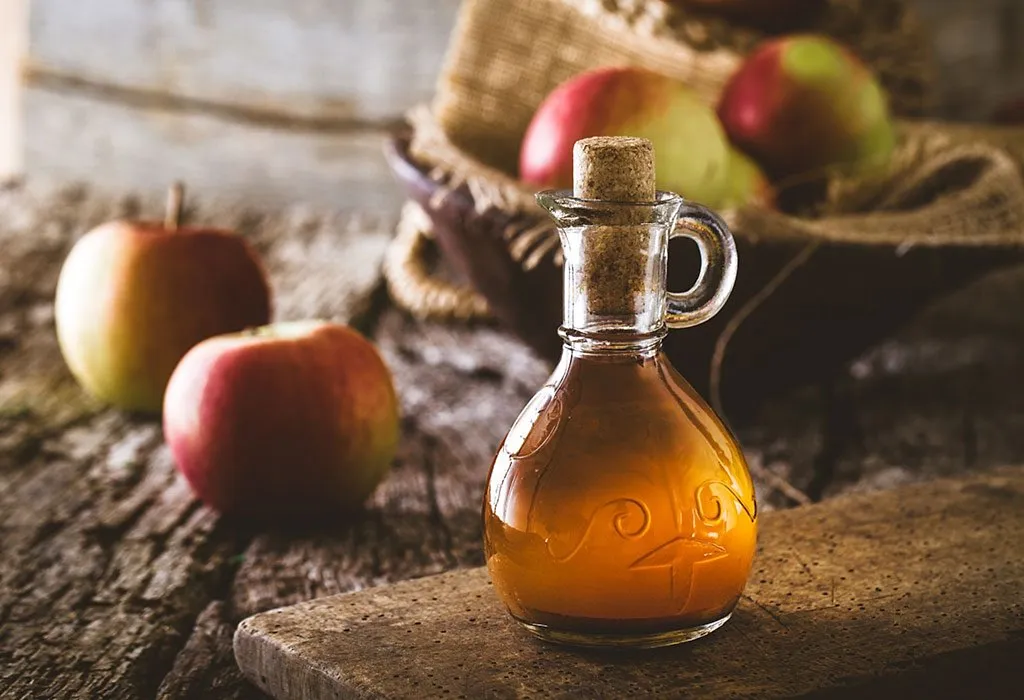
Used as a purifying scalp treatment for those with dandruff, apple cider vinegar can be an effective natural remedy. It won’t be harmful if applied locally, mixed with equal parts water, even during pregnancy. The acidity of vinegar lowers scalp pH, making it unsuitable for dandruff-causing microbes to grow. ACV has antimicrobial and anti-inflammatory properties, too, that keep the scalp clean by removing the dandruff-causing fungus. You can mix apple cider vinegar with twice as much water and apply it to your scalp 30 minutes before shampooing your hair.
2. Aloe Vera
Your dandruff problem during pregnancy can be easily addressed by aloe vera. It can effectively relieve an itchy scalp. Its anti-inflammatory action, along with its moisture-retention properties, can help maintain the scalp’s natural moisture and control dryness and a flaky scalp. Its natural anti-fungal properties help remove the yeast and fungus that cause scalp dandruff. It soothes the scalp and moisturises it, helping remove dead skin cells. Aloe vera is packed with cleansing enzymes that are powerful enough to remove dandruff and dead skin cells from the scalp. It can be used as a standalone natural remedy or in combination with other natural remedies to eliminate irritating flakes. Pure aloe vera can be massaged directly onto the scalp for the best results.
3. Garlic and Argan Oil
Garlic has anti-fungal and anti-bacterial properties and can be applied on the scalp before shampooing, for about half an hour. In a bowl, mix garlic paste, powder of 2-3 cloves, and a tablespoon of honey. You can rub this directly onto your scalp. This will help improve blood flow to the scalp and remove dust, grime, and other impurities that accumulate in the hair. You can also soak some finely-chopped garlic in argan oil and store it in a container. Use this only once a week – the goodness of garlic reaches your hair and its roots to act effectively.
4. Coconut Oil
Mix 100ml of coconut oil with 10ml of neem oil or 2ml of tea tree essential oil. A mixture of the two can be safely applied over the scalp overnight and washed in the morning. You can even leave it for 2 hours before rinsing your hair. This is the most widely used and safest method for pregnant women to treat dandruff.
5. Sea Salt
Add 2-3 tablespoons of pure sea salt to an oil-infused shampoo and gently exfoliate the scalp. Use a conditioner after exfoliation. This treatment will help in treating dry skin, which is the cause of dandruff.

6. Olive Oil
Olive oil has been used in skin care for centuries. It is commonly used as one of the components in anti-dandruff shampoos.
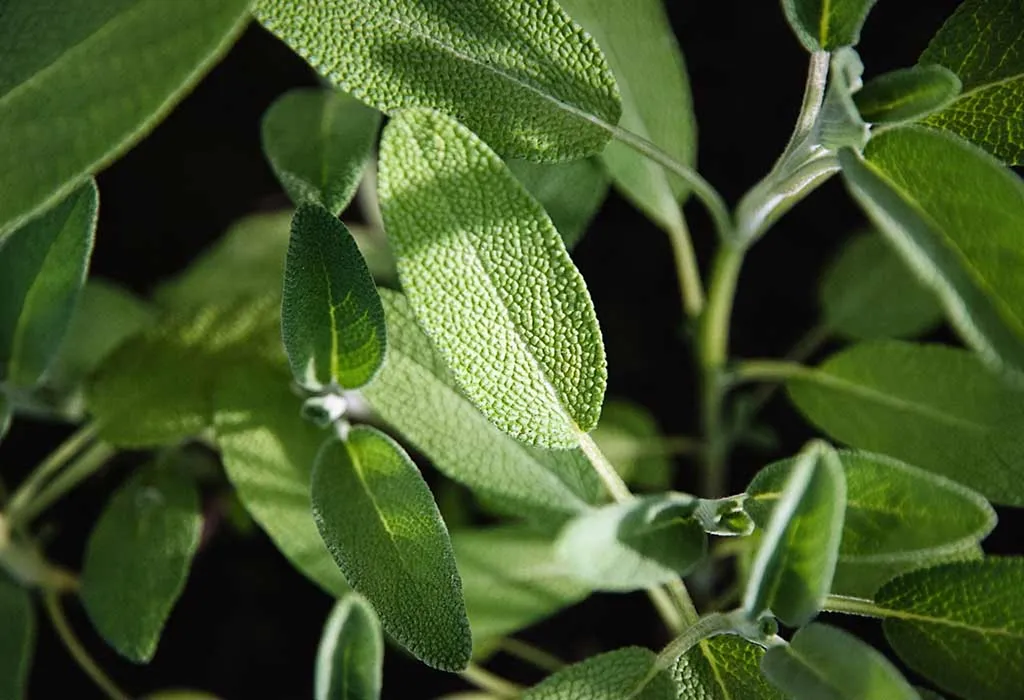
7. Sage
A scalp and hair massage with some sage extract can do wonders in the treatment of dandruff. It has traditionally been used in the treatment of dandruff and greasy hair.
8. Rosemary
Rosemary acts as a nourishing conditioner and can help fight dandruff, too.
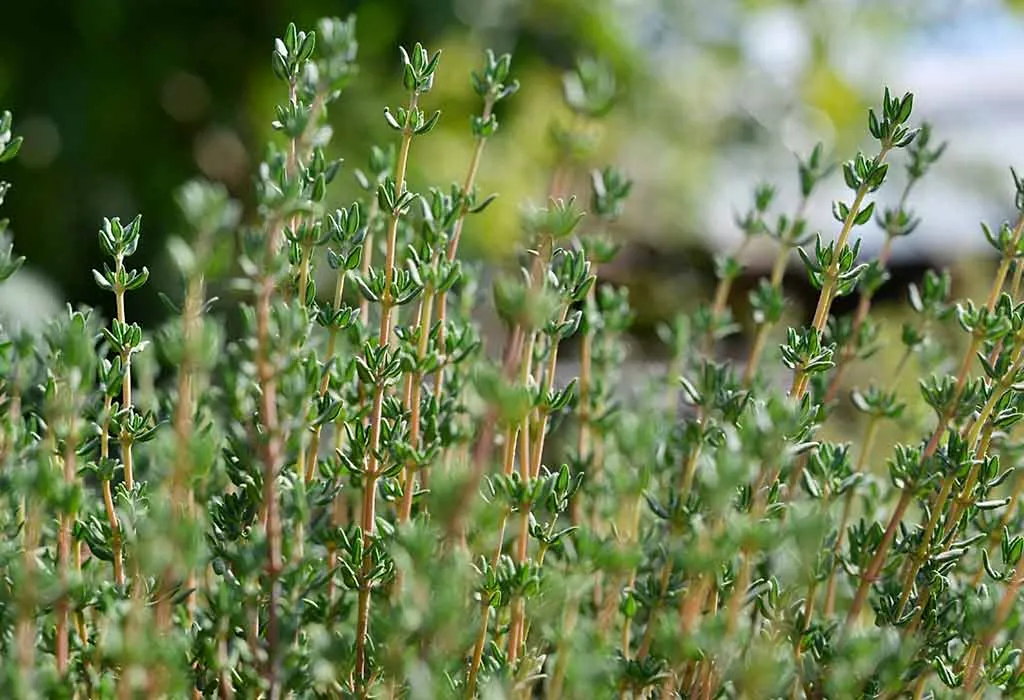
9. Thyme
You can rub thyme onto your scalp to help with dandruff. It is often used with rosemary to keep the hair and scalp healthy.
10. Walnuts
Walnut leaves have traditionally been used to treat skin and scalp conditions. It provides a soothing effect on itchy skin.
Tips to Prevent Dandruff While Pregnant
Since prevention is better than cure, how about taking adequate steps to prevent dandruff in the first place and avoiding the hassles of treating it later? Here are a few useful tips to ensure your pregnancy is dandruff-free (10):
- Manage stress: Pregnancy is a difficult time that can lead to stress. Your skin condition could be due to various forms of stress; hence, managing it is key to staying dandruff-free during this period.
- Manage diet: Vitamin B and zinc are absolutely necessary, as they not only help regenerate skin cells but also boost the immune system and maintain metabolic activity in the body. Include bananas, egg yolk, mushrooms and cauliflower in your diet to benefit from their goodness.
- Care for hair: Use a recommended anti-dandruff shampoo to keep your hair and scalp clean. Wash your hair after travelling outside, and let the shampoo soak in before rinsing with water. Make sure you dry your hair properly after washing it, as moisture can lead to other forms of skin irritation, too.
- Sleep well: Maintaining a good and healthy sleep cycle can help boost your immunity and give you better skin.
- Condition your hair: Keeping your scalp nourished and hydrated is key. Conditioning your hair after shampooing can help prevent dryness and itching.
- Choosing the right products: If dandruff is inevitable, you can invest in some anti-dandruff products that suit your scalp.
FAQs
1. Is dandruff an indication of a serious underlying health issue?
No, dandruff is actually a symptom of a seborrheic dermatitis, hormonal changes, or other issues. The dandruff may worsen if left untreated, but it is not an indication of any serious underlying health condition.
2. Can dandruff during pregnancy affect the foetus’s health?
There’s no scientific evidence present regarding dandruff negatively impacting the growing foetus or causing any complications during pregnancy. It’s an aesthetic discomfort overall.
3. Is it possible to have more dandruff in a particular trimester of pregnancy?
Multiple skin changes occur throughout pregnancy, and dandruff is not particularly common or attributed to any particular trimester or phase. It can happen anytime.
Haircare forms an important part of our grooming and is absolutely essential during pregnancy. Keeping the scalp and hair clean, maintaining the right diet and keeping stress levels at a minimum can prove to be helpful in treating dandruff.
Also Read:
Head Lice in Pregnancy
Hair Care while Pregnant
Hair Fall during Pregnancy
Was This Article Helpful?
Parenting is a huge responsibility, for you as a caregiver, but also for us as a parenting content platform. We understand that and take our responsibility of creating credible content seriously. FirstCry Parenting articles are written and published only after extensive research using factually sound references to deliver quality content that is accurate, validated by experts, and completely reliable. To understand how we go about creating content that is credible, read our editorial policy here.
1. PubMed Central – A New Postulate on Two Stages of Dandruff: A Clinical Perspective
2. CDC – Common Reproductive Health Concerns for Women
3. Mayo Clinic – Dandruff Symptoms & Causes
4. PubMed Central – Topical anti‐inflammatory agents for seborrhoeic dermatitis of the face or scalp
6. Harvard Health Publishing – What is the best way to treat severe dandruff?
7. PubMed Central – DANDRUFF: THE MOST COMMERCIALLY EXPLOITED SKIN DISEASE
8. BetterHealth Channel – Dandruff and itching scalp
9. Jamaica Hospital Medical Center – Home Remedies for Dandruff
- Author
- Expert Reviewer
 About the Author
Mahak Arora
Related Articles
-

Yoga for Pregnant Women - Best Prenatal Yoga Poses, Benefits and Tips
-
Cat Litter Box and Pregnancy - Is It Safe?
-
Vaginal Bleeding in Late Pregnancy - Causes, Symptoms & Treatment
-
Is Amino Acid Safe for Pregnant Women?
-
Climbing Stairs During Pregnancy - Safe or Unsafe?
-
Dancing During Pregnancy - Benefits and Important Safety Tips