

Diaper Shopping Checklist for New Parents: What Not to Miss




In this Article
- Why Correct Diaper Shopping Really Matters From Day One
- What to Look for When Choosing a Diaper: The Ultimate Checklist
- Your Complete Diaper Shopping Checklist: Everything in One Place
- FAQs
View More
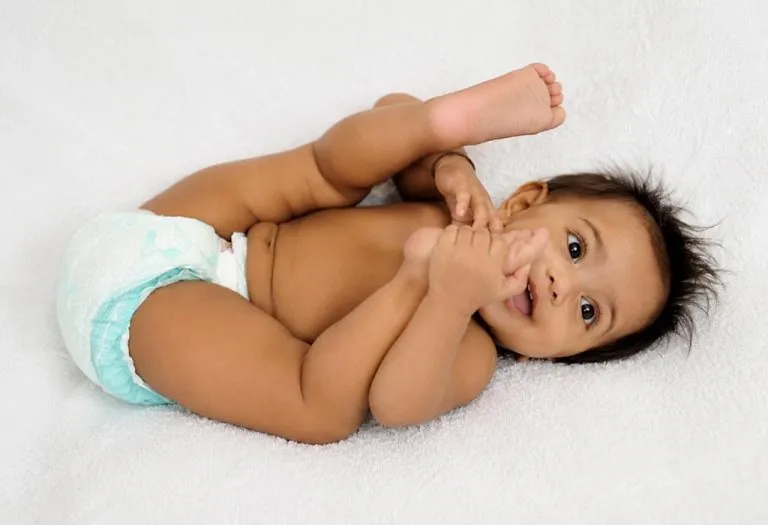
Diaper shopping isn’t as simple as it sounds. Walk into any baby aisle, and you’ll find dozens of different kinds of diapers, special features, brands, and sizes (this may trouble you if you are a first-time parent)! How many diapers should you buy? What features should you look for? Among preparing for the baby’s arrival with everything from crib assembly to clothes, diapers are the most essential baby items. In the first few months alone, you’ll go through hundreds of diapers, so getting diaper selection right will ensure your little one is comfortable right from the start.
Why Correct Diaper Shopping Really Matters From Day One
How many diapers a baby will go through can depend on their age, weight, and diaper size. But as an estimate, a newborn baby typically goes through 5 to 12 diapers a day. So, in the first month alone, your little one will go through roughly 150 to 360 diapers. Hmm…quite a number, right?
Secondly, the right diaper choice also matters for your baby’s skin health! A newborn baby’s skin is highly sensitive and delicate. It is thinner, more permeable, and more reactive than an adult’s skin, which means prolonged contact with chemicals, moisture, or an ill-fitting diaper can quickly lead to diaper rash, skin irritation, and discomfort. According to the American Academy of Pediatrics, at least half of all babies experience diaper rash at some point.
This is the reason why choosing the right kind of diaper for your baby can meaningfully reduce this risk.
What to Look for When Choosing a Diaper: The Ultimate Checklist
Not all kinds of diapers are the same; they come with different features and in different sizes. What may work amazingly for one baby may not suit another at all. So, here’s a quick guide on what to look for when choosing a diaper for your baby:
1. Absorbency and Leak Protection
The main function of any diaper is to absorb moisture quickly and keep your baby’s skin dry. When you select a diaper, look for one with a fast-absorbing inner layer and a deep, well-distributed absorbent core, so that there is no leakage and no sogginess.
The good news is that Mamy Poko Pants Extra Absorb Baby Diapers come with a deep absorbent crisscross sheet that offers 3-layer deep absorption and prevents leakage for up to 12 hours. This means no wetness on the top and no heaviness at the bottom of the diaper, ensuring soft and dry baby skin without any rash or inflammation.
2. Fit and Sizing
Another thing most new parents make a mistake in while choosing a baby diaper is the size. A diaper that fits well and snugly does most of the job in preventing leaks and messy blowouts. The right thing is to look for stretchy side panels that fit comfortably on your baby’s skin. The waistband should be snug but not tight, the leg cuffs should sit flat against the skin without gaps or cutting in, and the front and back rise should fully cover the bottom.
Some brands like Mamy Poko Pants come with features like ‘Innovative Flexifit,’ which evenly distributes pressure across a baby’s tummy and provides 2X protection from thigh leaks. The waistband, made with premium, soft, stretchy material, adjusts around your baby’s bottom gently, preventing red marks.
Please remember that diaper sizes are based on weight, not age, so when you go look for a diaper, remember to buy one according to your little one’s weight. Since babies double their birth weight very quickly in their initial months, it’s wise not to stock up on just one size. Babies grow out of sizes faster than you expect.
3. Skin Safety and Ingredients
As we know, a newborn baby’s skin is highly permeable and sensitive to outdoor influences; it easily absorbs what it comes in contact with. Thus, your baby needs a diaper that is gentle on their skin. Look for a diaper that comes with a skin-friendly sheet that absorbs moisture well and stays soft even after getting wet.
4. Breathability
A breathable diaper outer layer allows air to circulate and reduces the warm, moist environment that promotes the growth of the bacteria and yeast responsible for diaper rash. Many modern diapers use a micro-porous outer cover that is waterproof but still allows vapour to escape. Breathability is particularly important in warm climates or during summer months.
5. Ease of Use
This point may seem trivial until you are changing the twelfth diaper at 3 am. Pant-style diapers with flexible waistbands make it super easy for parents to change a diaper.
Your Complete Diaper Shopping Checklist: Everything in One Place
Use the checklist below to make sure you have covered every category before your baby arrives:
Diapering Hardware & Changing Station
- Diapers: Make sure to buy the diapers according to the weight of your baby. Also, don’t buy too many of the same size; instead, spread the purchase in different sizes, as babies outgrow them quickly.
- Portable Changing Mat: A padded, foldable mat for on-the-go changes in public restrooms or car trunks.
Skincare & Sanitation
- Baby Wipes: Look for alcohol-free, unscented, water-based, or sensitive-skin baby wipes.
- Diaper Rash Cream: Diaper rash cream is essential in preventing inflammation and rashes in the diaper area. Look for zinc oxide in the baby diaper rash cream as it creates a water-proof barrier over the skin and speeds up healing.
- Hand Sanitiser: Best saved when you are out, and there’s no handwashing facility; hand sanitisers work best. Look for baby-safe, alcohol-free hand sanitiser.
On-the-Go Essentials (Diaper Bag)
- The Diaper Bag: A structured, waterproof diaper bag with multiple compartments and stroller clips is great at keeping things in place.
- Disposal Bags: Look for scented or biodegradable disposable bags for locking away dirty diapers in public bins.
- Change of Clothes: Keep 2-3 complete changes of clothes, including onesies and bottoms, to handle unexpected blowouts.
- Burp Cloths: Keep 2-3 extra burp cloths for cleaning up spit-up during or after diaper changes.
FAQs
1. How do I know when it’s time to move up a diaper size?
The clearest signs that your baby has outgrown their current size would be red marks left on the thighs or waist when you remove the diaper, frequent leaks around the legs despite a proper fit, and the diaper not fully covering the bottom. Weight is the primary sizing guide, but fit matters more than the number on the packet. So, if the current one doesn’t fit well, try the next size.
2. Is it safe to use diaper rash creams at every change?
You may apply a thin layer of diaper rash cream containing zinc oxide at every diaper change as it is safe and recommended by many paediatricians as a preventative measure, not just a treatment.
When shopping for a newborn baby, the choice you make when choosing diapers is an important one. It is the single most used item in the first three years. But worry not. Finding the right one isn’t that difficult. Keeping a few points in mind can help when choosing the right type of diaper for your baby.
Was This Article Helpful?
Parenting is a huge responsibility, for you as a caregiver, but also for us as a parenting content platform. We understand that and take our responsibility of creating credible content seriously. FirstCry Parenting articles are written and published only after extensive research using factually sound references to deliver quality content that is accurate, validated by experts, and completely reliable. To understand how we go about creating content that is credible, read our editorial policy here.
- Author






.svg)