


Blurry Vision During Pregnancy – Causes, Treatments and Prevention
Blurry Vision during pregnancy causes symptoms and safe tips for expecting moms to manage eye changes comfortably.





Medically Reviewed By
Dr. Aruna Kalra
(Gynecologist/Obstetrician)

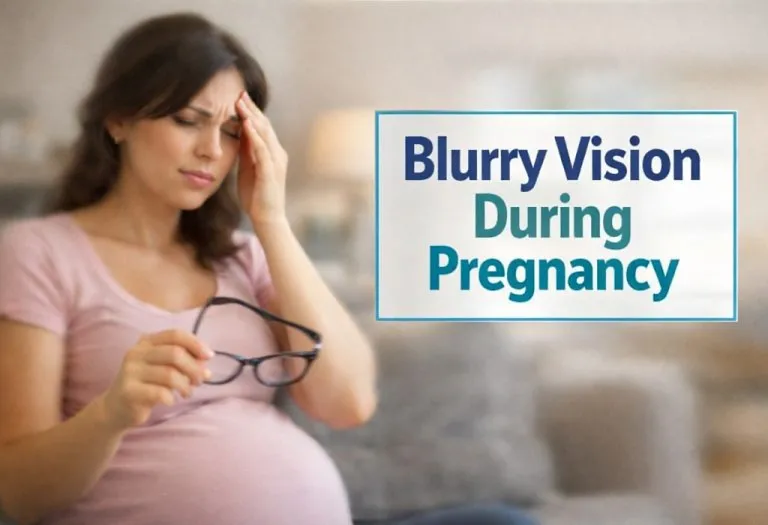
Image Credit : AI Generated Image
In this Article
- What Is Blurred Vision in Pregnancy?
- When Does Blurry Vision Begin During Pregnancy?
- Causes of Blurry Vision During Pregnancy
- Signs and Symptoms of Blurred Vision
- How to Treat Blurry Vision in Pregnancy?
- Tips to Cope with Blurry Eyesight in Pregnancy
- When Can You Expect Blurred Vision to End?
- How to Prevent Blurred Vision During Pregnancy?
- When to Consult a Doctor
- FAQs
View More
Pregnancy is one of the most turbulent times in the life of a woman. There are changes occurring in almost all parts of the body, and you are sure to experience changes both physically and emotionally at this time. With so many changes occurring during pregnancy, there are sure to be some problems too.
Blurry vision during pregnancy is a common condition which affects a few expecting mothers. This is owing to a lot of changes in the body and will affect the mother around 20 weeks into her pregnancy. In this article, let us take a look at what blurry vision during pregnancy means and how it can be managed effectively.
What Is Blurred Vision in Pregnancy?
Many women search online for information about ‘blurry vision and pregnancy’ because it is a common but often surprising symptom.
Blurred vision during pregnancy is said to occur when the woman experiences a deterioration in her capability to see during the pregnancy. This may simply make the images she sees less sharp, or it can lead to difficulties owing to blurred vision. The extent to which this can affect the woman differs according to the person. It may affect the pregnant woman at any time during the pregnancy, sometimes even weeks before you find out that you are pregnant. In most cases, it gets worse as the day of delivery approaches, and it may be accompanied by itchiness, infection or other problems. In any case, blurry vision is characterised by a reduction in the seeing capabilities of the mother (1).
When Does Blurry Vision Begin During Pregnancy?
There is no specific time as to when exactly this starts to manifest in the pregnant woman. It may start as early as a couple of weeks after fertilisation occurs, even before she realises that she’s pregnant. In most cases, the problem starts to affect the woman around halfway through her pregnancy. It may worsen as time passes, becoming infected, and you might also have an itchy feeling around your eye. Women say that the blurry vision progresses up to the day of delivery, after which it gets better and normal quickly.
Causes of Blurry Vision During Pregnancy
There are many reasons as to why blurry vision occurs in pregnant women; some of these are given below (2).
1. Reduced Tear Production
During pregnancy, a lot of hormones are released into the mother’s bloodstream. This affects all parts of the body, including the eyes. The hormones result in a reduction of tear production, which leads to dryness in the eyes. This causes irritation and discomfort during pregnancy.
2. Eye Pressure
You might have noticed that there is fluid buildup in your ankles and your feet during pregnancy. Similarly, fluid can build up in the eye and cause an increase in eye pressure at this time. This means that the curvature of the eye is affected, and your vision starts to get a little blurred. The thickness of the cornea also changes, resulting in more sensitive and itchy eyes.
3. Immune System
The focus of all your body parts during pregnancy is on the growing body, including the immune system. This means that your body works hard to protect the growing embryo, resulting in a lowered immune system for the mother. Therefore, she becomes increasingly susceptible to pink eye and similar infections.
4. Poor Peripheral Vision
You might also be going through a reduction in peripheral vision during pregnancy.
5. Coloured Eyelids
Melasma, a type of pigmentation which builds up around the eye during pregnancy, can also cause itchiness at the same time.
Signs and Symptoms of Blurred Vision
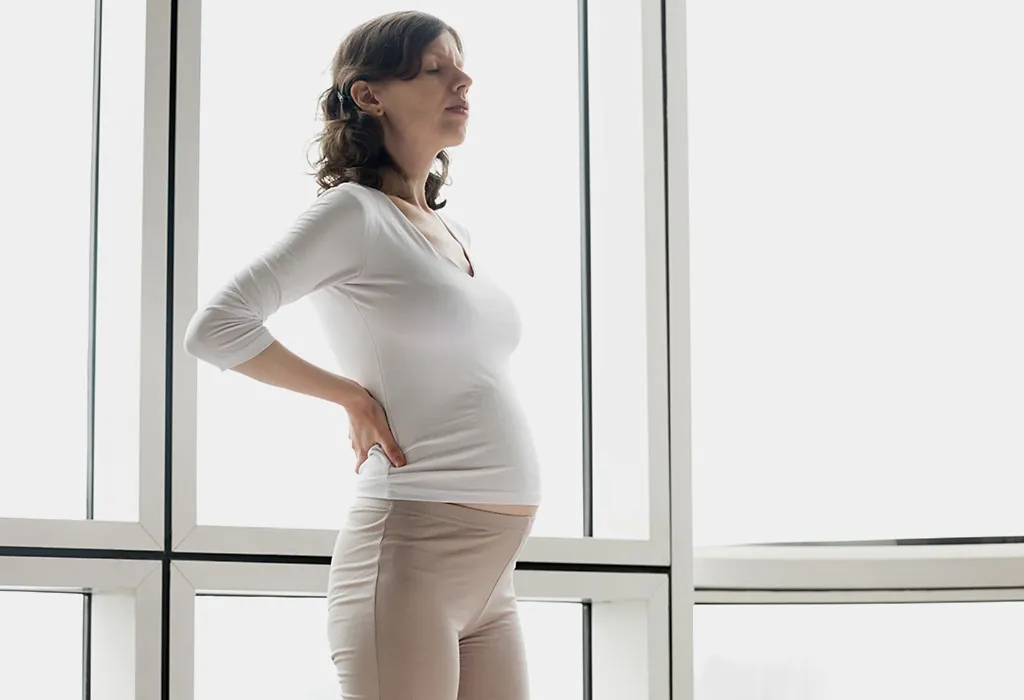
- Eye irritation
- Discomfort
- Dryness in the eyes
- Changes in Vision
- Floaters
- Spots
- Double vision
These are a few symptoms of blurry vision during pregnancy.
How to Treat Blurry Vision in Pregnancy?
Vision problems during pregnancy are common in mothers, so your doctor will most likely not treat your eyes until long after you give birth. If vision changes during pregnancy are present even after two months post-delivery, corrective surgery might be prescribed after extensive diagnosis. A common piece of patient advice involving ‘blurred vision in one eye in pregnancy’ is to monitor the symptom closely and report it at the next prenatal appointment.
Tips to Cope with Blurry Eyesight in Pregnancy
There are a few things that you can do during pregnancy to improve your condition (3).
- Lubricating eye drops can reduce the dryness in your eyes, and make you feel less itchy or irritated. However, you have to check with your doctor to ensure that the drops are pregnancy-safe before using them.
- Do not strain your eyes in any way during pregnancy. If you use contact lenses, you can switch over to glasses at least until the baby is born. Give your eyes enough rest, and make sure to read in places where there is adequate light.
- You do not have to buy new medicine or glasses in a hurry during pregnancy, considering how much your eyes have changed. In most cases, your eyesight will return to normal after you have given birth.
- Do not rush into surgery. Doctors will not allow you to undergo any surgery from around six months before pregnancy to at least six months after you stop breastfeeding. This is because the surgery may not be successful due to the body’s tendency to over-correct at this time.
When Can You Expect Blurred Vision to End?
Blurred vision during pregnancy third trimester reduces right after you give birth, and will be normal within six weeks of the delivery in most cases.
How to Prevent Blurred Vision During Pregnancy?
There are no methods to prevent this phenomenon, as it is a ‘side effect’ of pregnancy. This means that you will have to cope with it, and you can also do all that you can to make your condition better.
When to Consult a Doctor
You should tell your doctor as soon as you get blurred vision, as he will need to check your blood pressure and sugar at the time. If the problem is accompanied by swelling, abdominal pain, headaches and rapid weight gain, it may be an indication of preeclampsia- so tell your doctor immediately (4). It’s important for pregnant women to know that ‘sudden blurry vision pregnancy second trimester’ is something they should tell their doctor about.
FAQs
1. Can a silent migraine cause blurry vision without a headache?
Yes, it can. Some women get ocular migraines or migraines with an aura. This is a brain signal that affects your sight. You might see flashing lights, zigzag lines, or a blurry spot for up to an hour, sometimes without any headache at all. It’s strange but usually harmless on its own (5). Still, tell your doctor about it.
2. Is there a rare eye condition linked to pregnancy stress?
There is a rare one called central serous chorioretinopathy (CSCR). It happens when a tiny bit of fluid leaks under the retina (the back part of your eye). This can make your central vision wavy or give you a blind spot (6). It’s linked to stress hormones and most often happens in the last few months of pregnancy. The good news is that it almost always clears up on its own a few months after you have your baby.
Blurred vision during pregnancy is common and will mostly go away right after you give birth to your baby. However, if the condition is accompanied by other problems or lasts for more than two months after delivery, you need to pay a visit to the doctor as soon as possible.
Also Read:
Eye Spasm in Pregnancy
Pink Eye while Pregnant
Dark Circle during Pregnancy
Eye Infection during Pregnancy
Was This Article Helpful?
Parenting is a huge responsibility, for you as a caregiver, but also for us as a parenting content platform. We understand that and take our responsibility of creating credible content seriously. FirstCry Parenting articles are written and published only after extensive research using factually sound references to deliver quality content that is accurate, validated by experts, and completely reliable. To understand how we go about creating content that is credible, read our editorial policy here.
- Author
- Expert Reviewer
 About the Author
Aliya Khan
Related Articles
-

How to Treat Boils and Painful Bumps During Pregnancy
-

Evening Primrose Oil for Pregnancy: Health Benefits & Side Effects
-

Wearing Bra During Pregnancy: How to Choose the Right One?
-
The Truth About Stretch Mark Creams: How to Choose a Safe & Effective Cream
-

Sleeping on Back During Pregnancy - Is It Harmful?
-

Breathing Polluted Air during Pregnancy - Consequences and How You Can Protect Yourself