

Bad Breath (Halitosis) During Pregnancy – Causes, Symptoms, and Treatment
Pregnancy can bring unexpected changes, including bad breath. Learn what triggers it and safe tips to feel fresher every day.




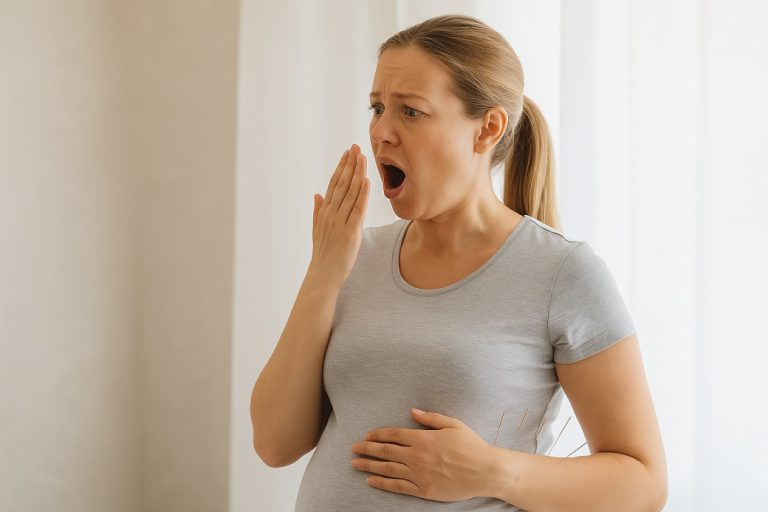
Image Credit : AI Generated Image
Pregnancy is full of surprises, some sweet, some strange, and some you would rather not talk about. Bad breath during pregnancy is definitely one of them. Bad breath is definitely one of them. If you have recently caught an unpleasant whiff when you exhale, don’t stress because you are far from the only one. Halitosis in pregnancy is surprisingly common and often linked to the normal body changes you are already experiencing. Hormonal shifts, changes in digestion, and even small tweaks in your daily routine can all team up to create this unwelcome mouth smell. It can feel a little unsettling, but it happens to many expectant mothers. Once you understand what is behind it and how to ease the odour, the whole situation becomes much easier to manage and a lot less worrying. Keep reading to learn what causes smelly breath in pregnancy and what you can do about it.
What Is Bad Breath?
Bad breath, also known as halitosis, is an unpleasant odour that comes from the mouth. It can happen occasionally, like after eating strong-smelling foods, or it can be more persistent due to factors such as poor oral hygiene, dry mouth, or underlying health issues (1) (2). Bad breath itself is not a disease, but rather a sign that something in the mouth or digestive system is out of balance.
Is Smelly or Bad Breath Common During Pregnancy?
You might be wondering, Why is this happening to me and Does anyone else go through it. Many women ask themselves the same thing, and the answer is yes, it is very common. As your body changes, your mouth can feel drier and your digestion can shift (3), which can make the smell stronger than usual. It can feel a bit awkward, but it is a normal part of pregnancy for many people.
Causes of Bad Breath (Halitosis) in Pregnancy
Smelly breath during pregnancy can feel like one of those unexpected symptoms nobody warned you about. But there’s usually a reason behind it. Let’s look at the most common causes of halitosis during pregnancy.
1. Hormonal Changes
Pregnancy hormones, especially progesterone and estrogen, rise quickly and can affect everything from saliva production to how your body handles bacteria (3) (4). These hormonal shifts can create an environment where odour-causing bacteria thrive, leading to noticeable changes in your breath.
2. Morning Sickness
Frequent nausea and vomiting can leave stomach acids in your mouth. These acids not only irritate your teeth and gums but also create a sour odour that contributes to halitosis (5).
3. Dehydration
Pregnant women need more water than usual, and not drinking enough can quickly lead to dehydration. When your body is low on fluids, saliva production drops, which creates the perfect environment for bad breath.
4. Changes in Diet
Pregnancy cravings can introduce strong-smelling foods into your routine, such as garlic, onions, or spicy dishes. These foods can leave lingering odours in the mouth and even affect your breath as they digest.
5. Calcium Deficiency
During pregnancy, your body uses more calcium to support your baby’s developing bones and teeth. If you are not getting enough, your own teeth and gums may become more vulnerable to decay and irritation. These issues can increase bacteria buildup in the mouth, leading to stronger, unpleasant breath (6).
6. Decreased Saliva Flow
Some women experience a natural drop in saliva production during pregnancy, even without full-on dry mouth (3). When saliva slows down, it becomes harder for your mouth to rinse away bacteria and food particles. This creates conditions where odour-producing bacteria can multiply more easily.
7. Acid Reflux
As your baby grows, pressure on your stomach increases, often causing acid reflux. Stomach acid can move upward into the throat and mouth, creating a sour or metallic smell (7).
8. Medical Conditions
Certain medical conditions that may appear or worsen during pregnancy, such as gestational diabetes, respiratory infections, or kidney and liver issues, can sometimes cause unusual or strong-smelling breath (2) (8).
Symptoms of Smelly Breath in Pregnancy
Many women notice small changes in their breath as pregnancy moves along, and it can become easier to spot them once you know what to look for. Here are a few bad breath pregnancy symptoms you may notice (1).
- A dry or sticky feeling in the mouth.
- A sour or metallic taste that does not fade easily.
- Red, swollen, and bleeding gums.
- A coated feeling on the tongue that makes the odour stronger.
How Is Bad Breath Diagnosed During Pregnancy?
Bad breath is often something you notice yourself, but sometimes a partner or close friend may point it out first. If you start wondering what’s causing that unfamiliar mouth odour during pregnancy, a dentist can help get to the bottom of it. Here are a few common methods they may use (2) (8).
1. Organoleptic Assessment
This is one of the most commonly used and trusted ways to diagnose halitosis. The dentist evaluates the smell of the air you breathe out, usually through the nose, to determine the strength and type of odour.
2. Gas Chromatography
A highly accurate method that measures the levels of volatile sulfur compounds (VSCs) in your breath. These sulfur compounds are often responsible for strong or persistent bad breath.
3. Sulfide Monitoring
This cost-effective test checks for sulfur-containing gases by detecting their electrochemical reactions. It gives a quick estimate of how much odour-producing gas is present.
4. Chemical Sensor Devices
These handheld sensors analyse sulfur compounds collected from areas like the tongue or gum pockets. The device measures the electrical reaction produced, which helps identify the presence of odour-causing bacteria.
Treatment for Bad Breath in Pregnancy
Bad breath during pregnancy can feel bothersome, and many women look for simple ways to feel fresher again. Once your dentist identifies what’s causing your mouth smell during pregnancy, they can recommend the most suitable treatment. Let’s check the options that can help (9).
- Thorough dental cleaning to remove built-up plaque above and below the gumline.
- Smoothing and treating gum pockets to eliminate bacteria hiding under the gums.
- Tooth-coloured fillings to repair enamel worn down from vomiting or acid exposure.
- Restoring cavities with safe, pregnancy-appropriate filling materials.
- Gentle removal of excess gum tissue if plaque buildup has caused irritation.
Are There Any Risks While Treating Bad Mouth Smell When Pregnant?
Most dental treatments used to manage bad breath during pregnancy are considered safe, especially when performed by a trained professional. The main thing to be careful about is using mouthwashes that contain alcohol or harsh ingredients, since they may cause dryness or irritation (10). If you ever need dental procedures or new medicines, it is best to check with your doctor or dentist first so they can guide you toward options that are safe for both you and your baby.
Home Remedies to Avoid Bad Breath While Pregnant
Dealing with bad breath during pregnancy can feel tiring, but many simple home remedies can bring quick relief. These small steps work well alongside your regular oral care and are easy to fit into your day. Here are some helpful ideas you can try at home (1) (9) (11).
- Brush your teeth twice a day to remove odour-causing bacteria.
- Floss daily to clear food particles stuck between teeth.
- Drink plenty of water to maintain healthy saliva flow.
- Rinse with warm salt water to reduce bacteria and soothe gums.
- Chew sugar-free gum to stimulate saliva and freshen your breath.
- Eat crunchy fruits and vegetables like apples or carrots to naturally clean your teeth.
- Limit strong-smelling foods such as garlic, onions, and heavily spiced dishes.
- Choose low-sugar snacks to prevent bacterial growth.
- Rinse your mouth after morning sickness to neutralise stomach acids.
- Gently clean your tongue to remove built-up bacteria.
- Include probiotic or fibre-rich foods to support gut health and reduce odour.
When to Consult a Doctor?
Bad breath in pregnancy usually improves with simple care, but some signs can point to something that needs more attention. If you notice any of the concerns below, it may be time to reach out to a doctor (12).
- The smell does not improve even after regular brushing.
- You notice bleeding or swollen gums.
- You have pain in your teeth or jaw.
- You experience frequent acid reflux or heartburn.
- You have ongoing nausea or vomiting that worsens your breath.
- Your mouth stays dry no matter how much water you drink.
- You see white patches or unusual coating on your tongue.
- You are unsure whether a treatment or product is safe during pregnancy.
FAQs
1. Will bad breath go away after pregnancy?
For most women, yes. Once hormone levels stabilise and morning sickness or reflux improves, breath odour typically fades. Keeping good oral hygiene and staying hydrated can help speed up this process (13).
2. Does bad breath during pregnancy indicate the baby’s gender?
No, bad breath has no connection to your baby’s gender. It is simply a result of hormonal changes, morning sickness, diet, or oral health shifts during pregnancy.
3. Is bad breath more common in first-time pregnancies?
Not necessarily. Bad breath depends more on hormonal changes, morning sickness, and oral hygiene rather than whether it’s your first pregnancy or a later one.
Pregnancy can bring a mix of changes, and breathing issues are just one of the many surprises along the way. If you ever feel unsure about a symptom or need extra guidance, a quick talk with your doctor or dentist can help you feel more at ease. What other weird symptom did you experience during your pregnancy? Do let us know in the comments.
Also Read:
Smelly Urine While Pregnant
Body Odour While Pregnant – Do I Smell?
Heightened Sense of Smell During Pregnancy
Was This Article Helpful?
Parenting is a huge responsibility, for you as a caregiver, but also for us as a parenting content platform. We understand that and take our responsibility of creating credible content seriously. FirstCry Parenting articles are written and published only after extensive research using factually sound references to deliver quality content that is accurate, validated by experts, and completely reliable. To understand how we go about creating content that is credible, read our editorial policy here.
1. Cleveland Clinic – Bad Breath (Halitosis)
2. PubMed Central – Halitosis: From diagnosis to management
3. NORTHWEST CLINIC DAY SURGICAL – Can Early Pregnancy Cause Dry Mouth
5. PubMed Central – Dental Considerations in Pregnancy-A Critical Review on the Oral Care
6. PubMed Central – Hypocalcemia in Pregnancy: A Clinical Review Update
7. Cleveland Clinic – Heartburn During Pregnancy
8. National Library of Medicine – Halitosis
9. Johns Hopkins Medicine – Halitosis (Bad Breath)
10. Cleveland Clinic – Oral Hygiene and Dental Care During Pregnancy
11. NHS – Bad breath
- Author
 About the Author
Rama Aiyer
Related Articles
-

Fetal Cephalic Presentation During Pregnancy
-
Amazing Pumpkin Pregnancy Announcement Ideas
-
Pregnancy Nose Swelling: Causes, Symptoms & Prevention
-
Sex Positions in Pregnancy – Which Ones Are Safe
-
Malnourishment During Pregnancy - Risks for Mother and Baby
-
Awesome Ideas to Throw a Harry Potter Themed Baby Shower