
Inherited Traits – Passing Traits From Parents to Children
A simple guide to inherited traits explaining how genetic features are passed from parents to their children.




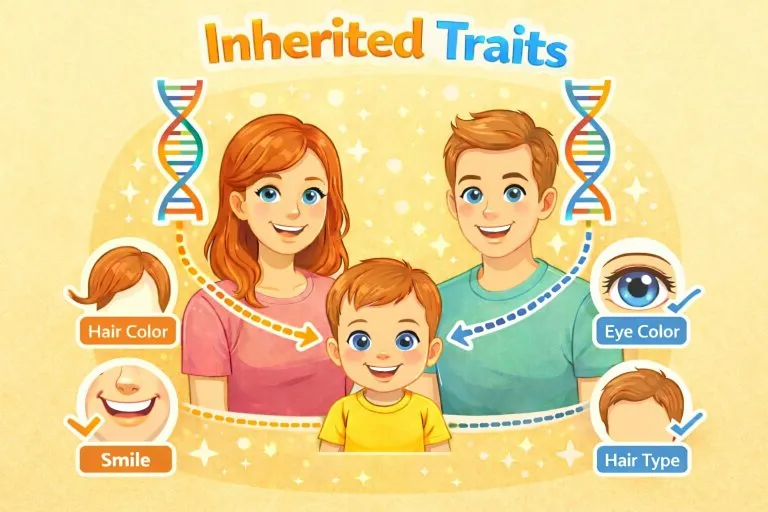
Image Credit : AI Generated Image
When you see a trait that your child exhibits that is similar to something you possess, know that this isn’t just some random coincidence. Traits are inherited and passed from parent to child through their genes. Some are passed from the mother and some from the father. Others depend on what traits are most prominent in both parents, if they are dominant traits and if they run in the family. In this article, we will cover everything you need to know about the passing of traits from parents to offspring, what are inherited traits and more!
What Are Inherited Traits?
Let’s understand inherited traitis meaning in an easy way. In a baby, there are certain traits belonging to both parents that the baby will adopt. The baby might have the father’s nose or the mother’s mouth. The genes of both parents influence what traits and characteristics the baby will have, and these are called inherited traits.
Role of Genes in Inherited Traits
Children inherit genes from both their mother and father. What we see in the end is the dominant set of genes or dominant genes. Boys have one X and one Y chromosome, while girls have two X chromosomes. The X chromosome contains more genes than the Y chromosome, and hence girls will have double the opportunity to exhibit dominant genetic traits inherited from their parents than boys. For example, a boy may inherit a blood disorder called haemophilia, while his sister will still carry the gene even if she does not have the disorder herself.
What Is the Difference Between Inherited Traits and Acquired Traits?
Let’s see the difference between inherited traits vs acquired traits with examples of inherited traits and the other one to understand them both better (1).
| Inherited Traits | Acquired Traits |
| Inherited traits are the features that a person inherits from their biological parents. |
Acquired traits are the features or behaviours that a person acquires over their life.
|
| These are passed down through generations through DNA and genetic material. |
These traits are not passed down from generation to generation, and each individual develops their own traits.
|
| These traits are dependent on the laws of inheritance. |
These traits are dependent on the individual’s environment.
|
| There are many physiological and behavioural elements that can be determined through inherited traits. |
It is difficult to pinpoint any characteristics of an individual unless one knows their environment.
|
| Examples: Hair, Skin, Height |
Examples: Likes, Dislikes, Cooking Skills
|
What Traits Are Inherited From Mother Only?
So what traits are inherited from the mother and what from the father? Let’s look at a few genetic traits inherited from the mother below:



1. Left-handedness
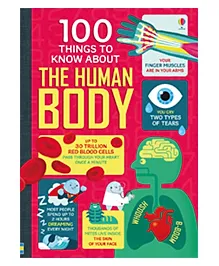
Being left-handed is pretty rare, so the genes responsible for this trait are also quite complicated. If the baby’s father is left-handed, there is a slight chance the baby might be too, but if his mother is left-handed, then the possibility increases exponentially. This is one of the fine instances of inherited traits from mothers. If both parents are left-handed, the baby will be too. Also, if all the people on the mother’s family tree are left-handed, the baby will inherit this trait. There can be other personality traits inherited from the mother.
2. Blood sugar
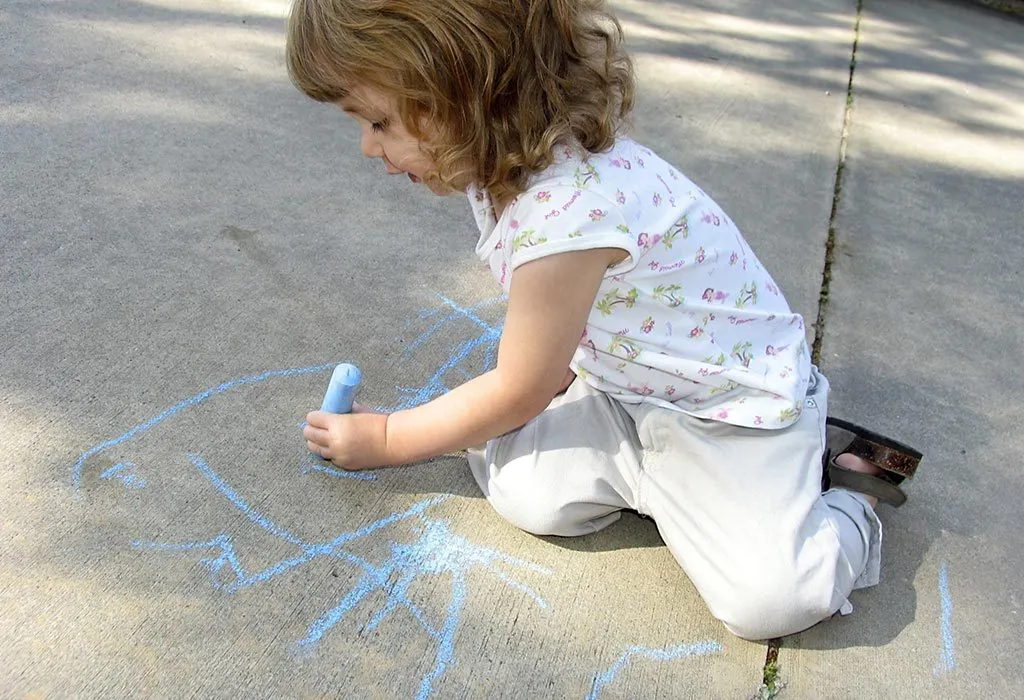
Diabetes is something that is quite easily inherited from parent to child (2). If the mother carrying a baby was suffering from diabetes pre-pregnancy, her baby could have it too. If the woman can keep her diabetes well under control and blood sugar levels stable during and before pregnancy, she can still deliver a healthy baby. If she has Type 1 diabetes, there is a chance the baby can have low blood sugar soon after birth and for the first few days.
3. Sleeping Style
According to a 2023 study published in the Journal of Child Psychology and Psychiatry, it was found that children with a genetic predisposition towards insomnia experience more sleep issues similar to insomnia, while those with a genetic tendency for extended sleep show longer sleep durations but also tend to be more awake at night during their teenage years (3). The mother’s genetics seem to play a huge role in the baby inheriting sleep traits like tossing or turning, and insomnia. But this can also be because most mothers sync their nap time with their babies during the first few months post-delivery.
4. Lyme Disease
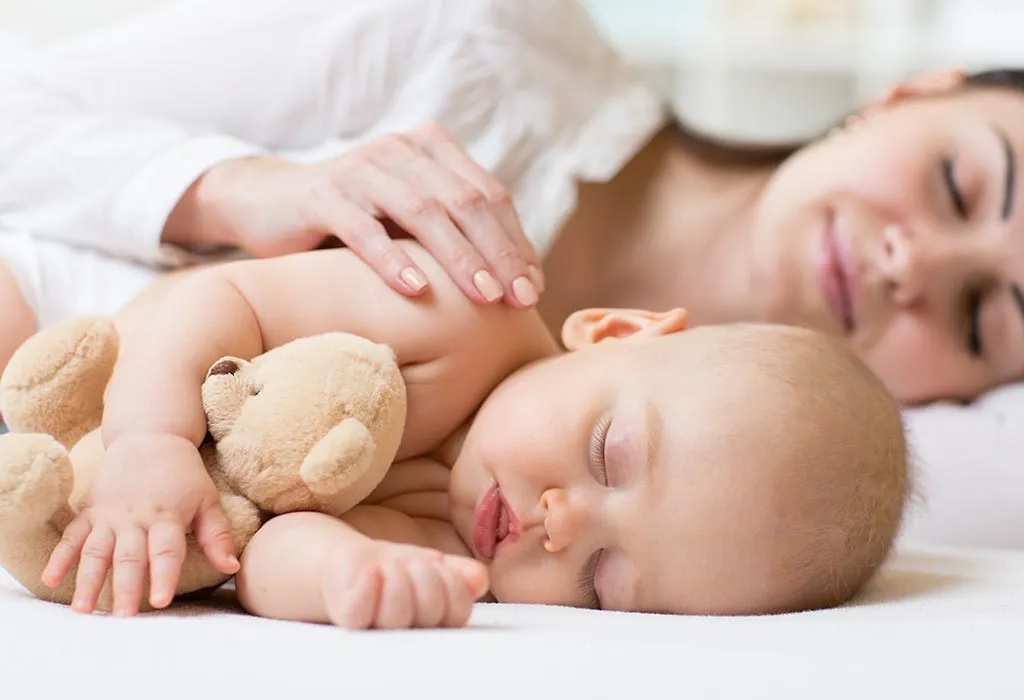
Lyme disease is a rare inflammatory disease caused by ticks. It is serious but not life-threatening. If a woman is pregnant and has Lyme disease, she can pass it onto her unborn baby. For a baby, Lyme disease is quite fatal so take measures to avoid contracting it before pregnancy to keep your baby safe.
5. Drug Addiction
Addiction can play a huge role in genetics and DNA sequencing. A 2021 study published in Translational Psychiatry compared siblings and observed the links between maternal alcohol consumption during pregnancy and emotional difficulties in their children (4).
For example, if the mother takes heroin during her pregnancy, it will pass to the baby through her bloodstream. Due to this, the baby will be addicted to heroin when he is born and will have trouble with withdrawal symptoms. Taking heroin while pregnant also increases the chances of premature birth or stillbirth.

6. HIV/AIDS
Mothers who have HIV can pass it on to their unborn babies. If she doesn’t pass it to her child during pregnancy, the child can still contract it via breastfeeding or exchange of body fluids.
7. Mutations
Mutations usually occur when DNA splices itself and comes back together in a slightly different form. Mutations are influenced by the parents’ genes; if the mother has a mutation, it might be passed on to the child or might manifest the same way.
8. Hashimoto’s Disease
This disease happens when the body’s immune system attacks the thyroid. Hashimoto’s disease is often passed down from the mother or someone in her family tree. If a mother has some thyroid issues or Hashimoto’s, the children need to be checked as well.
9. Hair Type and Colour
Dominant and recessive genes play a huge role in determining hair colour and type. There is more chance that the baby will inherit the mother’s dominant gene for hair colour and texture.

10. Huntington’s Disease
This is a very serious disorder which causes a slow breakdown of the nervous system. It gets transferred from mother to child, and there is no real cure. The only prevention is to make sure never to take in any toxins during pregnancy.
11. Mitochondrial Diseases
Mitochondrial DNA is inherited from the mother, and hence any diseases related to the mitochondria are also inherited from the mother (5). These diseases can be caused by any mutation or defect in the mitochondrial DNA. These usually appear at birth and can affect almost every organ of the body, including the liver, heart, and brain.
12. Eye Conditions
Recent studies suggest that a person’s eyesight and eye structure are inherited from their mother, and so, any eye conditions that the mother has can be passed on to the offspring too.
What Traits Are Inherited From the Father Only?
Below is a list of traits inherited from father to child:
1. Eye Colour
Dominant and recessive genes play a role in determining the eye colour of the child. Dark-coloured eyes are dominant and light coloured eyes are recessive. The baby can have the father’s eyes if they are the dominant colour between both parents (1).
2. Height
If the father is tall, there is a greater chance for the child to also be tall. If the mother is short, the child may grow to be the same height as her. It just depends on the genetics of both parents.

3. Dimples
Dimples can be a trait that babies inherit from their fathers, as it is a dominant trait. It is categorised as a facial deformity, but it looks adorable on anyone and everyone.
4. Fingerprints
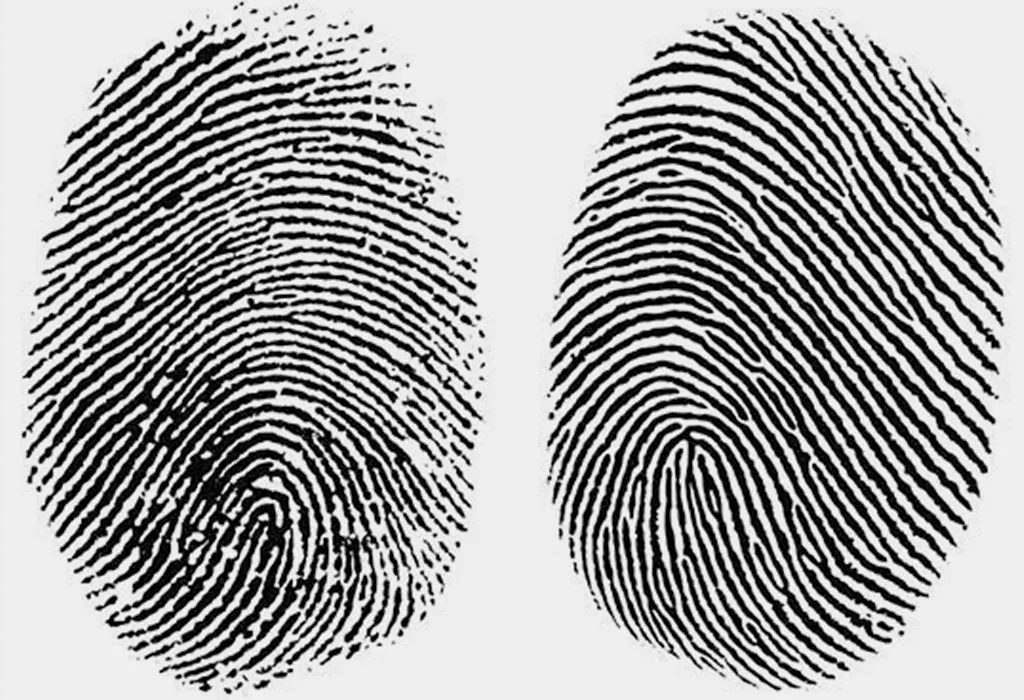
No two humans’ fingerprints are the same, and even children will not share fingerprints with either parent. Even identical twins with the same DNA have different fingerprints (6). But among the genetic traits inherited from the father, the genetic component of fingerprints is most definitely included. Fingerprint patterns between the father and child may not be identical, but extremely similar.
5. Lips
When it comes to lip structure and the size of the baby, the father’s genes come into play. Full lips are a dominant trait which the baby can be born with if his father has the same.
6. Sneezing
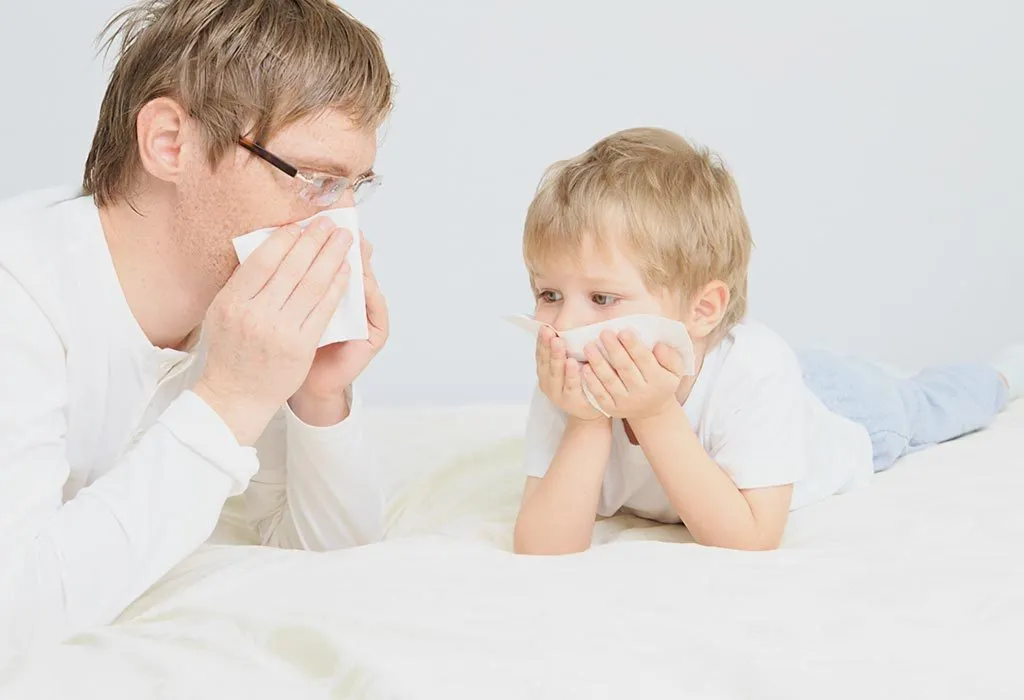
This has a name, the ‘Achoo’ syndrome – sneezing when someone looks directly into bright light. If the father has this syndrome, then the baby will also exhibit it as it is a dominant genetic trait.
7. Tooth structure
Among the physical traits inherited from father, tooth structure is hereditary. There is a gene which determines the gap which comes between teeth. If the father has a gap tooth, it is very likely that the baby will have one as well.
8. Mental disorders
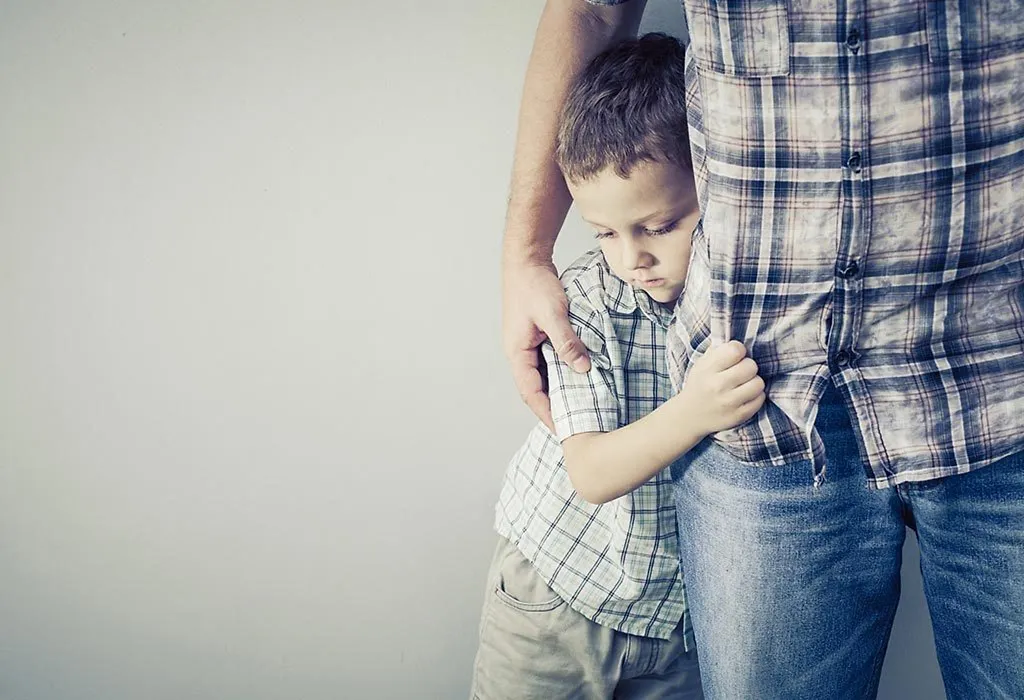
Both parents can pass on mental health issues to their children, but studies show that if the father is older and has a mental disorder like schizophrenia, autism spectrum disorder, or ADHD, it can be passed on to the child as well (7).
9. Heart problems
Babies can inherit a gene from their fathers that can increase the risk of coronary heart disease. This is due to the unique genetic makeup of a father who has that gene.
10. Infertility
Studies show that men who have low sperm count and have undergone in-vitro fertilisation can pass their infertility trait to their sons. Recent research has stated that infertility is among the genetic traits inherited from the father.

11. Biological Sex
This is probably the most important thing you will inherit from your father. Fathers have XY chromosomes, which eventually decide the child’s sex. A sex chromosome pairing of XX leads to a female offspring, while a XY pairing of the sex chromosomes leads to a male offspring.
12. Storage of Fat
Genetics play an important role in how our body looks and functions internally. However, researchers have suggested that the father’s adipose tissue has a bigger role in passing on excess fat to the offspring.
FAQs
1. How are traits passed from parents to children?
Traits are passed through different genes working together, located on chromosomes (8). A child receives a full set of 23 chromosomes from each parent. The National Human Genome Research Institute (NHGRI) explains that genes carry instructions for physical and biological traits.
2. Do babies inherit more from the mother or the father?
Genetically, children inherit equal DNA from both parents. However, some traits (like mitochondrial DNA) come only from the mother (9).
3. Can personality traits be inherited?
Research shows genetics influence temperament and behaviour, but environment also plays a major role. According to the National Institute of Mental Health (NIMH), behaviour is shaped by both genes and life experiences.
4. What role do dominant and recessive genes play?
Dominant genes express traits even if only one copy is present, while recessive traits require two copies. We can understand bt this example: The brown eye allele (B) is dominant over the blue eye allele (b). Therefore, if you possess one brown eye allele and one blue eye allele (Bb), your eye colour will be brown. This is also true if you have two brown eye alleles (BB). Conversely, if you inherit two recessive alleles (bb), your eye colour will be blue (10).
Parents might worry about their children inheriting the same genetic disorders as them. Educating yourself about your family history health is a good step before deciding to have children. Using this information, you can check for any red flags or see what options are available to discuss with your doctor.
Also Read:
Role of Parents in Child Development
Characteristics and Traits of Gifted Kids
Impact of Nature and Nurture on Child Development
Was This Article Helpful?
Parenting is a huge responsibility, for you as a caregiver, but also for us as a parenting content platform. We understand that and take our responsibility of creating credible content seriously. FirstCry Parenting articles are written and published only after extensive research using factually sound references to deliver quality content that is accurate, validated by experts, and completely reliable. To understand how we go about creating content that is credible, read our editorial policy here.
- Author
 About the Author
Mrunal
Related Articles
-

Why Your Child Must Attend Summer Camp - It's More Than Just a Fun Getaway
-
Bad Oral Habits and Its Impact on Dental Structure
-
This When I Learnt a Mother's Instinct Is REAL and How It Transformed Parenting for Me!
-
8 Ways to Increase Your Child's Interest in Difficult Subjects
-
The Circle of Motherhood
-
My Baby is the Blessing of My Life!





.svg)